
Look, after years crawling around construction sites, wrestling with blueprints, and getting to know every engineer and ironworker within a hundred miles, I can tell you one thing: keeping costs down without sacrificing quality is everything. And that’s where a reliable source for a low price bearing becomes a lifesaver. It's not just about the initial price tag; it’s about minimizing downtime, reducing maintenance headaches, and keeping projects moving. We've all seen projects bleed money due to substandard components and delays. Finding a supplier that consistently delivers affordable, dependable bearings is crucial.
I've worked on everything from bridges and skyscrapers to power plants and manufacturing facilities. Across the board, bearings are fundamental. They’re in the cranes lifting the steel, the pumps moving the coolant, the conveyors carrying the materials – everything. A cheap bearing that fails can shut down an entire operation. The cost of that downtime dwarfs the savings from buying the cheapest part upfront. A good low price bearing isn't about cutting corners; it's about smart sourcing.
Frankly, I've seen too many projects fall behind schedule, and budgets get blown because someone skimped on a critical component. It's a false economy. Finding a supplier like Ary Bearing, that understands the pressures we face on the ground – the need for consistent quality, fast delivery, and a price that makes sense – is what separates a successful project from a disaster. It's about more than just parts; it's about building trust and a reliable supply chain.
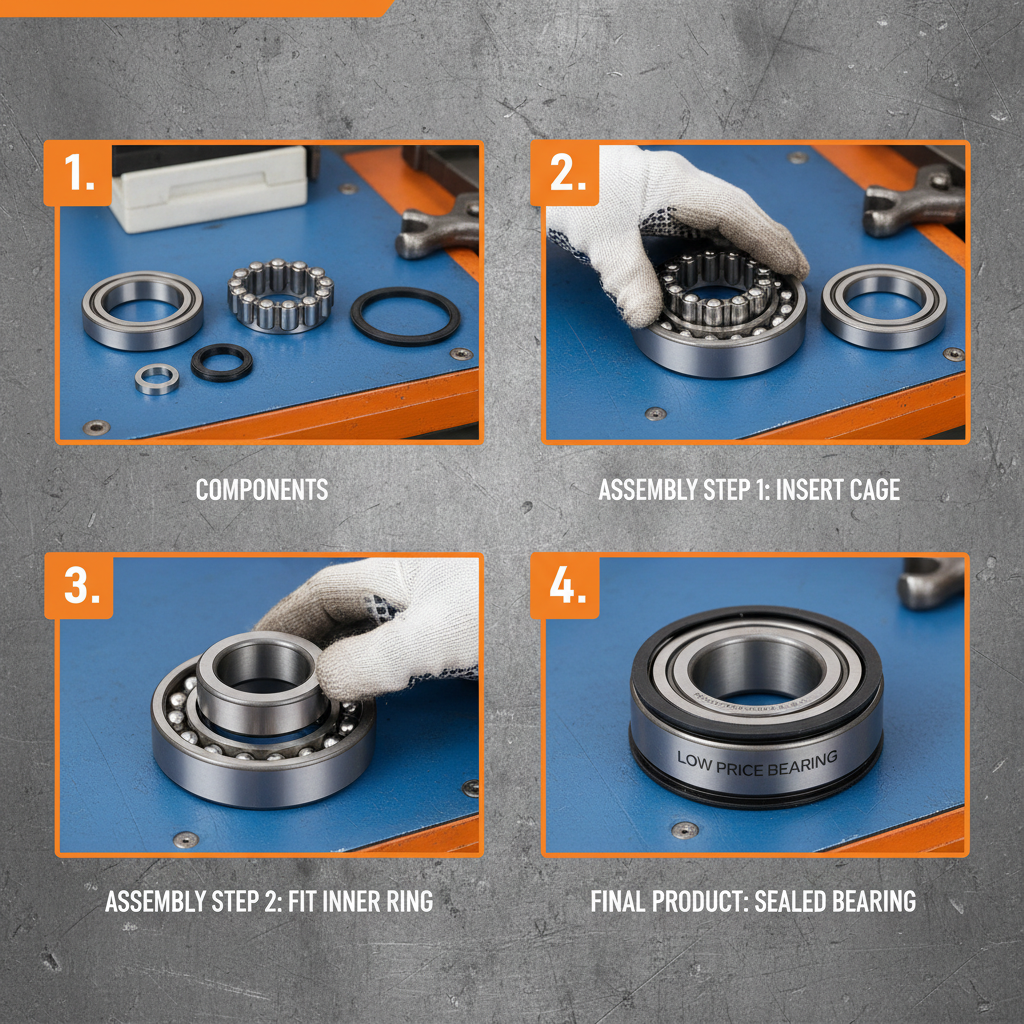
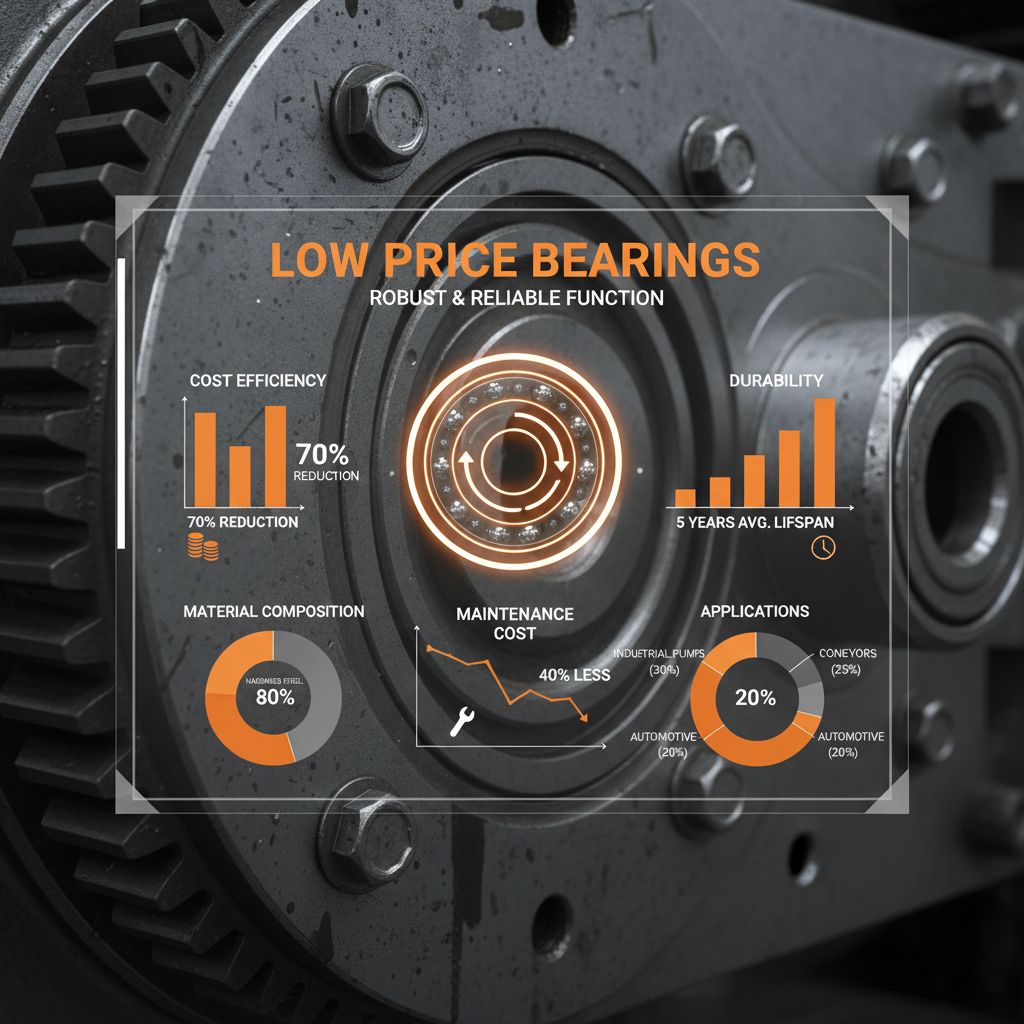
From my experience on-site, a low price bearing isn’t a luxury, it's a necessity. Every rotating component in a machine – pumps, motors, gearboxes – relies on them. When those bearings fail, it’s not just a part that needs replacing; it's potentially an entire production line going down. We’re talking significant financial losses, missed deadlines, and a lot of frustrated people. The demand for efficient, cost-effective bearing solutions is massive and growing with global industrial expansion.
The challenge isn’t just finding cheap bearings; it’s finding ones that are robust enough to withstand the real-world conditions of a construction site or a factory floor. Dirt, grime, heavy loads, extreme temperatures – these are all factors that can dramatically shorten the lifespan of a bearing. That’s why choosing a supplier who understands these challenges and provides bearings specifically engineered to handle them is so critical.
Several key factors affect bearing lifespan, including lubrication, load, speed, operating temperature, and contamination. Proper lubrication minimizes friction, while excessive load or speed can lead to premature failure. Maintaining a clean operating environment and controlling temperature are also critical. Regular inspection and maintenance are vital to identify potential issues early.
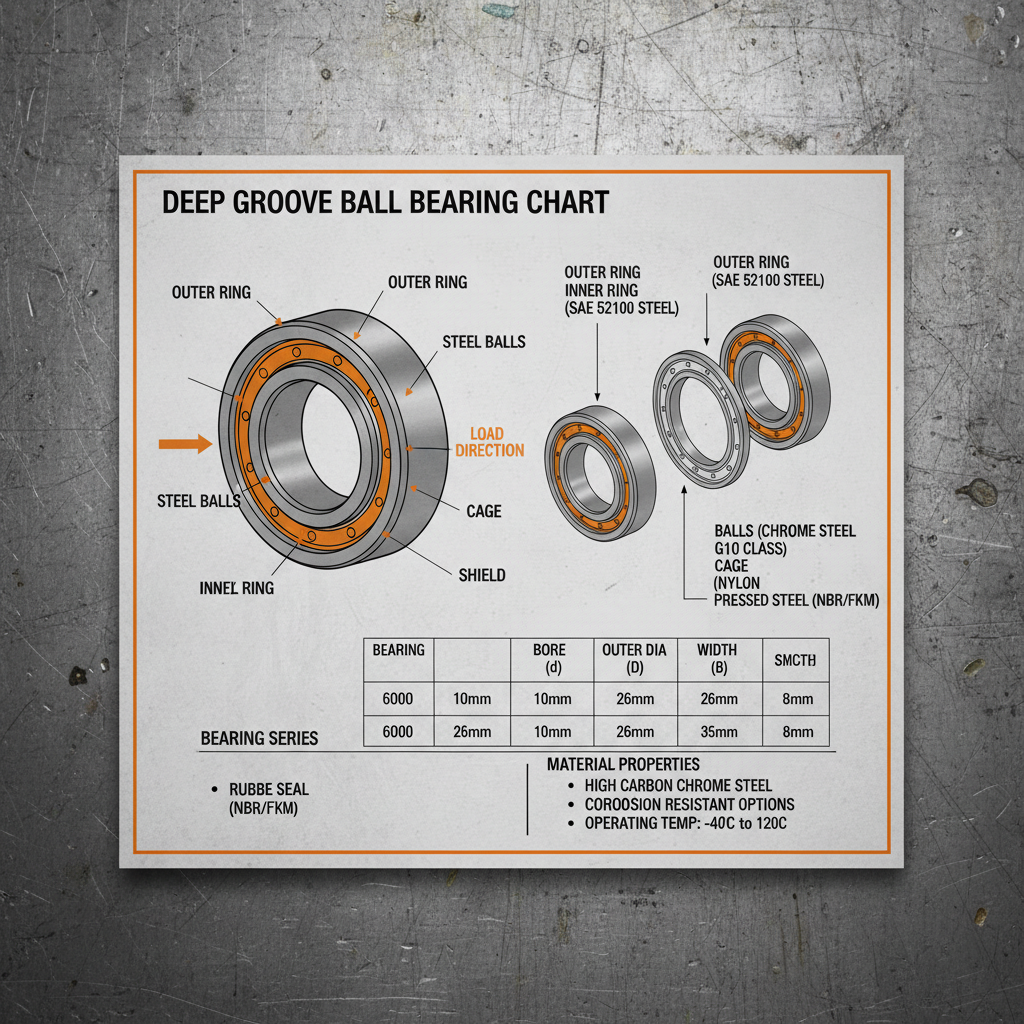
Selecting the right bearing depends on the specific application's requirements. Consider the load type (radial, axial, or combined), speed, operating temperature, and environment. Ball bearings are suitable for high-speed, light-load applications, while roller bearings are better for heavy loads. Consulting with a bearing specialist is highly recommended for complex applications.
Common signs of bearing failure include unusual noises (grinding, squealing), excessive vibration, increased temperature, and loss of lubrication. Inspect the bearing for signs of wear, corrosion, or damage. Addressing these signs promptly can prevent catastrophic failure and costly downtime.
Relubrication frequency depends on the bearing type, load, speed, and operating temperature. Refer to the bearing manufacturer's recommendations. Generally, bearings operating under heavy loads or at high speeds require more frequent relubrication. Over- or under-lubrication can both be detrimental, so follow the guidelines carefully.
Store bearings in a clean, dry environment to prevent corrosion and contamination. Keep them in their original packaging if possible. If the bearings are unpackaged, protect them from dust and moisture. Avoid storing them near magnetic fields or sources of vibration. Handle them carefully to avoid damaging the bearing surfaces.
Purchase bearings from reputable suppliers with a proven track record. Look for certifications and quality control processes. Be wary of exceptionally low prices, as they may indicate counterfeit products. Inspect the bearing packaging and markings for authenticity. A trusted supplier like Ary Bearing can provide assurance of quality.
In closing, finding a reliable source for low price bearing isn't just about saving money upfront. It’s about optimizing performance, reducing downtime, and building a sustainable operation. Understanding the key factors that influence bearing performance, and partnering with a supplier who prioritizes quality and reliability, is crucial for long-term success.
Don't fall into the trap of chasing the lowest price at the expense of quality. Investing in dependable bearings is an investment in the longevity and efficiency of your equipment. And, as always, remember that a good relationship with a trusted supplier – like Ary Bearing – can make all the difference. Visit our website at www.arybearing.com to learn more.
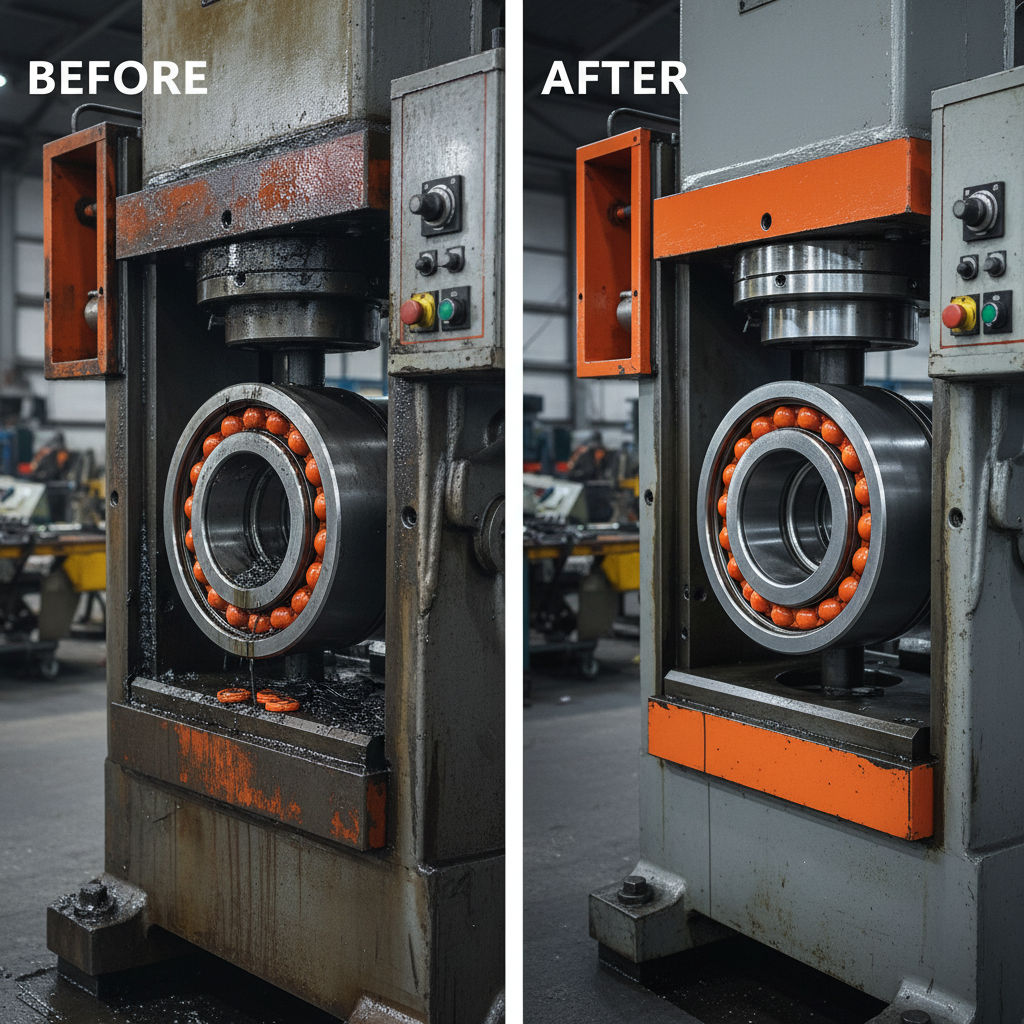
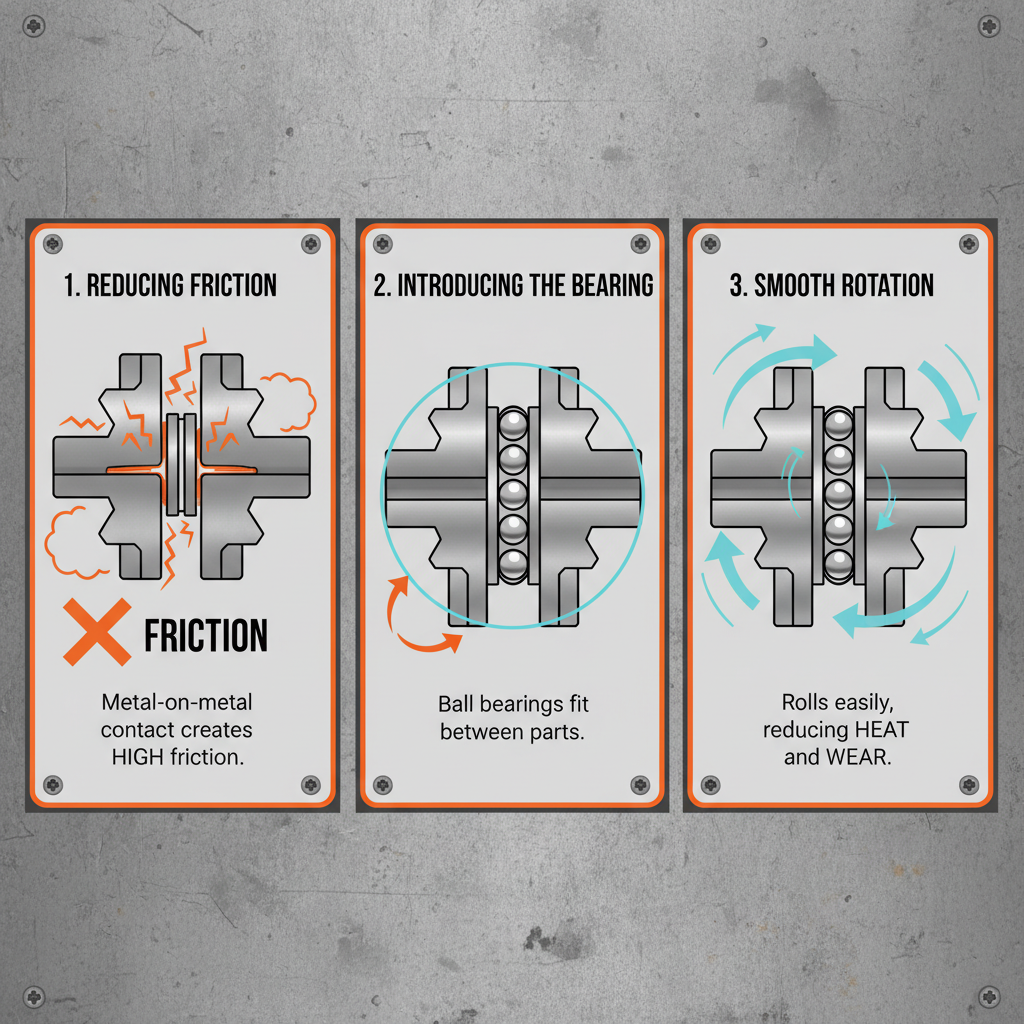


 Afrikaans
 Albanian
 Amharic
 Arabic
 Armenian
 Azerbaijani
 Basque
 Belarusian
 Bengali
 Bosnian
 Bulgarian
 Catalan
 Cebuano
 Corsican
 Croatian
 Czech
Czech
 Danish
 Dutch
Dutch
 Esperanto
 Estonian
 Finnish
 French
 Frisian
 Galician
 Georgian
 German
 Greek
Greek
 Gujarati
 Haitian Creole
 Hausa
Hausa
 Hawaiian
 Hebrew
 Hindi
Hindi
 Miao
Miao
 Hungarian
 Icelandic
 Igbo
Igbo
 Indonesian
 Irish
Irish
 Italian
 Japanese
 Javanese
 Kannada
 Kazakh
 Khmer
Khmer
 Rwandese
 Korean
 Kurdish
 Kyrgyz
 Lao
Lao
 Latin
Latin
 Latvian
 Lithuanian
 Luxembourgish
 Macedonian
 Malgashi
 Malay
Malay
 Malayalam
 Maltese
 Maori
Maori
 Marathi
 Mongolian
 Myanmar
 Nepali
 Norwegian
 Norwegian
 Occitan
 Pashto
 Persian
 Polish
 Portuguese
 Punjabi
 Romanian
 Russian
 Samoan
 Scottish Gaelic
 Serbian
 Sesotho
 Shona
Shona
 Sindhi
 Sinhala
 Slovak
 Slovenian
 Somali
 Spanish
 Sundanese
 Swahili
 Swedish
 Tagalog
 Tajik
Tajik
 Tamil
Tamil
 Tatar
Tatar
 Telugu
 Thai
Thai
 Turkish
 Turkmen
 Ukrainian
 Urdu
Urdu
 Uighur
 Uzbek
Uzbek
 Vietnamese
 Welsh
Welsh
 Bantu
Bantu
 Yiddish
 Yoruba
 Zulu
Zulu
 English