Deep groove ball bearings are the workhorses of modern industry. You find ‘em in everything from car wheels to electric motors, even your washing machine. They're a deceptively simple design – basically, a bunch of steel balls running in grooves – but they're incredibly versatile and reliable. I’ve spent years on construction sites, watching machinery run, and these little guys are always a key component. If they fail, things grind to a halt. Understanding them isn't just about engineering specs; it’s about keeping projects on schedule and budgets in check.
What’s impressed me over the years isn't just how common they are, but how crucial they are to uptime. A seemingly insignificant bearing failure can bring a multi-million dollar piece of equipment down, costing companies serious money. I’ve seen projects delayed by weeks waiting for replacement bearings, and the knock-on effects are massive. That’s why choosing the right bearing, and understanding its limitations, is so important. It's a small part with a huge impact.
And it's not just about big industry either. Even in smaller applications, a quality deep groove ball bearing means longer-lasting equipment and fewer headaches. From handheld power tools to medical devices, their reliability is essential. These aren’t glamorous components, but they are the foundation of a lot of what keeps our world moving, and that’s why knowing about them matters to everyone, not just engineers.
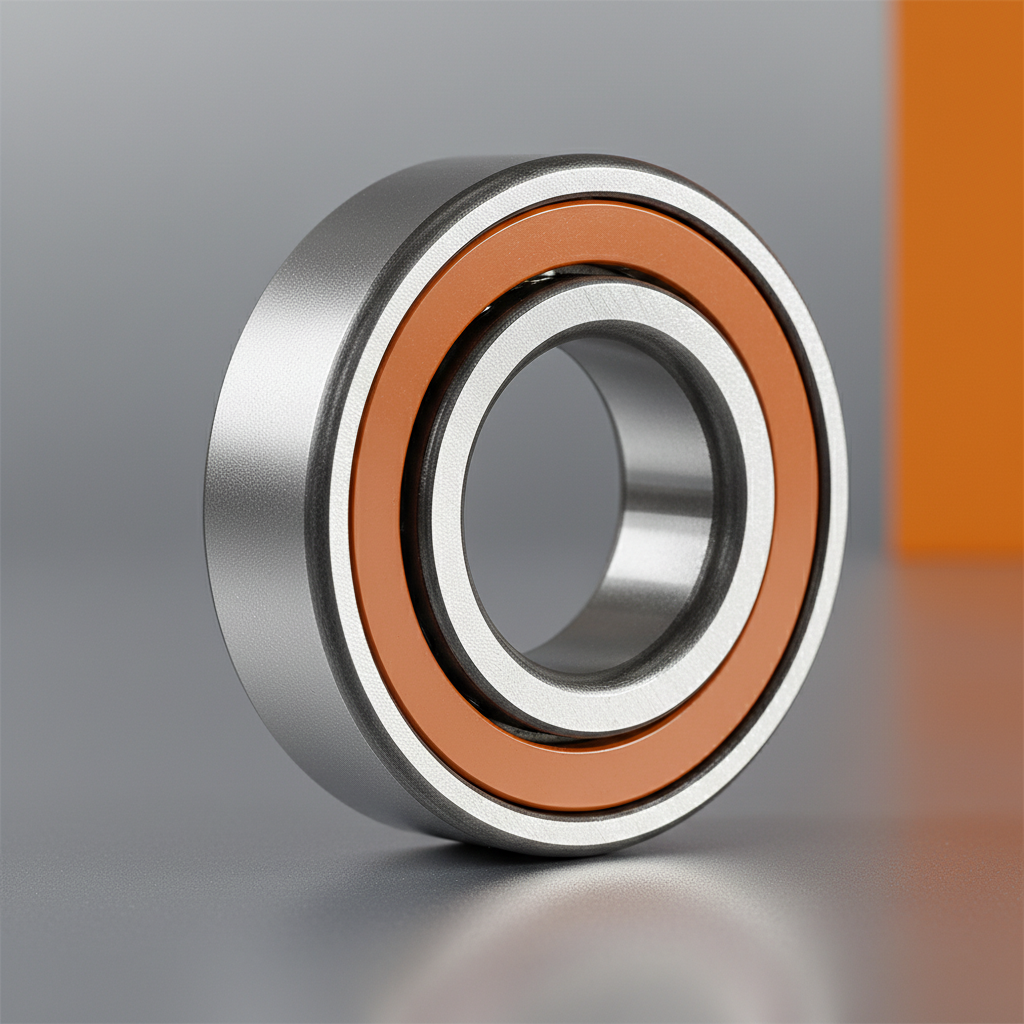
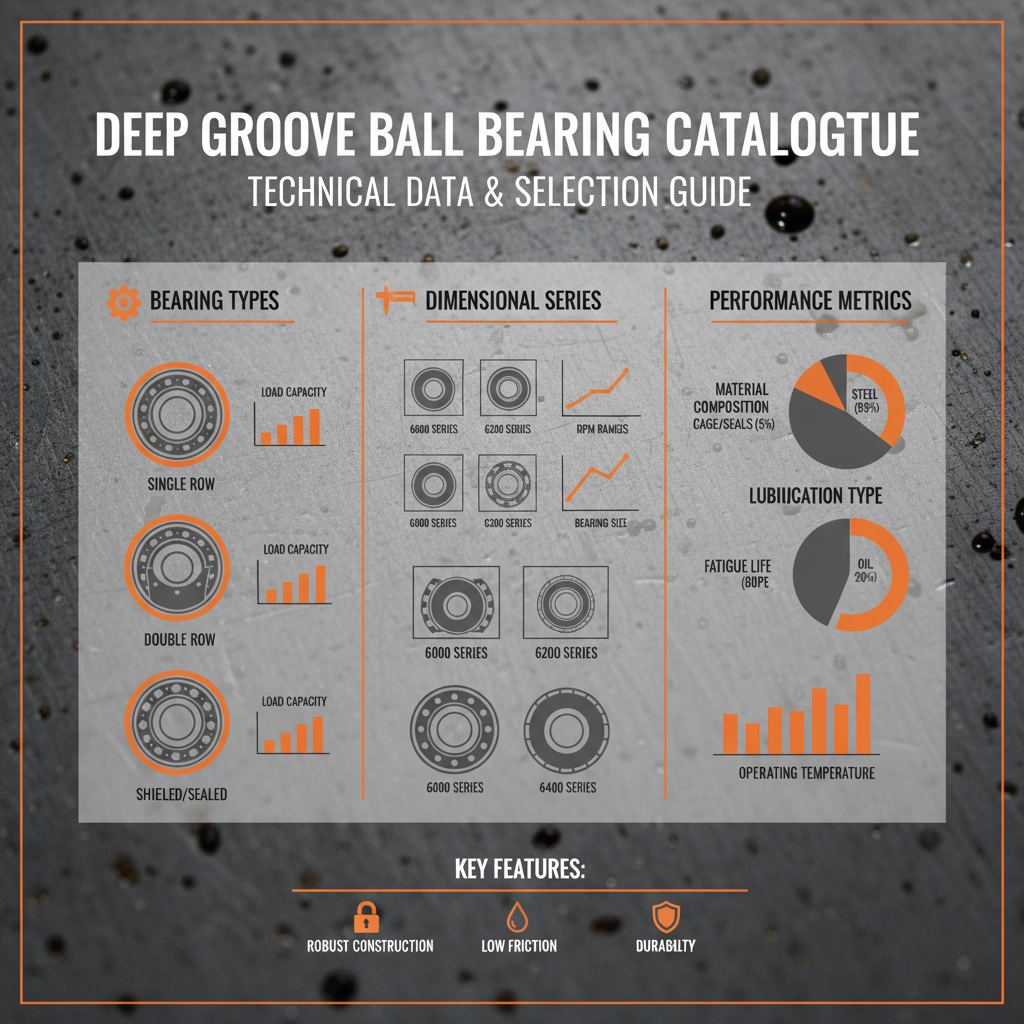
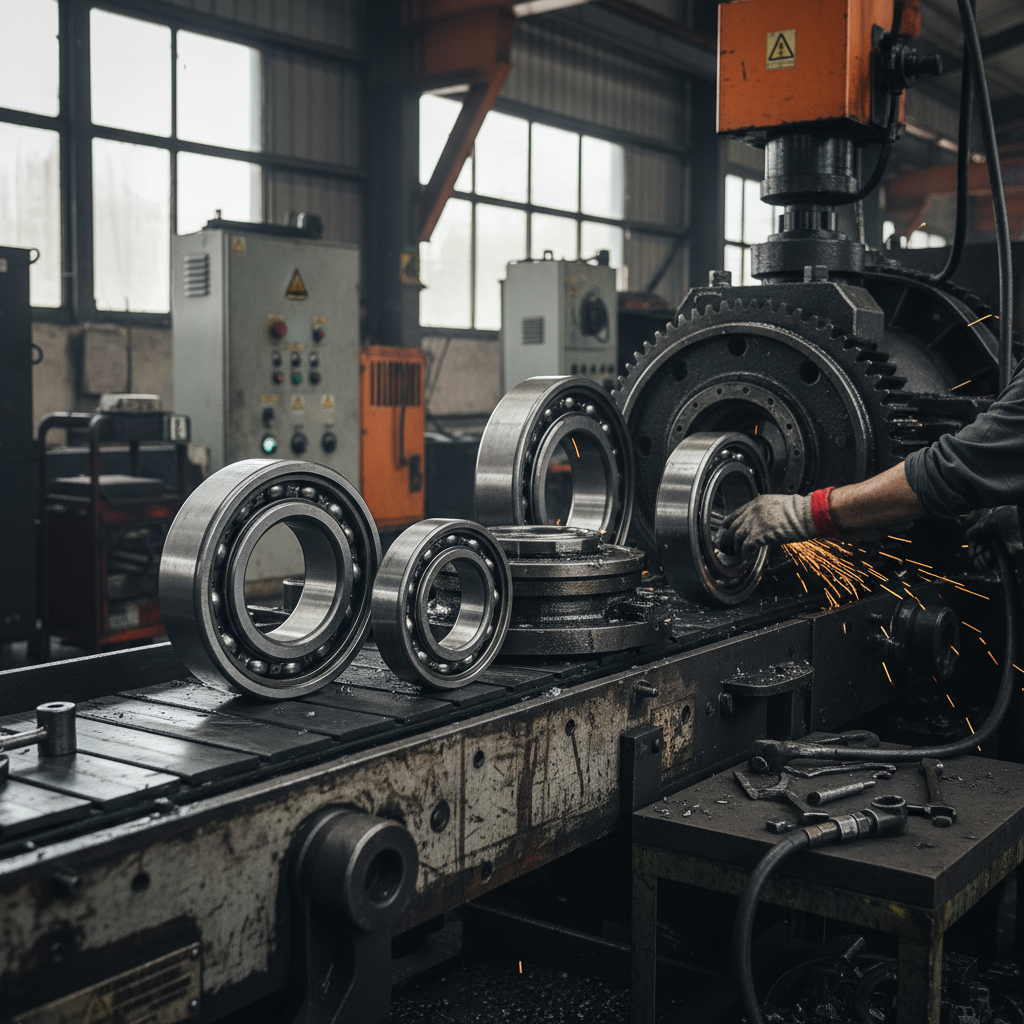
I've seen first-hand how critical these bearings are. On a construction site, a failed bearing in a concrete mixer can halt production for a day, costing thousands. They’re in everything from the crane’s rotation mechanism to the smaller pumps and fans that keep things running. It's a deceptively simple component, but a vital one for overall project efficiency. You can't build anything without reliable rotation, and deep groove ball bearings are often at the heart of it.
It’s not just about the initial cost of the bearing either. Downtime, labor for repairs, and potential delays – those costs add up quickly. Choosing a quality bearing and implementing a good maintenance schedule can save companies a significant amount of money in the long run. And a failure in a critical application can even create safety hazards, so reliability is paramount.
The lifespan really depends on the application and operating conditions. Things like load, speed, temperature, and lubrication all play a role. With proper maintenance and within its specified limits, a well-made deep groove ball bearing can last for years, potentially tens of thousands of hours. But push it too hard, or ignore maintenance, and you'll drastically shorten its life. It's not just about time; it’s about how it's used.
You need to consider several factors. First, the load capacity – how much weight will the bearing be supporting? Second, the speed – how fast will it be rotating? Third, the operating environment – is it exposed to extreme temperatures, dust, or chemicals? Fourth, the required precision. Consulting with a bearing specialist is always a good idea, and they can help you select the optimal bearing for your specific needs.
Common signs include increased noise, vibration, heat, and play in the bearing. If you notice any of these symptoms, it's a good indication that the bearing is starting to fail and should be inspected or replaced. Ignoring these signs can lead to catastrophic failure and costly downtime.
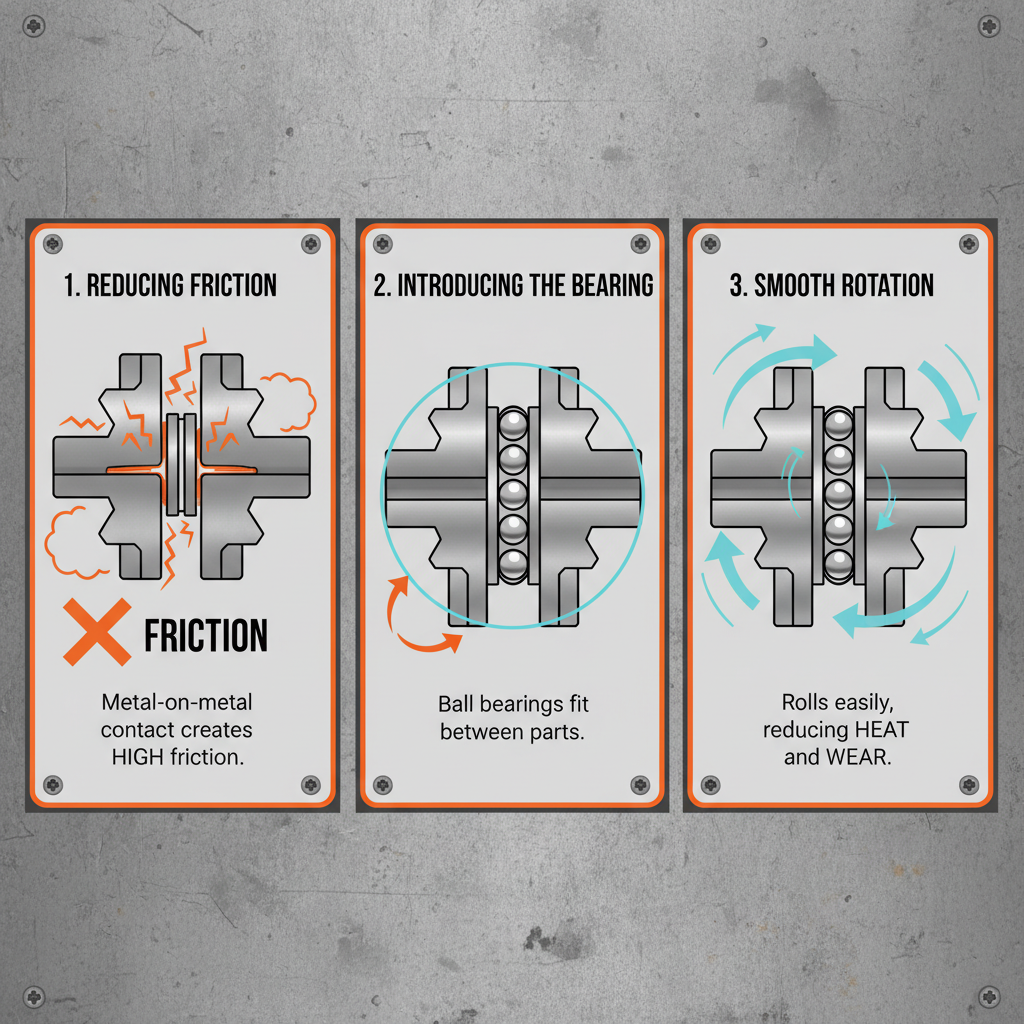
Lubrication is critical. It reduces friction, dissipates heat, and protects the bearing surfaces from corrosion. The wrong lubricant, or insufficient lubrication, can drastically shorten the bearing's life. Follow the manufacturer's recommendations for lubricant type and re-lubrication intervals. It's one of the most important things you can do to maintain bearing health.
They can, but you need to choose the right materials. Stainless steel bearings are more resistant to corrosion than standard steel bearings. You can also use bearings with special coatings or seals to protect them from corrosive substances. Proper lubrication with a corrosion-inhibiting grease is also essential.
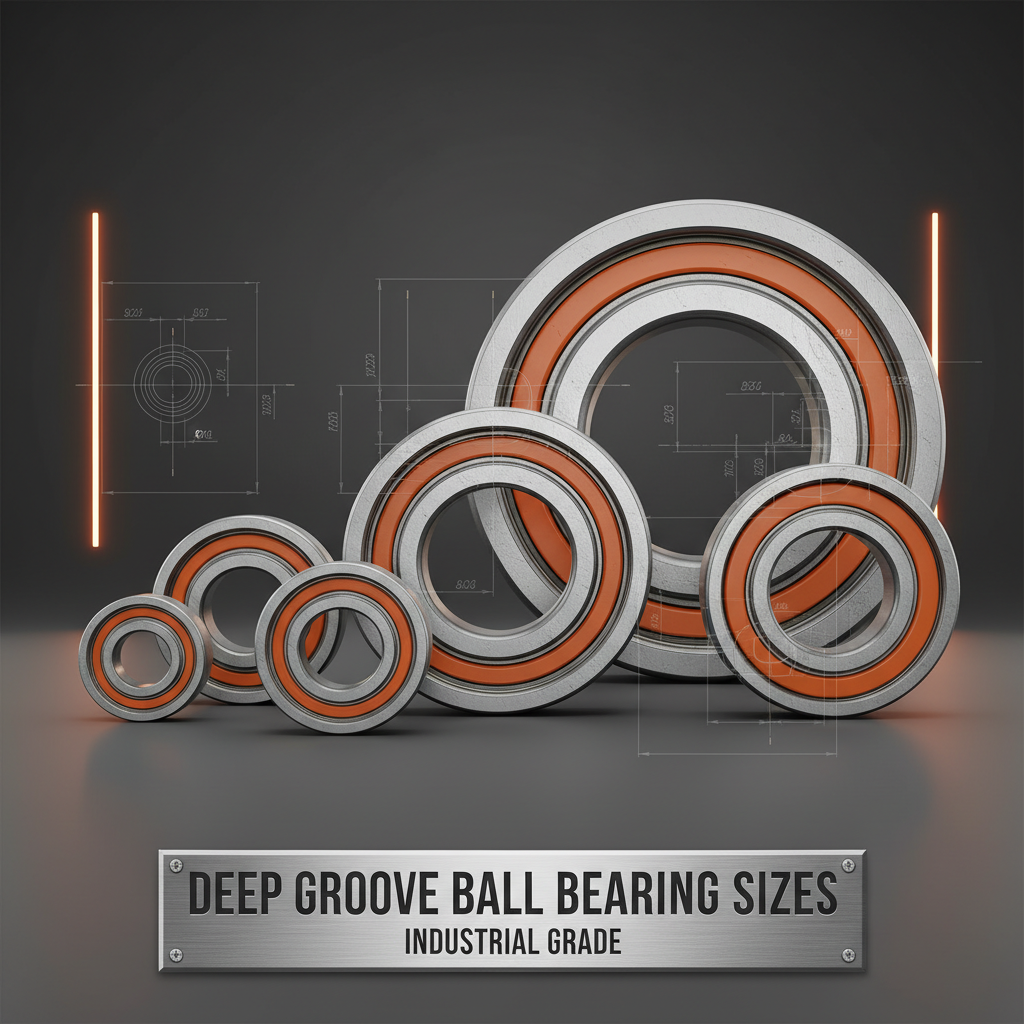
Open bearings allow access to the bearing for lubrication and inspection, but they're more susceptible to contamination. Sealed bearings have rubber seals on both sides that keep out dirt and debris, but they require less maintenance. The choice depends on the application and the operating environment. If contamination is a major concern, sealed bearings are generally the better option.
Deep groove ball bearings may seem like a simple component, but they are the cornerstone of countless industries and applications. Their versatility, reliability, and cost-effectiveness make them an essential part of modern life. Understanding their core principles, proper maintenance, and potential limitations is crucial for ensuring optimal performance and preventing costly downtime.
Looking ahead, innovations in materials and sensor technology promise to further enhance the performance and longevity of these bearings. Embracing these advancements and adopting a proactive maintenance approach will be key to unlocking their full potential and driving efficiency gains across a wide range of industries. For all your deep groove ball bearing needs, visit our website: www.arybearing.com.

 Afrikaans
 Albanian
 Amharic
 Arabic
 Armenian
 Azerbaijani
 Basque
 Belarusian
 Bengali
 Bosnian
 Bulgarian
 Catalan
 Cebuano
 Corsican
 Croatian
 Czech
Czech
 Danish
 Dutch
Dutch
 Esperanto
 Estonian
 Finnish
 French
 Frisian
 Galician
 Georgian
 German
 Greek
Greek
 Gujarati
 Haitian Creole
 Hausa
Hausa
 Hawaiian
 Hebrew
 Hindi
Hindi
 Miao
Miao
 Hungarian
 Icelandic
 Igbo
Igbo
 Indonesian
 Irish
Irish
 Italian
 Japanese
 Javanese
 Kannada
 Kazakh
 Khmer
Khmer
 Rwandese
 Korean
 Kurdish
 Kyrgyz
 Lao
Lao
 Latin
Latin
 Latvian
 Lithuanian
 Luxembourgish
 Macedonian
 Malgashi
 Malay
Malay
 Malayalam
 Maltese
 Maori
Maori
 Marathi
 Mongolian
 Myanmar
 Nepali
 Norwegian
 Norwegian
 Occitan
 Pashto
 Persian
 Polish
 Portuguese
 Punjabi
 Romanian
 Russian
 Samoan
 Scottish Gaelic
 Serbian
 Sesotho
 Shona
Shona
 Sindhi
 Sinhala
 Slovak
 Slovenian
 Somali
 Spanish
 Sundanese
 Swahili
 Swedish
 Tagalog
 Tajik
Tajik
 Tamil
Tamil
 Tatar
Tatar
 Telugu
 Thai
Thai
 Turkish
 Turkmen
 Ukrainian
 Urdu
Urdu
 Uighur
 Uzbek
Uzbek
 Vietnamese
 Welsh
Welsh
 Bantu
Bantu
 Yiddish
 Yoruba
 Zulu
Zulu
 English