
Bear machinery, encompassing a wide range of robust and dependable equipment, plays a crucial role in modern industrial processes globally. From heavy-duty manufacturing to intricate precision work, these systems are the backbone of countless operations. Understanding the principles behind bear machinery – its design, operation, and maintenance – is paramount for optimizing efficiency, ensuring safety, and driving innovation across diverse sectors.
The global relevance of bear machinery stems from its fundamental contribution to economic development and productivity. As industries worldwide strive for greater output and reduced costs, reliable and efficient machinery becomes increasingly essential. The demand for bear machinery is directly linked to infrastructural growth, manufacturing expansion, and resource extraction, making it a significant indicator of economic health. According to the UN Industrial Development Organization (UNIDO), investment in industrial machinery represents a key pathway to sustainable industrialization.
Bear machinery isn't limited to traditional industrial settings. Its principles and components are also vital in emerging fields like renewable energy (wind turbines, hydroelectric generators), infrastructure development (tunnel boring machines, bridge construction equipment), and even specialized applications like deep-sea exploration and aerospace engineering. Effectively, bear machinery addresses the fundamental challenge of converting energy and force into useful work, a need inherent in virtually every aspect of modern life.
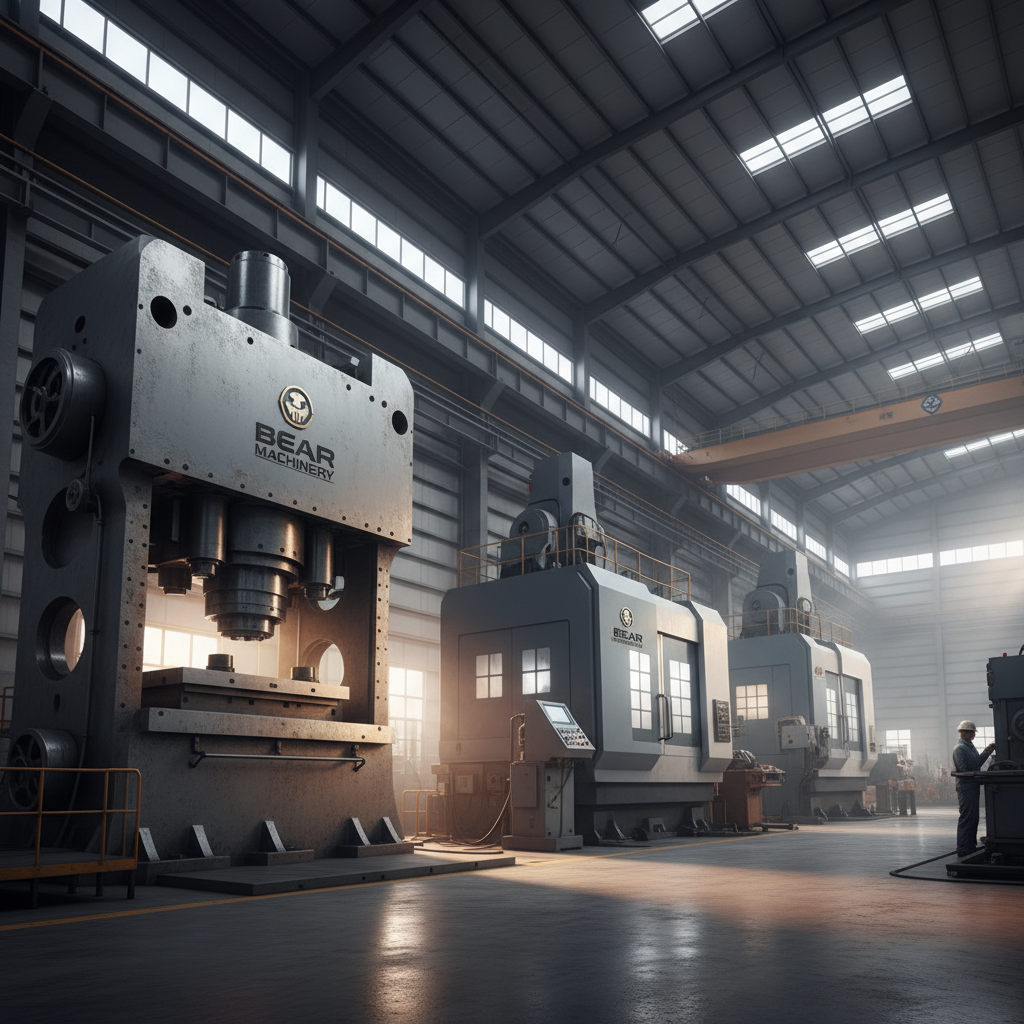
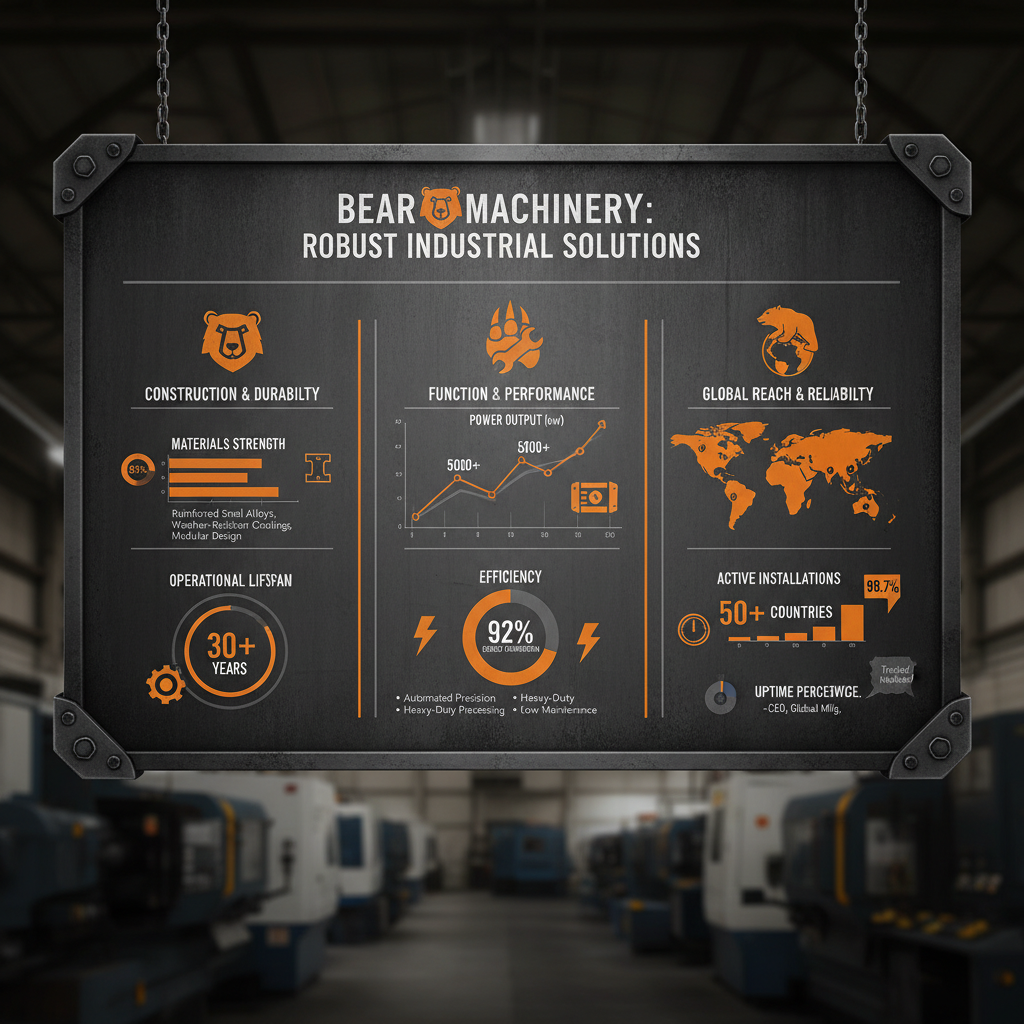
Bear machinery, at its core, represents the mechanical systems designed to handle substantial loads and deliver consistent power for industrial processes. This encompasses everything from simple gearboxes to complex hydraulic systems and large-scale assembly lines. The term "bear" reflects the machinery’s ability to “bear” or support heavy burdens and continuous operation.
The effective application of bear machinery is crucial for a wide spectrum of industries, including manufacturing, construction, mining, energy production, and transportation. The longevity and efficiency of these machines directly impact a company’s bottom line and its ability to remain competitive in the global market. bear machinery advancements continue to shape the capabilities of modern industry.
The lifespan of bear machinery can vary significantly depending on the type of machine, operating conditions, and maintenance practices. However, with regular maintenance and proper care, many machines can operate effectively for 15-25 years or even longer. Key factors influencing lifespan include the quality of materials, the sophistication of the design, and the frequency of use.
Minimizing downtime requires a proactive approach to maintenance. Implement a scheduled maintenance program based on manufacturer recommendations and operating conditions. Utilize predictive maintenance technologies, such as vibration analysis and oil analysis, to identify potential issues before they lead to breakdowns. Ensure readily available spare parts and trained personnel for quick repairs.
Safety is paramount when operating bear machinery. Always follow the manufacturer's safety guidelines and provide comprehensive training to operators. Ensure all safety guards and interlocks are in place and functioning correctly. Wear appropriate personal protective equipment (PPE), such as safety glasses, gloves, and hearing protection. Regularly inspect the machinery for any potential hazards.
The decision to repair or replace depends on several factors, including the age of the machine, the extent of the damage, the cost of repairs, and the availability of spare parts. A thorough cost-benefit analysis should be conducted, considering the long-term operational costs and the potential for future breakdowns. Often, if the repair costs exceed 50-60% of the replacement cost, replacement is the more sensible option.
Bear machinery can contribute to sustainable manufacturing through various means. Investing in energy-efficient models reduces energy consumption and carbon emissions. Utilizing precision machinery minimizes waste and optimizes material usage. Implementing closed-loop systems for coolant and lubricant recycling reduces environmental impact. Choosing durable machines extends their lifespan and minimizes the need for frequent replacements.
When selecting a bear machinery supplier, consider their reputation, experience, and customer support capabilities. Ensure they offer a wide range of products and services to meet your specific needs. Assess their commitment to quality, safety, and innovation. Check for readily available spare parts and technical assistance. bear machinery quality begins with the quality of the supplier.
Bear machinery forms the foundation of modern industrial activity, driving economic growth, improving productivity, and enabling innovation across diverse sectors. From its core principles of durability and scalability to the emerging trends of AI integration and sustainable design, bear machinery continues to evolve and adapt to meet the challenges of a rapidly changing world. Understanding these advancements is vital for businesses seeking to maintain a competitive edge and contribute to a more sustainable future.
Looking ahead, continued investment in research and development, coupled with a commitment to responsible manufacturing practices, will be crucial for unlocking the full potential of bear machinery. By embracing new technologies and prioritizing sustainability, we can ensure that these powerful systems continue to serve as a catalyst for progress for generations to come. Visit our website at www.arybearing.com to learn more about our range of bear machinery solutions.
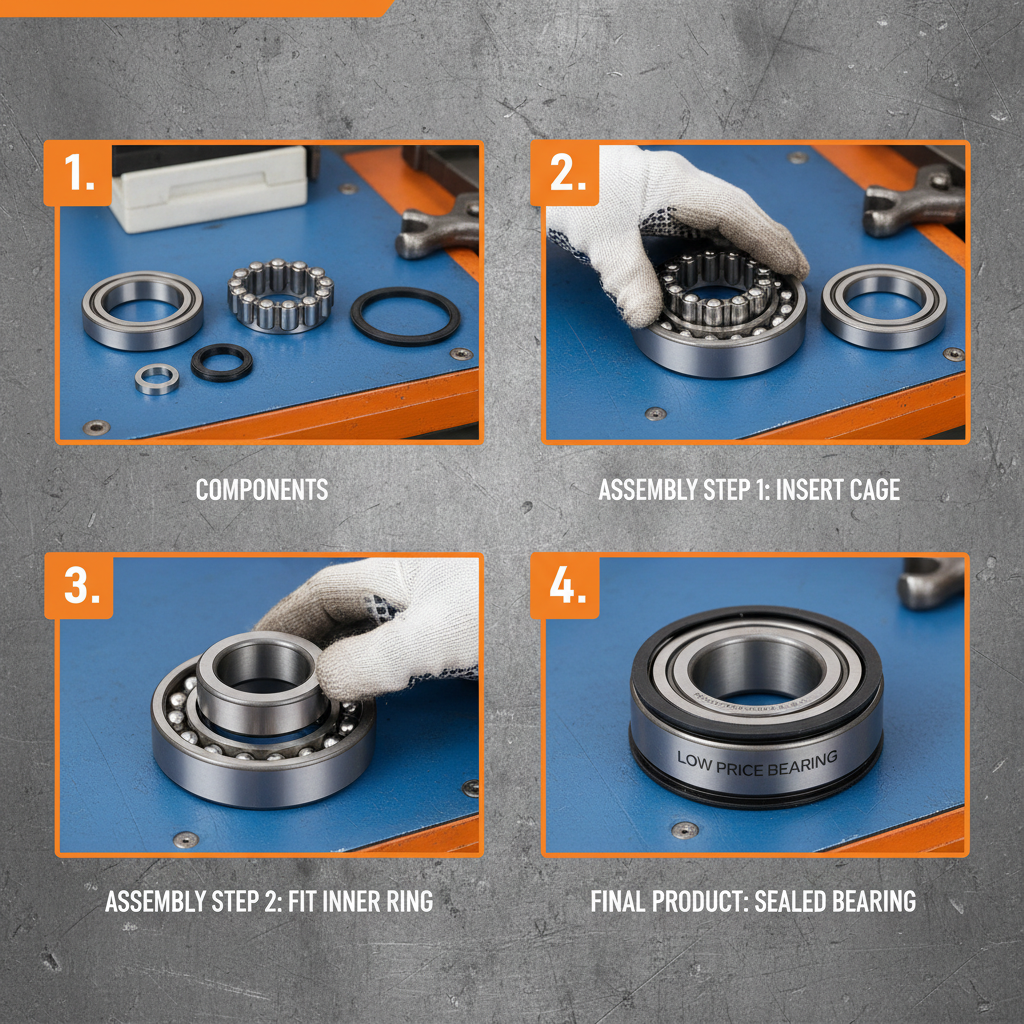
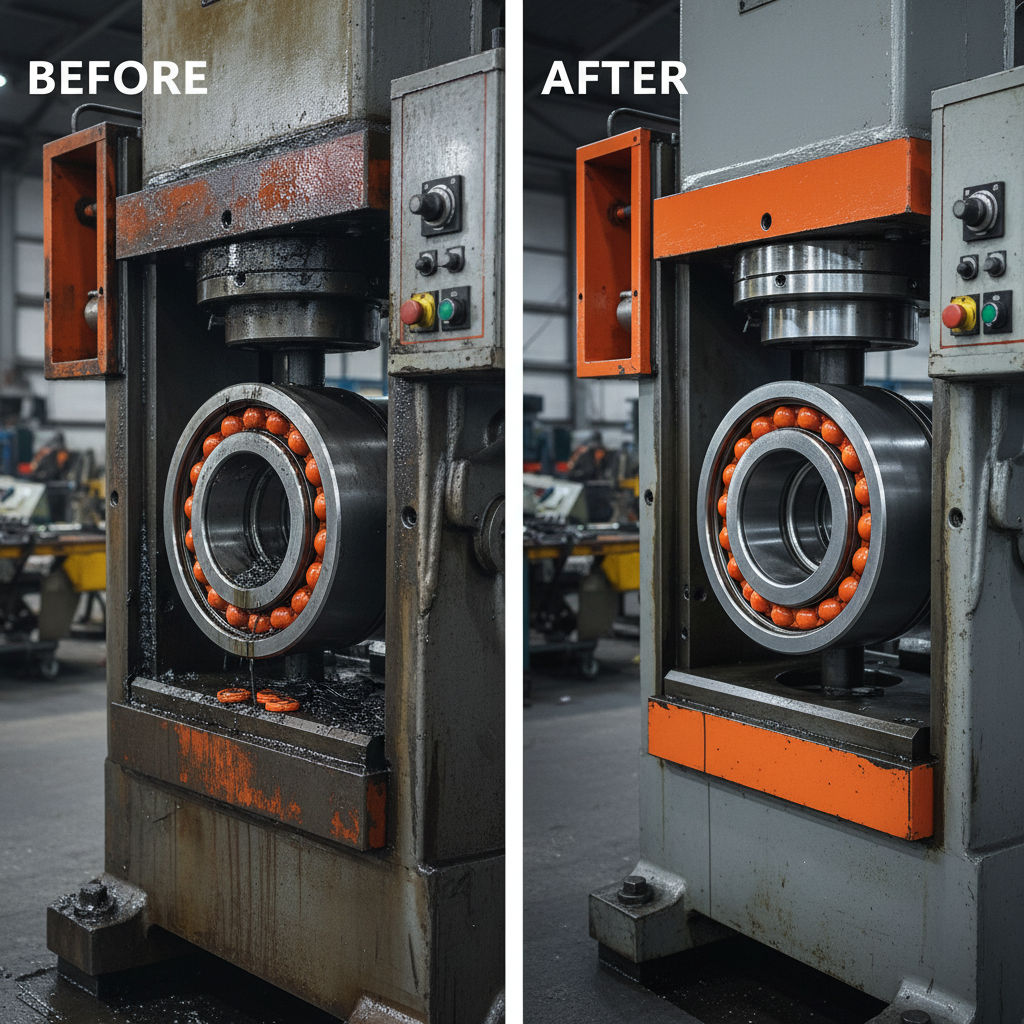

 Afrikaans
 Albanian
 Amharic
 Arabic
 Armenian
 Azerbaijani
 Basque
 Belarusian
 Bengali
 Bosnian
 Bulgarian
 Catalan
 Cebuano
 Corsican
 Croatian
 Czech
Czech
 Danish
 Dutch
Dutch
 Esperanto
 Estonian
 Finnish
 French
 Frisian
 Galician
 Georgian
 German
 Greek
Greek
 Gujarati
 Haitian Creole
 Hausa
Hausa
 Hawaiian
 Hebrew
 Hindi
Hindi
 Miao
Miao
 Hungarian
 Icelandic
 Igbo
Igbo
 Indonesian
 Irish
Irish
 Italian
 Japanese
 Javanese
 Kannada
 Kazakh
 Khmer
Khmer
 Rwandese
 Korean
 Kurdish
 Kyrgyz
 Lao
Lao
 Latin
Latin
 Latvian
 Lithuanian
 Luxembourgish
 Macedonian
 Malgashi
 Malay
Malay
 Malayalam
 Maltese
 Maori
Maori
 Marathi
 Mongolian
 Myanmar
 Nepali
 Norwegian
 Norwegian
 Occitan
 Pashto
 Persian
 Polish
 Portuguese
 Punjabi
 Romanian
 Russian
 Samoan
 Scottish Gaelic
 Serbian
 Sesotho
 Shona
Shona
 Sindhi
 Sinhala
 Slovak
 Slovenian
 Somali
 Spanish
 Sundanese
 Swahili
 Swedish
 Tagalog
 Tajik
Tajik
 Tamil
Tamil
 Tatar
Tatar
 Telugu
 Thai
Thai
 Turkish
 Turkmen
 Ukrainian
 Urdu
Urdu
 Uighur
 Uzbek
Uzbek
 Vietnamese
 Welsh
Welsh
 Bantu
Bantu
 Yiddish
 Yoruba
 Zulu
Zulu
 English