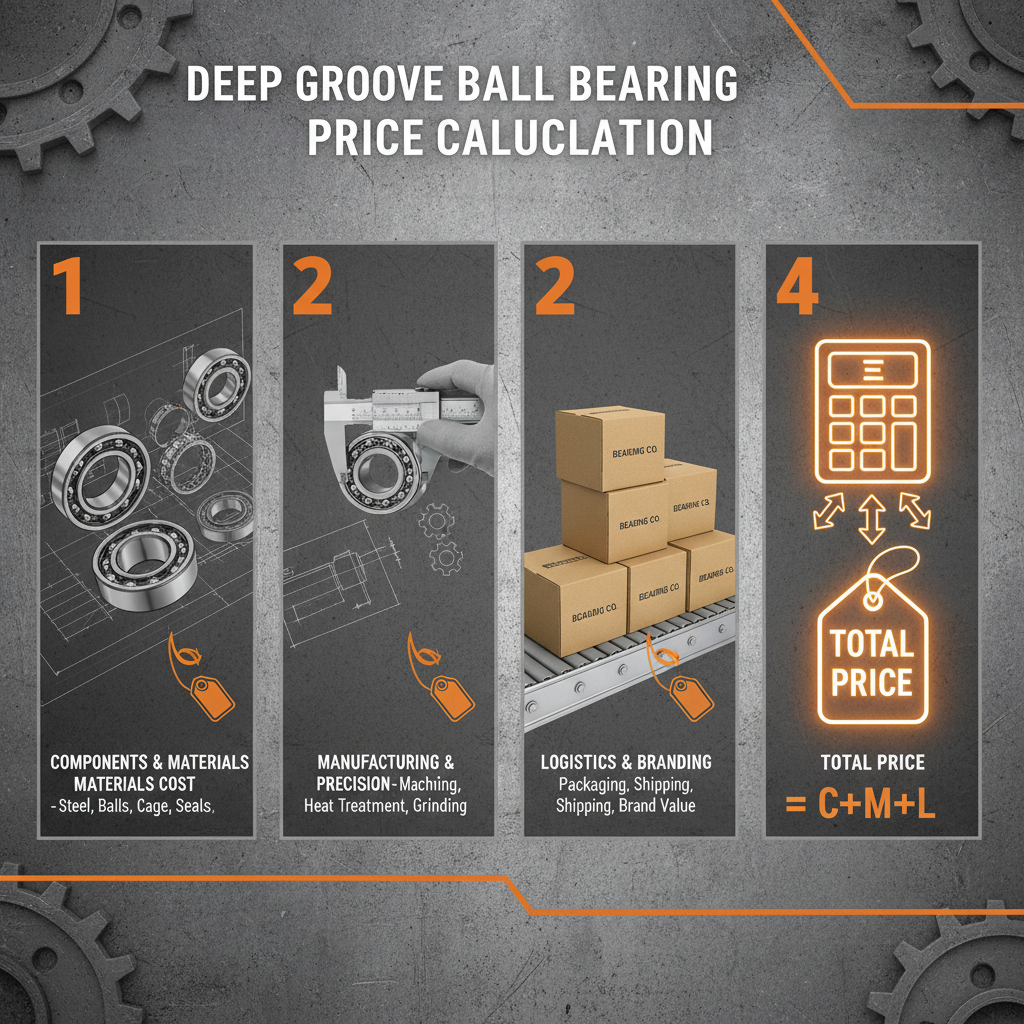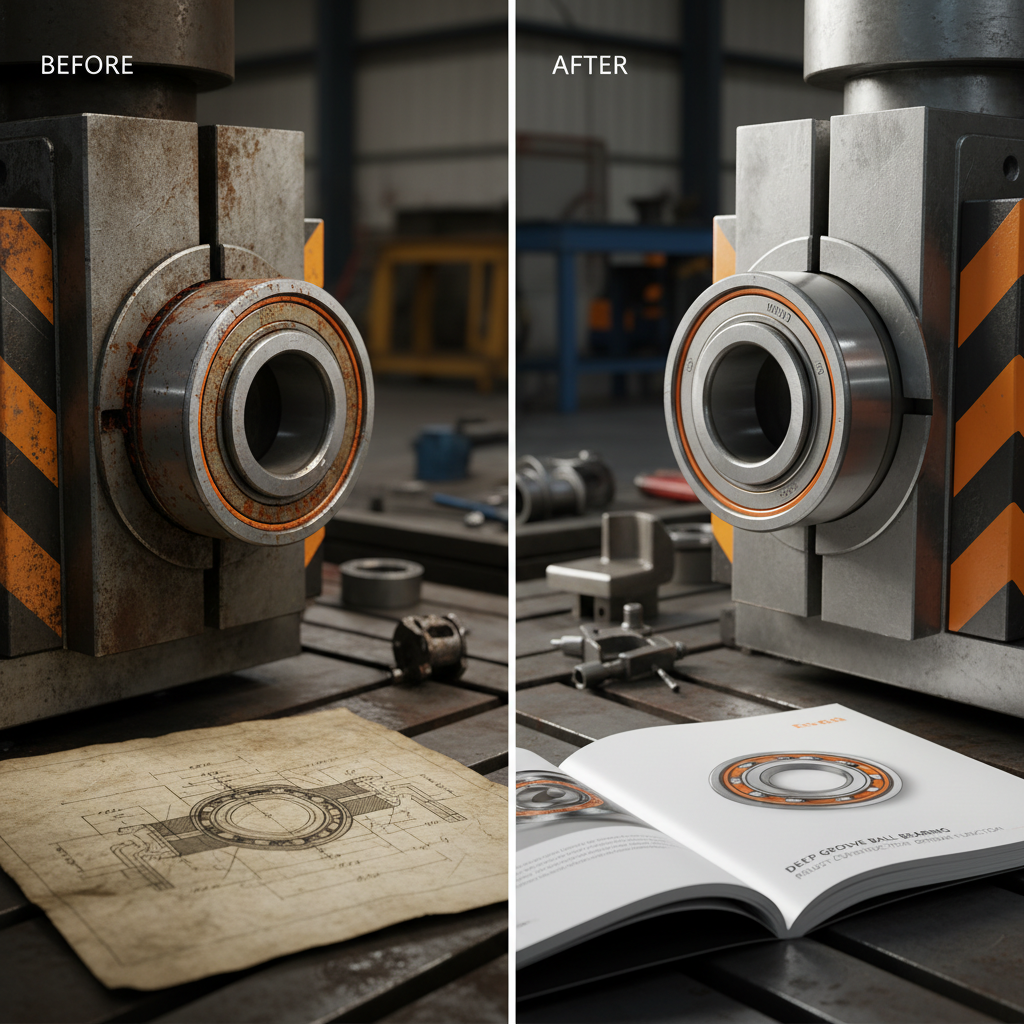
Deep groove ball bearings are foundational components in modern machinery, and understanding their axial load capacity is critical for ensuring reliable performance across diverse applications. The ability of these bearings to withstand forces acting along the shaft, known as axial load, directly impacts their lifespan, efficiency, and the overall safety of the systems they support. This knowledge is paramount not just for engineers and manufacturers but also for maintenance professionals and end-users who rely on the consistent operation of equipment powered by these ubiquitous bearings.
The global demand for high-quality bearings, including those capable of handling significant axial loads, is driven by the expanding industrial sectors in emerging economies and the increasing complexity of machinery in developed nations. According to data from the World Bearing Association, the bearing market is projected to continue growing at a steady pace, fueled by sectors like automotive, aerospace, and renewable energy. Consequently, a thorough comprehension of deep groove ball bearing axial load characteristics is essential for optimizing designs, selecting appropriate bearing types, and minimizing costly failures.
From everyday appliances to complex industrial equipment, the principles governing deep groove ball bearing axial load are universally applicable. The accurate assessment and management of these loads translate directly into increased productivity, reduced downtime, and a more sustainable approach to engineering and manufacturing processes. Exploring this concept allows for better preventative maintenance strategies and the development of more robust and efficient machines.
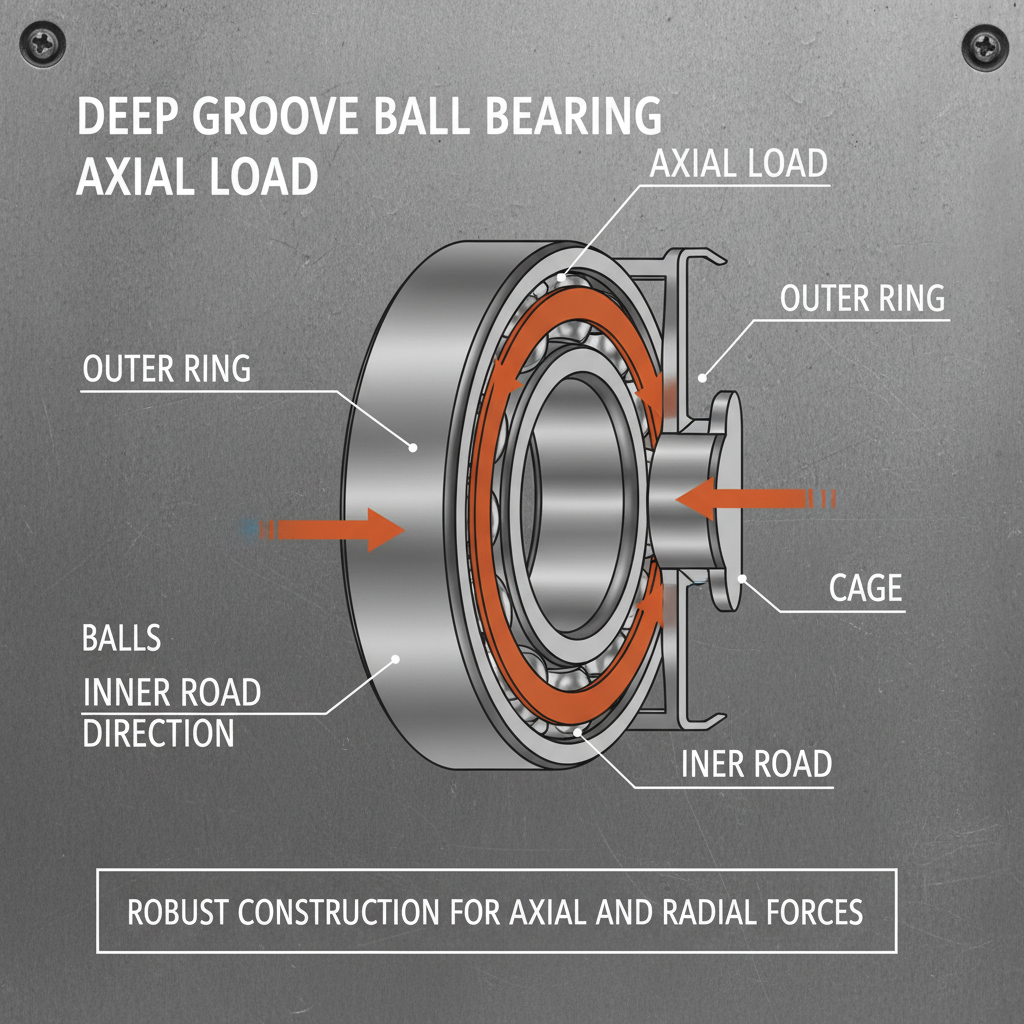
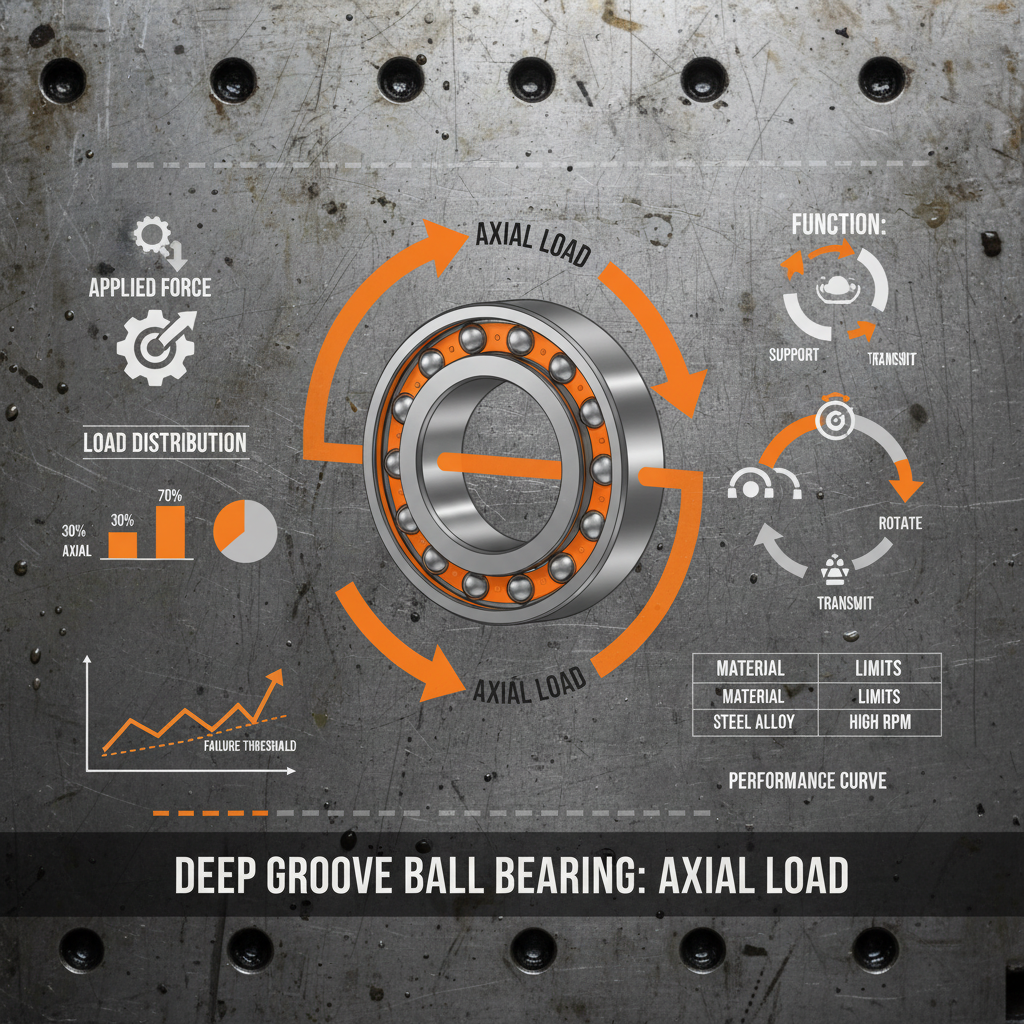
Deep groove ball bearing axial load refers to the amount of force a bearing can withstand parallel to the shaft's axis of rotation. This is a crucial parameter when designing systems where bearings are subjected to not only radial loads (perpendicular to the shaft) but also thrust forces. Improperly managed axial loads can lead to premature bearing failure, reduced machine efficiency, and potentially catastrophic equipment damage.
Understanding the nuances of axial load capacity is particularly vital in applications involving combined radial and axial loading. Bearings are rarely subjected to forces in a single direction; the interplay between radial and axial loads significantly affects bearing performance. Therefore, careful consideration of both load types during selection and installation is paramount for ensuring a long and reliable service life.
The maximum axial load capacity of a standard deep groove ball bearing is relatively limited, typically around 5-10% of its radial load capacity. This varies based on bearing size, material, and internal design. Exceeding this limit significantly shortens bearing life and can lead to premature failure. It's crucial to consult bearing specifications and consider using specialized bearings like angular contact ball bearings or thrust ball bearings for applications with substantial axial loads.
Proper lubrication is critical for maximizing axial load capacity. Lubricant reduces friction between rolling elements and raceways, distributing the axial load more evenly and minimizing wear. Insufficient or contaminated lubrication increases friction, leading to higher temperatures and reduced load-carrying capability. Selecting the correct lubricant viscosity and ensuring adequate lubrication levels are vital for optimal performance.
Signs of excessive axial load include increased bearing temperature, unusual noises (grinding, squealing), and excessive vibration. Visual inspection may reveal signs of raceway damage or lubricant degradation. Monitoring these indicators can help identify potential problems before they lead to catastrophic failure and allow for timely maintenance or replacement.
While deep groove ball bearings can handle some axial load, they are not designed for purely axial applications. Their axial load capacity is limited, and prolonged exposure to significant thrust forces will lead to premature failure. For applications requiring high axial load capacity, thrust ball bearings or tapered roller bearings are far more suitable choices.
Bearing size directly correlates with axial load capacity. Larger bearings have a larger contact area between rolling elements and raceways, allowing them to distribute axial loads more effectively. This increased contact area translates to a higher load-carrying capability. Therefore, when selecting a bearing, consider the anticipated axial loads and choose a size appropriate for the application.
Axial misalignment significantly impacts axial load capacity by introducing uneven load distribution across the bearing’s rolling elements. This leads to increased stress concentration, accelerated wear, and potential premature failure. Proper shaft and housing alignment are essential for maximizing bearing life and ensuring reliable operation under axial load.
Understanding deep groove ball bearing axial load capacity is fundamental to ensuring the reliable operation of countless machines and systems. By carefully considering the factors that influence axial load, employing appropriate mitigation strategies, and selecting the right bearing for the application, engineers and maintenance professionals can significantly extend bearing life, reduce downtime, and improve overall equipment efficiency.
As technology continues to evolve, advancements in materials, lubrication, and smart bearing designs will further enhance axial load capacity and unlock new possibilities for engineering innovation. Prioritizing a thorough understanding of these principles will remain critical for optimizing performance and driving sustainable solutions across a wide range of industries. Visit our website at deep groove ball bearing axial load to learn more about our bearing solutions.

 Afrikaans
 Albanian
 Amharic
 Arabic
 Armenian
 Azerbaijani
 Basque
 Belarusian
 Bengali
 Bosnian
 Bulgarian
 Catalan
 Cebuano
 Corsican
 Croatian
 Czech
Czech
 Danish
 Dutch
Dutch
 Esperanto
 Estonian
 Finnish
 French
 Frisian
 Galician
 Georgian
 German
 Greek
Greek
 Gujarati
 Haitian Creole
 Hausa
Hausa
 Hawaiian
 Hebrew
 Hindi
Hindi
 Miao
Miao
 Hungarian
 Icelandic
 Igbo
Igbo
 Indonesian
 Irish
Irish
 Italian
 Japanese
 Javanese
 Kannada
 Kazakh
 Khmer
Khmer
 Rwandese
 Korean
 Kurdish
 Kyrgyz
 Lao
Lao
 Latin
Latin
 Latvian
 Lithuanian
 Luxembourgish
 Macedonian
 Malgashi
 Malay
Malay
 Malayalam
 Maltese
 Maori
Maori
 Marathi
 Mongolian
 Myanmar
 Nepali
 Norwegian
 Norwegian
 Occitan
 Pashto
 Persian
 Polish
 Portuguese
 Punjabi
 Romanian
 Russian
 Samoan
 Scottish Gaelic
 Serbian
 Sesotho
 Shona
Shona
 Sindhi
 Sinhala
 Slovak
 Slovenian
 Somali
 Spanish
 Sundanese
 Swahili
 Swedish
 Tagalog
 Tajik
Tajik
 Tamil
Tamil
 Tatar
Tatar
 Telugu
 Thai
Thai
 Turkish
 Turkmen
 Ukrainian
 Urdu
Urdu
 Uighur
 Uzbek
Uzbek
 Vietnamese
 Welsh
Welsh
 Bantu
Bantu
 Yiddish
 Yoruba
 Zulu
Zulu
 English