
You know, after running around construction sites all year, dealing with dust, and smelling all sorts of materials, you start to see things a little differently. This whole ball bearing manufacturing machine price thing… it's not just about specs on a datasheet, it’s about what actually works when someone’s trying to get a factory up and running. Honestly, the biggest trend I’ve seen lately is everyone wanting more automation. They’re not just looking for a machine; they want a system. Something that can churn out consistent quality without needing a PhD to operate. It’s a tough ask, believe me.
And the speed! Everyone wants faster, cheaper, and better. It's the holy trinity of manufacturing, right? But trying to push things too fast often leads to compromises. I’ve seen guys try to cut corners on the steel for the frame, thinking it wouldn’t matter. It always matters. The vibrations alone will shake a flimsy frame to pieces. It’s not worth the headache, trust me.
To be honest, a lot of these machines look the same on paper, but the devil’s in the details. It's the little things that make or break a setup. Like, have you noticed how different steels feel? Some are cold and brittle, others have a bit of give. The smell, too, sometimes. A cheap steel smells… off. It’s hard to describe. Anyway, I think those subtle cues are important.
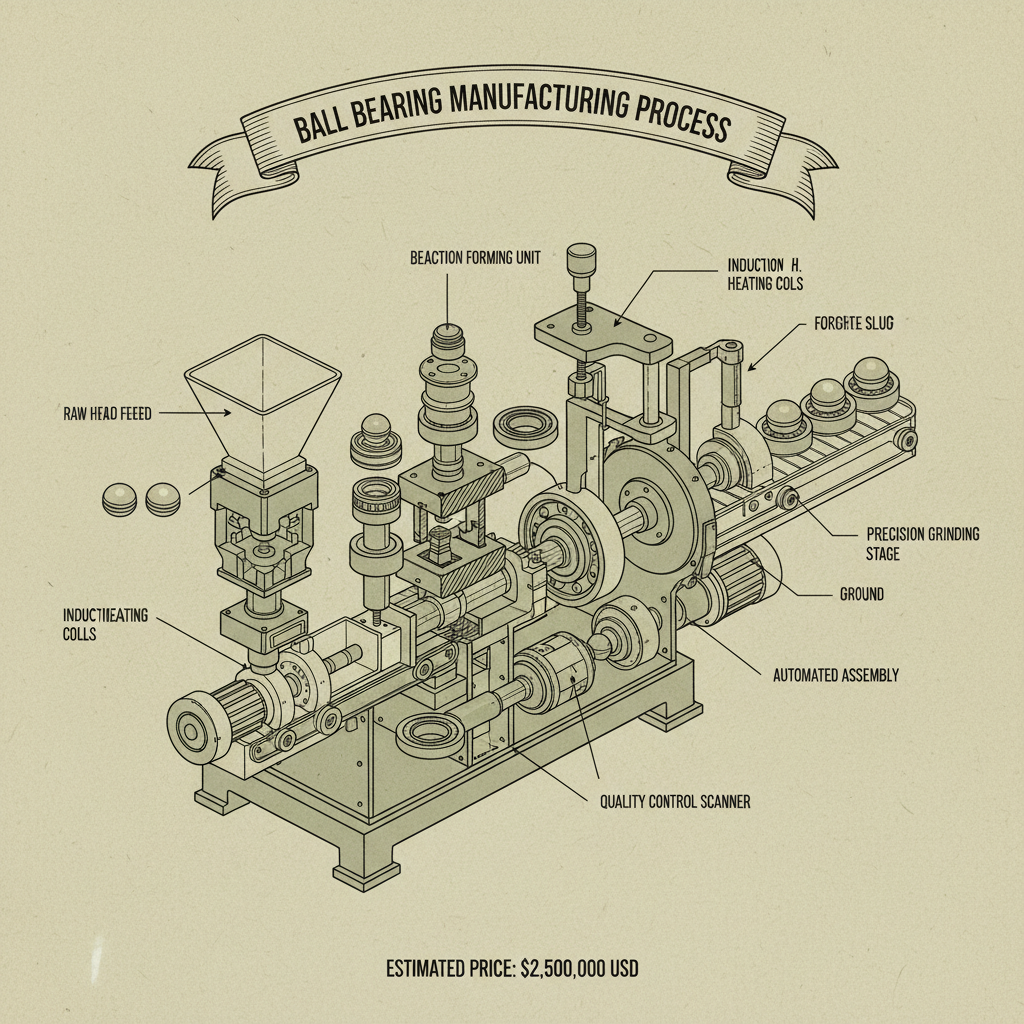
Strangely, the market’s shifted. A few years ago, everyone was chasing the absolute lowest price. Now, they’re realizing that cheap often means unreliable. They're starting to understand the true cost of downtime and scrapped parts. The demand for high-precision, durable machines, even if they cost a bit more upfront, is definitely climbing. This means the ball bearing manufacturing machine price has a wider range now, reflecting that need for quality.
I encountered this at a factory in Zhejiang province last time. They’d bought a super-cheap machine online, and it broke down within a week. They were losing money hand over fist. Ended up spending more in repairs and lost production than if they’d just bought a decent machine to begin with. It’s a lesson, I guess.
Honestly, it depends. A simple customization, like adding a few sensors, might take a few weeks. But a major overhaul, like changing the alloy compatibility, could take several months. It all depends on the complexity of the work and the availability of materials. Usually, it’s somewhere in the 6-12 week range, but you've got to factor in potential supply chain delays these days.
These aren’t “set it and forget it” machines, that's for sure. You're looking at daily lubrication, regular checks of the bearings and belts, and periodic replacement of worn parts. A good operator will be on top of this stuff. We usually recommend preventative maintenance schedules to avoid major breakdowns. Don't skimp on maintenance, or you’ll regret it.
You need someone who’s mechanically inclined, at the very least. They need to understand the basics of bearings, lubrication, and machine operation. We provide training, of course, but it helps if the operator has some prior experience. It’s not rocket science, but it’s not something you can just pick up on the fly either.
Good question. They should have emergency stop buttons, safety guards over moving parts, and proper electrical grounding. We also often include features like light curtains and interlocks to prevent accidental operation. Safety is paramount, always. Don’t ever compromise on safety. Never.
If you take care of it, a good machine can last for 15-20 years, easy. We’ve seen some that are even older and still going strong. The key is regular maintenance, using quality parts, and not pushing it beyond its limits. Treat it right, and it’ll treat you right.
Absolutely. Most manufacturers offer options for integrating with automated inspection systems, like vision systems and laser micrometers. This allows you to monitor the quality of the bearings in real-time and identify any defects before they become a problem. It's a good investment if you’re serious about quality control.
So, what’s the takeaway? Ball bearing manufacturing machine price isn't just about the upfront cost; it's about long-term reliability, efficiency, and customization. You need a machine that's built to last, easy to maintain, and adaptable to your specific needs. It’s about finding the right balance between price and performance.
Ultimately, whether this thing works or not, the worker will know the moment he tightens the screw. And that’s the most important test of all. If you’re looking for a reliable machine, I suggest you do your research, talk to experienced operators, and don’t be afraid to ask questions. And if you’d like to learn more, visit our website at www.arybearing.com.
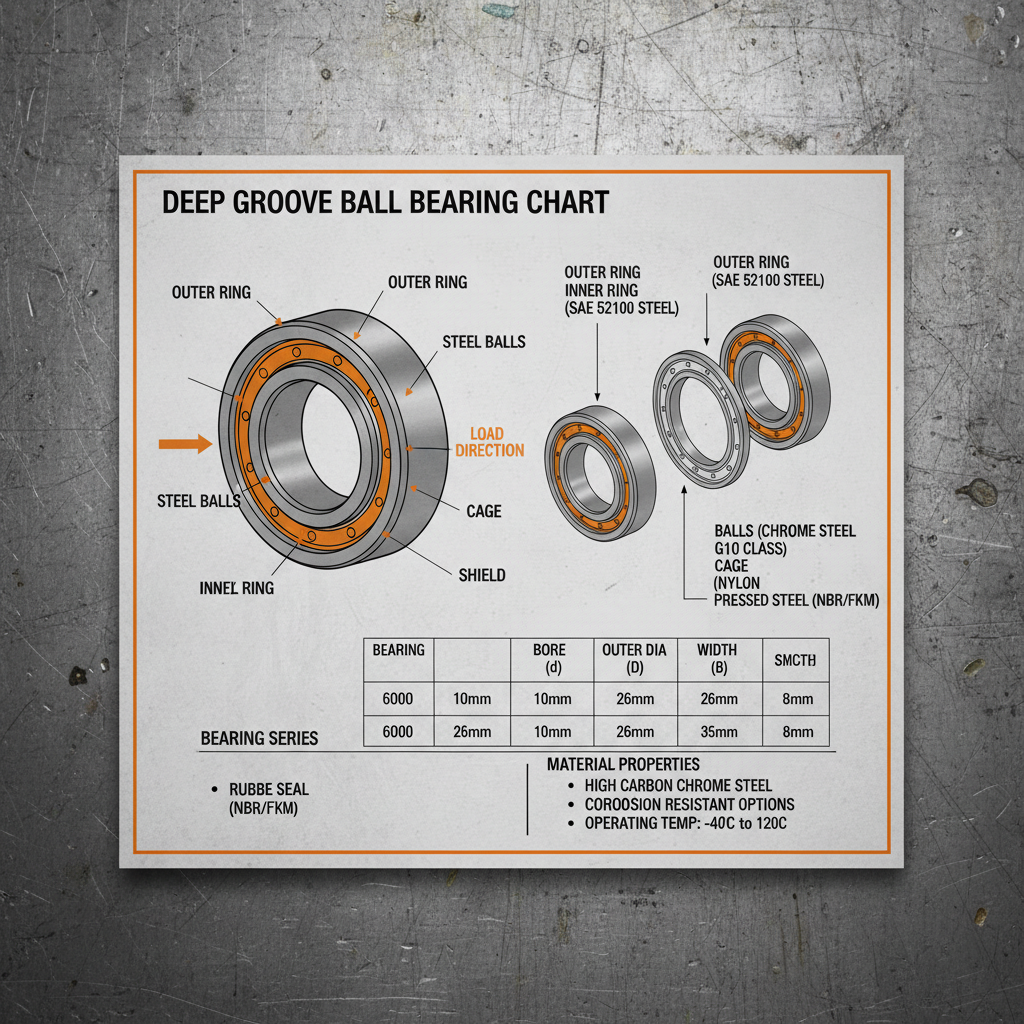
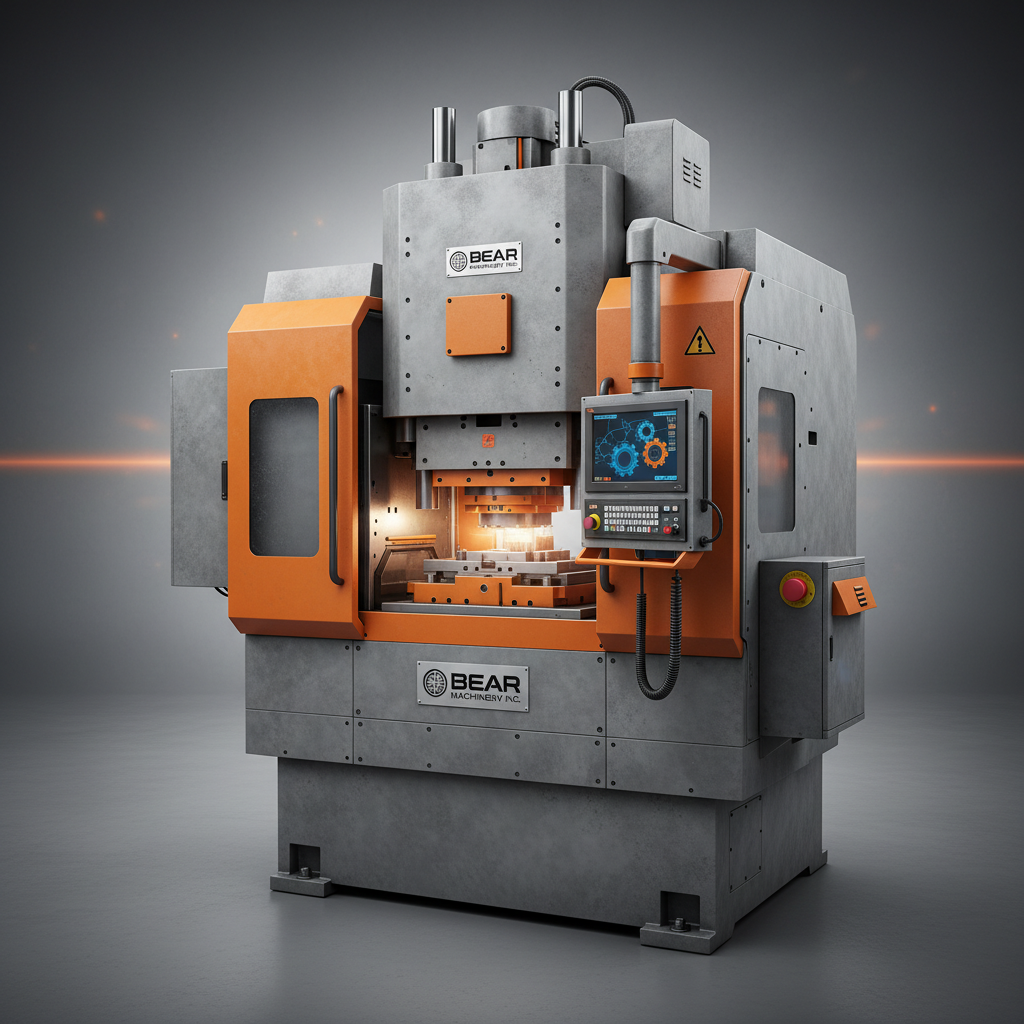

 Afrikaans
 Albanian
 Amharic
 Arabic
 Armenian
 Azerbaijani
 Basque
 Belarusian
 Bengali
 Bosnian
 Bulgarian
 Catalan
 Cebuano
 Corsican
 Croatian
 Czech
Czech
 Danish
 Dutch
Dutch
 Esperanto
 Estonian
 Finnish
 French
 Frisian
 Galician
 Georgian
 German
 Greek
Greek
 Gujarati
 Haitian Creole
 Hausa
Hausa
 Hawaiian
 Hebrew
 Hindi
Hindi
 Miao
Miao
 Hungarian
 Icelandic
 Igbo
Igbo
 Indonesian
 Irish
Irish
 Italian
 Japanese
 Javanese
 Kannada
 Kazakh
 Khmer
Khmer
 Rwandese
 Korean
 Kurdish
 Kyrgyz
 Lao
Lao
 Latin
Latin
 Latvian
 Lithuanian
 Luxembourgish
 Macedonian
 Malgashi
 Malay
Malay
 Malayalam
 Maltese
 Maori
Maori
 Marathi
 Mongolian
 Myanmar
 Nepali
 Norwegian
 Norwegian
 Occitan
 Pashto
 Persian
 Polish
 Portuguese
 Punjabi
 Romanian
 Russian
 Samoan
 Scottish Gaelic
 Serbian
 Sesotho
 Shona
Shona
 Sindhi
 Sinhala
 Slovak
 Slovenian
 Somali
 Spanish
 Sundanese
 Swahili
 Swedish
 Tagalog
 Tajik
Tajik
 Tamil
Tamil
 Tatar
Tatar
 Telugu
 Thai
Thai
 Turkish
 Turkmen
 Ukrainian
 Urdu
Urdu
 Uighur
 Uzbek
Uzbek
 Vietnamese
 Welsh
Welsh
 Bantu
Bantu
 Yiddish
 Yoruba
 Zulu
Zulu
 English