
You know, after running around construction sites all year, getting dust in my teeth and smelling the reek of welding, you start to see what really matters. Lately, everyone’s talking about automation, right? Making these ball bearing manufacturing machines smarter, more efficient. Honestly, I'm a little skeptical. Fancy algorithms are great, but if the thing can't handle a little grime, it's useless.
We’re seeing a huge push for these high-precision machines, everyone wants tighter tolerances. Which sounds great on paper. But have you noticed, the tighter you squeeze, the more things can go wrong? It’s a delicate balance. And a lot of designers forget that. They get lost in the specs and forget this stuff has to work in the real world, not just a lab.
The biggest challenge right now, and I encountered this just last week at a factory in Hangzhou, is finding materials that can take a beating and still deliver.
To be honest, the demand is through the roof. Everyone’s looking for higher speeds, lower friction, longer life. It’s a race to the top. And that drives innovation in ball bearing manufacturing machines. But it also adds complexity. It's not just about making something small and precise anymore. It’s about making something small, precise, and reliable under serious stress.
Strangely, the biggest jump in demand isn’t from the big automotive guys, it's from the robotics sector. Those little guys need bearings that can handle insane acceleration and deceleration cycles. And they need them cheap. That’s a tough ask.
Honestly? They focus too much on the price and not enough on the application. A cheap bearing might save you money upfront, but if it fails prematurely, you'll end up paying more in the long run. You gotta think about the total cost of ownership, including downtime and replacement costs. It's not just about the initial price tag.
Crucial. Absolutely crucial. It’s the lifeblood of the bearing. Wrong lubricant, or not enough of it, and you're asking for trouble. It causes friction, wear, and eventually, catastrophic failure. We spend a lot of time advising customers on the right lubricant for their specific application. Don’t skimp on this.
It depends. Minor damage, like a little bit of corrosion, can sometimes be addressed with cleaning and relubrication. But if the bearing is significantly damaged – cracked races, pitted balls – it’s almost always better to replace it. Trying to repair a seriously damaged bearing is usually a waste of time and money, and it can be dangerous.
They’re great for specific applications, like high-speed or high-temperature environments. They’re lighter and more resistant to corrosion than steel bearings. But they're also more brittle and expensive. They're not a drop-in replacement for steel bearings, and they're not always necessary. You really need to understand the benefits and drawbacks before investing.
Vibration analysis is your best friend. A good vibration analyzer can detect even subtle changes in bearing performance, indicating things like wear, misalignment, or imbalance. Also, listening. A failing bearing often makes a distinctive grinding or rumbling noise. Old school, but effective.
I think we’ll see more integration of sensors and data analytics. Smart bearings that can monitor their own condition and predict when they’ll need to be replaced. Also, more advanced materials and coatings that can withstand even harsher environments. And definitely, more automation in the manufacturing process, even though I’m skeptical about it!
So, yeah, ball bearing manufacturing machines might seem like a simple thing, but there's a lot going on under the hood. It’s about materials, precision, testing, and understanding the application. It's not about chasing the latest buzzwords or cutting corners on cost.
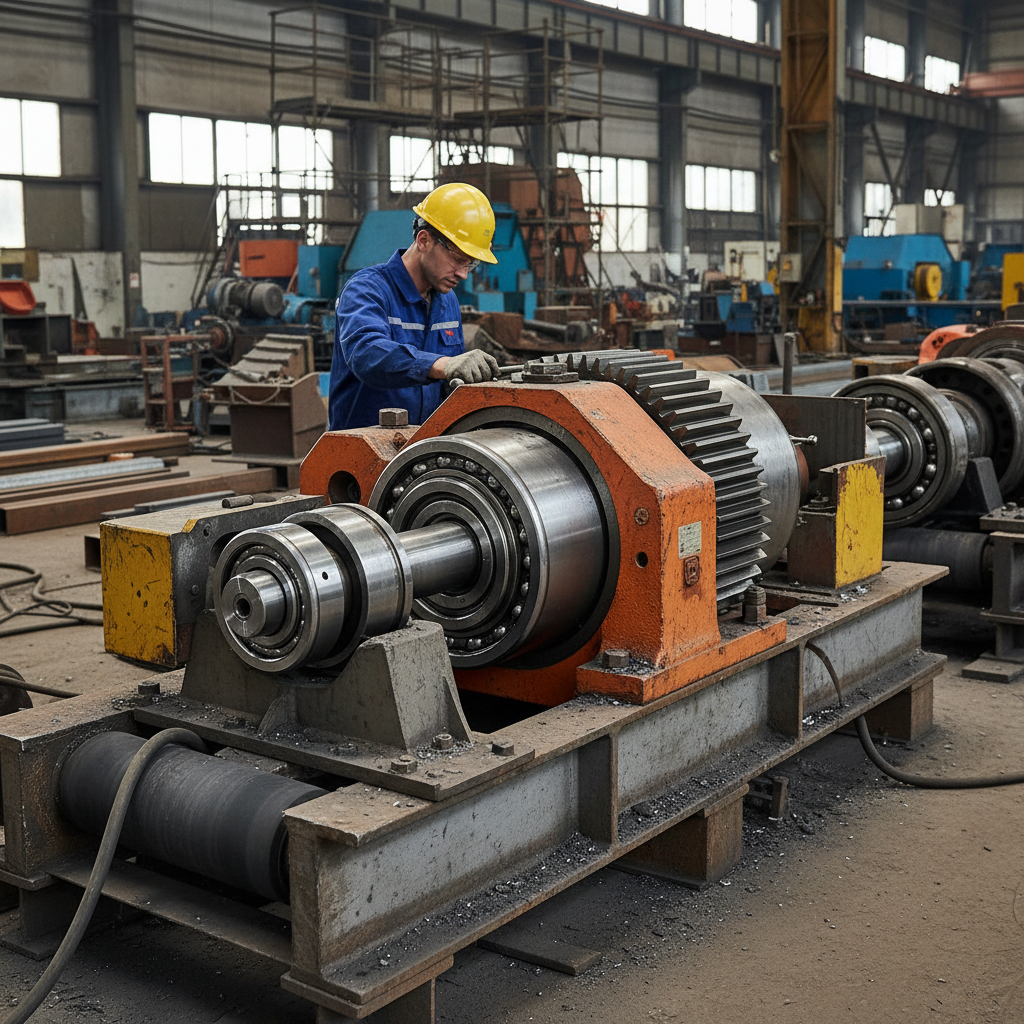
Ultimately, whether this thing works or not, the worker will know the moment he tightens the screw. And if he has to tighten it again a week later, you've got a problem. Visit our website: www.arybearing.com

 Afrikaans
 Albanian
 Amharic
 Arabic
 Armenian
 Azerbaijani
 Basque
 Belarusian
 Bengali
 Bosnian
 Bulgarian
 Catalan
 Cebuano
 Corsican
 Croatian
 Czech
Czech
 Danish
 Dutch
Dutch
 Esperanto
 Estonian
 Finnish
 French
 Frisian
 Galician
 Georgian
 German
 Greek
Greek
 Gujarati
 Haitian Creole
 Hausa
Hausa
 Hawaiian
 Hebrew
 Hindi
Hindi
 Miao
Miao
 Hungarian
 Icelandic
 Igbo
Igbo
 Indonesian
 Irish
Irish
 Italian
 Japanese
 Javanese
 Kannada
 Kazakh
 Khmer
Khmer
 Rwandese
 Korean
 Kurdish
 Kyrgyz
 Lao
Lao
 Latin
Latin
 Latvian
 Lithuanian
 Luxembourgish
 Macedonian
 Malgashi
 Malay
Malay
 Malayalam
 Maltese
 Maori
Maori
 Marathi
 Mongolian
 Myanmar
 Nepali
 Norwegian
 Norwegian
 Occitan
 Pashto
 Persian
 Polish
 Portuguese
 Punjabi
 Romanian
 Russian
 Samoan
 Scottish Gaelic
 Serbian
 Sesotho
 Shona
Shona
 Sindhi
 Sinhala
 Slovak
 Slovenian
 Somali
 Spanish
 Sundanese
 Swahili
 Swedish
 Tagalog
 Tajik
Tajik
 Tamil
Tamil
 Tatar
Tatar
 Telugu
 Thai
Thai
 Turkish
 Turkmen
 Ukrainian
 Urdu
Urdu
 Uighur
 Uzbek
Uzbek
 Vietnamese
 Welsh
Welsh
 Bantu
Bantu
 Yiddish
 Yoruba
 Zulu
Zulu
 English