Super precision bearings are critical components in a vast array of modern industries, enabling high-speed, high-accuracy performance. Their importance stems from a growing demand for precision in manufacturing, aerospace, medical equipment, and robotics. Understanding the nuances of these bearings is vital for engineers, designers, and maintenance personnel aiming to optimize performance and extend the lifespan of critical machinery. They represent a significant advancement in bearing technology, offering capabilities far beyond standard ball or roller bearings.
The global market for super precision bearings is experiencing substantial growth, driven by advancements in automation, the miniaturization of devices, and the increasing sophistication of manufacturing processes. According to industry reports, the market is projected to reach multi-billion dollar valuations in the coming years. This growth necessitates a deep understanding of the different types, applications, and maintenance requirements of these specialized bearings to effectively address emerging challenges and opportunities.
The increasing need for automation across industries like automotive and aerospace requires bearings that can consistently deliver high precision and reliability, making super precision bearing integral to the future of advanced manufacturing.
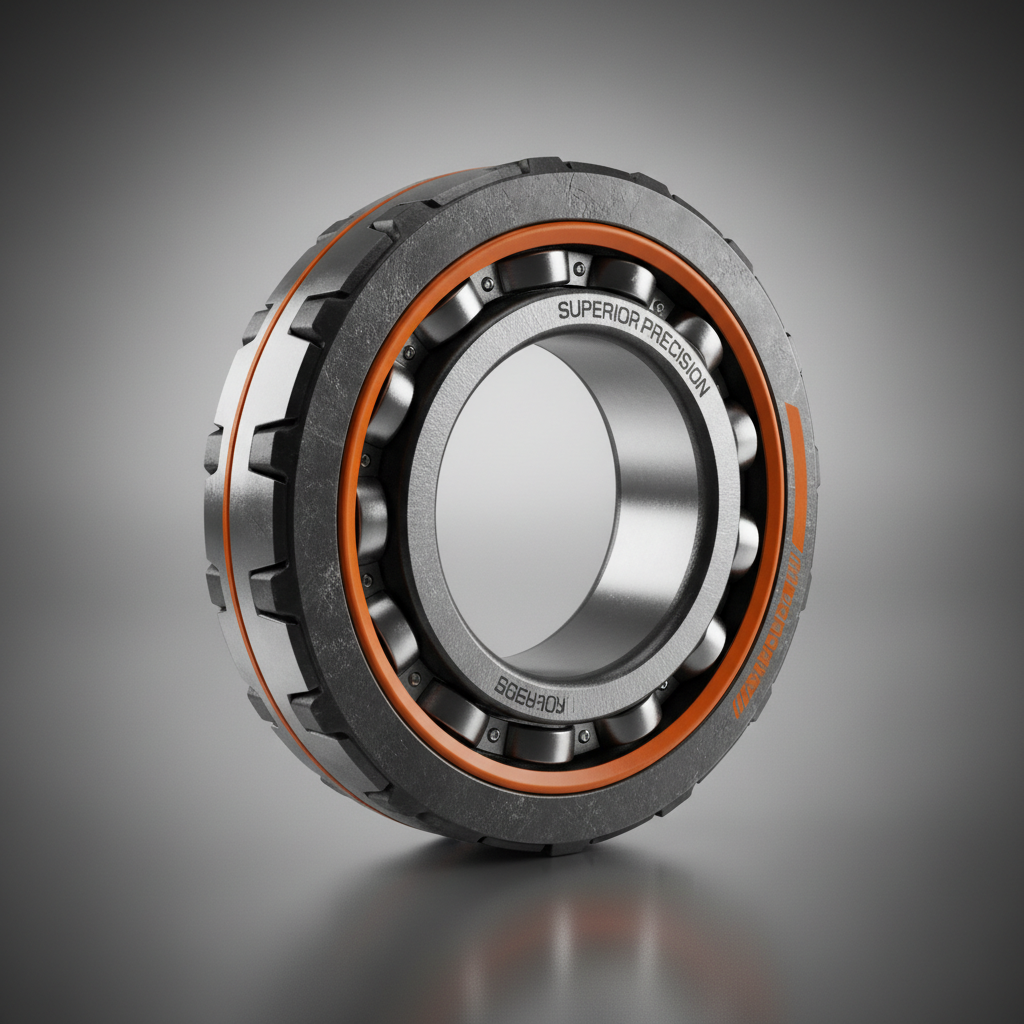
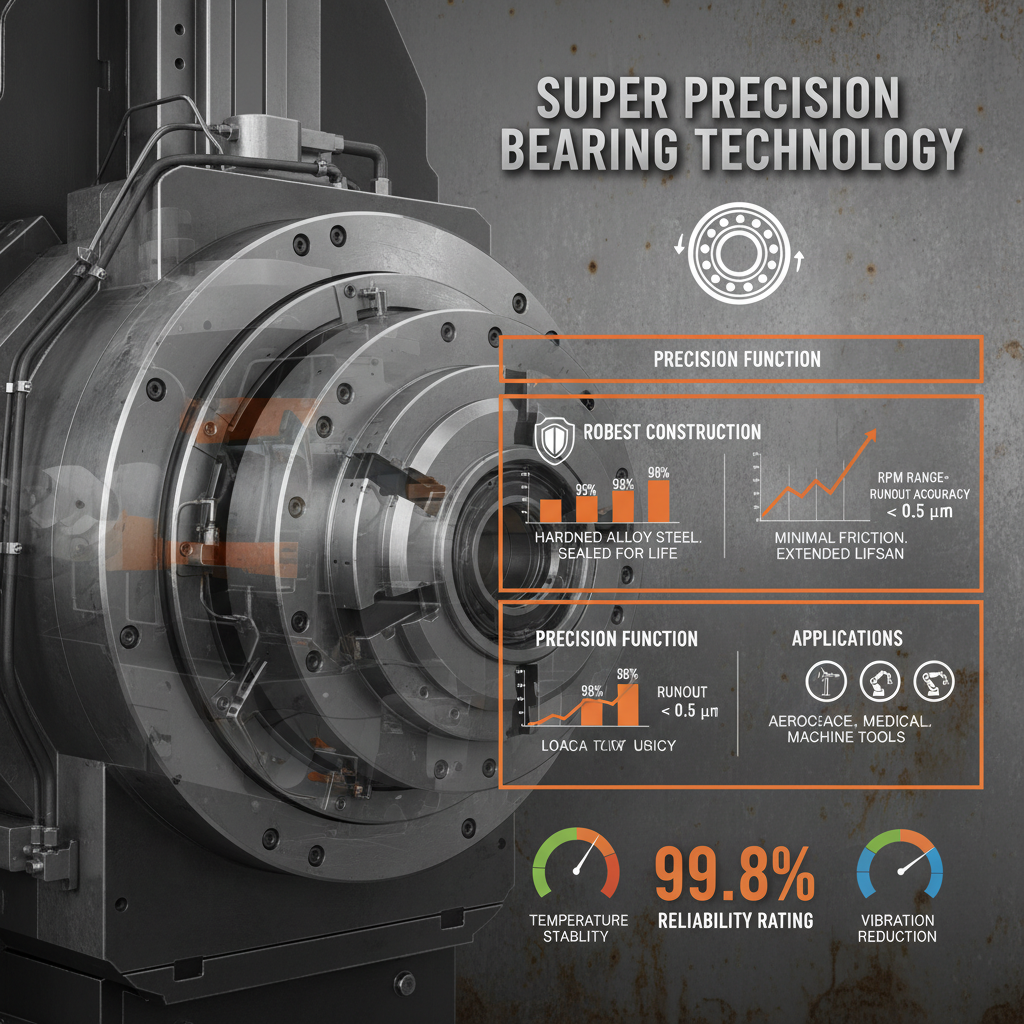
The foundation of super precision bearing lies in exceptionally tight tolerances and superior surface finishes. These factors significantly reduce friction and vibration, leading to improved accuracy and repeatability. This level of precision is achieved through advanced manufacturing techniques and the use of high-quality materials, ensuring consistent performance even under demanding conditions.
Understanding the underlying principles of bearing design—including load capacity, speed limits, and lubrication requirements—is critical for selecting the appropriate bearing for a specific application. Super precision bearings often utilize specialized geometries and materials to optimize these characteristics and deliver superior performance compared to conventional bearings.
Super precision bearings are manufactured to significantly tighter tolerances than standard bearings. This translates to reduced runout, lower noise levels, and higher rotational accuracy. They also utilize higher-grade materials and undergo more rigorous quality control, resulting in superior performance and longevity. Standard bearings are generally designed for high load capacity, while super precision bearings prioritize precision and speed.
Applications demanding high speed, accuracy, and reliability benefit most. These include aerospace components (turbines, gyroscopes), medical devices (surgical robots, dental drills), machine tool spindles, precision instruments, and robotics. They’re crucial in any system where even small deviations can compromise performance or safety.
Consider factors like load capacity, speed requirements, operating temperature, and lubrication. Consult bearing catalogs and datasheets to compare specifications. It’s also helpful to consider the operating environment and potential contaminants. For complex applications, consulting with a bearing specialist is recommended.
Lifespan varies greatly depending on operating conditions. However, with proper lubrication and maintenance, super precision bearings can last significantly longer than standard bearings. Life expectancy is often expressed in terms of L10 life, which represents the number of revolutions 90% of the bearings can be expected to achieve before failure.
Lubrication is critical. It reduces friction, dissipates heat, and protects bearing surfaces from wear. Selecting the appropriate lubricant, and ensuring proper application, is vital for maximizing bearing life and performance. Grease or oil lubrication are common, and the choice depends on speed, temperature, and load.
Yes, super precision bearings are generally more expensive due to the higher precision manufacturing processes, stricter quality control, and use of premium materials. However, the long-term benefits – increased reliability, reduced downtime, and improved performance – often outweigh the initial cost, resulting in a lower total cost of ownership.
In conclusion, super precision bearing represent a critical advancement in bearing technology, enabling a wide range of applications across diverse industries. Their superior accuracy, reliability, and durability make them essential components in systems demanding high performance and precision. Understanding their core principles, applications, and future trends is crucial for engineers and manufacturers looking to optimize their designs and achieve operational excellence.
The continued innovation in materials, manufacturing techniques, and sensor technology promises to further enhance the capabilities of super precision bearings, driving advancements in automation, robotics, and other cutting-edge fields. To learn more about our range of high-performance bearings and how they can benefit your application, visit our website: www.arybearing.com

 Afrikaans
 Albanian
 Amharic
 Arabic
 Armenian
 Azerbaijani
 Basque
 Belarusian
 Bengali
 Bosnian
 Bulgarian
 Catalan
 Cebuano
 Corsican
 Croatian
 Czech
Czech
 Danish
 Dutch
Dutch
 Esperanto
 Estonian
 Finnish
 French
 Frisian
 Galician
 Georgian
 German
 Greek
Greek
 Gujarati
 Haitian Creole
 Hausa
Hausa
 Hawaiian
 Hebrew
 Hindi
Hindi
 Miao
Miao
 Hungarian
 Icelandic
 Igbo
Igbo
 Indonesian
 Irish
Irish
 Italian
 Japanese
 Javanese
 Kannada
 Kazakh
 Khmer
Khmer
 Rwandese
 Korean
 Kurdish
 Kyrgyz
 Lao
Lao
 Latin
Latin
 Latvian
 Lithuanian
 Luxembourgish
 Macedonian
 Malgashi
 Malay
Malay
 Malayalam
 Maltese
 Maori
Maori
 Marathi
 Mongolian
 Myanmar
 Nepali
 Norwegian
 Norwegian
 Occitan
 Pashto
 Persian
 Polish
 Portuguese
 Punjabi
 Romanian
 Russian
 Samoan
 Scottish Gaelic
 Serbian
 Sesotho
 Shona
Shona
 Sindhi
 Sinhala
 Slovak
 Slovenian
 Somali
 Spanish
 Sundanese
 Swahili
 Swedish
 Tagalog
 Tajik
Tajik
 Tamil
Tamil
 Tatar
Tatar
 Telugu
 Thai
Thai
 Turkish
 Turkmen
 Ukrainian
 Urdu
Urdu
 Uighur
 Uzbek
Uzbek
 Vietnamese
 Welsh
Welsh
 Bantu
Bantu
 Yiddish
 Yoruba
 Zulu
Zulu
 English