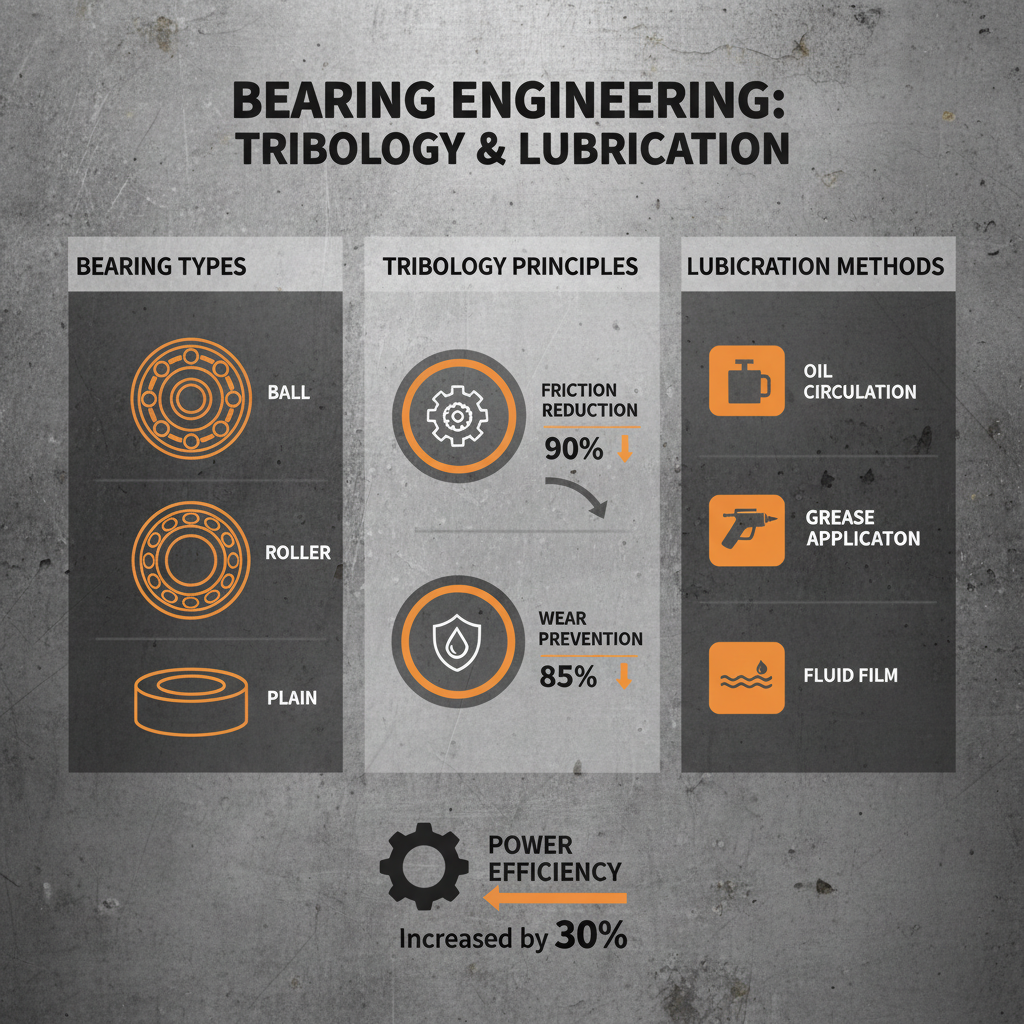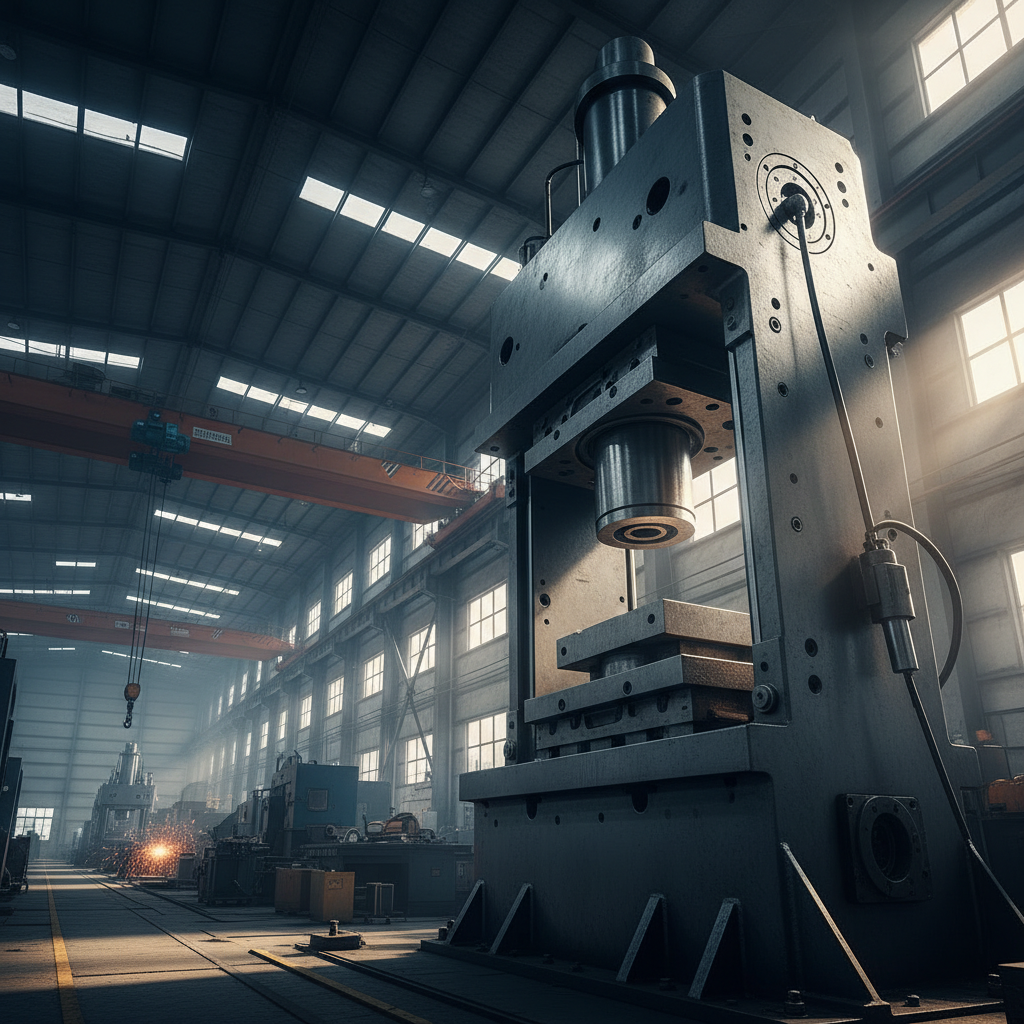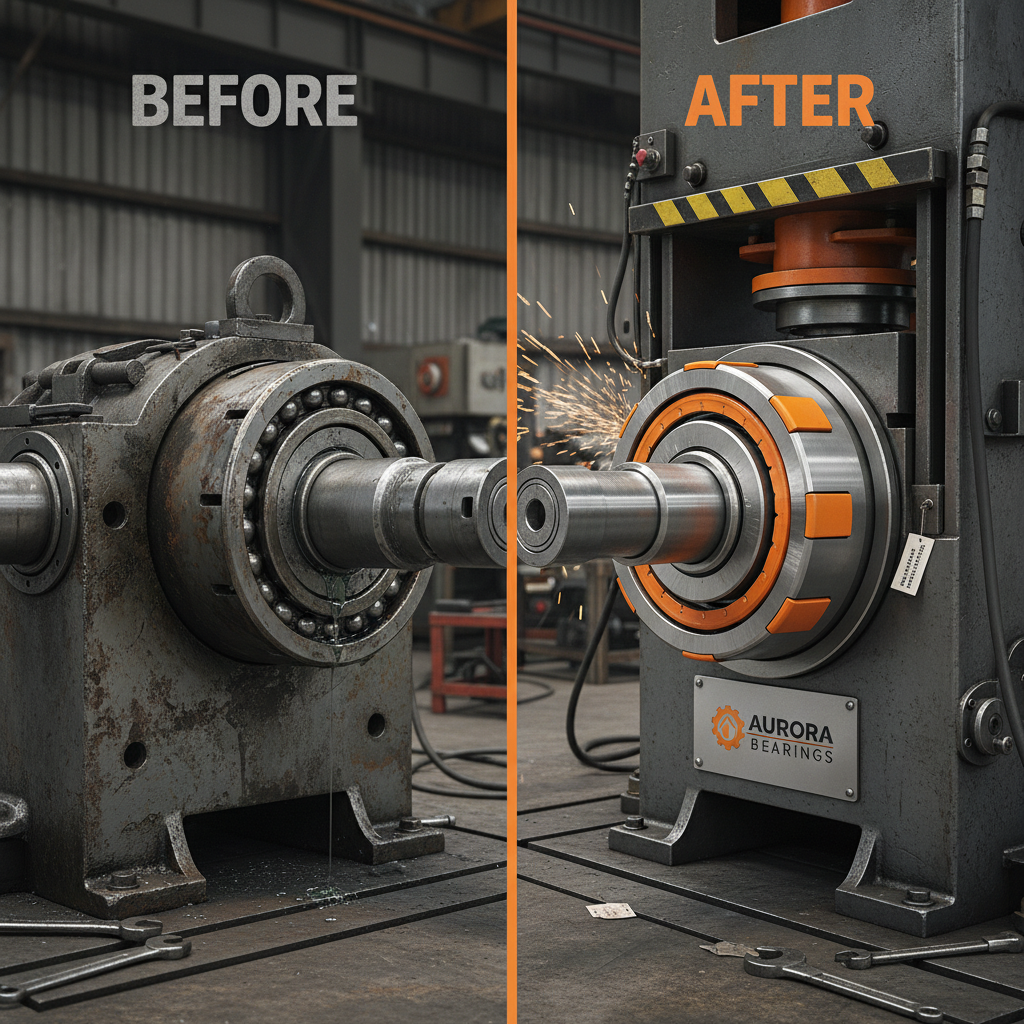
Precision machine tool bearings are fundamental components in a vast array of manufacturing processes, enabling the high speeds, accuracy, and reliability demanded by modern industry. These aren't your standard bearings; they are engineered to withstand extreme conditions and deliver consistent performance, playing a critical role in everything from aerospace components to automotive engines. Understanding the nuances of these bearings is essential for optimizing machine performance and minimizing downtime.
Globally, the demand for precision machine tool bearings is steadily increasing, driven by growth in sectors like automation, robotics, and electric vehicle manufacturing. According to a report by Market Research Future, the global bearing market is projected to reach USD 118.58 billion by 2030, with a significant portion attributed to high-precision applications. This growth underscores the crucial role bearings play in supporting economic development and technological advancement worldwide.
The challenge lies in the increasing complexity of these bearings and the need for continuous innovation to meet evolving industry demands. Manufacturers must balance cost-effectiveness with the stringent performance requirements of modern machine tools, ensuring both operational efficiency and product quality. Efficient maintenance and proper bearing selection are critical to avoiding costly repairs and maximizing machine lifespan.
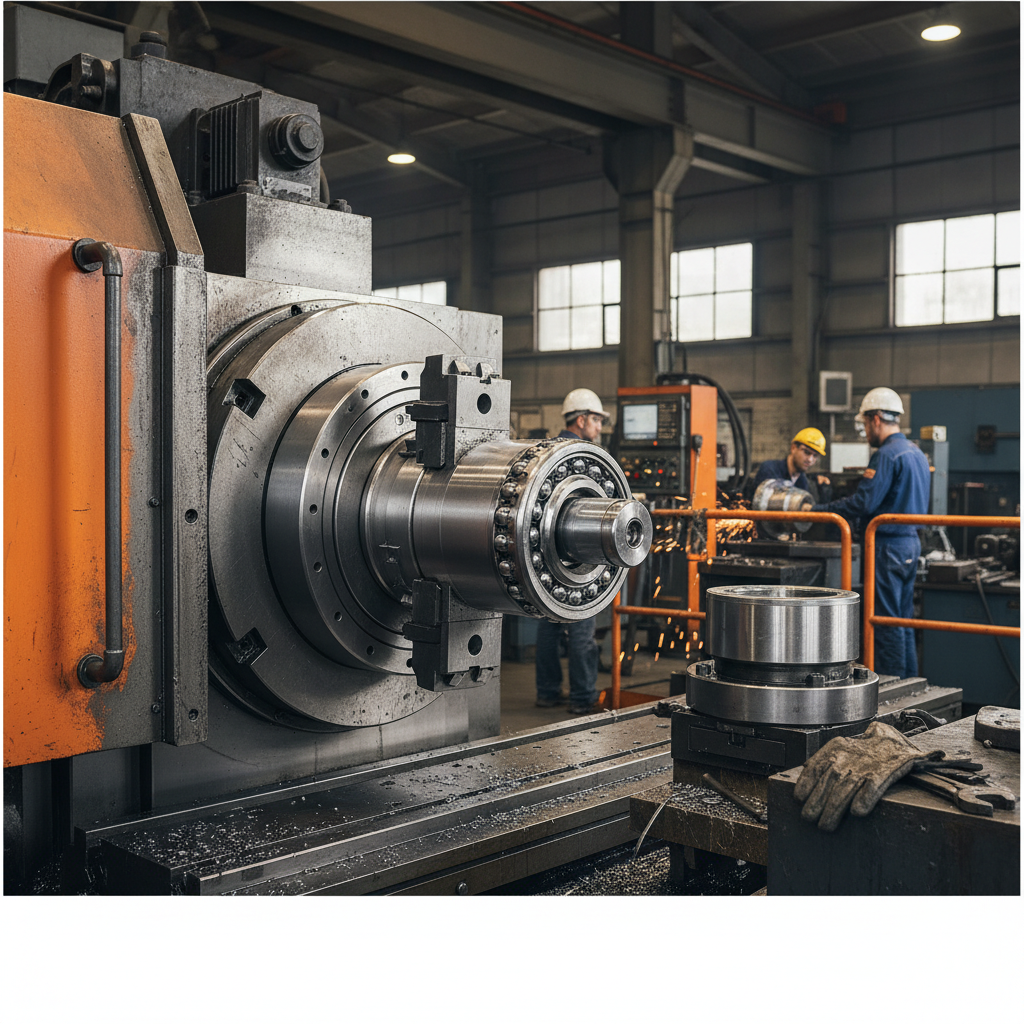
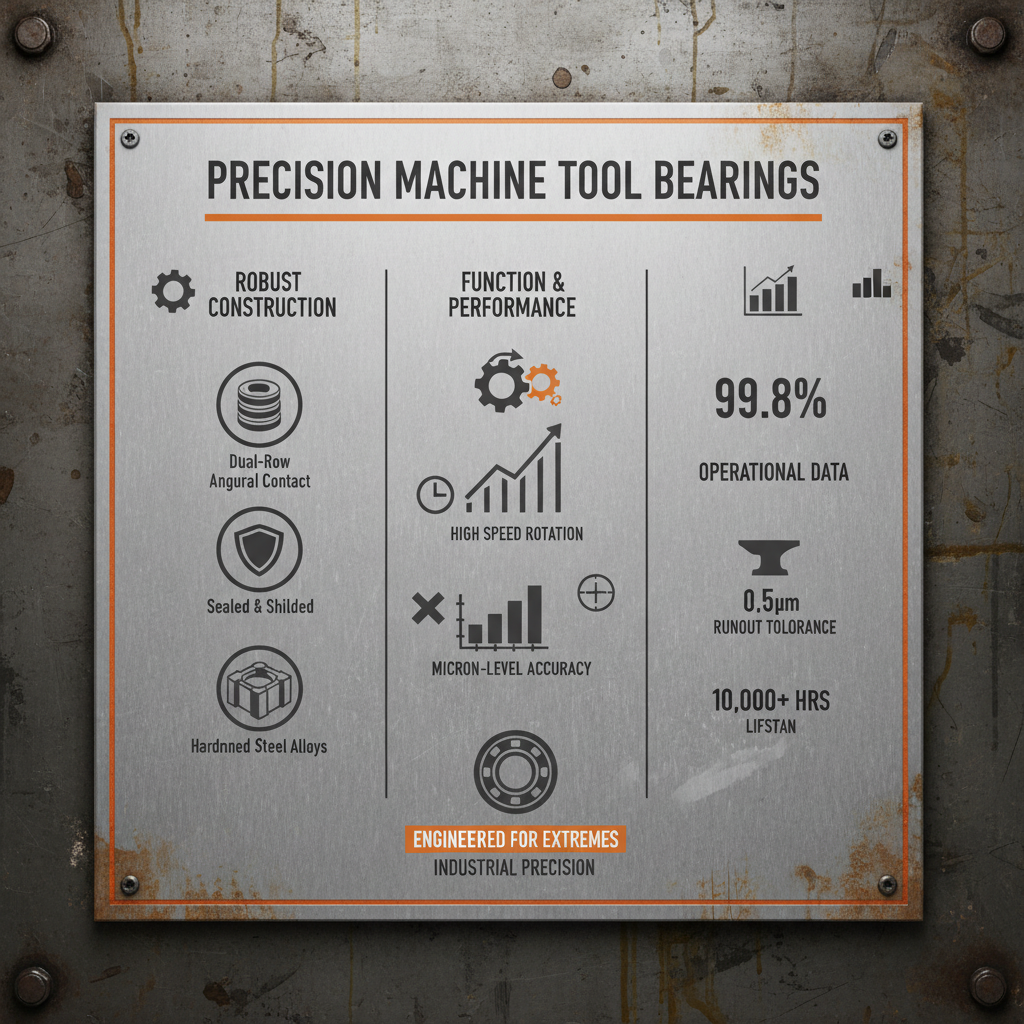
Precision machine tool bearings are specialized bearing types designed to handle the demanding requirements of high-speed, high-accuracy machine tools. They differ significantly from general-purpose bearings in their manufacturing tolerances, materials, and internal geometry, contributing to exceptional rigidity, runout control, and load-carrying capacity. precision machine tool bearings are a cornerstone of advanced manufacturing.
These bearings are critical in maintaining the integrity of the machining process, enabling manufacturers to produce parts with incredibly tight tolerances and superior surface finishes. Improperly specified or maintained bearings can lead to vibrations, inaccuracies, and premature tool wear, resulting in costly rework and production delays.
Precision machine tool bearings are manufactured to significantly tighter tolerances and use higher-quality materials than standard bearings. This results in lower runout, increased rigidity, and improved load-carrying capacity, essential for high-speed, high-accuracy machining operations. Standard bearings prioritize cost-effectiveness, while precision bearings prioritize performance and accuracy.
The lifespan of precision bearings depends heavily on operating conditions and maintenance practices. Regular lubrication, proper alignment, and monitoring for signs of wear (noise, vibration, temperature increase) are crucial. Generally, proactive replacement based on condition monitoring rather than a fixed schedule is recommended to avoid unexpected failures.
Preloading applies a controlled axial force to the bearing, eliminating internal clearances and increasing rigidity. This minimizes vibration, improves positioning accuracy, and enhances load-carrying capacity. Proper preloading is vital for achieving optimal performance in high-speed, high-precision applications.
The optimal lubricant depends on the bearing type, operating speed, and temperature. Synthetic oils and greases with low viscosity and excellent thermal stability are generally preferred. They provide superior lubrication, reduce friction, and help dissipate heat, extending bearing life. Always consult the bearing manufacturer’s recommendations.
Ceramic bearings offer several advantages, including higher speed capabilities, lower density, and superior corrosion resistance. However, they are typically more expensive than steel bearings and can be more brittle. They are often used in applications requiring high speeds, extreme temperatures, or non-magnetic properties.
Proper storage is crucial to prevent corrosion and damage. Bearings should be stored in a clean, dry environment, protected from dust and moisture. If the bearings are not pre-lubricated, apply a light coat of protective oil before storage. Avoid storing bearings in areas with strong magnetic fields.
Precision machine tool bearings are indispensable components in modern manufacturing, enabling the high accuracy, speed, and reliability demanded by a wide range of industries. Understanding their characteristics, applications, and future trends is crucial for optimizing machine performance, reducing downtime, and maintaining a competitive edge. Investing in quality bearings and implementing proper maintenance practices are essential for long-term success.
Looking ahead, continued innovation in materials, lubrication, and sensor technology will drive further advancements in precision bearing design. Embracing these advancements will unlock new levels of performance and efficiency, shaping the future of manufacturing and automation. For premium quality precision machine tool bearings and expert support, visit our website today.

 Afrikaans
 Albanian
 Amharic
 Arabic
 Armenian
 Azerbaijani
 Basque
 Belarusian
 Bengali
 Bosnian
 Bulgarian
 Catalan
 Cebuano
 Corsican
 Croatian
 Czech
Czech
 Danish
 Dutch
Dutch
 Esperanto
 Estonian
 Finnish
 French
 Frisian
 Galician
 Georgian
 German
 Greek
Greek
 Gujarati
 Haitian Creole
 Hausa
Hausa
 Hawaiian
 Hebrew
 Hindi
Hindi
 Miao
Miao
 Hungarian
 Icelandic
 Igbo
Igbo
 Indonesian
 Irish
Irish
 Italian
 Japanese
 Javanese
 Kannada
 Kazakh
 Khmer
Khmer
 Rwandese
 Korean
 Kurdish
 Kyrgyz
 Lao
Lao
 Latin
Latin
 Latvian
 Lithuanian
 Luxembourgish
 Macedonian
 Malgashi
 Malay
Malay
 Malayalam
 Maltese
 Maori
Maori
 Marathi
 Mongolian
 Myanmar
 Nepali
 Norwegian
 Norwegian
 Occitan
 Pashto
 Persian
 Polish
 Portuguese
 Punjabi
 Romanian
 Russian
 Samoan
 Scottish Gaelic
 Serbian
 Sesotho
 Shona
Shona
 Sindhi
 Sinhala
 Slovak
 Slovenian
 Somali
 Spanish
 Sundanese
 Swahili
 Swedish
 Tagalog
 Tajik
Tajik
 Tamil
Tamil
 Tatar
Tatar
 Telugu
 Thai
Thai
 Turkish
 Turkmen
 Ukrainian
 Urdu
Urdu
 Uighur
 Uzbek
Uzbek
 Vietnamese
 Welsh
Welsh
 Bantu
Bantu
 Yiddish
 Yoruba
 Zulu
Zulu
 English