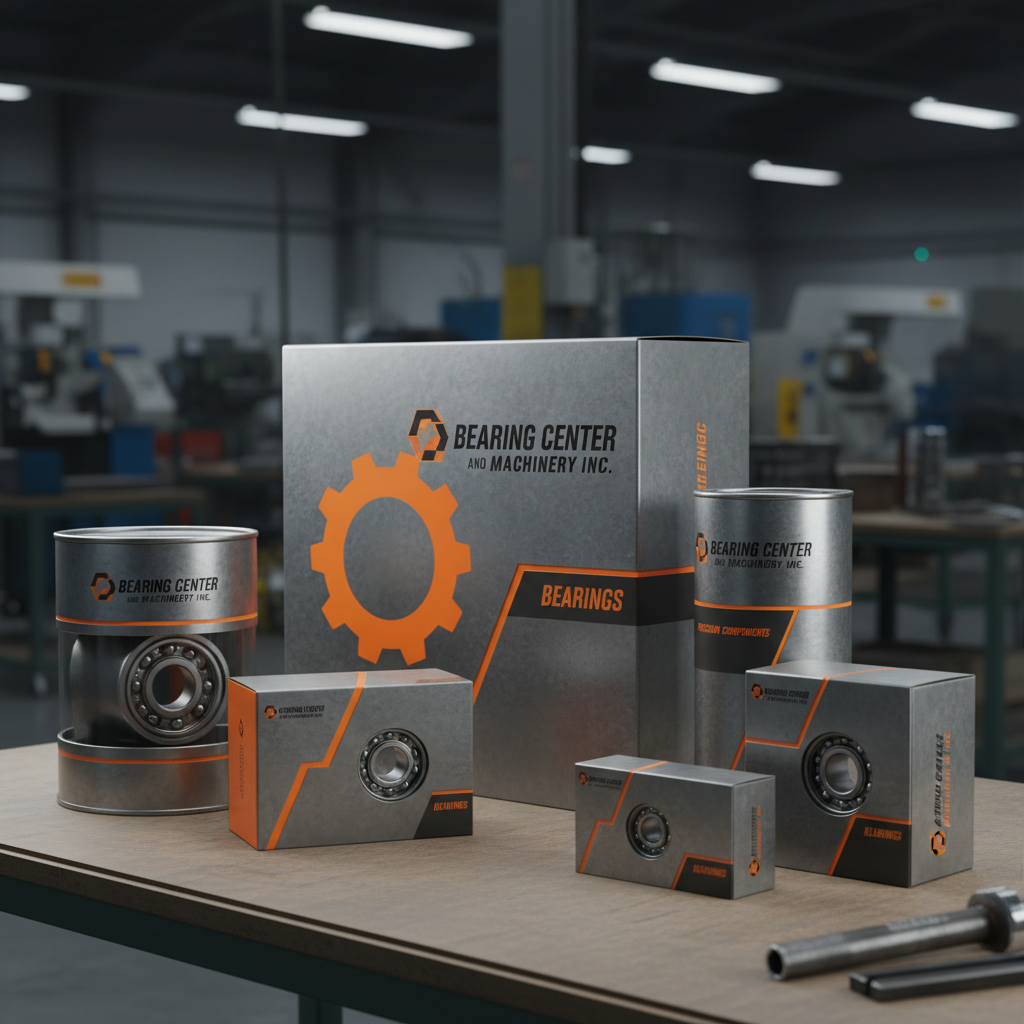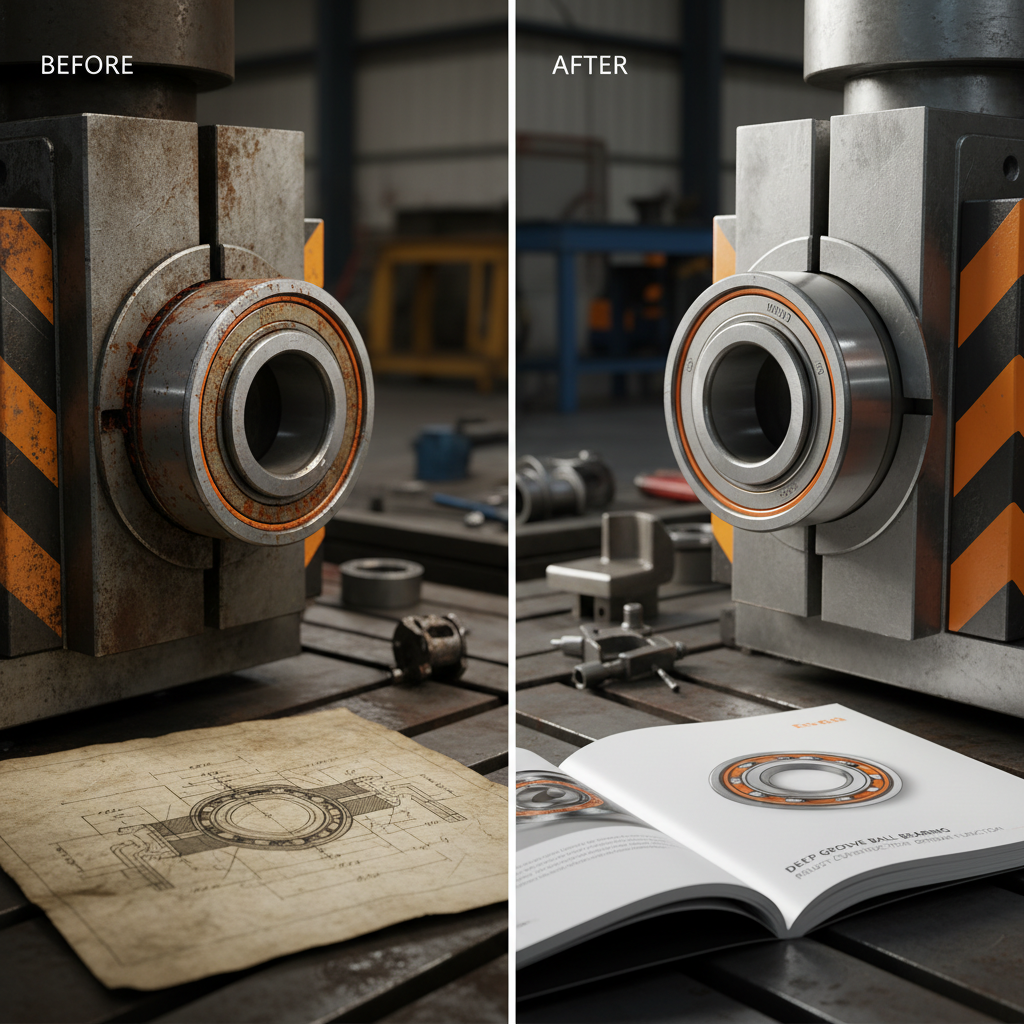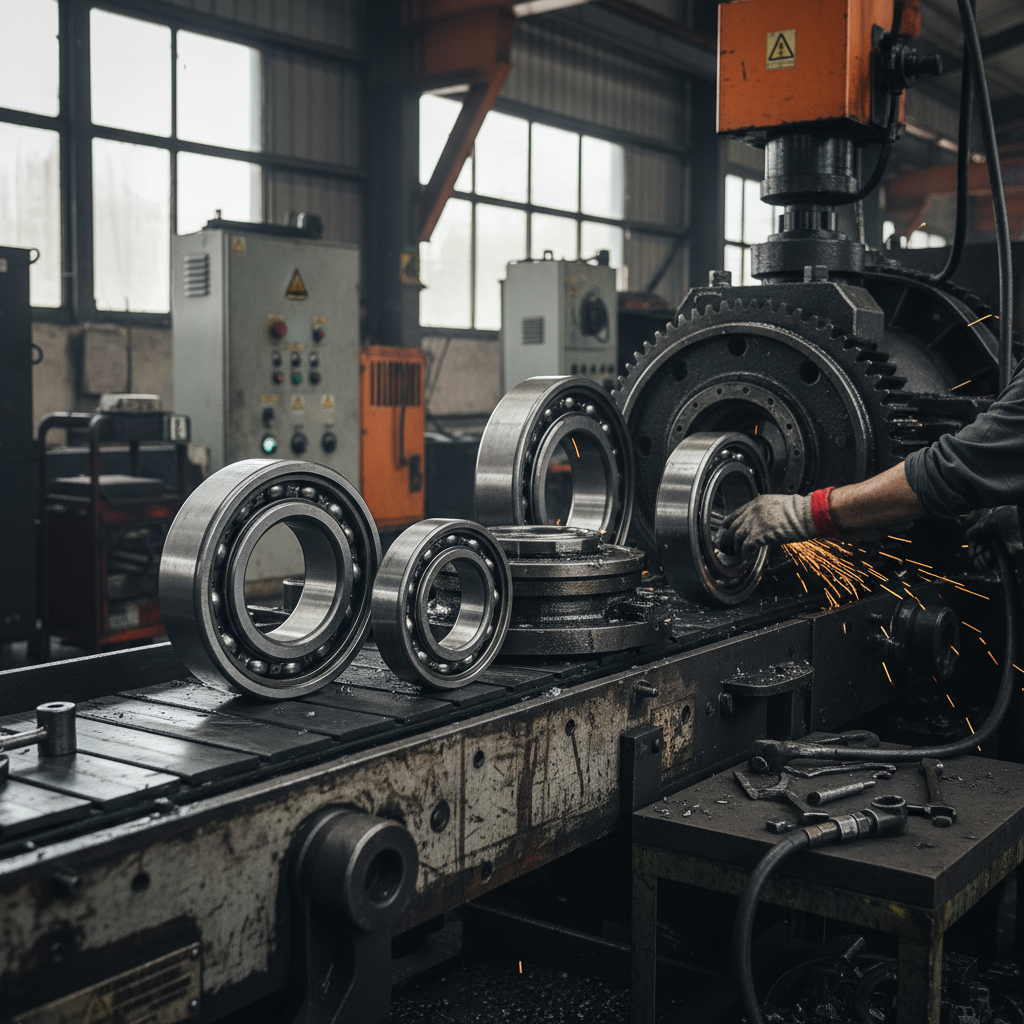
Bearing machinery is the backbone of modern industry, providing the essential components for rotational movement in countless applications. From massive industrial turbines to the delicate mechanisms of watches, bearings enable efficiency, reliability, and precise operation. Understanding bearing machinery is crucial for engineers, technicians, and anyone involved in the design, maintenance, and operation of mechanical systems. This knowledge translates to reduced downtime, improved performance, and enhanced safety across a wide spectrum of industries, impacting global productivity and innovation.
The global market for bearing machinery is substantial and continuously growing, driven by advancements in manufacturing, automotive, aerospace, and renewable energy sectors. According to recent reports, the bearing market is projected to reach billions of dollars in the coming years, highlighting its critical role in supporting economic development worldwide. Challenges such as increasing demands for higher precision, longer lifespans, and specialized bearing solutions are pushing manufacturers to invest in research and development, leading to innovative materials and designs.
Ultimately, the effective utilization of bearing machinery isn't just about technical specifications; it's about unlocking operational excellence and ensuring the smooth functioning of the world around us. A deep understanding of these mechanisms is therefore paramount for driving progress and solving complex engineering problems.
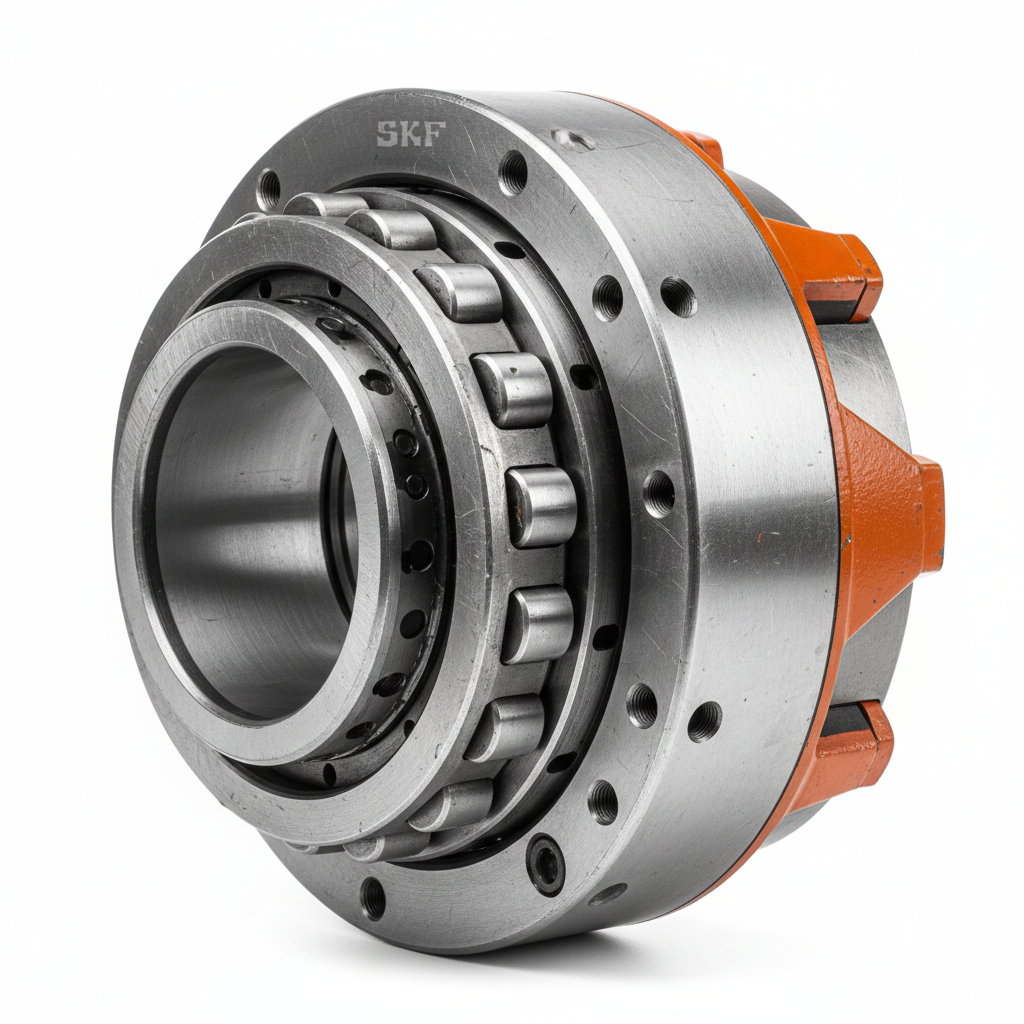
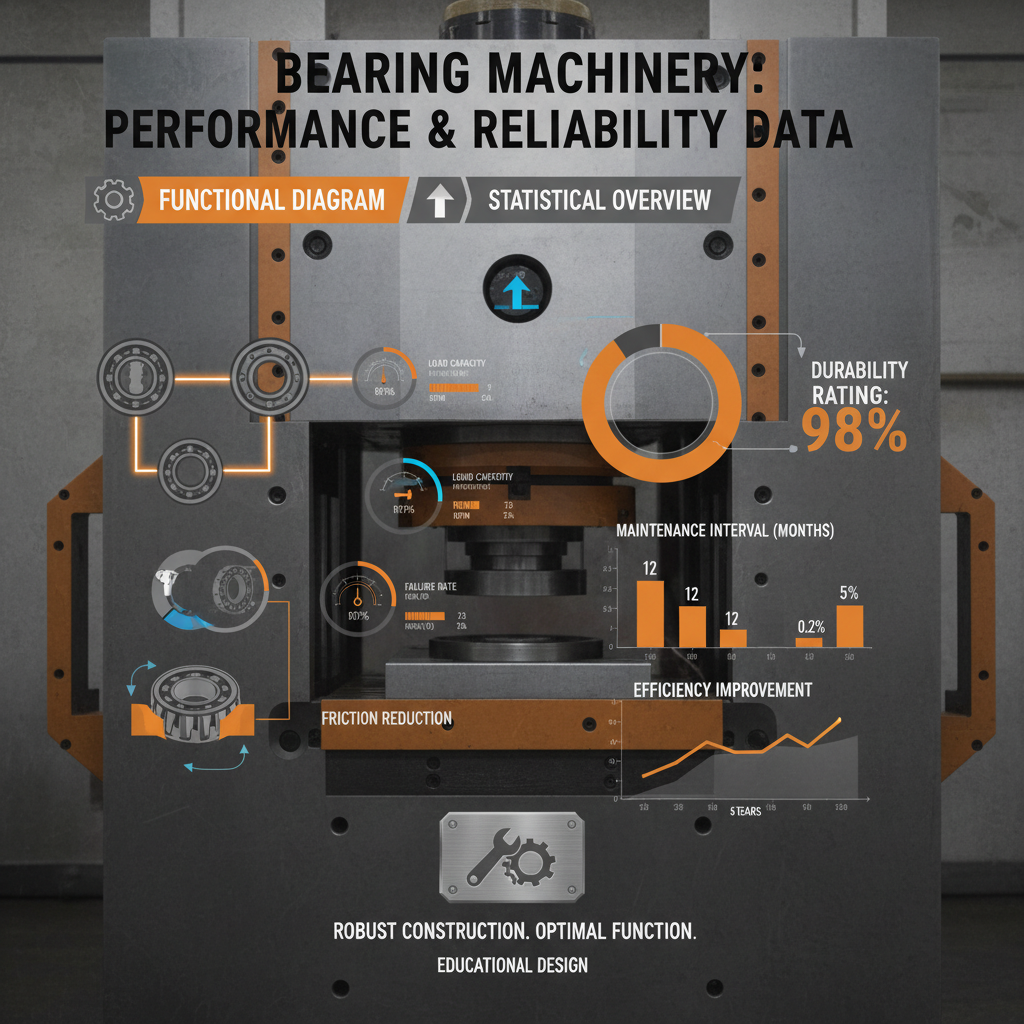
Bearing machinery isn’t simply about reducing friction; it’s about enabling progress. Without reliable bearings, the complex machinery that powers our world – from vehicles to manufacturing plants – would be significantly less efficient and more prone to failure. The efficient operation of this machinery directly translates to economic benefits, resource conservation, and reduced environmental impact.
The ongoing demand for increasingly sophisticated bearing solutions underscores their fundamental importance. The continuous refinement of materials, designs, and manufacturing processes demonstrates the commitment to optimizing performance and extending service life. Investing in quality bearing machinery is an investment in the longevity and reliability of any mechanical system, contributing to sustainable operations and reduced lifecycle costs.
Ball bearings excel in high-speed applications and lighter loads due to their point contact, minimizing friction. Roller bearings, with their line contact, handle heavier loads more effectively but generally have lower speed capabilities. The choice depends on the specific application requirements. Considering operating speeds and load capacities will dictate the most suitable option for optimized performance and longevity.
Relubrication frequency depends heavily on operating conditions, bearing type, and lubricant used. Consult the bearing manufacturer's recommendations as a starting point. Factors like speed, load, temperature, and contamination levels will influence the optimal relubrication schedule. Regular lubricant analysis can help determine when relubrication is truly necessary.
Common causes of bearing failure include improper lubrication, contamination, overloading, misalignment, and fatigue. Contamination can introduce abrasive particles, while overloading exceeds the bearing's load capacity. Misalignment creates uneven stress distribution. Proper installation, regular maintenance, and selecting the appropriate bearing for the application are crucial for preventing failure.
Extending lifespan involves several key practices. Use proper lubrication, ensure correct installation and alignment, protect against contamination with seals, avoid overloading, and regularly monitor bearing condition. Implementing a predictive maintenance program with vibration analysis and temperature monitoring can help identify potential issues early on.
Bearing seals prevent contaminants – dust, dirt, moisture – from entering the bearing and damaging the rolling elements and raceways. They also prevent lubricant from leaking out, maintaining proper lubrication levels. Selecting the appropriate seal type for the operating environment is critical for ensuring long-term bearing performance and reliability.
Selecting the right bearing requires careful consideration of several factors: load capacity, speed requirements, operating temperature, precision needs, and the operating environment. Consult bearing catalogs and manufacturers’ specifications to identify bearings suitable for your application. Consider also the type of load (radial, axial, or combined) and the desired lifespan.
In conclusion, bearing machinery is a foundational element of modern technology, underpinning the operation of countless machines across diverse industries. Understanding its core components, key performance factors, and future trends is crucial for engineers, technicians, and anyone involved in maintaining and optimizing mechanical systems. By prioritizing quality, proper maintenance, and innovative advancements, we can unlock the full potential of bearing machinery to drive efficiency, sustainability, and progress.
As technology continues to evolve, the role of bearing machinery will only become more critical. Investing in research and development, adopting predictive maintenance strategies, and embracing sustainable materials will be vital for ensuring the long-term reliability and performance of these essential components. Visit our website at www.arybearing.com to learn more about our comprehensive range of bearing solutions.

 Afrikaans
 Albanian
 Amharic
 Arabic
 Armenian
 Azerbaijani
 Basque
 Belarusian
 Bengali
 Bosnian
 Bulgarian
 Catalan
 Cebuano
 Corsican
 Croatian
 Czech
Czech
 Danish
 Dutch
Dutch
 Esperanto
 Estonian
 Finnish
 French
 Frisian
 Galician
 Georgian
 German
 Greek
Greek
 Gujarati
 Haitian Creole
 Hausa
Hausa
 Hawaiian
 Hebrew
 Hindi
Hindi
 Miao
Miao
 Hungarian
 Icelandic
 Igbo
Igbo
 Indonesian
 Irish
Irish
 Italian
 Japanese
 Javanese
 Kannada
 Kazakh
 Khmer
Khmer
 Rwandese
 Korean
 Kurdish
 Kyrgyz
 Lao
Lao
 Latin
Latin
 Latvian
 Lithuanian
 Luxembourgish
 Macedonian
 Malgashi
 Malay
Malay
 Malayalam
 Maltese
 Maori
Maori
 Marathi
 Mongolian
 Myanmar
 Nepali
 Norwegian
 Norwegian
 Occitan
 Pashto
 Persian
 Polish
 Portuguese
 Punjabi
 Romanian
 Russian
 Samoan
 Scottish Gaelic
 Serbian
 Sesotho
 Shona
Shona
 Sindhi
 Sinhala
 Slovak
 Slovenian
 Somali
 Spanish
 Sundanese
 Swahili
 Swedish
 Tagalog
 Tajik
Tajik
 Tamil
Tamil
 Tatar
Tatar
 Telugu
 Thai
Thai
 Turkish
 Turkmen
 Ukrainian
 Urdu
Urdu
 Uighur
 Uzbek
Uzbek
 Vietnamese
 Welsh
Welsh
 Bantu
Bantu
 Yiddish
 Yoruba
 Zulu
Zulu
 English