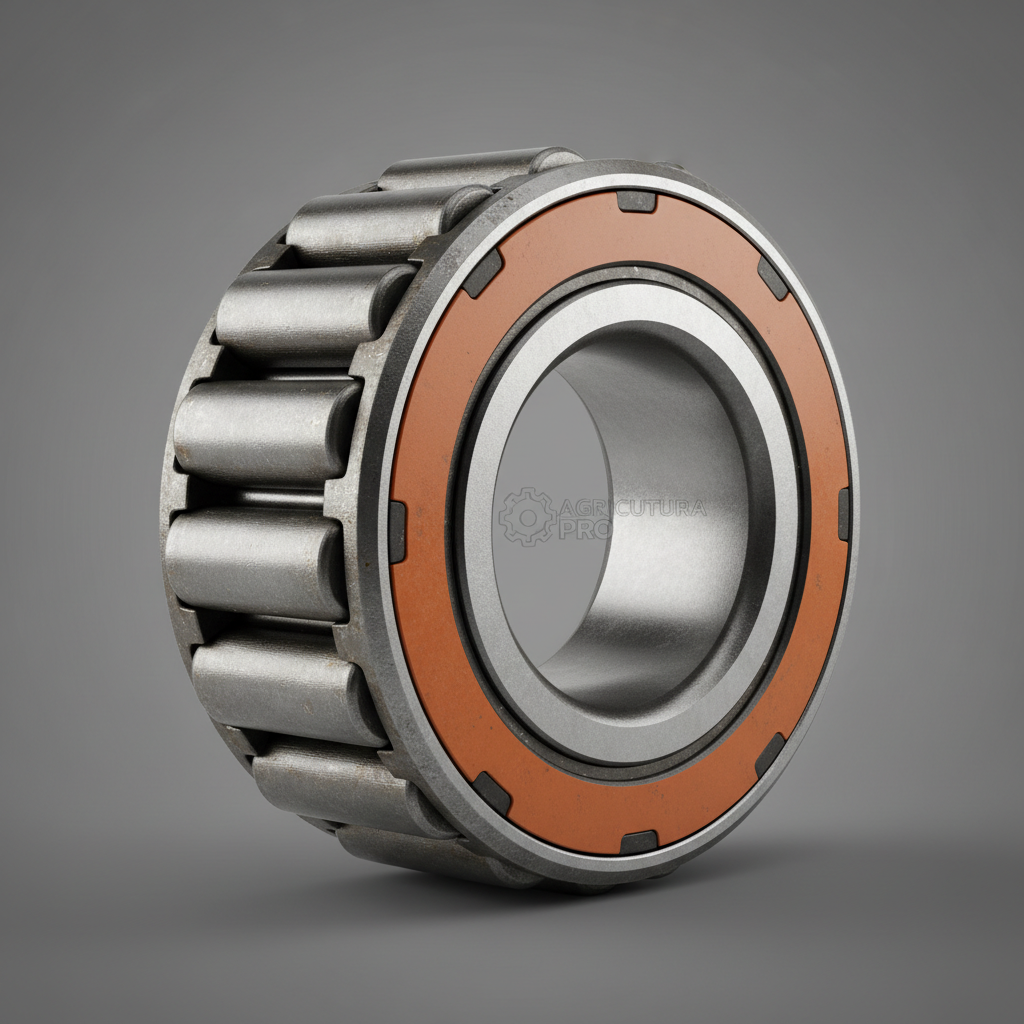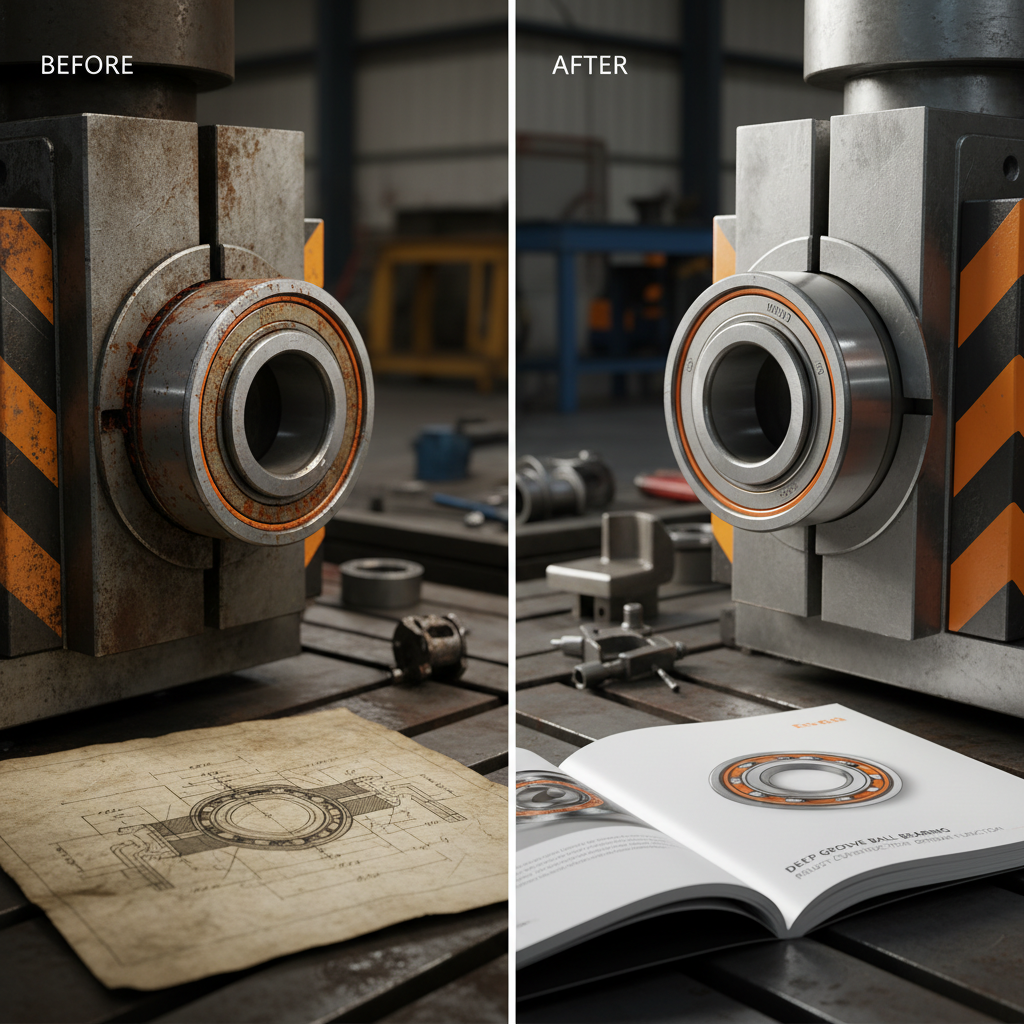
Ball bearings are ubiquitous in modern machinery, playing a crucial role in minimizing friction and enabling smooth, efficient operation across a vast range of applications. Understanding why are ball bearings used in machinery is fundamental to appreciating the engineering principles that underpin countless industrial processes and everyday devices. From simple hand tools to complex aerospace systems, ball bearings are essential components that enhance performance, extend lifespan, and reduce energy consumption. This understanding is paramount for engineers, manufacturers, and anyone involved in the design, maintenance, and operation of mechanical systems.
The global manufacturing sector relies heavily on the consistent performance of machinery, making the selection and maintenance of components like ball bearings a top priority. According to the United Nations Industrial Development Organization (UNIDO), manufacturing contributes significantly to global GDP and employment. The demand for reliable and efficient bearings is constantly growing, driven by factors such as increasing automation, the rise of electric vehicles, and the expansion of renewable energy technologies. Investing in understanding why are ball bearings used in machinery is directly linked to improvements in productivity, cost reduction, and sustainability within these crucial sectors.
Challenges exist in optimizing bearing performance, particularly in harsh environments or high-load applications. Effectively addressing these issues requires a deep dive into the science behind ball bearings and the factors influencing their longevity and reliability. Proper selection, lubrication, and monitoring are all key aspects of ensuring optimal performance and preventing costly downtime. Addressing these issues is critical for industries seeking to improve operational efficiency and reduce maintenance costs.
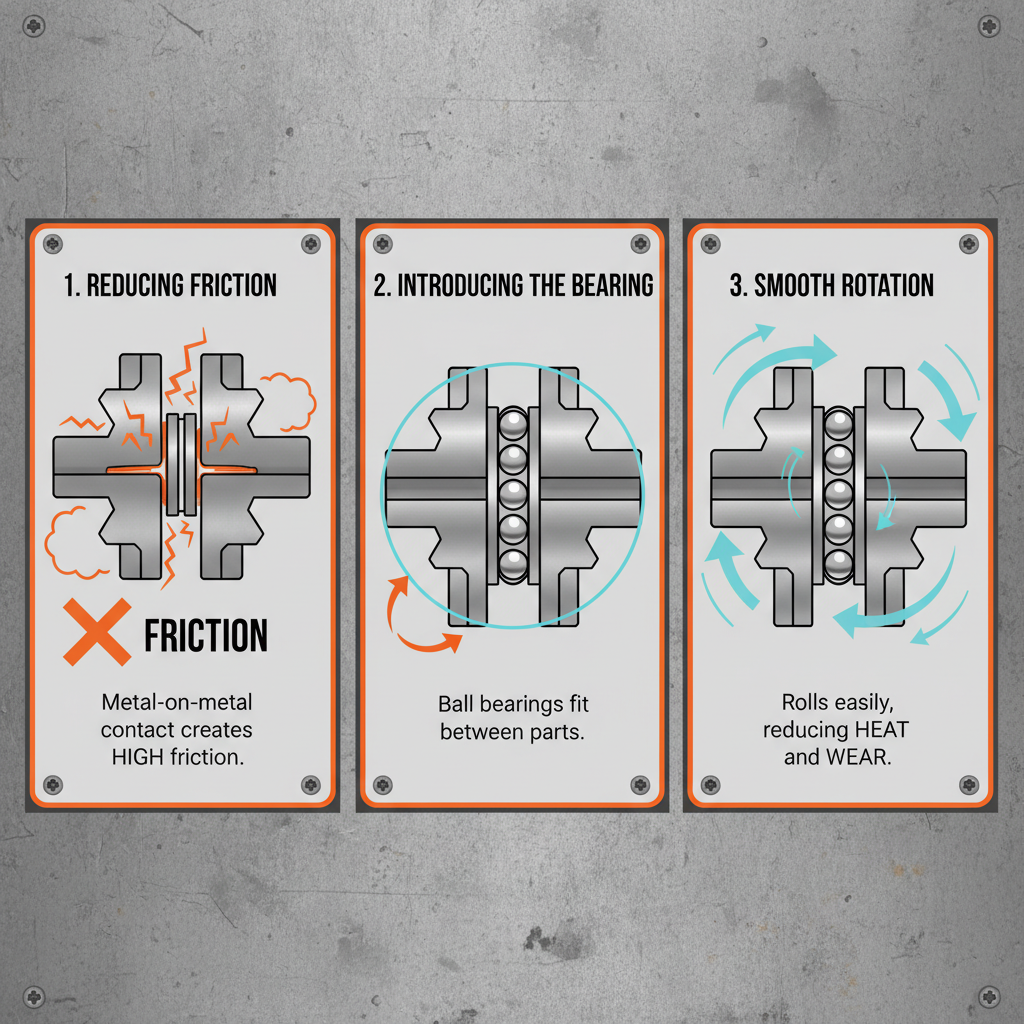
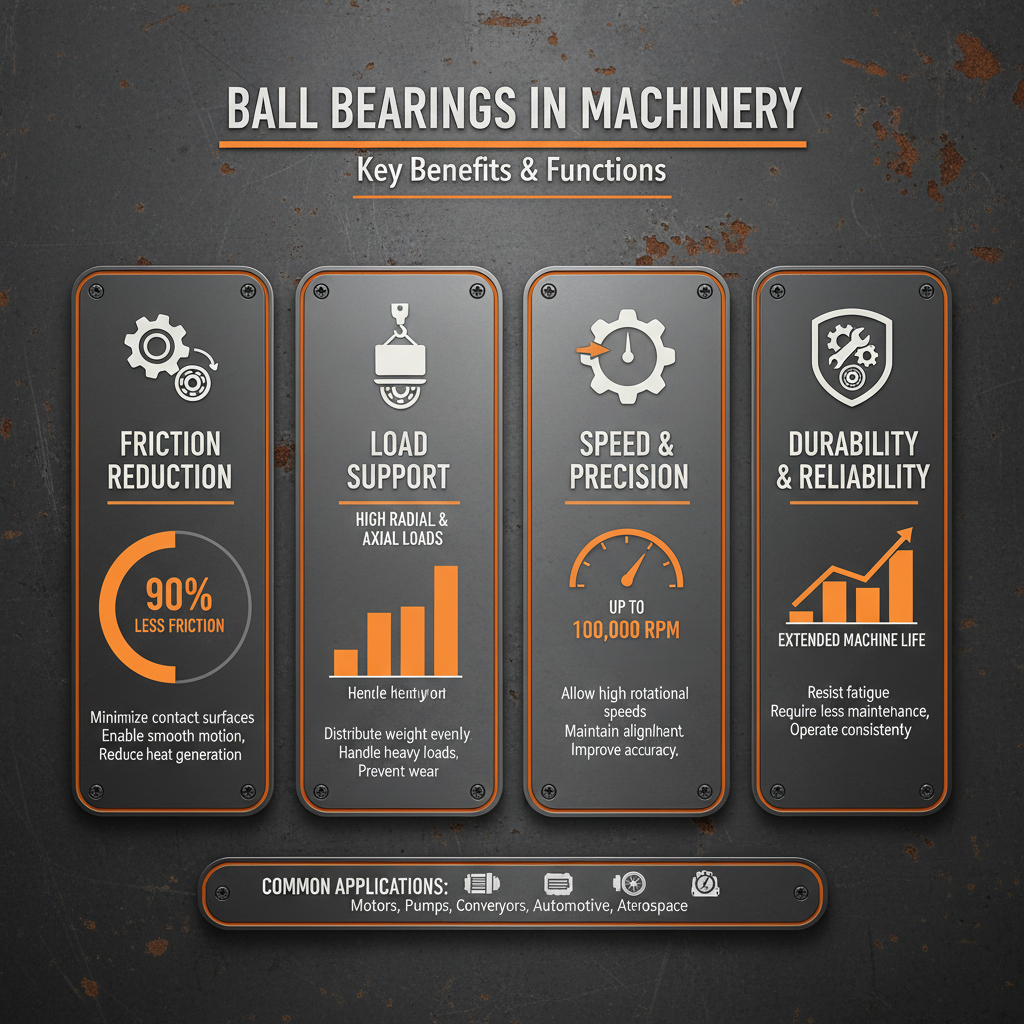
At their core, ball bearings are designed to reduce friction between moving parts. This reduction in friction translates directly to increased efficiency, lower energy consumption, and extended component lifespan. why are ball bearings used in machinery is therefore a fundamental question for anyone seeking to optimize mechanical systems.
The simplicity of the ball bearing design – hardened spheres rolling between two races – belies its remarkable effectiveness. The distribution of load across multiple contact points minimizes stress concentration, making ball bearings highly durable and reliable. This reliability is a key factor driving their widespread adoption across diverse industries.
Common causes include inadequate lubrication, contamination from dirt or debris, excessive loads exceeding the bearing’s capacity, misalignment, and corrosion. Regularly scheduled maintenance, proper sealing, and selecting the correct bearing for the application are crucial to mitigating these risks. Understanding why are ball bearings used in machinery, also means knowing their vulnerabilities.
Relubrication frequency depends on the bearing type, operating conditions (speed, load, temperature), and the lubricant used. Refer to the bearing manufacturer’s recommendations for specific intervals. Over-lubrication can be as detrimental as under-lubrication, so following guidelines is vital.
Deep groove ball bearings are designed to handle radial and some axial loads, while angular contact ball bearings are specifically designed to handle significant axial loads in one direction. The angled raceway of an angular contact bearing allows for this higher axial load capacity. Choosing the right bearing type is critical for ensuring optimal performance.
No, using the wrong type of grease can cause premature bearing failure. Select a grease specifically designed for ball bearings, considering factors such as temperature range, speed, and load. The grease should also be compatible with the bearing materials.
Ball bearings should be stored in a clean, dry environment, protected from moisture and corrosive substances. If storing for an extended period, consider applying a protective coating to prevent corrosion. Proper storage ensures the bearing’s integrity and performance when it’s eventually put into use.
Ceramic ball bearings utilize ceramic balls instead of steel, offering advantages such as lower density, higher stiffness, and improved resistance to corrosion and high temperatures. They are ideal for high-speed applications, harsh environments, and situations where electrical insulation is required.
In conclusion, why are ball bearings used in machinery is a question at the heart of efficient mechanical design. Their ability to minimize friction, enhance durability, and improve performance makes them indispensable across a multitude of industries. From the automotive sector to aerospace engineering and beyond, ball bearings play a critical role in the functionality and reliability of countless systems. Understanding their principles, applications, and future trends is paramount for continued innovation and progress.
Looking ahead, advancements in materials science, lubrication techniques, and sensor technology will continue to enhance the performance and longevity of ball bearings. By embracing these innovations and adopting best practices in maintenance and application, we can unlock even greater efficiency, sustainability, and cost-effectiveness. Visit our website at www.arybearing.com to explore our range of high-quality ball bearings and learn how we can help optimize your mechanical systems.

 Afrikaans
 Albanian
 Amharic
 Arabic
 Armenian
 Azerbaijani
 Basque
 Belarusian
 Bengali
 Bosnian
 Bulgarian
 Catalan
 Cebuano
 Corsican
 Croatian
 Czech
Czech
 Danish
 Dutch
Dutch
 Esperanto
 Estonian
 Finnish
 French
 Frisian
 Galician
 Georgian
 German
 Greek
Greek
 Gujarati
 Haitian Creole
 Hausa
Hausa
 Hawaiian
 Hebrew
 Hindi
Hindi
 Miao
Miao
 Hungarian
 Icelandic
 Igbo
Igbo
 Indonesian
 Irish
Irish
 Italian
 Japanese
 Javanese
 Kannada
 Kazakh
 Khmer
Khmer
 Rwandese
 Korean
 Kurdish
 Kyrgyz
 Lao
Lao
 Latin
Latin
 Latvian
 Lithuanian
 Luxembourgish
 Macedonian
 Malgashi
 Malay
Malay
 Malayalam
 Maltese
 Maori
Maori
 Marathi
 Mongolian
 Myanmar
 Nepali
 Norwegian
 Norwegian
 Occitan
 Pashto
 Persian
 Polish
 Portuguese
 Punjabi
 Romanian
 Russian
 Samoan
 Scottish Gaelic
 Serbian
 Sesotho
 Shona
Shona
 Sindhi
 Sinhala
 Slovak
 Slovenian
 Somali
 Spanish
 Sundanese
 Swahili
 Swedish
 Tagalog
 Tajik
Tajik
 Tamil
Tamil
 Tatar
Tatar
 Telugu
 Thai
Thai
 Turkish
 Turkmen
 Ukrainian
 Urdu
Urdu
 Uighur
 Uzbek
Uzbek
 Vietnamese
 Welsh
Welsh
 Bantu
Bantu
 Yiddish
 Yoruba
 Zulu
Zulu
 English