Ball bearings are ubiquitous components in modern machinery, playing a crucial role in reducing friction and enabling efficient operation. Understanding how do ball bearings reduce friction in machinery is vital across countless industries, from automotive and aerospace to manufacturing and healthcare. The ability to minimize friction translates directly to improved energy efficiency, reduced wear and tear on equipment, and ultimately, lower operational costs. This seemingly simple innovation has dramatically reshaped our technological landscape.
The global impact of friction reduction through ball bearings is immense. According to a report by the World Bank, increased industrial efficiency, partially driven by advancements in bearing technology, contributes significantly to economic growth in developing nations. ISO standards related to bearing performance and quality control are essential for international trade and ensuring reliability. However, challenges remain in optimizing bearing designs for extreme conditions and extending their lifespan in harsh environments, driving continuous research and development.
The increasing demand for high-precision machinery and the drive for sustainable practices are further emphasizing the importance of understanding how do ball bearings reduce friction in machinery. From wind turbines generating clean energy to robotic surgical systems demanding unparalleled accuracy, ball bearings are fundamental to these advancements. A deeper knowledge of their operating principles allows engineers to design more effective and durable systems, contributing to a more efficient and sustainable future.
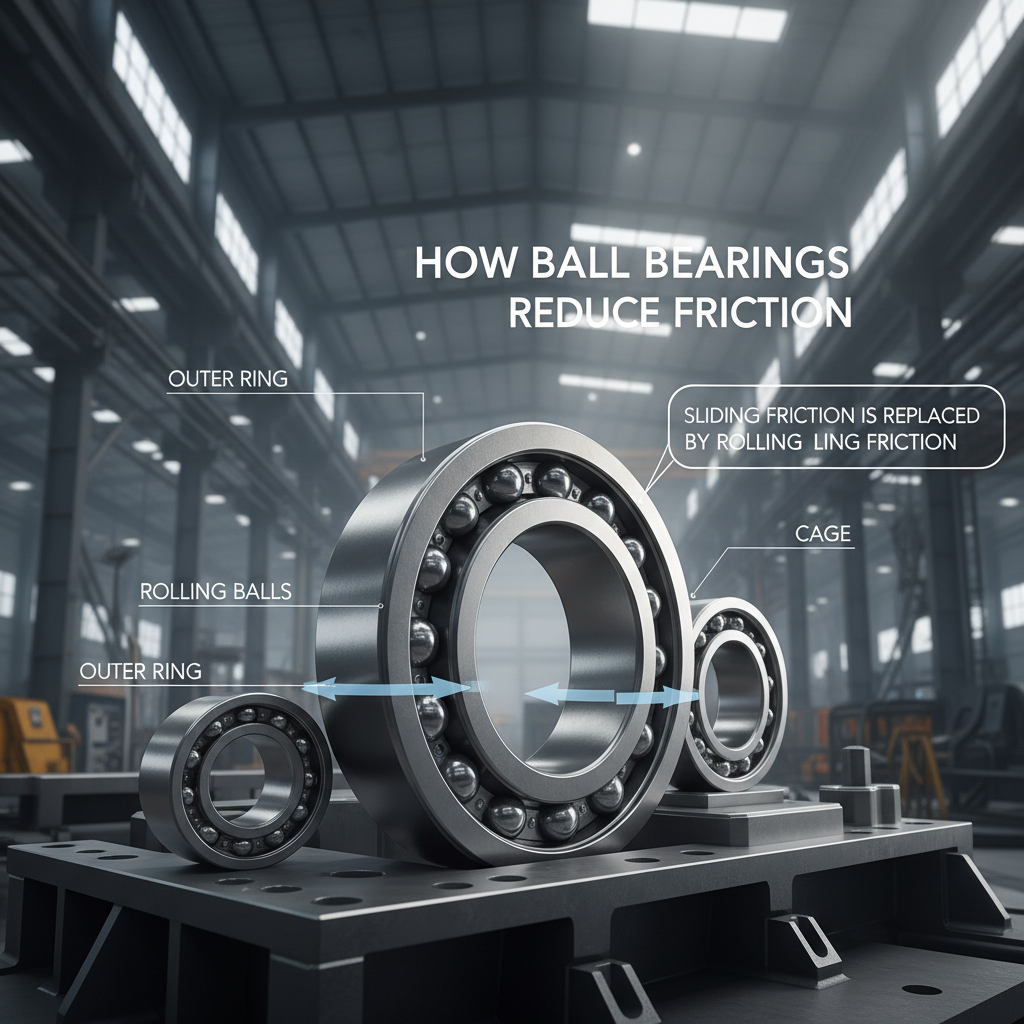
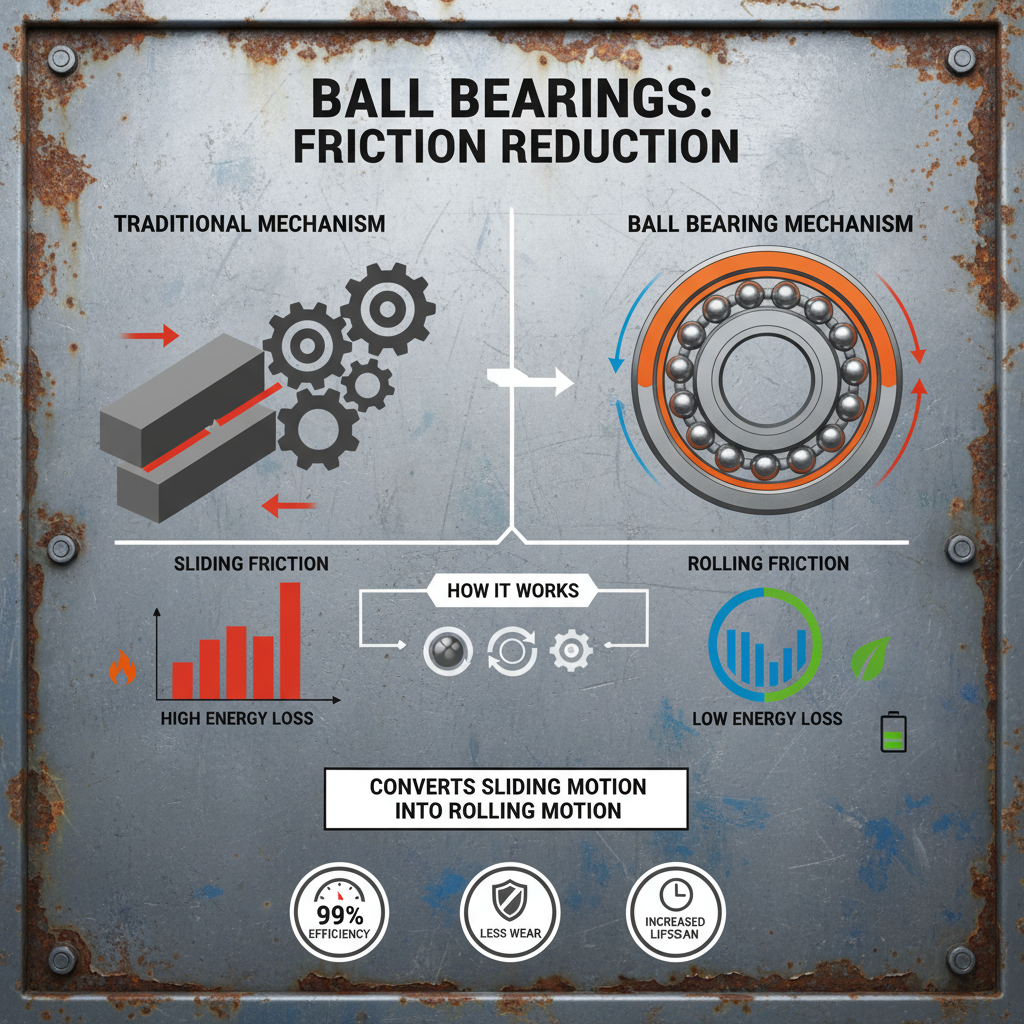
At its core, how do ball bearings reduce friction in machinery by replacing sliding friction with rolling friction. Sliding friction occurs when two surfaces directly rub against each other, generating significant resistance. Rolling friction, in contrast, involves the motion of spheres (the balls) between the surfaces, drastically reducing the contact area and therefore, the frictional force. This is a fundamental shift in the way forces interact, leading to substantial efficiency gains.
The principle leverages the concept of minimizing the coefficient of friction. While friction can never be completely eliminated, ball bearings successfully lower it to a level that allows for smooth and efficient mechanical operation. The precise design and construction of ball bearings, including the smoothness of the balls, the accuracy of the races, and the lubrication applied, all contribute to optimizing this reduction in friction.
Ball bearings reduce friction by replacing sliding friction with rolling friction. Instead of two surfaces directly rubbing against each other, balls roll between them, significantly reducing the contact area and the resulting frictional force. This minimizes energy loss and wear, leading to more efficient operation. This fundamental principle is crucial for understanding how do ball bearings reduce friction in machinery.
Ball bearings are commonly made from high-carbon chromium steel due to its hardness, wear resistance, and ability to withstand high loads. Races often use the same material or case-hardened steels for durability. Increasingly, ceramic materials like silicon nitride are used for ultra-low friction, high-temperature applications. The material selection is vital to ensure the optimal performance and longevity of the bearing.
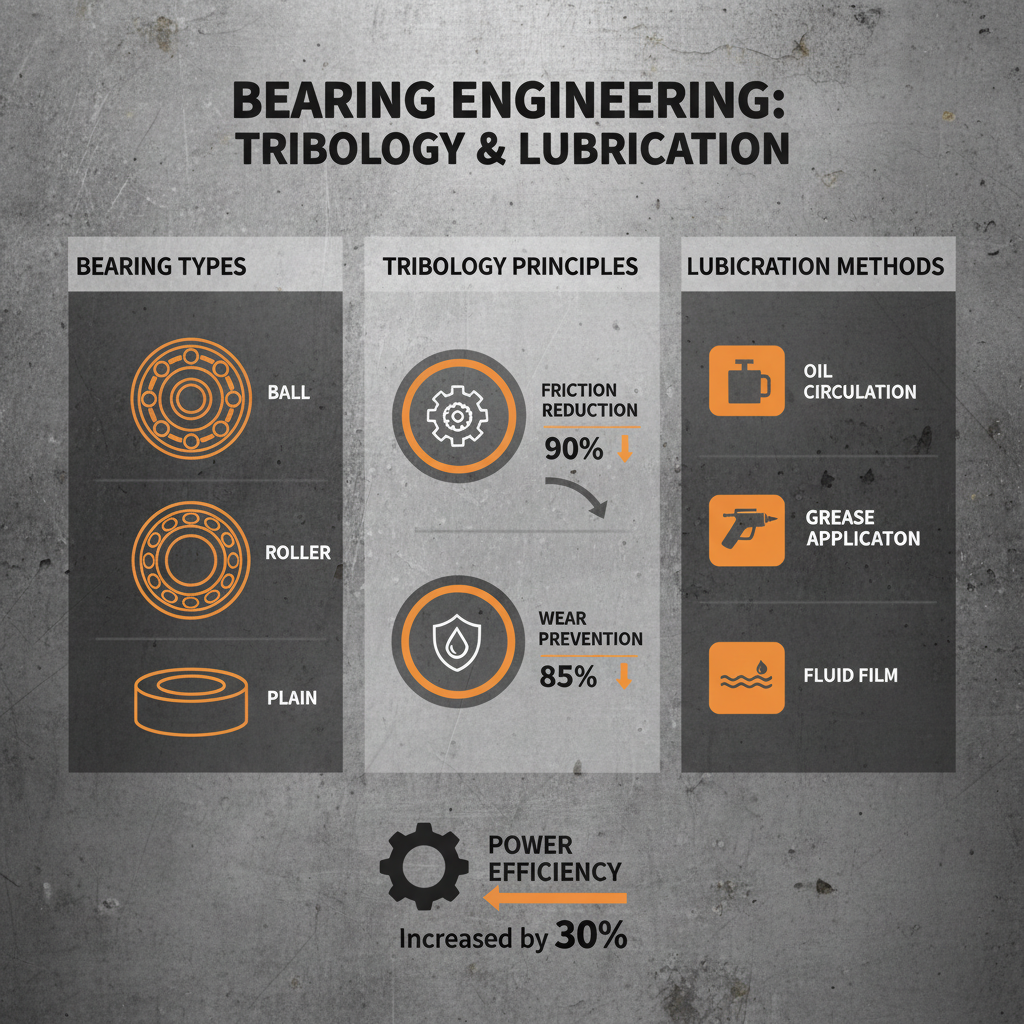
Lubrication is extremely important. It creates a thin film between rolling elements, preventing metal-to-metal contact, reducing friction, and dissipating heat. Different lubricants (oils, greases, solid lubricants) are chosen based on operating conditions and load requirements. Proper lubrication is a cornerstone of maintaining efficient operation and extending bearing life when exploring how do ball bearings reduce friction in machinery.
Premature failure can result from contamination (dust, debris), inadequate lubrication, misalignment, excessive loads, or material fatigue. High operating temperatures and shock loads also contribute. Regular inspection, proper maintenance, and selecting the right bearing for the application are key to preventing these failures and maximizing bearing lifespan.
Advancements in material science are leading to the development of bearings with even lower friction and higher durability. Materials like graphene, carbon nanotubes, and advanced surface coatings (DLC) are being explored. These materials offer improved wear resistance, reduced heat generation, and enhanced performance in extreme conditions. These innovations are key to future improvements in how do ball bearings reduce friction in machinery.
Digital twin technology allows engineers to simulate bearing performance and optimize designs virtually. Smart bearings with embedded sensors provide real-time data on bearing condition, enabling predictive maintenance and preventing failures. Additive manufacturing (3D printing) facilitates the creation of customized bearings tailored to specific applications, further enhancing efficiency and reliability.
In conclusion, understanding how do ball bearings reduce friction in machinery is fundamental to optimizing mechanical systems across a multitude of industries. By replacing sliding friction with rolling friction, leveraging advanced materials, and employing effective lubrication techniques, ball bearings significantly enhance efficiency, reduce wear, and improve reliability. This foundational technology remains critical for continued innovation in various fields.
Looking ahead, continued research into novel materials, smart bearing technologies, and predictive maintenance strategies will further revolutionize the field. Embracing these advancements is vital for achieving sustainable industrial practices, maximizing energy efficiency, and driving economic growth. Visit our website at www.arybearing.com to learn more about our comprehensive range of ball bearing solutions and how we can help optimize your operations.

 Afrikaans
 Albanian
 Amharic
 Arabic
 Armenian
 Azerbaijani
 Basque
 Belarusian
 Bengali
 Bosnian
 Bulgarian
 Catalan
 Cebuano
 Corsican
 Croatian
 Czech
Czech
 Danish
 Dutch
Dutch
 Esperanto
 Estonian
 Finnish
 French
 Frisian
 Galician
 Georgian
 German
 Greek
Greek
 Gujarati
 Haitian Creole
 Hausa
Hausa
 Hawaiian
 Hebrew
 Hindi
Hindi
 Miao
Miao
 Hungarian
 Icelandic
 Igbo
Igbo
 Indonesian
 Irish
Irish
 Italian
 Japanese
 Javanese
 Kannada
 Kazakh
 Khmer
Khmer
 Rwandese
 Korean
 Kurdish
 Kyrgyz
 Lao
Lao
 Latin
Latin
 Latvian
 Lithuanian
 Luxembourgish
 Macedonian
 Malgashi
 Malay
Malay
 Malayalam
 Maltese
 Maori
Maori
 Marathi
 Mongolian
 Myanmar
 Nepali
 Norwegian
 Norwegian
 Occitan
 Pashto
 Persian
 Polish
 Portuguese
 Punjabi
 Romanian
 Russian
 Samoan
 Scottish Gaelic
 Serbian
 Sesotho
 Shona
Shona
 Sindhi
 Sinhala
 Slovak
 Slovenian
 Somali
 Spanish
 Sundanese
 Swahili
 Swedish
 Tagalog
 Tajik
Tajik
 Tamil
Tamil
 Tatar
Tatar
 Telugu
 Thai
Thai
 Turkish
 Turkmen
 Ukrainian
 Urdu
Urdu
 Uighur
 Uzbek
Uzbek
 Vietnamese
 Welsh
Welsh
 Bantu
Bantu
 Yiddish
 Yoruba
 Zulu
Zulu
 English