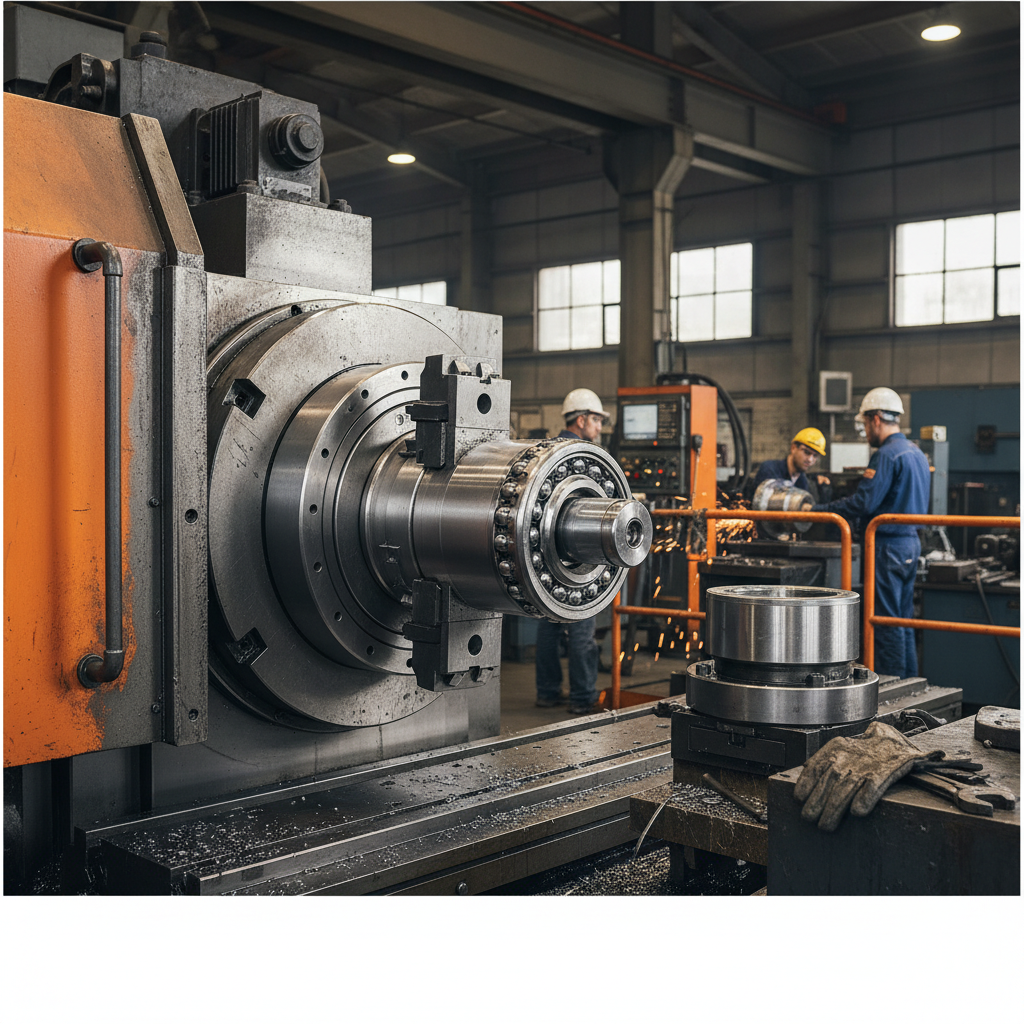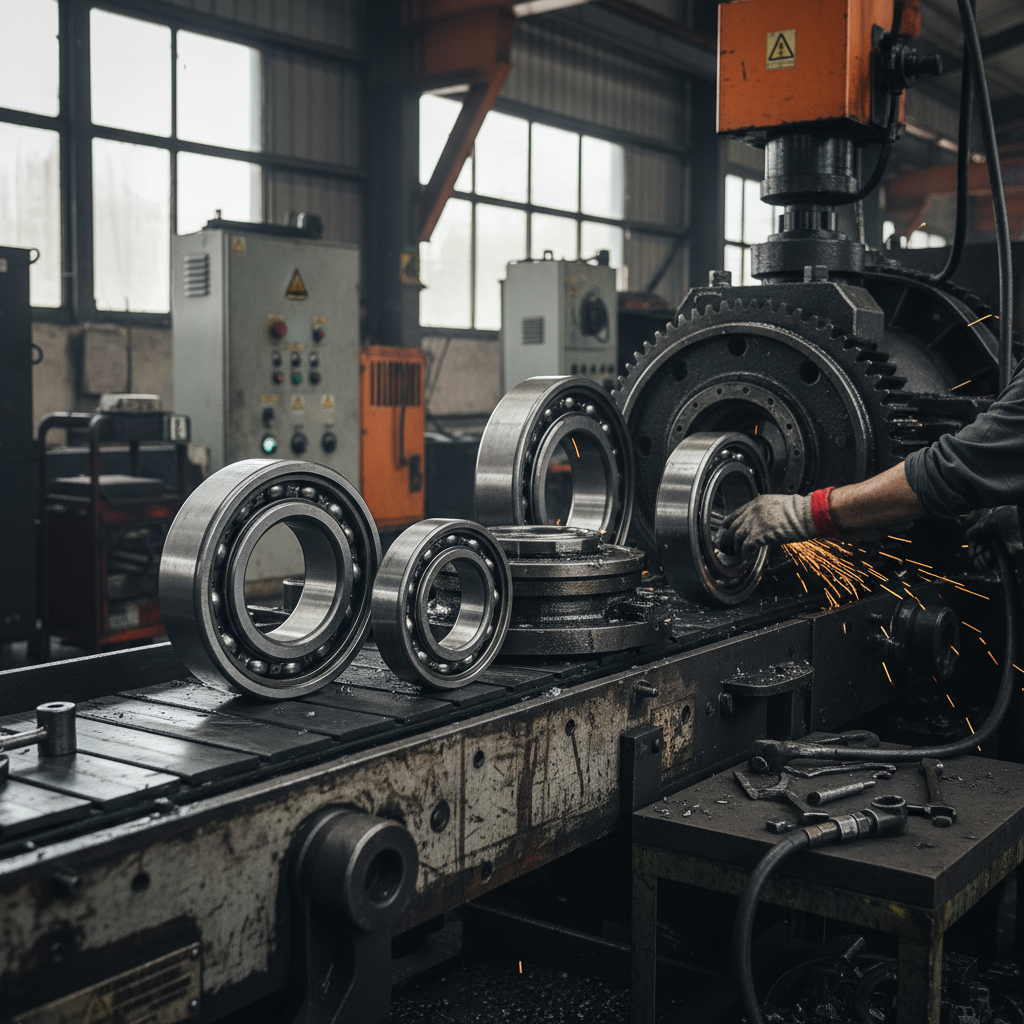
The global demand for efficient and reliable industrial processes has fueled the development of specialized equipment like the bearing heating machine. These machines are critical in maintaining operational uptime across a vast range of industries, from manufacturing and automotive to aerospace and energy. Ensuring bearings are properly heated and installed is not just about preventing failure, but optimizing performance and extending the lifespan of valuable machinery, ultimately impacting productivity and reducing costs worldwide. Understanding the principles and applications of a bearing heating machine is, therefore, essential for any modern industrial operation.
Bearing heating machines address a significant challenge in industrial maintenance: the precise and controlled heating of bearings for easy and secure mounting. Incorrect installation, often stemming from improper heating, can lead to premature bearing failure, costly downtime, and potential safety hazards. These machines offer a consistent, repeatable, and safe method for achieving optimal bearing fit, reducing the risk of damage and ensuring long-term reliability. The advancement in bearing heating machine technology reflects a growing industry focus on preventative maintenance and maximizing equipment lifecycle.
The adoption of bearing heating machines isn’t merely a technical upgrade; it represents a shift towards proactive maintenance strategies. They contribute to improved worker safety, decreased energy consumption compared to traditional heating methods, and a substantial reduction in maintenance costs. As industries continue to embrace Industry 4.0 principles and strive for greater efficiency, the role of the bearing heating machine will become even more pronounced, cementing its position as a key component in modern industrial infrastructure.
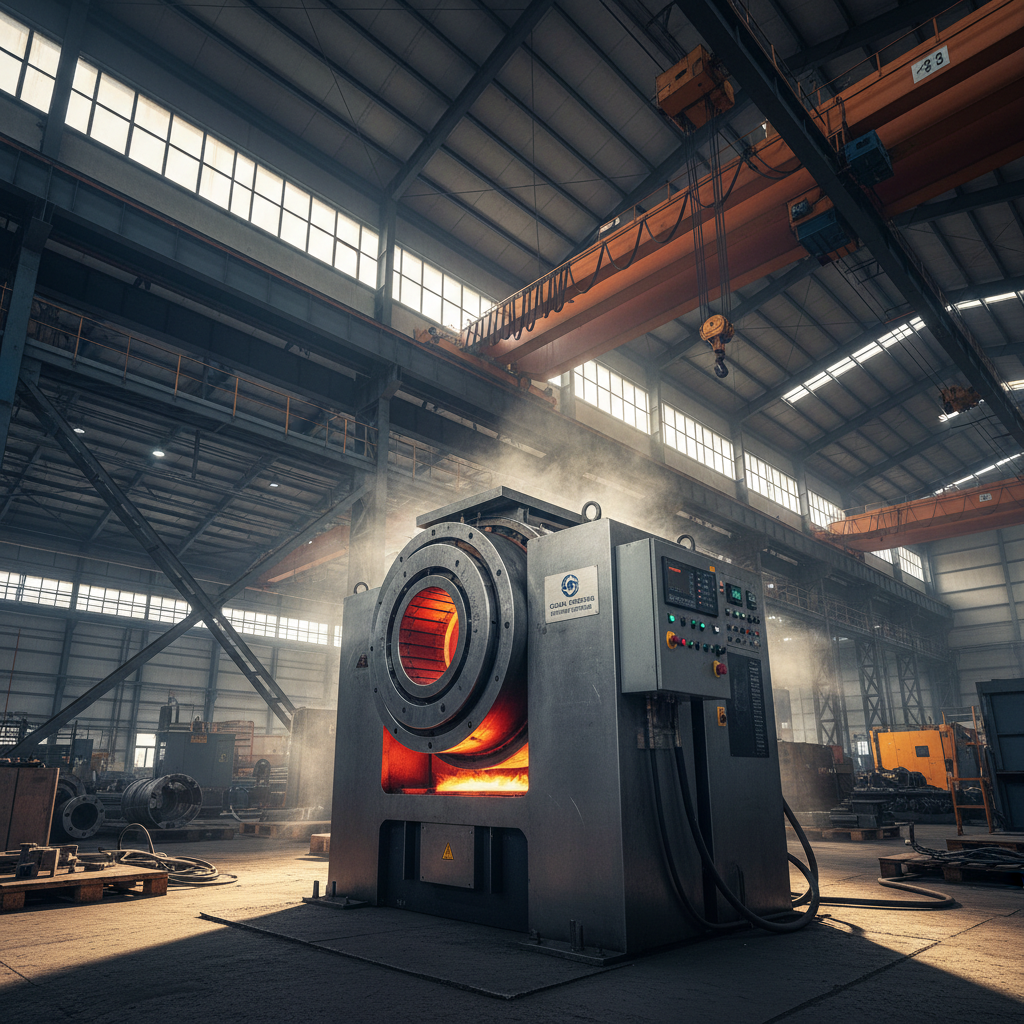
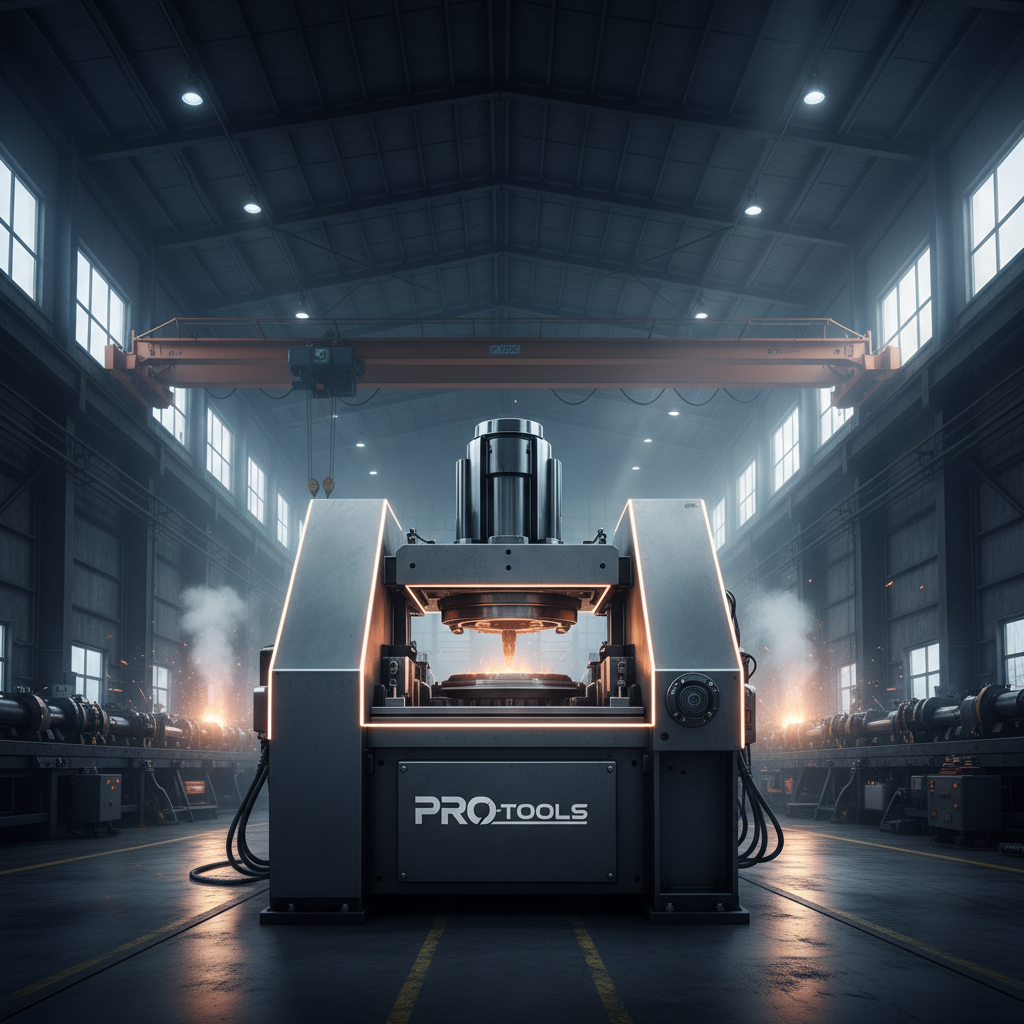
The importance of a bearing heating machine stems from its ability to dramatically improve bearing installation processes. Properly heated bearings expand uniformly, creating a snug interference fit with the shaft and housing. This precise fit is critical for preventing premature wear, reducing vibration, and extending the overall lifespan of the bearing. Without a controlled heating method, improper installation can occur leading to significant and costly failures.
Investing in a quality bearing heating machine isn't merely an equipment purchase; it’s a strategic investment in reliability, safety, and operational efficiency. It’s about minimizing unplanned downtime, reducing maintenance labor costs, and ultimately maximizing the return on investment in critical machinery. The correct bearing heating machine enhances the overall quality of industrial operations.
Bearing heating machines offer several advantages over traditional methods like hot oil baths or open flame heating. They provide more precise and uniform heating, minimizing the risk of damaging the bearing’s internal components. This leads to extended bearing life, reduced downtime, and improved worker safety. Furthermore, induction heating is significantly faster and more energy-efficient.
The recommended heating temperature for a bearing is typically specified by the bearing manufacturer. Generally, bearings are heated to between 80°C and 120°C (176°F and 248°F) for an interference fit. Always consult the manufacturer's data sheet or technical documentation to ensure you are using the correct temperature for the specific bearing type and application. Overheating can damage the bearing.
Most types of rolling element bearings, including ball bearings, roller bearings, tapered roller bearings, and spherical roller bearings, are compatible with induction heating. However, it’s crucial to avoid heating bearings with non-metallic components, such as seals or cages made of plastic, directly. The induction heating process primarily heats the metal components of the bearing.
Regular maintenance is essential for ensuring the optimal performance and longevity of a bearing heating machine. This includes regularly cleaning the induction coil to remove any debris or contaminants, inspecting the coil for damage, and checking the cooling system to ensure it’s functioning properly. A preventative maintenance schedule, as recommended by the manufacturer, should be followed.
Safety is paramount when operating a bearing heating machine. Always wear appropriate personal protective equipment (PPE), including safety glasses and gloves. Ensure the machine is properly grounded and that the work area is free of flammable materials. Never operate the machine if the coil is damaged or if there are any signs of electrical malfunction. Follow all safety guidelines provided by the manufacturer.
While primarily designed for bearings, bearing heating machines can be used to heat other ferromagnetic metal components for fitting or assembly purposes, provided the size and shape of the component are compatible with the induction coil. However, it’s essential to ensure the heating parameters are appropriate for the material and application to avoid damage or unwanted metallurgical changes.
In conclusion, the bearing heating machine stands as a cornerstone of modern industrial maintenance, offering significant advantages in terms of efficiency, safety, and reliability. Its ability to deliver precise, controlled heating streamlines bearing installation, reduces downtime, and extends the lifespan of critical machinery. Embracing this technology is not merely a matter of upgrading equipment; it's a strategic investment in operational excellence and long-term cost savings.
Looking ahead, the future of bearing heating machines will be driven by technological advancements like IoT integration, improved energy efficiency, and increased automation. By staying abreast of these developments and prioritizing preventative maintenance, industries can unlock the full potential of this vital equipment and ensure the continued smooth operation of their critical infrastructure. Visit our website at www.arybearing.com to explore our range of bearing heating machine solutions.

 Afrikaans
 Albanian
 Amharic
 Arabic
 Armenian
 Azerbaijani
 Basque
 Belarusian
 Bengali
 Bosnian
 Bulgarian
 Catalan
 Cebuano
 Corsican
 Croatian
 Czech
Czech
 Danish
 Dutch
Dutch
 Esperanto
 Estonian
 Finnish
 French
 Frisian
 Galician
 Georgian
 German
 Greek
Greek
 Gujarati
 Haitian Creole
 Hausa
Hausa
 Hawaiian
 Hebrew
 Hindi
Hindi
 Miao
Miao
 Hungarian
 Icelandic
 Igbo
Igbo
 Indonesian
 Irish
Irish
 Italian
 Japanese
 Javanese
 Kannada
 Kazakh
 Khmer
Khmer
 Rwandese
 Korean
 Kurdish
 Kyrgyz
 Lao
Lao
 Latin
Latin
 Latvian
 Lithuanian
 Luxembourgish
 Macedonian
 Malgashi
 Malay
Malay
 Malayalam
 Maltese
 Maori
Maori
 Marathi
 Mongolian
 Myanmar
 Nepali
 Norwegian
 Norwegian
 Occitan
 Pashto
 Persian
 Polish
 Portuguese
 Punjabi
 Romanian
 Russian
 Samoan
 Scottish Gaelic
 Serbian
 Sesotho
 Shona
Shona
 Sindhi
 Sinhala
 Slovak
 Slovenian
 Somali
 Spanish
 Sundanese
 Swahili
 Swedish
 Tagalog
 Tajik
Tajik
 Tamil
Tamil
 Tatar
Tatar
 Telugu
 Thai
Thai
 Turkish
 Turkmen
 Ukrainian
 Urdu
Urdu
 Uighur
 Uzbek
Uzbek
 Vietnamese
 Welsh
Welsh
 Bantu
Bantu
 Yiddish
 Yoruba
 Zulu
Zulu
 English