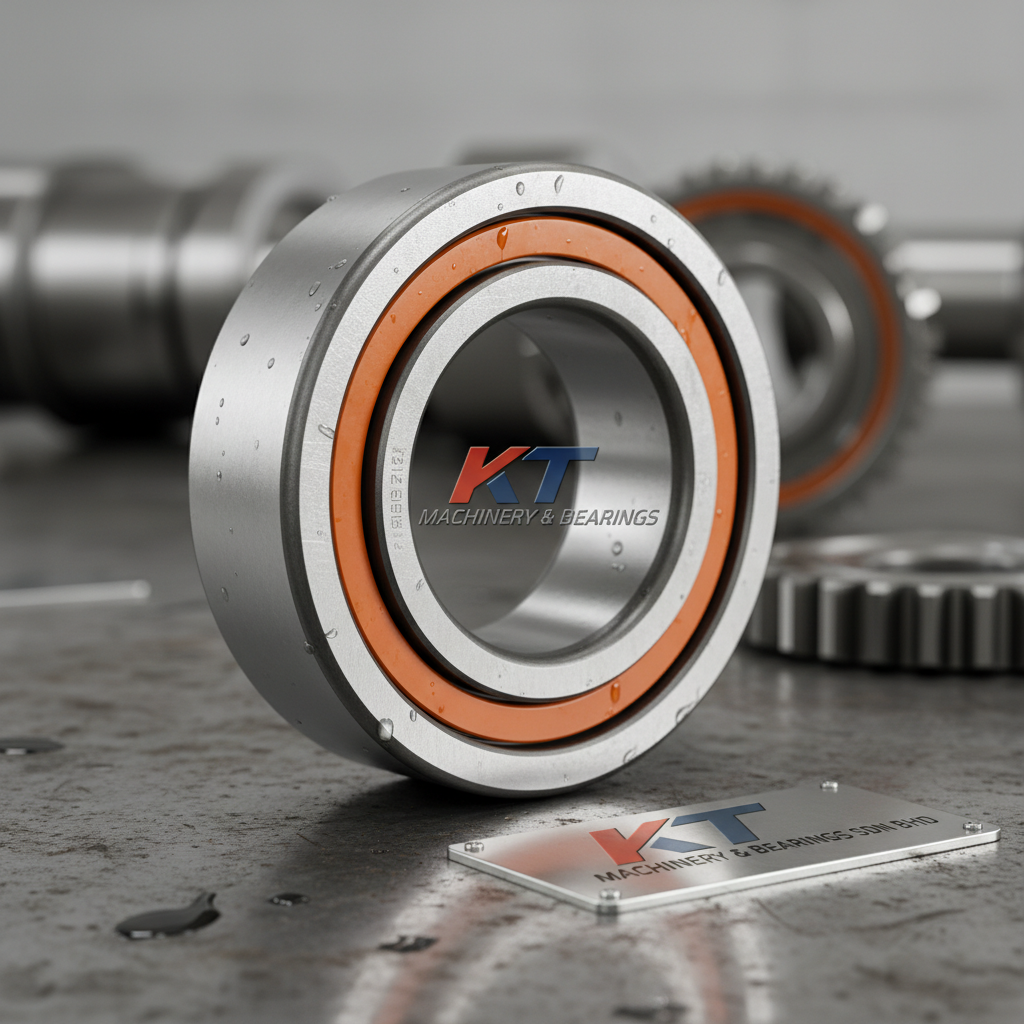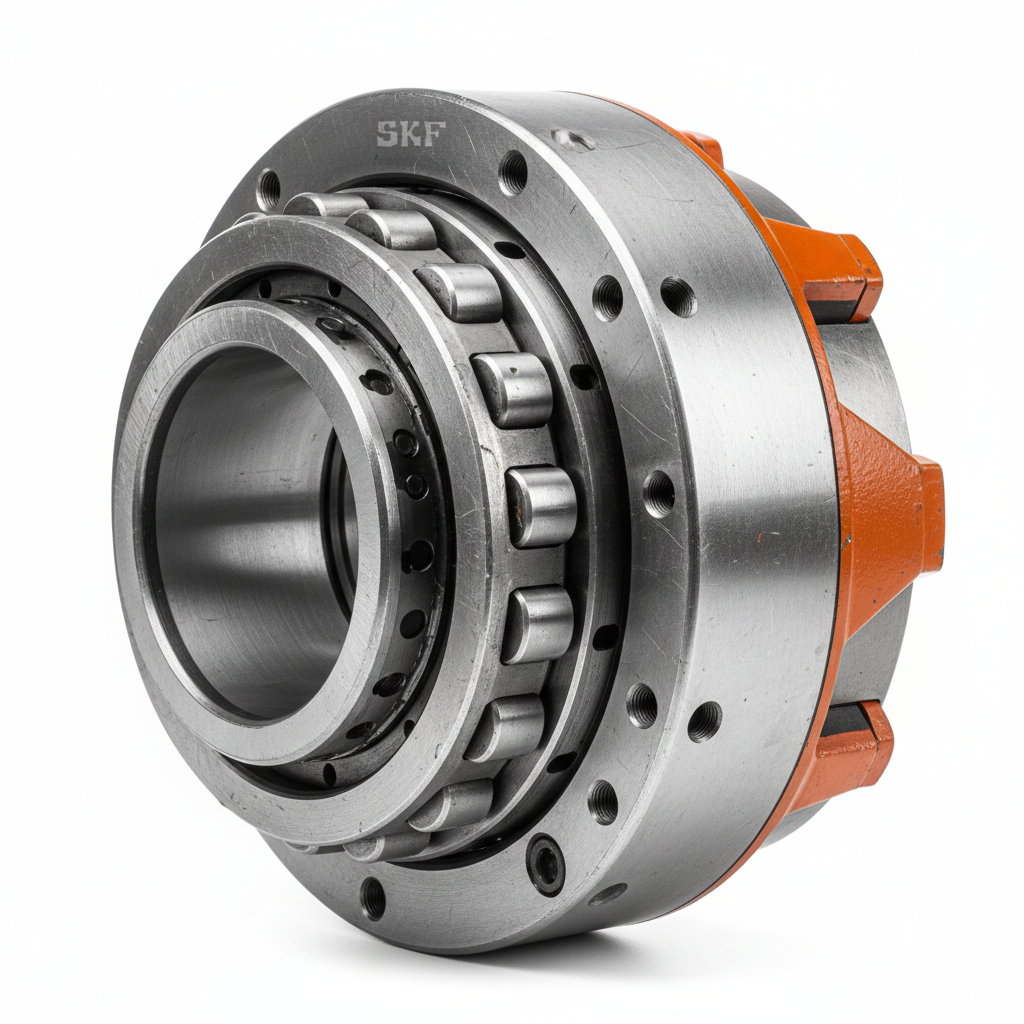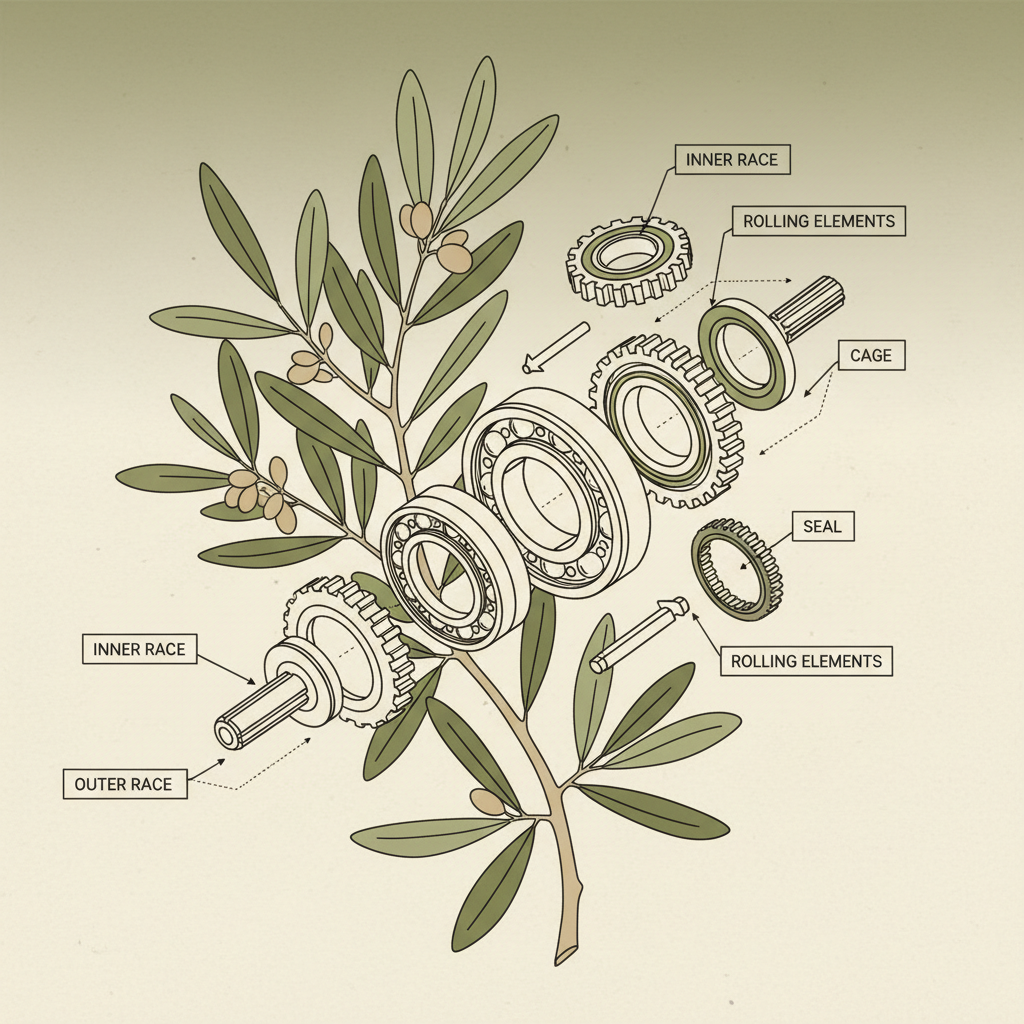
Combine harvester bearings are critical components in modern agriculture, ensuring the smooth and efficient operation of these complex machines. Globally, food production relies heavily on the performance of combine harvesters, and the reliability of their bearings directly impacts crop yields and overall agricultural output. Understanding the intricacies of these bearings is essential for optimizing harvesting processes and minimizing downtime during crucial seasons.
The global demand for food continues to rise, driven by a growing population and changing dietary habits. This increased demand places immense pressure on agricultural systems to maximize efficiency. Combine harvester bearings, as integral parts of this system, play a vital role in meeting this challenge. Investing in high-quality combine harvester bearings translates directly to increased productivity and reduced food waste.
Furthermore, advancements in bearing technology are contributing to more sustainable agricultural practices. Improved designs reduce friction, leading to lower fuel consumption and decreased environmental impact. The selection and maintenance of appropriate combine harvester bearings are therefore no longer simply a mechanical concern, but a crucial element of responsible and efficient food production.
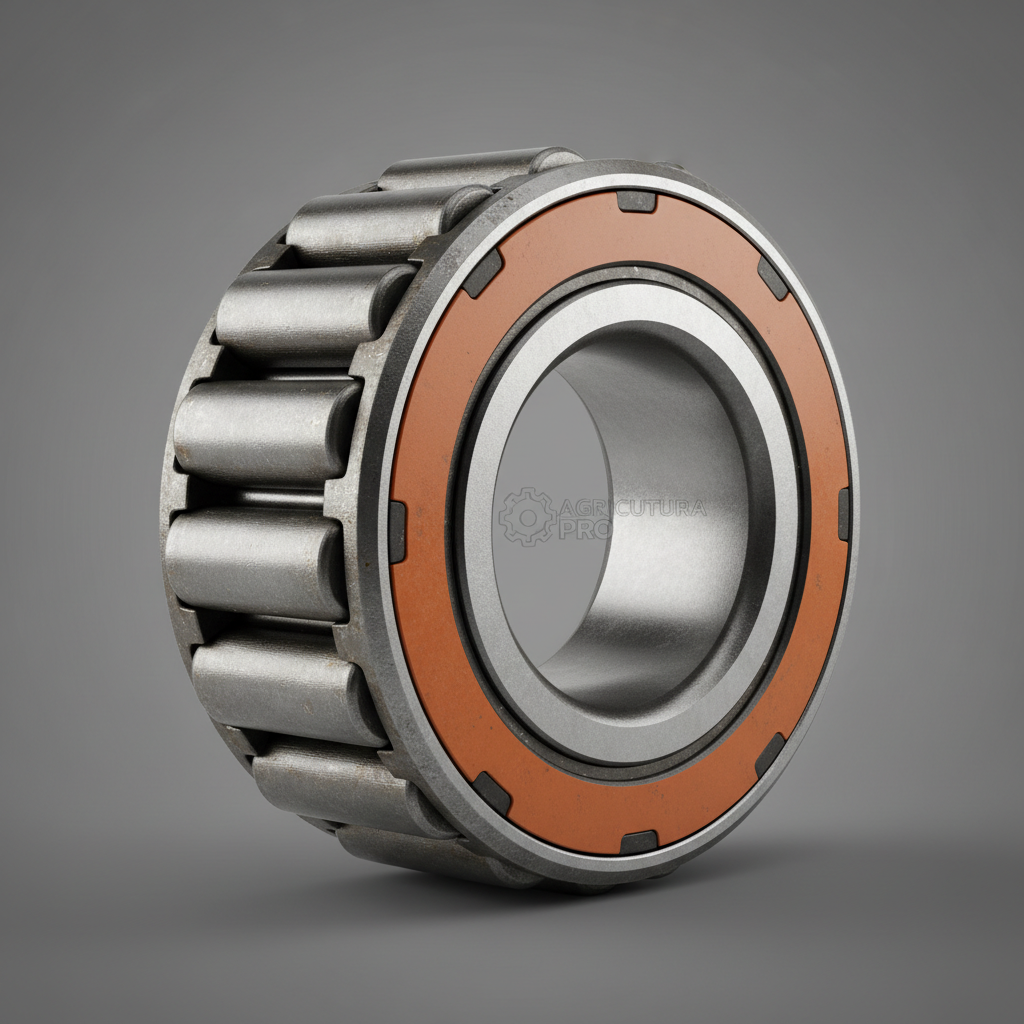
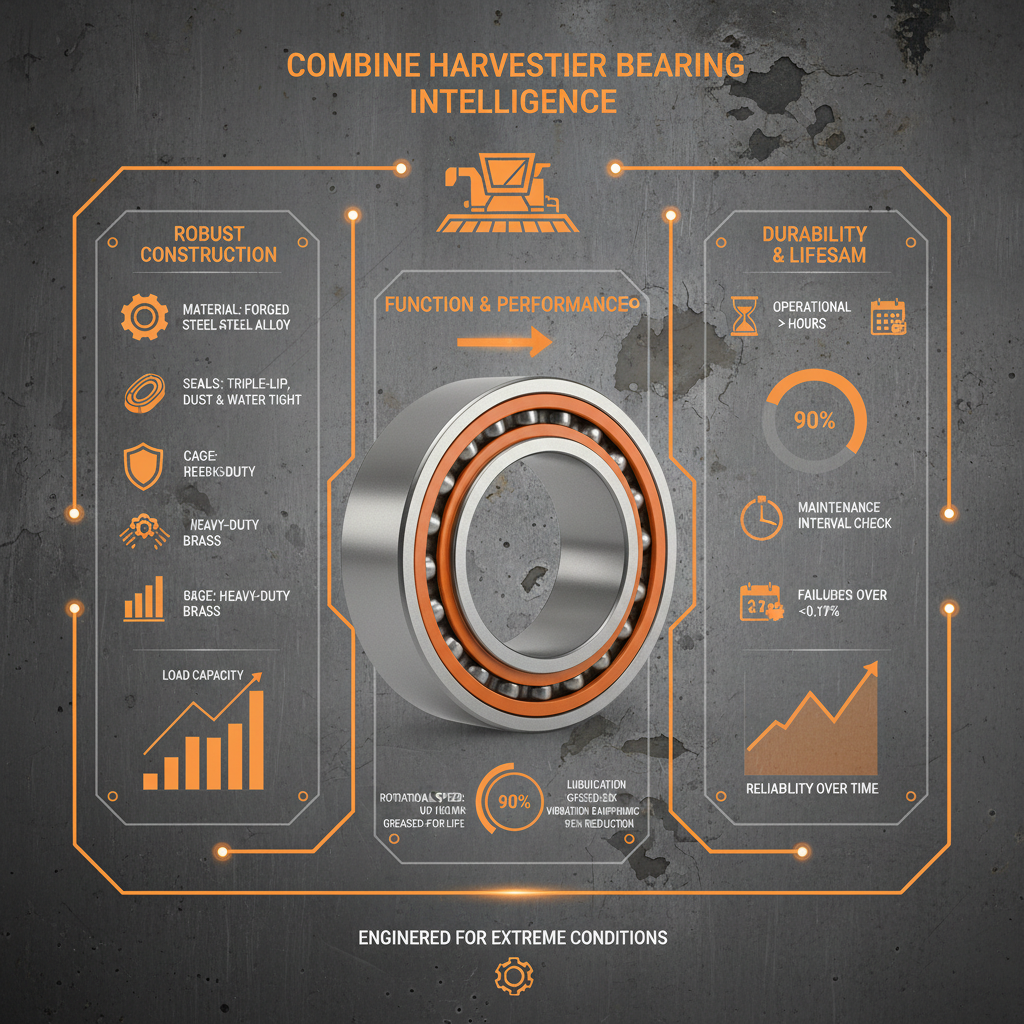
Combine harvester bearings are fundamental to the operational efficiency and longevity of these vital agricultural machines. Their primary function is to reduce friction between moving parts, enabling smooth rotation and power transmission throughout the harvesting process. Without properly functioning bearings, combine harvesters would experience increased energy consumption, reduced performance, and a higher risk of mechanical failure.
The agricultural sector globally relies on these bearings to ensure timely and efficient crop harvesting. A breakdown in a bearing during peak harvest season can result in significant yield losses and economic hardship for farmers. Therefore, the selection, installation, and maintenance of high-quality combine harvester bearings are paramount to successful agricultural operations.
The lifespan of combine harvester bearings varies depending on operating conditions, maintenance practices, and bearing quality. Generally, well-maintained bearings can last between 500 to 1000 hours. However, factors like exposure to harsh environments, heavy loads, and improper lubrication can significantly reduce this lifespan. Regular inspection and preventative maintenance are crucial for maximizing bearing longevity.
The optimal lubricant for combine harvester bearings depends on the bearing type, operating temperature, and environmental conditions. Generally, lithium-based greases with extreme pressure (EP) additives are recommended. These greases provide excellent protection against wear, corrosion, and high loads. It's crucial to consult the bearing manufacturer's specifications to ensure compatibility and optimal performance.
Combine harvester bearings should be inspected at least once per season, and preferably more frequently during peak harvest periods. Inspections should include checking for signs of wear, looseness, noise, and lubricant contamination. Regular inspections can help identify potential problems early on, preventing costly breakdowns and extending bearing life.
Common signs of a failing combine harvester bearing include unusual noises (e.g., grinding, rumbling), excessive vibration, increased temperature, and lubricant leakage. A noticeable change in machine performance, such as reduced power or increased fuel consumption, can also indicate a bearing issue. Addressing these symptoms promptly is essential to prevent further damage.
When storing combine harvester bearings, it’s important to keep them in a clean, dry environment. Protect them from moisture, dust, and extreme temperatures. Ideally, bearings should be stored in their original packaging or in sealed containers. For long-term storage, applying a light coat of preservative oil can help prevent corrosion.
Reusing combine harvester bearings is generally not recommended, especially in critical applications. While a bearing may appear to be in good condition, internal wear and fatigue can compromise its performance and reliability. Replacing bearings with new ones ensures optimal performance, prevents unexpected breakdowns, and maximizes the lifespan of the combine harvester.
In conclusion, combine harvester bearings are indispensable components of modern agricultural machinery, playing a pivotal role in global food production. Their durability, load capacity, and sealing properties are crucial for ensuring efficient harvesting operations and minimizing downtime. Investing in high-quality bearings, coupled with proper maintenance and lubrication, translates to significant cost savings, increased productivity, and a more sustainable agricultural process.
Looking ahead, advancements in materials science and sensor technology promise to further enhance the performance and reliability of these critical components. By embracing these innovations and prioritizing preventative maintenance, farmers can ensure the longevity of their combine harvesters and contribute to a more secure and sustainable food supply. For all your combine harvester bearing needs, visit our website at www.arybearing.com.

 Afrikaans
 Albanian
 Amharic
 Arabic
 Armenian
 Azerbaijani
 Basque
 Belarusian
 Bengali
 Bosnian
 Bulgarian
 Catalan
 Cebuano
 Corsican
 Croatian
 Czech
Czech
 Danish
 Dutch
Dutch
 Esperanto
 Estonian
 Finnish
 French
 Frisian
 Galician
 Georgian
 German
 Greek
Greek
 Gujarati
 Haitian Creole
 Hausa
Hausa
 Hawaiian
 Hebrew
 Hindi
Hindi
 Miao
Miao
 Hungarian
 Icelandic
 Igbo
Igbo
 Indonesian
 Irish
Irish
 Italian
 Japanese
 Javanese
 Kannada
 Kazakh
 Khmer
Khmer
 Rwandese
 Korean
 Kurdish
 Kyrgyz
 Lao
Lao
 Latin
Latin
 Latvian
 Lithuanian
 Luxembourgish
 Macedonian
 Malgashi
 Malay
Malay
 Malayalam
 Maltese
 Maori
Maori
 Marathi
 Mongolian
 Myanmar
 Nepali
 Norwegian
 Norwegian
 Occitan
 Pashto
 Persian
 Polish
 Portuguese
 Punjabi
 Romanian
 Russian
 Samoan
 Scottish Gaelic
 Serbian
 Sesotho
 Shona
Shona
 Sindhi
 Sinhala
 Slovak
 Slovenian
 Somali
 Spanish
 Sundanese
 Swahili
 Swedish
 Tagalog
 Tajik
Tajik
 Tamil
Tamil
 Tatar
Tatar
 Telugu
 Thai
Thai
 Turkish
 Turkmen
 Ukrainian
 Urdu
Urdu
 Uighur
 Uzbek
Uzbek
 Vietnamese
 Welsh
Welsh
 Bantu
Bantu
 Yiddish
 Yoruba
 Zulu
Zulu
 English