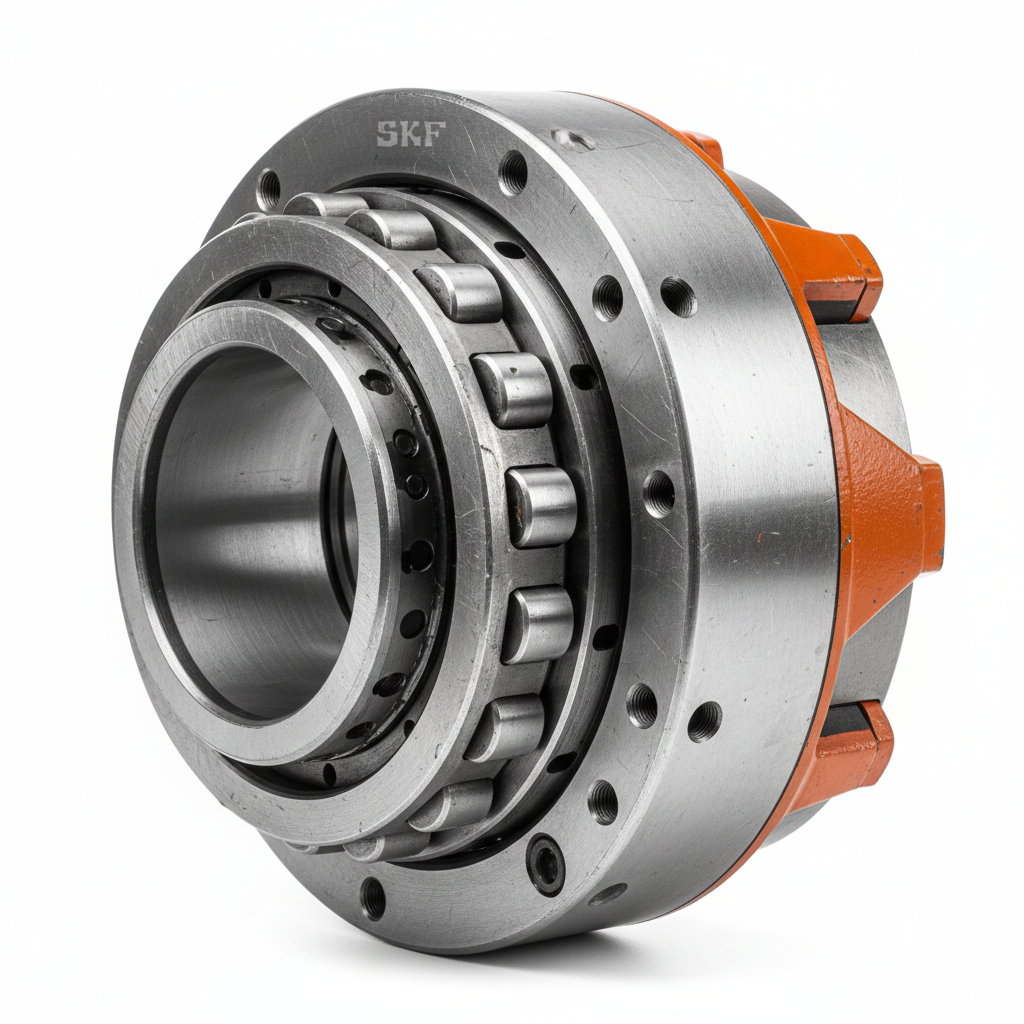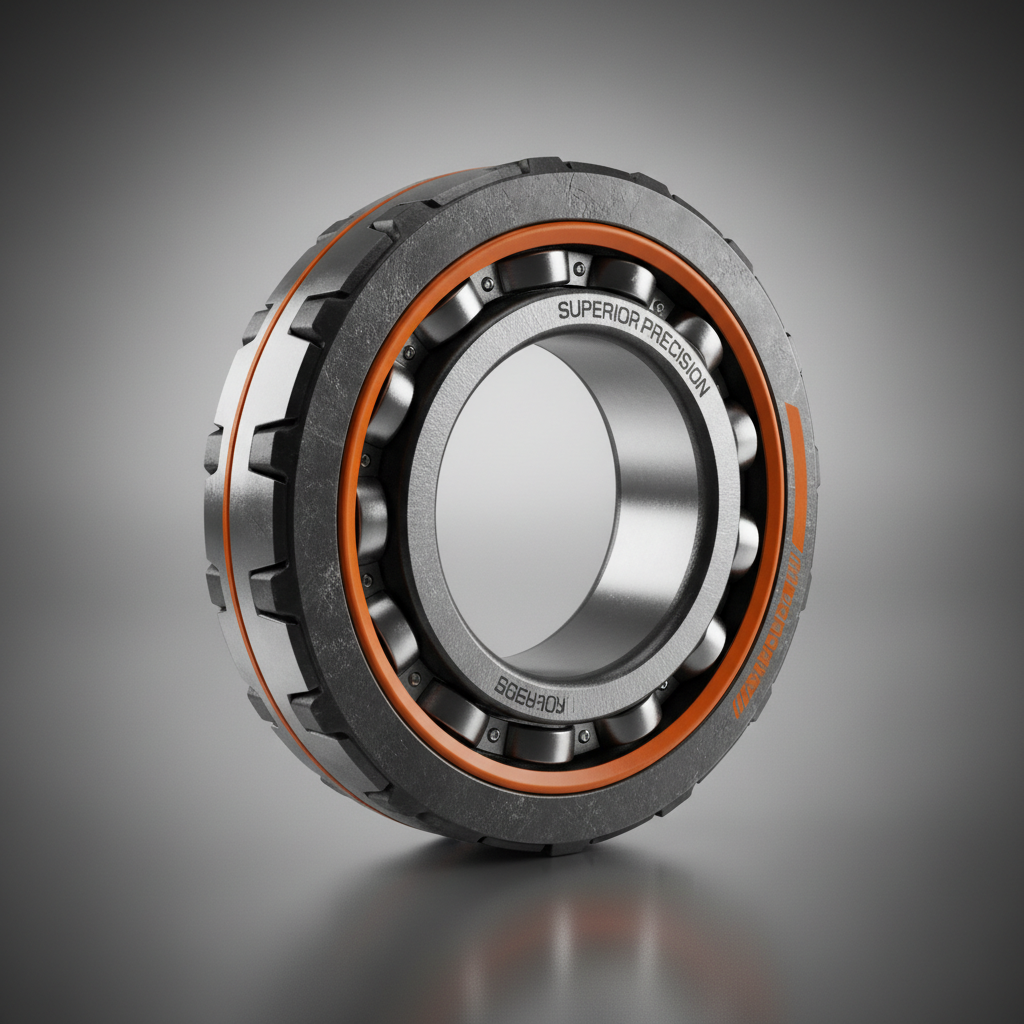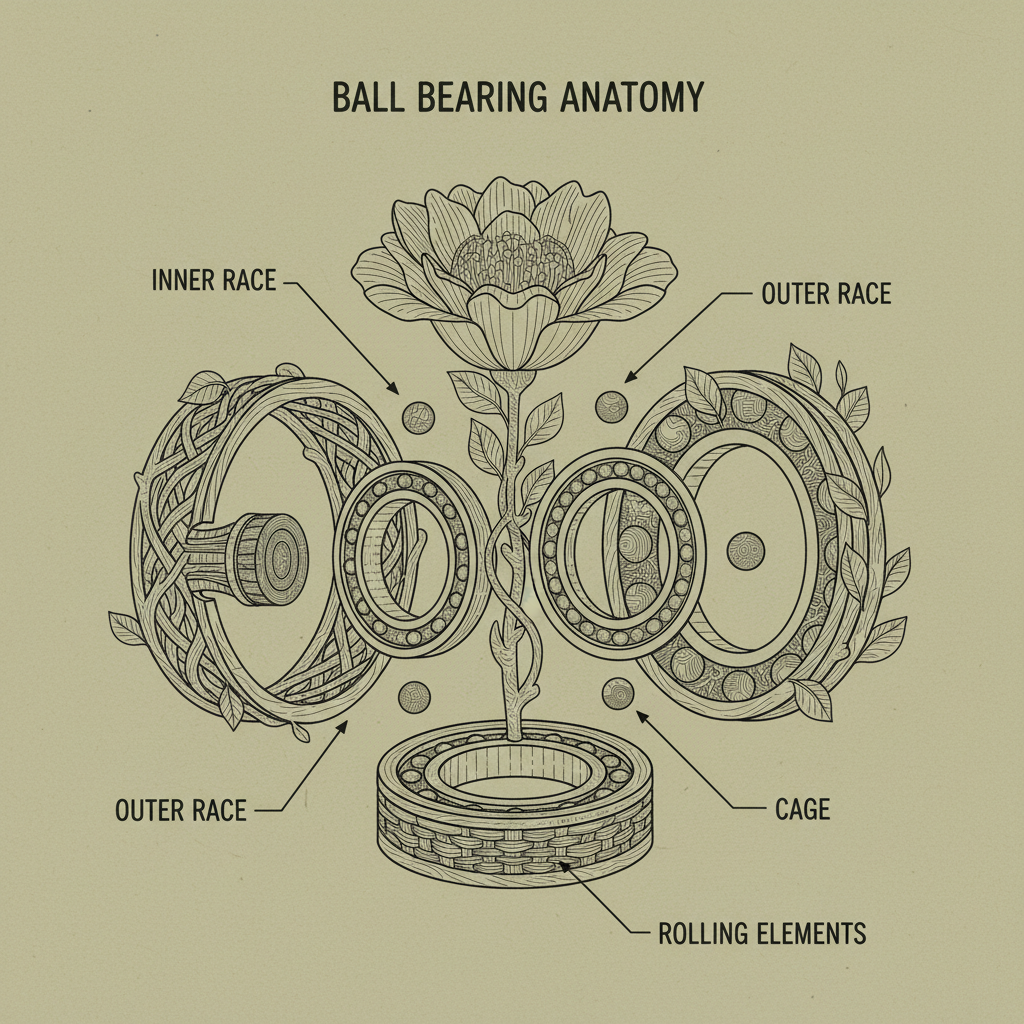
In the complex ecosystem of industrial machinery, the 6309 bearing serves as a critical nexus of motion and stability. As a deep groove ball bearing designed for versatility, it balances radial load capacity with low-friction efficiency, making it indispensable for everything from automotive transmissions to heavy-duty electric motors. Understanding the nuances of this specific component is not merely a technical requirement but a strategic advantage for engineers aiming to reduce downtime and optimize mechanical longevity.
Across the global manufacturing landscape, the standardization of components like the 6309 bearing ensures that machinery can be maintained and repaired regardless of the geographical location. Whether in a high-tech facility in Germany or a remote mining operation in Australia, the reliability of these bearings directly impacts production yields. When a single bearing fails, the ripple effect can lead to catastrophic equipment failure and significant financial losses, highlighting the need for high-precision engineering.
The shift toward Industry 4.0 has further elevated the importance of selecting the right bearing. The 6309 bearing is now often integrated into systems with smart sensors to monitor vibration and heat, allowing for predictive maintenance. By transitioning from reactive to proactive replacement cycles, companies can achieve unprecedented levels of operational efficiency while ensuring the safety of their workforce and the sustainability of their hardware.
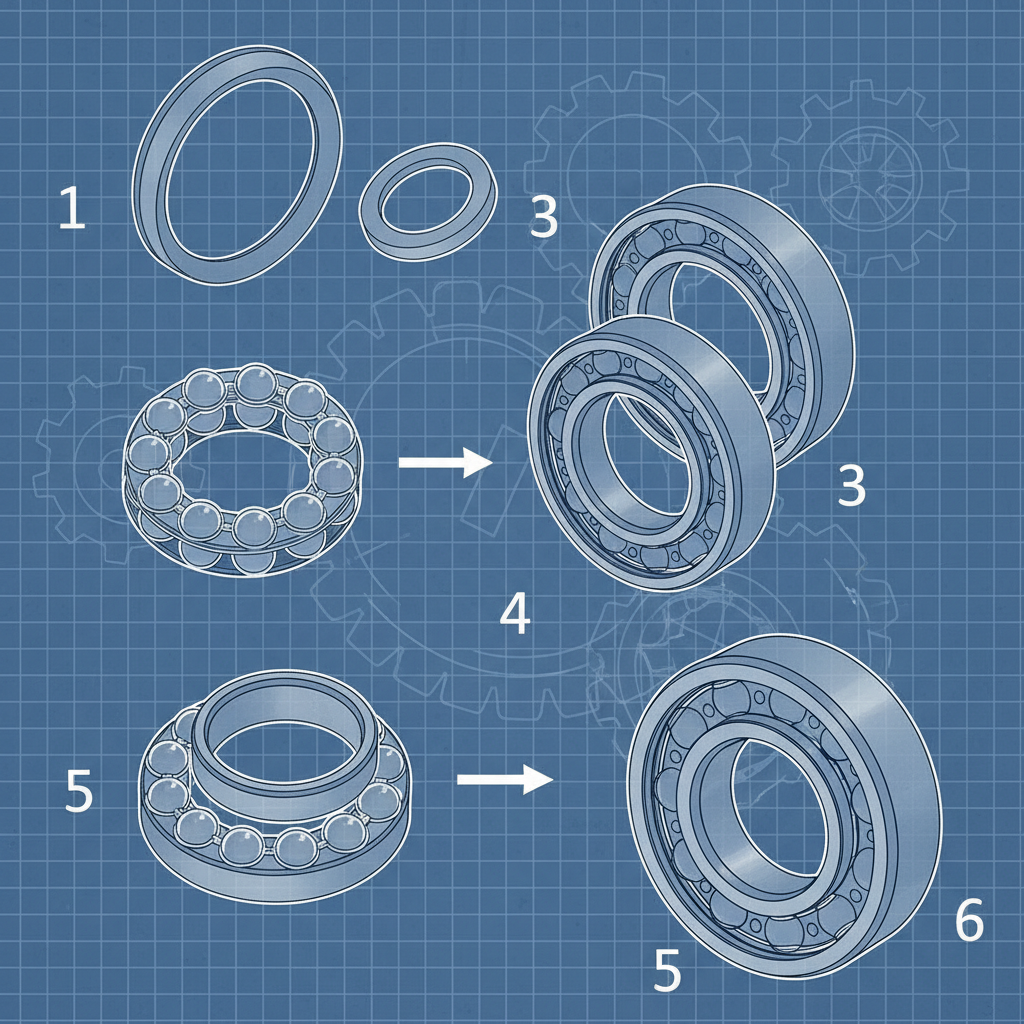

The 6309 bearing operates as a cornerstone in the global supply chain for precision machinery. According to ISO standards, the interchangeability of these components is vital for maintaining global trade in industrial equipment. In sectors ranging from textile manufacturing in Southeast Asia to automotive assembly in North America, the 6309 series provides the necessary stability for high-speed rotations, ensuring that production lines move with minimal friction and maximum precision.
Beyond simple utility, the global demand for this bearing reflects the broader growth of the general equipment manufacturing industry. As emerging economies invest in infrastructure and automation, the requirement for reliable, high-load components increases. The 6309 bearing solves the critical challenge of managing radial loads while maintaining a compact footprint, allowing for the design of more efficient and space-saving industrial machines.
The 6309 bearing is part of the 6300 series, which is characterized by a larger outer ring diameter compared to the 6000 or 6200 series for the same bore size. This provides higher radial load capacity and greater stability, making it ideal for heavier industrial applications where the 6209 might be too light but a spherical roller bearing would be overkill.
Lubrication intervals for a 6309 bearing depend on speed, load, and environment. In standard industrial settings, every 2,000 to 5,000 operating hours is common. However, in high-temperature or contaminated environments, this may be reduced to every 1,000 hours. Sealed versions (2RS) generally require no additional lubrication for their entire lifespan.
Yes, the 6309 bearing can handle moderate axial loads in both directions due to its deep groove design. However, it is primarily designed for radial loads. If your application requires significant thrust loads, you might consider an angular contact ball bearing or a tapered roller bearing instead.
The most common signs of 6309 bearing failure include an increase in operating temperature, audible humming or grinding noises (indicating raceway damage), and increased vibration levels. If you notice "play" or looseness in the shaft, the bearing has likely reached the end of its fatigue life and needs immediate replacement.
Absolutely. The 6309 bearing is highly efficient at high speeds. To maximize performance, ensure you use high-quality synthetic oil and check that the internal clearance (C3 or C4) is appropriate for the expected thermal expansion of the shaft at high RPMs.
Choose an open 6309 bearing if the unit is housed in an oil bath or has an automated lubrication system. Choose a sealed (ZZ or 2RS) version if the bearing is exposed to dust, moisture, or if you want a "maintenance-free" installation where the grease is pre-packed and locked in.
The 6309 bearing stands as a testament to the power of precision engineering in the modern industrial era. By seamlessly combining radial strength, high-speed efficiency, and global standardization, it ensures that the wheels of industry—literally and figuratively—continue to turn. From the selection of high-carbon steel to the implementation of smart sensors and hybrid materials, every detail of this component is designed to minimize friction and maximize productivity.
As we move toward a future defined by automation and green energy, the role of the 6309 bearing will only evolve. We recommend that engineers prioritize high-precision variants and proactive lubrication strategies to unlock the full potential of their machinery. To explore our full range of high-performance bearing solutions and technical specifications, visit our website: www.arybearing.com

 Afrikaans
 Albanian
 Amharic
 Arabic
 Armenian
 Azerbaijani
 Basque
 Belarusian
 Bengali
 Bosnian
 Bulgarian
 Catalan
 Cebuano
 Corsican
 Croatian
 Czech
Czech
 Danish
 Dutch
Dutch
 Esperanto
 Estonian
 Finnish
 French
 Frisian
 Galician
 Georgian
 German
 Greek
Greek
 Gujarati
 Haitian Creole
 Hausa
Hausa
 Hawaiian
 Hebrew
 Hindi
Hindi
 Miao
Miao
 Hungarian
 Icelandic
 Igbo
Igbo
 Indonesian
 Irish
Irish
 Italian
 Japanese
 Javanese
 Kannada
 Kazakh
 Khmer
Khmer
 Rwandese
 Korean
 Kurdish
 Kyrgyz
 Lao
Lao
 Latin
Latin
 Latvian
 Lithuanian
 Luxembourgish
 Macedonian
 Malgashi
 Malay
Malay
 Malayalam
 Maltese
 Maori
Maori
 Marathi
 Mongolian
 Myanmar
 Nepali
 Norwegian
 Norwegian
 Occitan
 Pashto
 Persian
 Polish
 Portuguese
 Punjabi
 Romanian
 Russian
 Samoan
 Scottish Gaelic
 Serbian
 Sesotho
 Shona
Shona
 Sindhi
 Sinhala
 Slovak
 Slovenian
 Somali
 Spanish
 Sundanese
 Swahili
 Swedish
 Tagalog
 Tajik
Tajik
 Tamil
Tamil
 Tatar
Tatar
 Telugu
 Thai
Thai
 Turkish
 Turkmen
 Ukrainian
 Urdu
Urdu
 Uighur
 Uzbek
Uzbek
 Vietnamese
 Welsh
Welsh
 Bantu
Bantu
 Yiddish
 Yoruba
 Zulu
Zulu
 English