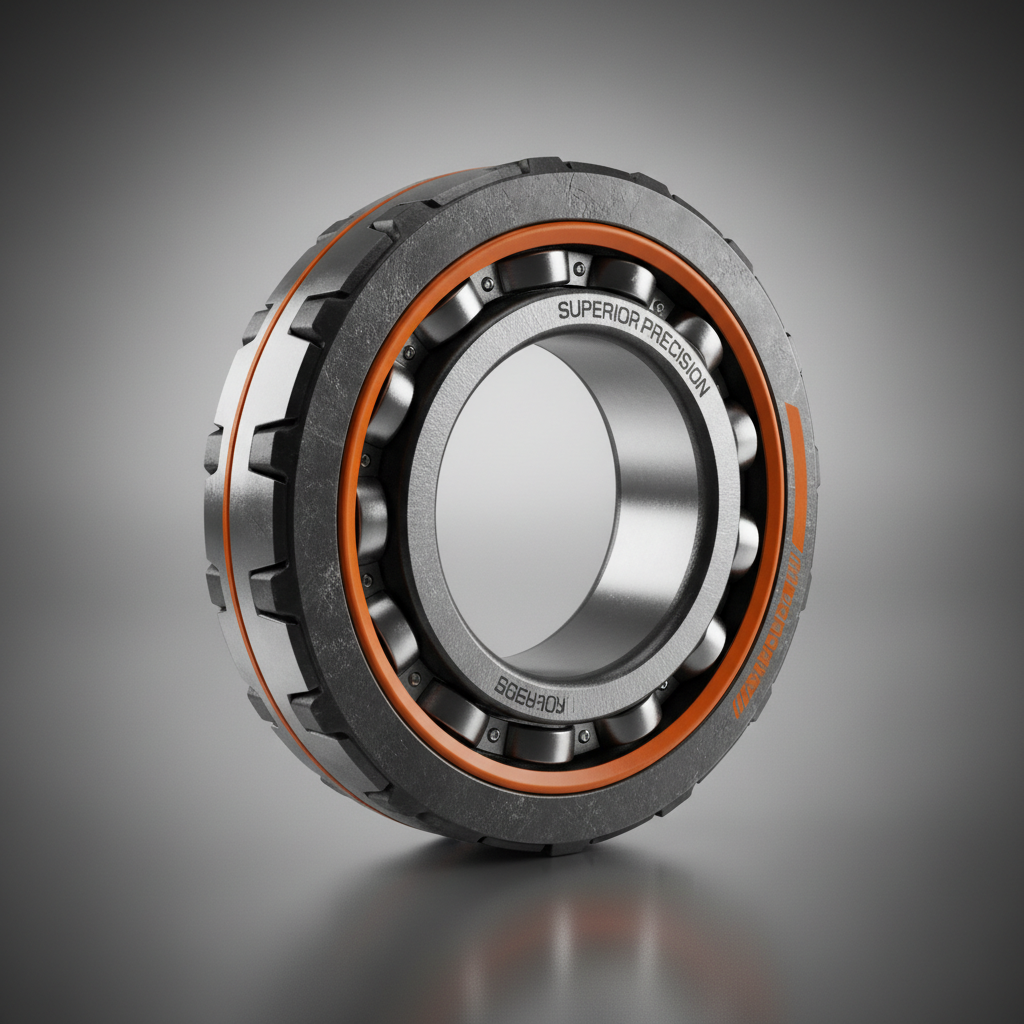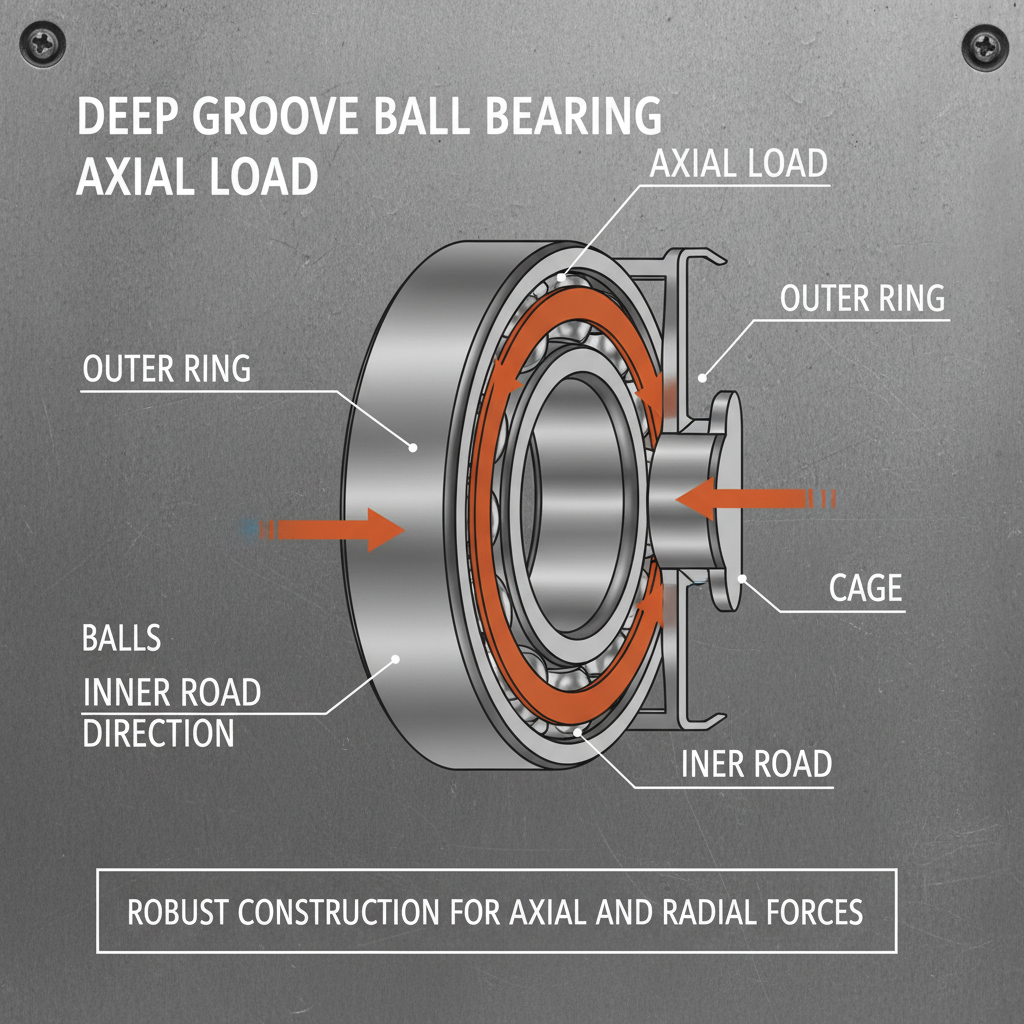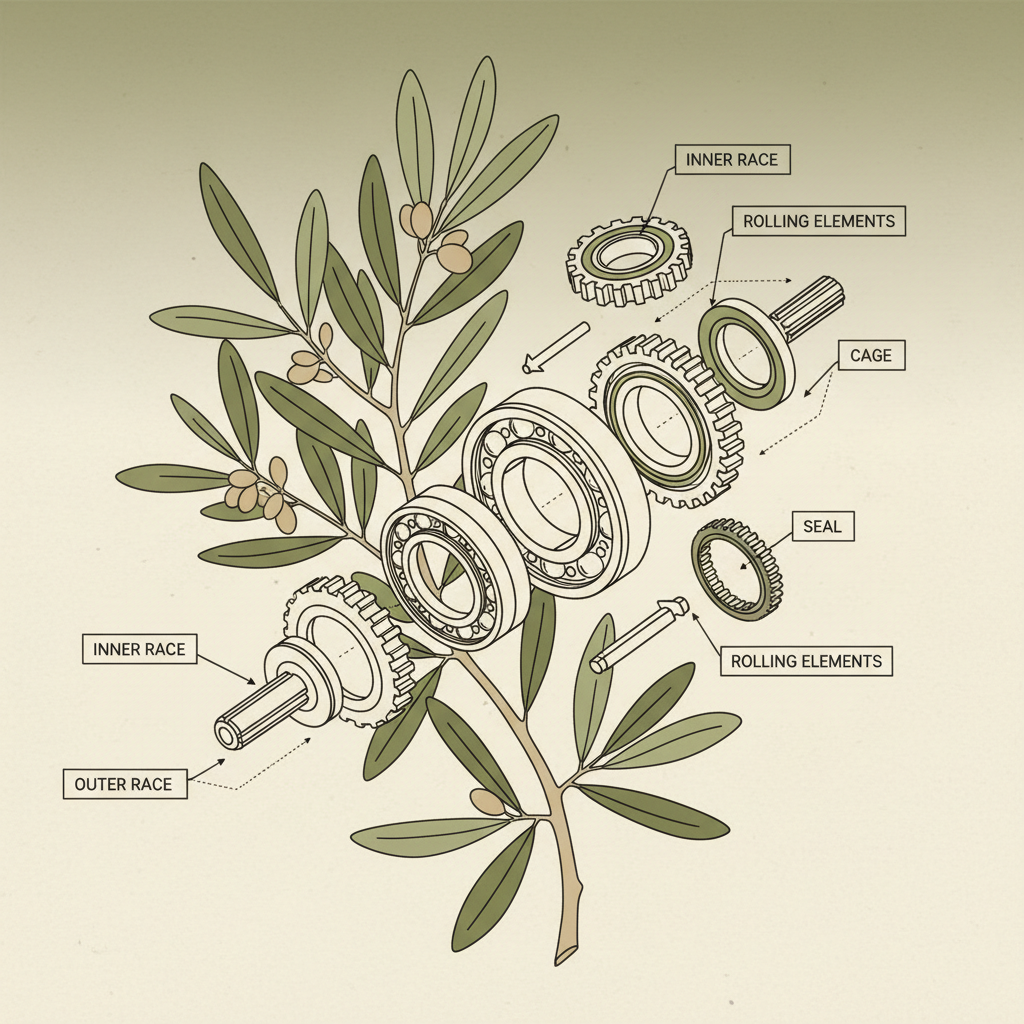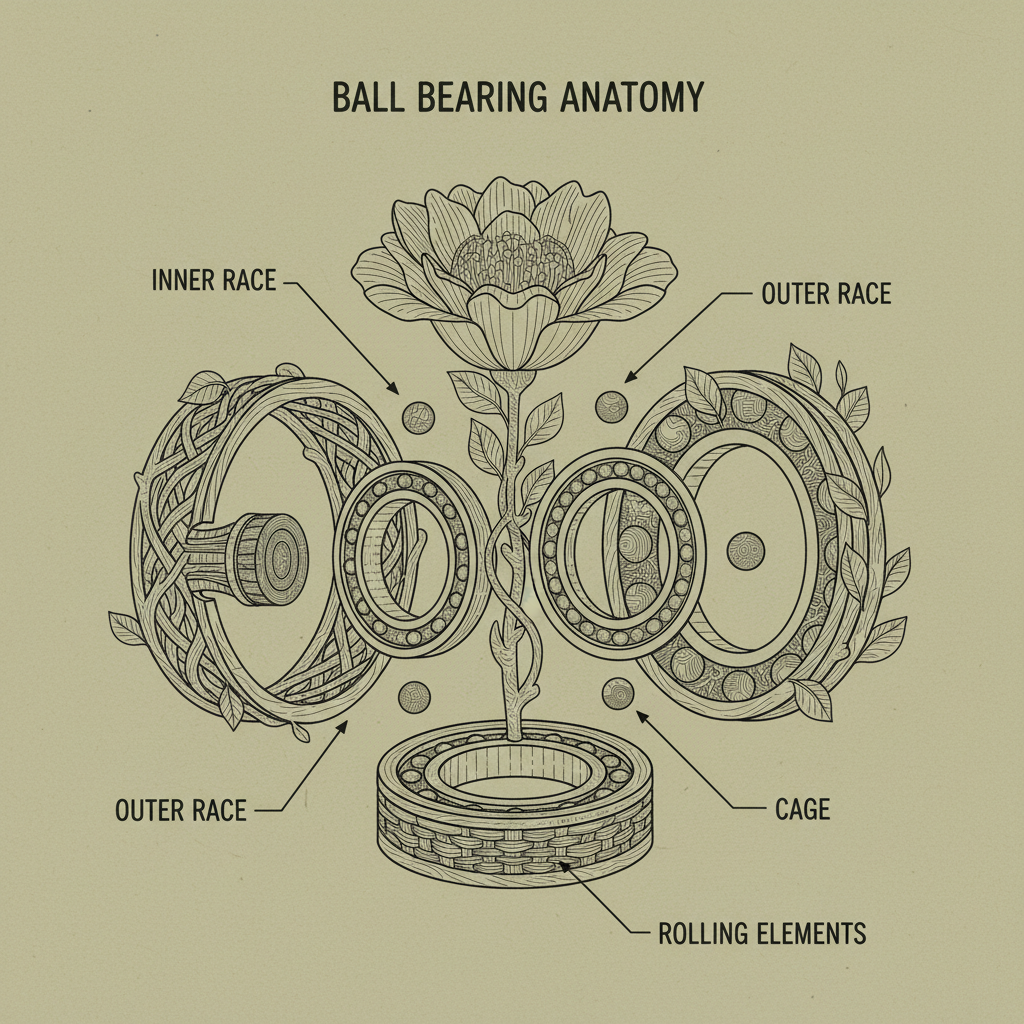
Concrete mixer bearings are critical components in ensuring the efficient and reliable operation of concrete mixers globally. These bearings endure immense stress and harsh conditions, playing a pivotal role in construction, infrastructure development, and even emergency response situations. Understanding their function, maintenance, and advancements is crucial for professionals in the construction industry and beyond. The demand for high-quality concrete mixer bearings continues to grow alongside global construction trends.
The global construction industry is a massive economic driver, with trillions of dollars invested annually. As urbanization continues and infrastructure needs increase, the demand for concrete – and consequently, concrete mixers – will remain strong. Bearings within these mixers are subjected to heavy loads, abrasive materials, and continuous operation, making them prone to failure. Reliable concrete mixer bearings directly impact project timelines, costs, and safety. According to the United Nations, sustainable infrastructure is a key component of achieving the Sustainable Development Goals, further highlighting the importance of durable components like these bearings.
The efficiency and longevity of concrete mixing operations rely heavily on the integrity of their bearings. From large-scale commercial projects to smaller residential developments, consistent and dependable performance is paramount. Selecting the appropriate concrete mixer bearings significantly reduces downtime, maintenance costs, and potential safety hazards. This makes understanding their specifications and optimal usage a critical skill for construction managers and maintenance personnel.
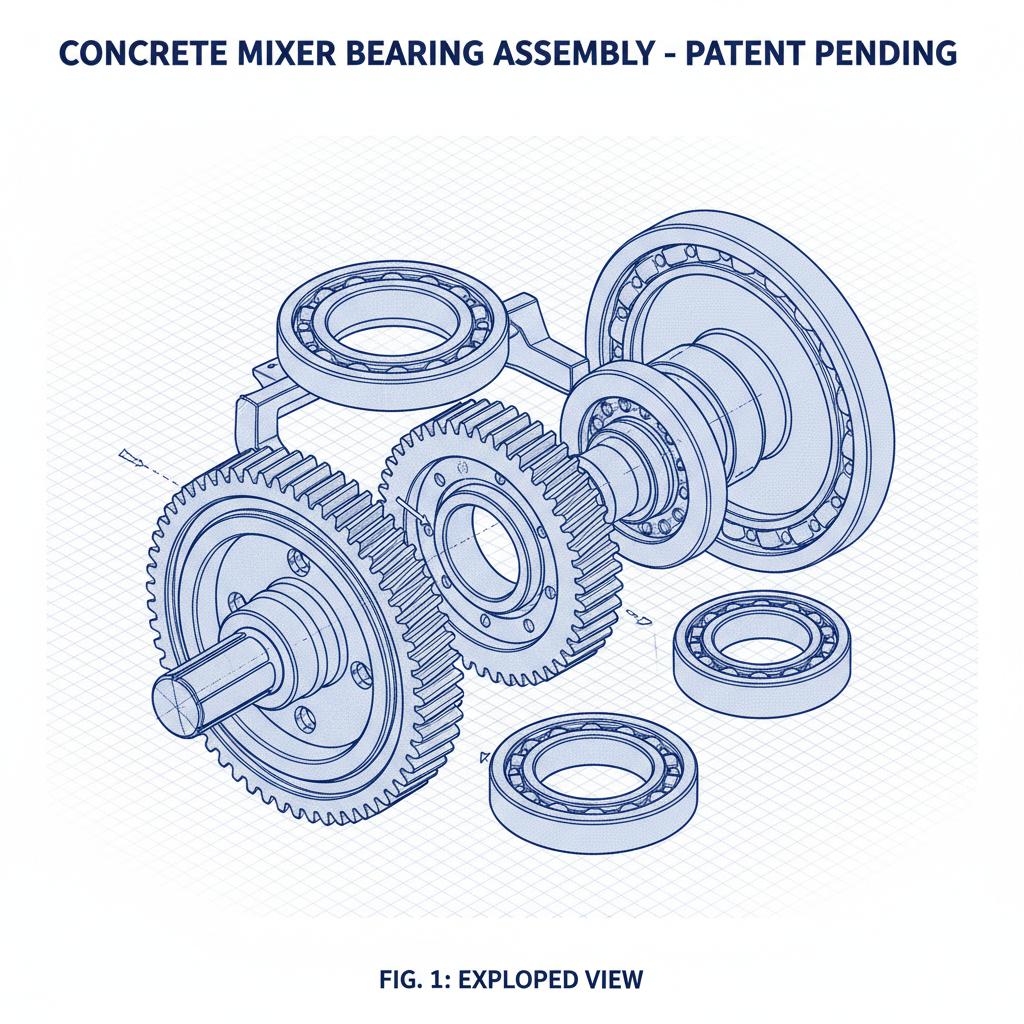
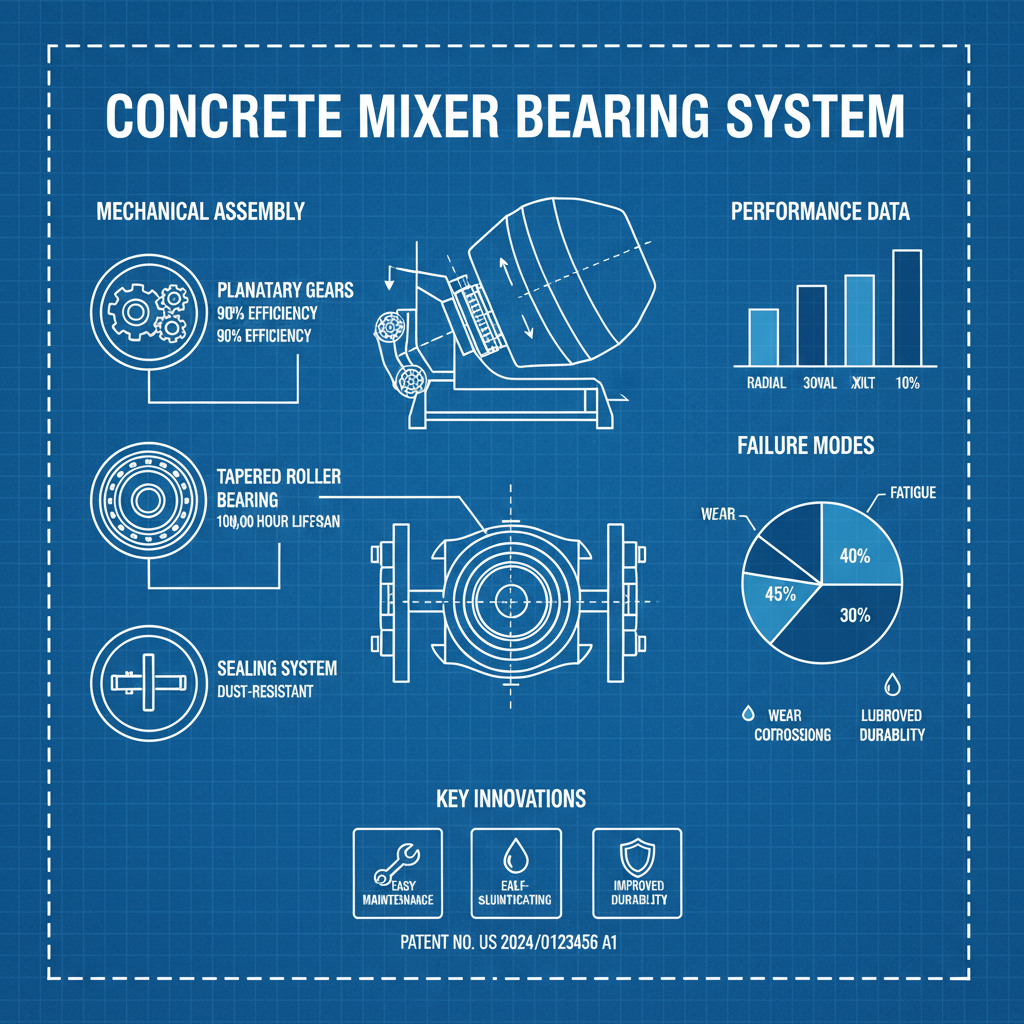
Concrete mixer bearings are the unsung heroes of the construction industry. They provide the crucial support needed for the drum to rotate smoothly, ensuring consistent mixing and preventing premature wear and tear. Without robust bearings, mixers experience increased friction, energy loss, and a significantly shortened lifespan. The proper selection of a concrete mixer bearing can have a direct impact on a project’s overall profitability.
The demanding operating environment of a concrete mixer – exposure to dust, water, and heavy loads – requires bearings designed for exceptional durability and resilience. Regular inspection and maintenance of these bearings are essential to prevent costly breakdowns and ensure continued operational efficiency. Ignoring this vital component can lead to significant delays and expensive repairs.
The lifespan of a concrete mixer bearing varies depending on factors such as operating conditions, load, lubrication, and maintenance. Generally, a well-maintained bearing can last between 2,000 to 5,000 operating hours. However, in harsh environments or with improper maintenance, this lifespan can be significantly reduced. Regular inspections and timely replacements are crucial for optimal performance and to avoid costly downtime.
Lubrication frequency depends on the type of bearing, operating conditions, and the lubricant used. A general guideline is to lubricate bearings every 25-50 operating hours or after each major project. Refer to the bearing manufacturer’s recommendations for specific lubrication intervals and the appropriate type of lubricant. Over-lubrication can be just as harmful as under-lubrication.
Common signs of a failing concrete mixer bearing include unusual noises (grinding, squealing), excessive vibration, increased heat, and visible signs of wear or damage. If you observe any of these symptoms, it's essential to inspect the bearing immediately and replace it if necessary. Ignoring these warning signs can lead to catastrophic mixer failure.
For heavy-duty concrete mixers, spherical roller bearings or tapered roller bearings are generally recommended. These bearings are designed to handle high radial and axial loads, as well as shock loads. Spherical roller bearings are particularly well-suited for applications with misalignment, while tapered roller bearings excel in handling thrust loads. Always consult with a bearing specialist to determine the best option for your specific mixer model.
Absolutely. Incorrect installation is a leading cause of premature bearing failure. Improper mounting, misalignment, or excessive force during installation can introduce stress and damage the bearing. Always follow the manufacturer's installation instructions carefully and use the appropriate tools. If you're unsure about the installation process, it's best to consult with a qualified technician.
Bearing sealing is critical for preventing contaminants like dust, water, and debris from entering the bearing and causing damage. Effective seals protect the lubricant and minimize wear. Different seal types (rubber seals, metal shields, etc.) offer varying levels of protection. Choosing the right seal for the operating environment is essential for maximizing bearing life and performance.
In conclusion, concrete mixer bearings are indispensable components of the construction industry, providing the critical support needed for efficient and reliable concrete production. Their durability, load capacity, and sealing effectiveness directly impact project timelines, costs, and safety. Understanding the key factors influencing bearing performance, along with proper maintenance practices, is essential for maximizing their lifespan and minimizing downtime.
Looking ahead, advancements in materials science, smart bearing technology, and automation promise to further enhance the performance and reliability of these vital components. Investing in high-quality bearings and staying abreast of the latest innovations will be crucial for contractors and construction professionals seeking to optimize their operations and build a more sustainable future. For superior concrete mixer bearings and expert guidance, visit our website today!

 Afrikaans
 Albanian
 Amharic
 Arabic
 Armenian
 Azerbaijani
 Basque
 Belarusian
 Bengali
 Bosnian
 Bulgarian
 Catalan
 Cebuano
 Corsican
 Croatian
 Czech
Czech
 Danish
 Dutch
Dutch
 Esperanto
 Estonian
 Finnish
 French
 Frisian
 Galician
 Georgian
 German
 Greek
Greek
 Gujarati
 Haitian Creole
 Hausa
Hausa
 Hawaiian
 Hebrew
 Hindi
Hindi
 Miao
Miao
 Hungarian
 Icelandic
 Igbo
Igbo
 Indonesian
 Irish
Irish
 Italian
 Japanese
 Javanese
 Kannada
 Kazakh
 Khmer
Khmer
 Rwandese
 Korean
 Kurdish
 Kyrgyz
 Lao
Lao
 Latin
Latin
 Latvian
 Lithuanian
 Luxembourgish
 Macedonian
 Malgashi
 Malay
Malay
 Malayalam
 Maltese
 Maori
Maori
 Marathi
 Mongolian
 Myanmar
 Nepali
 Norwegian
 Norwegian
 Occitan
 Pashto
 Persian
 Polish
 Portuguese
 Punjabi
 Romanian
 Russian
 Samoan
 Scottish Gaelic
 Serbian
 Sesotho
 Shona
Shona
 Sindhi
 Sinhala
 Slovak
 Slovenian
 Somali
 Spanish
 Sundanese
 Swahili
 Swedish
 Tagalog
 Tajik
Tajik
 Tamil
Tamil
 Tatar
Tatar
 Telugu
 Thai
Thai
 Turkish
 Turkmen
 Ukrainian
 Urdu
Urdu
 Uighur
 Uzbek
Uzbek
 Vietnamese
 Welsh
Welsh
 Bantu
Bantu
 Yiddish
 Yoruba
 Zulu
Zulu
 English