Precision bearing & machine represent the cornerstone of modern industrial functionality, impacting sectors from aerospace and automotive to healthcare and consumer electronics. The demand for high-precision components is continually escalating, driven by the need for increased efficiency, reliability, and miniaturization in complex systems. Understanding the intricacies of precision bearing & machine is therefore critical for engineers, manufacturers, and anyone involved in the design, development, or maintenance of advanced machinery.
Globally, the market for precision bearing & machine is experiencing significant growth, projected to reach multi-billion dollar valuations in the coming years (source: industry reports, market analysis firms). This growth is fueled by rapid industrialization in emerging economies, the increasing adoption of automation and robotics, and the relentless pursuit of performance improvements across various applications. Investing in knowledge related to precision bearing & machine is crucial for remaining competitive in today's technologically advanced landscape.
The ability to accurately select, implement, and maintain precision bearing & machine directly translates to enhanced product quality, reduced downtime, and optimized operational costs. From ensuring the smooth operation of critical medical devices to enabling the precise movements of robotic arms, these components play an indispensable role in shaping the world around us.
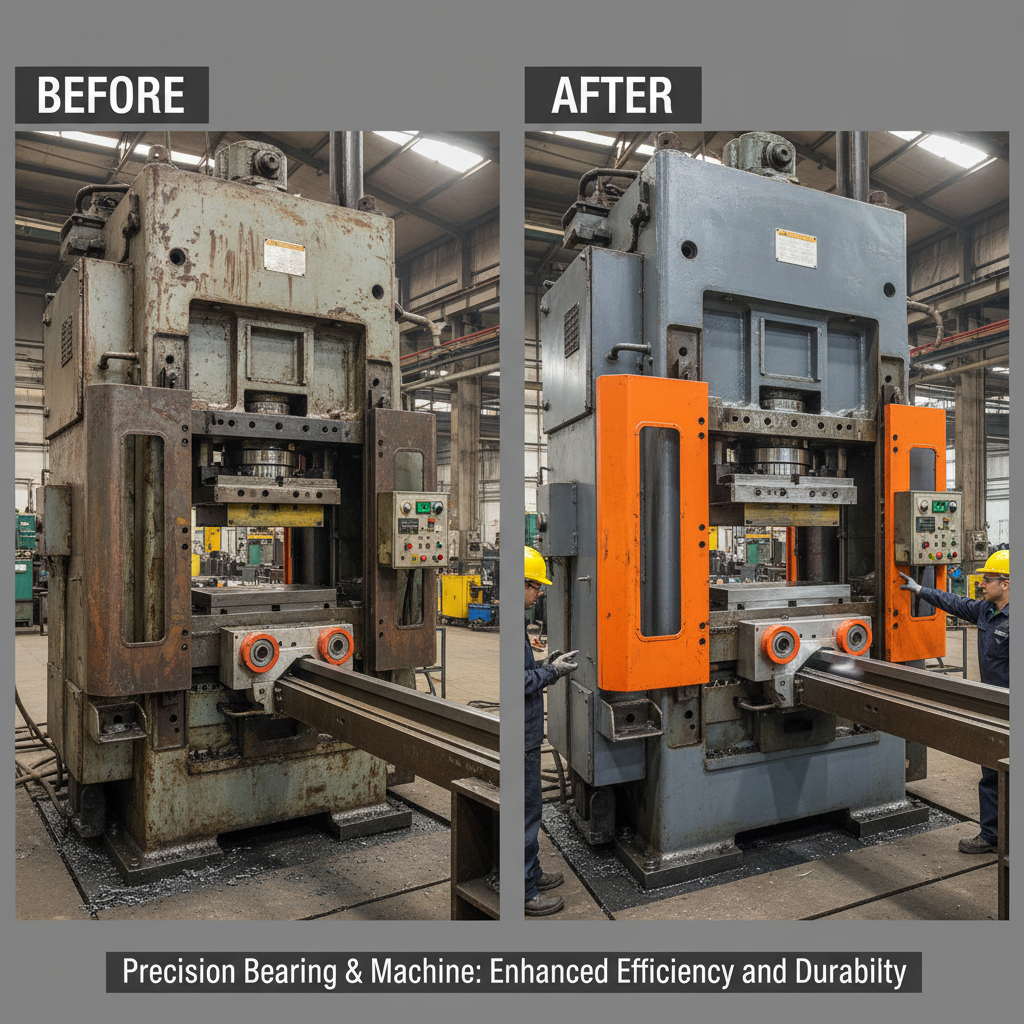
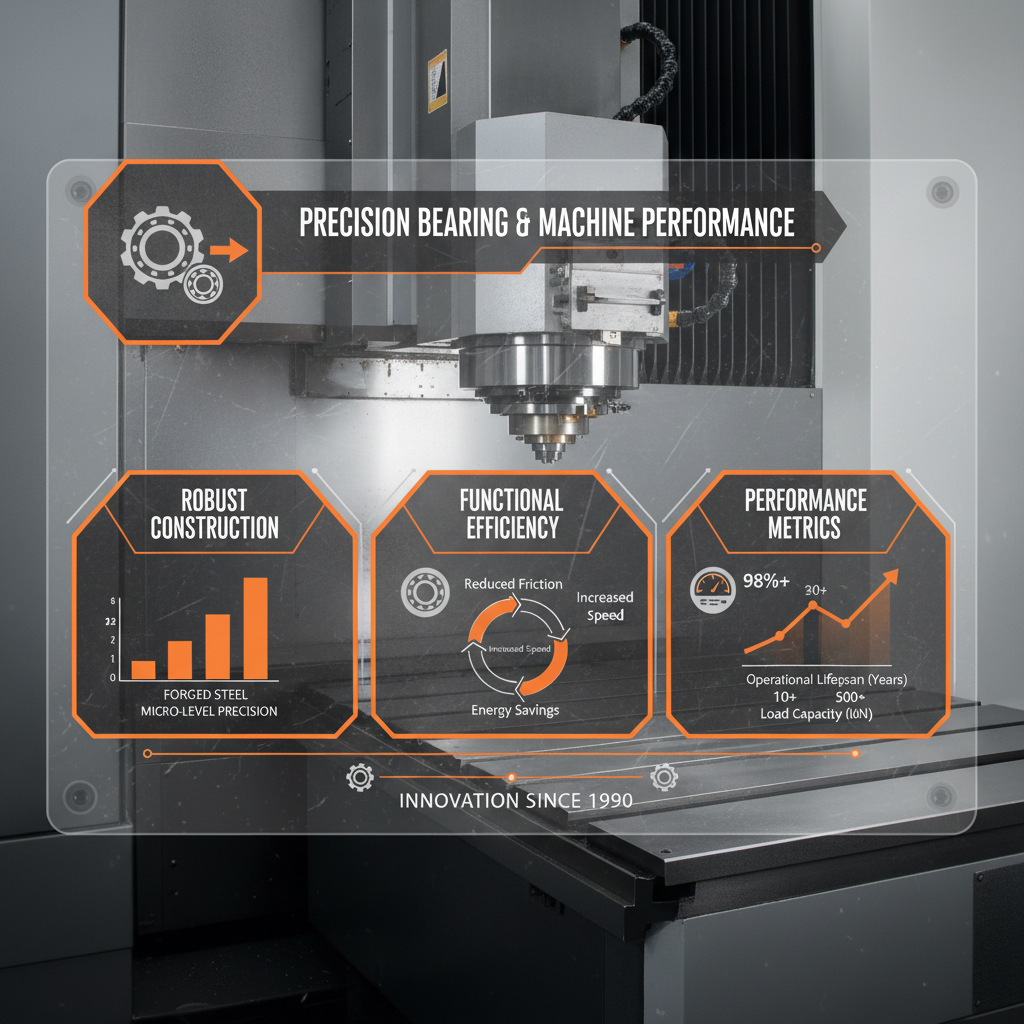
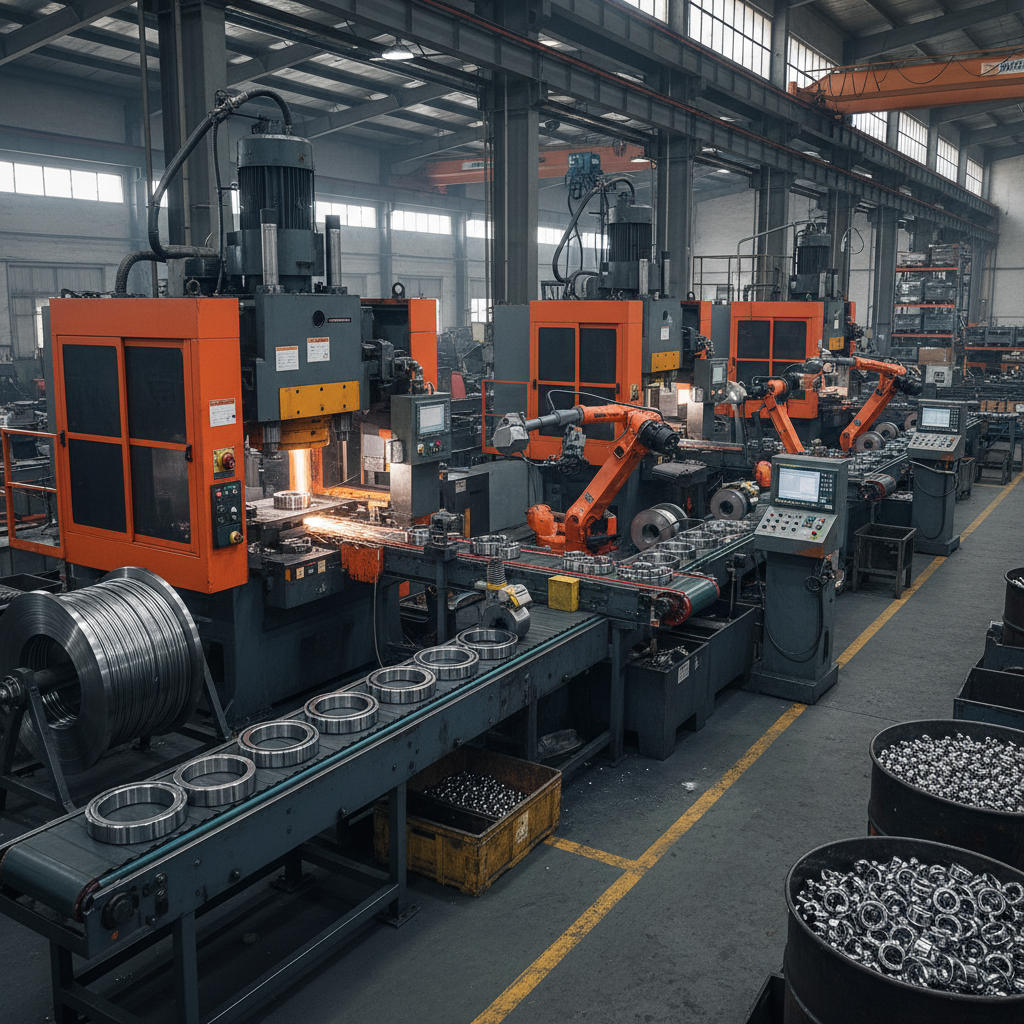
The field of precision bearing & machine encompasses the design, manufacturing, and application of components engineered to extremely tight tolerances. This level of precision isn’t merely about dimensional accuracy; it’s about controlling a multitude of factors, including surface finish, material composition, and internal clearances. These characteristics directly impact the performance and lifespan of the components they comprise.
This level of intricacy makes precision bearing & machine crucial to a vast number of sectors. From the medical field where precision is vital for life-saving devices, to aerospace where reliable function is essential for safety, the applications are widespread and continually evolving. The importance of understanding these components and their application is paramount for engineers, manufacturers, and researchers driving innovation.
Precision bearing & machine are crucial in medical devices requiring high accuracy and reliability, such as MRI scanners, surgical robots, and dental drills. They ensure smooth, precise movements necessary for accurate diagnosis and treatment. The demand for biocompatible materials and minimal friction is paramount in these applications, often leveraging ceramic or specialized polymer bearings. This translates to more effective patient care and less invasive procedures.
Material selection is arguably the most significant factor impacting the lifespan of precision bearing & machine. High-grade steels offer excellent load-carrying capacity, while ceramics provide superior corrosion resistance and high-temperature performance. Specialized alloys can offer a balance of properties. Choosing the correct material for a specific application—considering factors like load, speed, temperature, and environment—is essential for maximizing component longevity and minimizing maintenance requirements.
The core difference lies in the manufacturing tolerances and quality control processes. Standard bearings are produced to general industry standards, while precision bearings are engineered to exceedingly tight tolerances (often measured in microns). This results in superior surface finish, reduced runout, and lower friction. Precision bearings undergo rigorous inspection and testing to ensure they meet demanding performance requirements, making them ideal for critical applications.
Optimal lubrication depends on factors like bearing speed, load, temperature, and operating environment. Synthetic lubricants generally outperform mineral oils in precision applications due to their higher thermal stability and lower friction. Greases provide longer-lasting lubrication, while oils offer better cooling. Consulting with a lubrication specialist or referring to the bearing manufacturer’s recommendations is crucial for selecting the appropriate lubricant and ensuring long-term reliability.
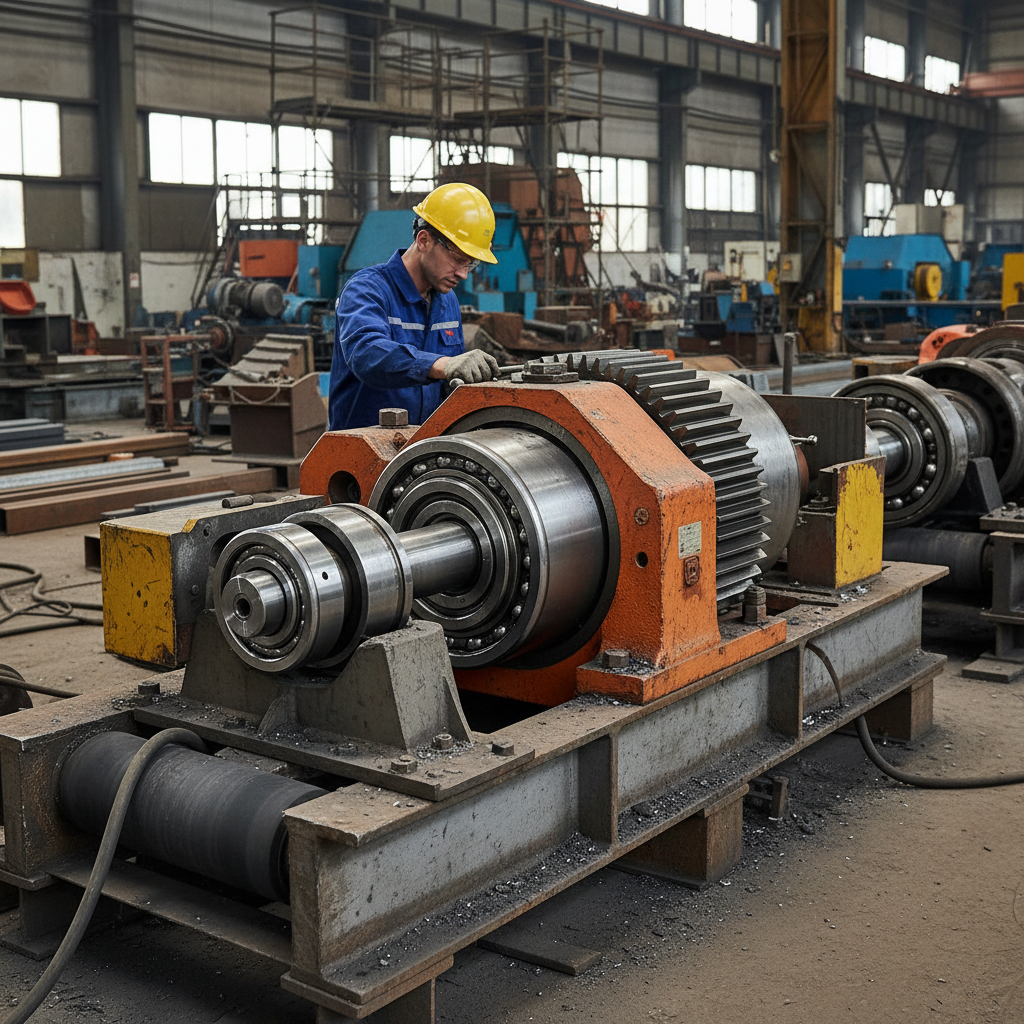
Dynamic balancing is the process of distributing the mass of a rotating component evenly to minimize vibrations. In precision bearing & machine applications, even slight imbalances can lead to excessive wear, noise, and reduced accuracy. Balancing ensures smooth operation at high speeds, extending component lifespan and improving overall system performance. It's particularly critical in applications like high-speed spindles and rotating machinery.
Precision bearing & machine typically have a higher upfront cost due to the advanced manufacturing processes and quality control measures involved. However, this initial investment is often offset by long-term cost savings. Reduced downtime, increased productivity, improved product quality, and extended component lifespan all contribute to a lower total cost of ownership. Choosing precision components is a strategic investment in reliability and performance.
In conclusion, precision bearing & machine are fundamental to a vast range of industries and applications, driving innovation and enhancing performance across diverse sectors. Their ability to operate reliably under demanding conditions, coupled with their potential for improved efficiency and reduced downtime, makes them essential components in modern technology. Understanding the core principles, materials, and manufacturing processes behind these components is paramount for engineers and manufacturers seeking to optimize their products and processes.
Looking ahead, the future of precision bearing & machine will be shaped by advancements in materials science, additive manufacturing, and artificial intelligence. Embracing these innovations and investing in precision engineering capabilities will be crucial for companies seeking to maintain a competitive edge in an increasingly complex and technologically driven world. For more information and to explore our range of precision bearing & machine solutions, visit our website: precision bearing & machine.

 Afrikaans
 Albanian
 Amharic
 Arabic
 Armenian
 Azerbaijani
 Basque
 Belarusian
 Bengali
 Bosnian
 Bulgarian
 Catalan
 Cebuano
 Corsican
 Croatian
 Czech
Czech
 Danish
 Dutch
Dutch
 Esperanto
 Estonian
 Finnish
 French
 Frisian
 Galician
 Georgian
 German
 Greek
Greek
 Gujarati
 Haitian Creole
 Hausa
Hausa
 Hawaiian
 Hebrew
 Hindi
Hindi
 Miao
Miao
 Hungarian
 Icelandic
 Igbo
Igbo
 Indonesian
 Irish
Irish
 Italian
 Japanese
 Javanese
 Kannada
 Kazakh
 Khmer
Khmer
 Rwandese
 Korean
 Kurdish
 Kyrgyz
 Lao
Lao
 Latin
Latin
 Latvian
 Lithuanian
 Luxembourgish
 Macedonian
 Malgashi
 Malay
Malay
 Malayalam
 Maltese
 Maori
Maori
 Marathi
 Mongolian
 Myanmar
 Nepali
 Norwegian
 Norwegian
 Occitan
 Pashto
 Persian
 Polish
 Portuguese
 Punjabi
 Romanian
 Russian
 Samoan
 Scottish Gaelic
 Serbian
 Sesotho
 Shona
Shona
 Sindhi
 Sinhala
 Slovak
 Slovenian
 Somali
 Spanish
 Sundanese
 Swahili
 Swedish
 Tagalog
 Tajik
Tajik
 Tamil
Tamil
 Tatar
Tatar
 Telugu
 Thai
Thai
 Turkish
 Turkmen
 Ukrainian
 Urdu
Urdu
 Uighur
 Uzbek
Uzbek
 Vietnamese
 Welsh
Welsh
 Bantu
Bantu
 Yiddish
 Yoruba
 Zulu
Zulu
 English