You know, I've been running around construction sites all year, and lately, everyone's talking about miniaturization. Everything's gotta be smaller, lighter, more efficient. It's relentless. And to be honest, it drives me a bit crazy sometimes. You try to shrink things down, and suddenly you’re dealing with tolerances that are… well, let’s just say they’re optimistic.
Have you noticed how everyone's obsessed with composite materials? It's not just hype, though. These aren't your grandpa’s steel bearings anymore. We're looking at ceramic hybrids, polymer cages, even some stuff with carbon nanotubes. I encountered this at a factory in Suzhou last time, and the smell… it wasn’t pleasant. Like burnt plastic mixed with something vaguely chemical. But the performance… that was something else.
It all comes down to the industrial machine bearings, doesn’t it? Everything pivots on those little guys. And it’s not just about the material; it’s about how they feel to work with. You want something you can grip, something that doesn’t crumble when you look at it wrong. You need to know it will take a beating and keep spinning.
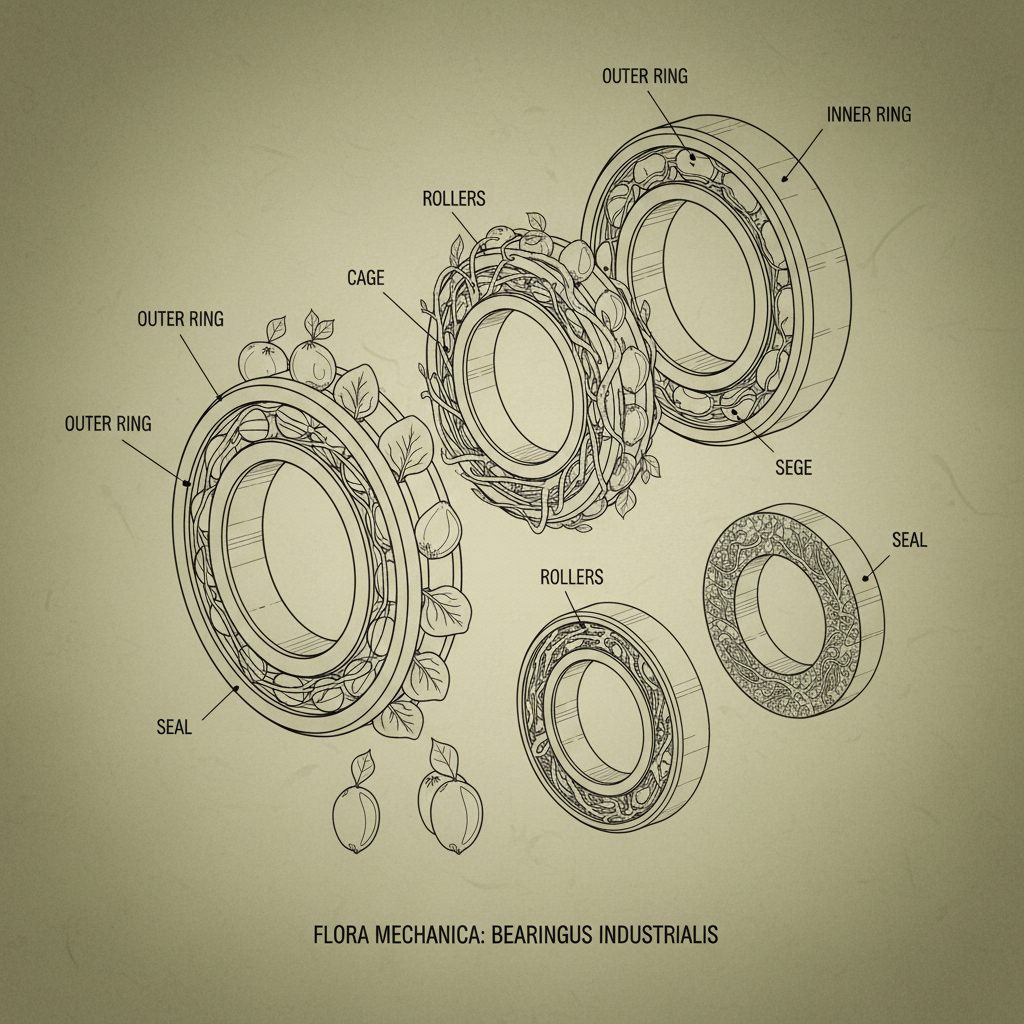
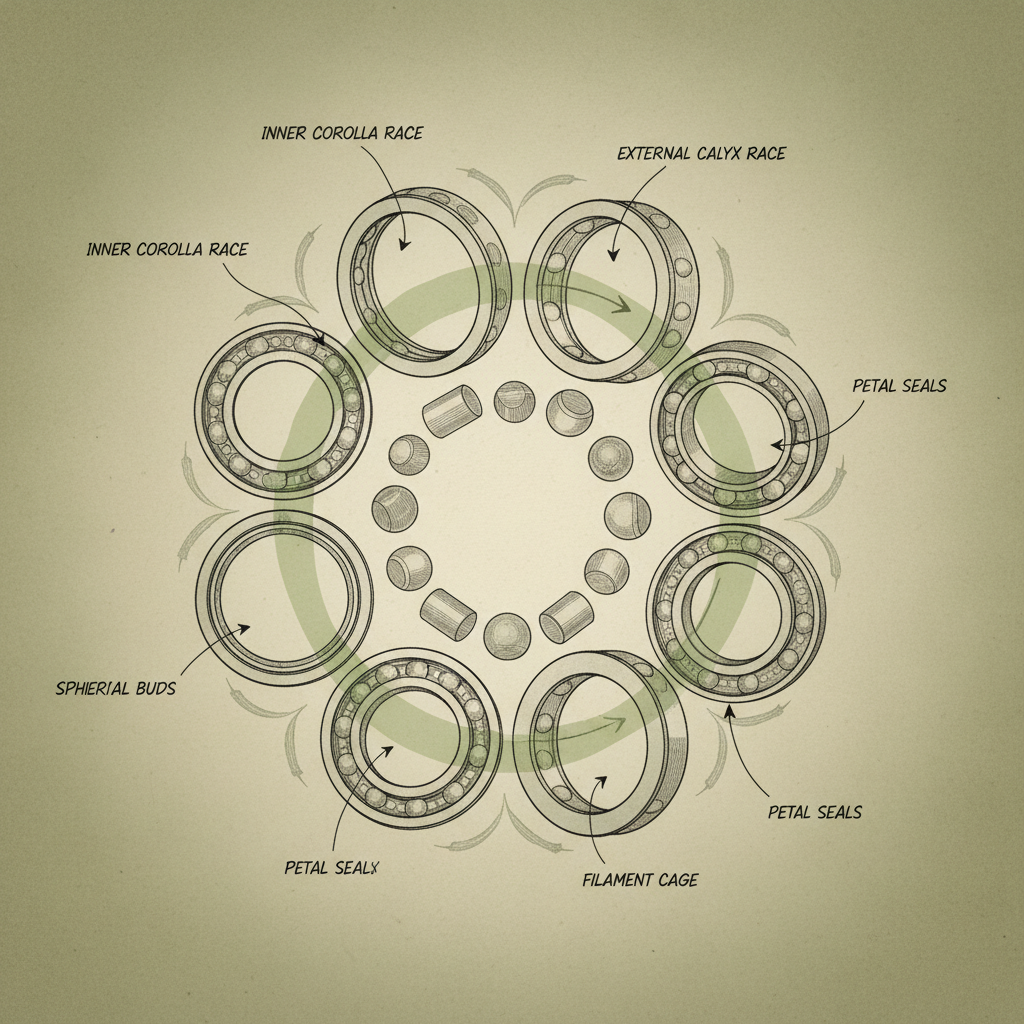
Strangely enough, one of the biggest trends I’m seeing is a move back to simpler designs. All these fancy micro-bearings? Great in theory, but when the grease port is microscopic and you need a surgical instrument to relubricate… forget it. The guys on site aren’t going to bother. They’ll just keep running it until it seizes.
A major pitfall? Over-engineering. These engineers, they get so caught up in calculations and simulations, they forget that a bearing’s gonna get hammered by dirt, grime, and the occasional dropped wrench. It needs to be robust. I saw a design last year that was so precisely calibrated, the slightest vibration threw it off. A complete disaster.
Honestly? Thinking the cheapest option is always the best. It rarely is. You end up paying more in the long run with downtime and repairs. You need to look at the application, the load, the environment, and choose a bearing that’s actually suitable. Don't just grab whatever's on the shelf.
Crucial. Absolutely crucial. The wrong grease or not enough grease will kill a bearing faster than anything. Different bearings need different types of lubrication. And you need to follow a regular lubrication schedule. It's not something you can just ignore and hope for the best.
They're good for specific applications - high speeds, high temperatures, corrosive environments. But they're brittle and expensive. They’re not a magic bullet. You need to really assess whether the benefits outweigh the costs. For a standard application, a good quality steel bearing will often do just fine.
There are a few telltale signs. Excessive noise, vibration, heat, or play. If you notice any of those, it's time to investigate. Don’t wait until it seizes up completely. That's a guaranteed headache. Regular inspection is key.
Generally, no. Once a bearing has failed, it’s best to replace it. Trying to reuse a damaged bearing is a recipe for disaster. There are exceptions, of course, but it's generally not worth the risk.
I think we'll see more and more smart bearings - bearings with built-in sensors that can monitor their own condition. That'll allow for predictive maintenance, which will save a lot of downtime and money. We're also seeing a lot of research into new materials and coatings. It’s a constantly evolving field.
So, what’s it all boil down to? It's about choosing the right bearing for the job, ensuring proper installation and lubrication, and regular inspection. It's not rocket science, but it requires attention to detail. These new materials and designs are great, but they only work if they’re implemented correctly.
Ultimately, whether this thing works or not, the worker will know the moment he tightens the screw. That's the truth of it. And if he's swearing under his breath, well, that probably means we messed something up. Check out our full range of industrial machine bearings and let us help you get it right.

 Afrikaans
 Albanian
 Amharic
 Arabic
 Armenian
 Azerbaijani
 Basque
 Belarusian
 Bengali
 Bosnian
 Bulgarian
 Catalan
 Cebuano
 Corsican
 Croatian
 Czech
Czech
 Danish
 Dutch
Dutch
 Esperanto
 Estonian
 Finnish
 French
 Frisian
 Galician
 Georgian
 German
 Greek
Greek
 Gujarati
 Haitian Creole
 Hausa
Hausa
 Hawaiian
 Hebrew
 Hindi
Hindi
 Miao
Miao
 Hungarian
 Icelandic
 Igbo
Igbo
 Indonesian
 Irish
Irish
 Italian
 Japanese
 Javanese
 Kannada
 Kazakh
 Khmer
Khmer
 Rwandese
 Korean
 Kurdish
 Kyrgyz
 Lao
Lao
 Latin
Latin
 Latvian
 Lithuanian
 Luxembourgish
 Macedonian
 Malgashi
 Malay
Malay
 Malayalam
 Maltese
 Maori
Maori
 Marathi
 Mongolian
 Myanmar
 Nepali
 Norwegian
 Norwegian
 Occitan
 Pashto
 Persian
 Polish
 Portuguese
 Punjabi
 Romanian
 Russian
 Samoan
 Scottish Gaelic
 Serbian
 Sesotho
 Shona
Shona
 Sindhi
 Sinhala
 Slovak
 Slovenian
 Somali
 Spanish
 Sundanese
 Swahili
 Swedish
 Tagalog
 Tajik
Tajik
 Tamil
Tamil
 Tatar
Tatar
 Telugu
 Thai
Thai
 Turkish
 Turkmen
 Ukrainian
 Urdu
Urdu
 Uighur
 Uzbek
Uzbek
 Vietnamese
 Welsh
Welsh
 Bantu
Bantu
 Yiddish
 Yoruba
 Zulu
Zulu
 English