
In the intricate world of mechanical engineering, the deep groove ball bearing application stands as a cornerstone of rotational efficiency. These bearings, characterized by their deep raceways, are engineered to handle both radial and axial loads, making them the most versatile and widely used bearing type globally. Whether it is a small household appliance or a massive industrial conveyor, the ability to reduce friction and support rotating shafts is essential for operational longevity.
Understanding the nuances of deep groove ball bearing application is not merely a technical requirement but a strategic advantage for manufacturers. By optimizing the choice of bearing for specific load conditions, companies can significantly reduce energy consumption and minimize unplanned downtime. As global industries shift toward higher precision and sustainability, the demand for high-performance bearings that can operate under diverse environmental stresses continues to grow.
From the automotive sector to aerospace and medical devices, the implementation of these components ensures that machinery operates with minimal vibration and maximum reliability. This comprehensive guide explores the technical depths, global industrial contexts, and future innovations surrounding deep groove ball bearing application, providing engineers and procurement specialists with the insights needed to make informed design decisions.
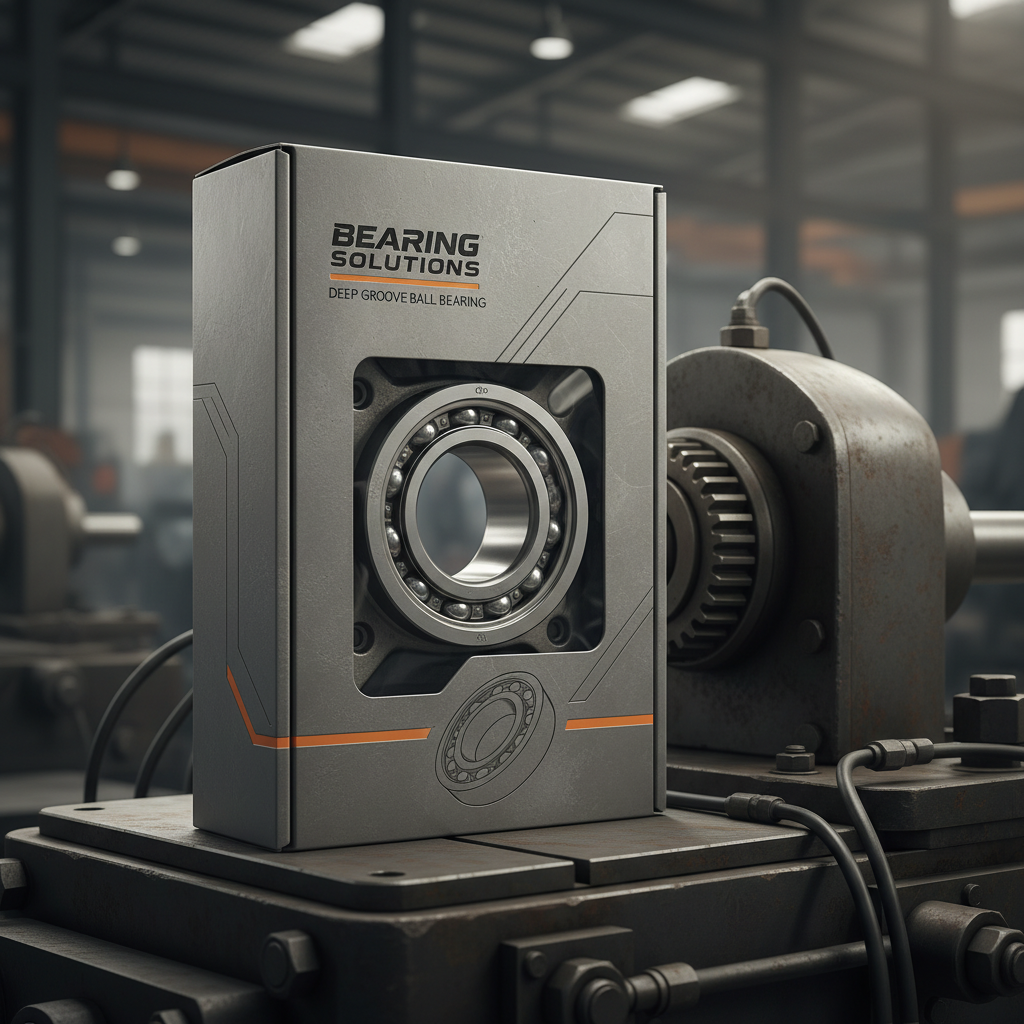
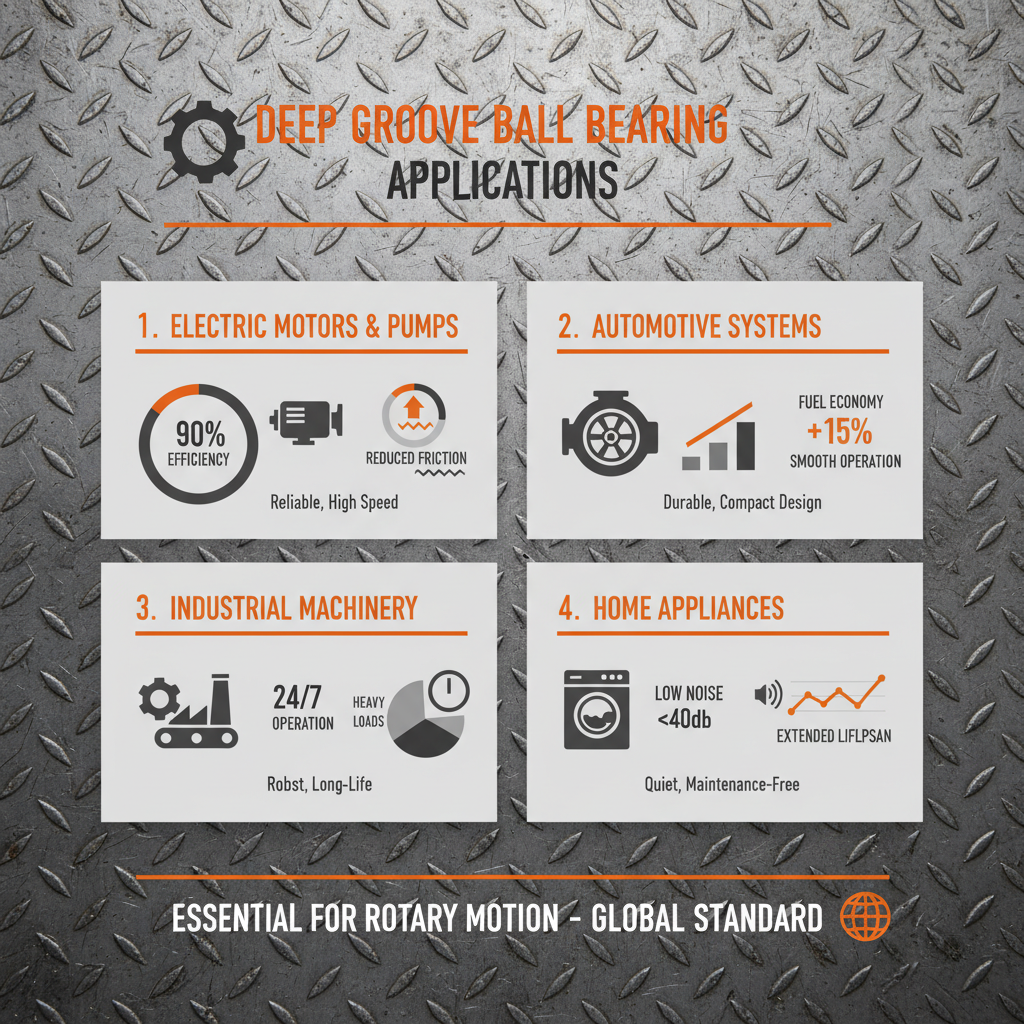
The global industrial landscape relies heavily on the seamless integration of rotational components. According to ISO standards and industrial benchmarks, the deep groove ball bearing application is found in nearly every motorized piece of equipment across six continents. This ubiquity stems from the bearing's ability to provide low friction and high-speed capabilities, which are critical for the efficiency of the global supply chain and manufacturing output.
However, a persistent challenge remains: the balance between cost-efficiency and durability. In emerging industrial zones, the rapid deployment of machinery often overlooks the precise specifications of bearing applications, leading to premature failure. Addressing these challenges through standardized engineering practices ensures that global infrastructure—from water pumps in remote villages to high-speed trains in urban centers—remains operational and safe.
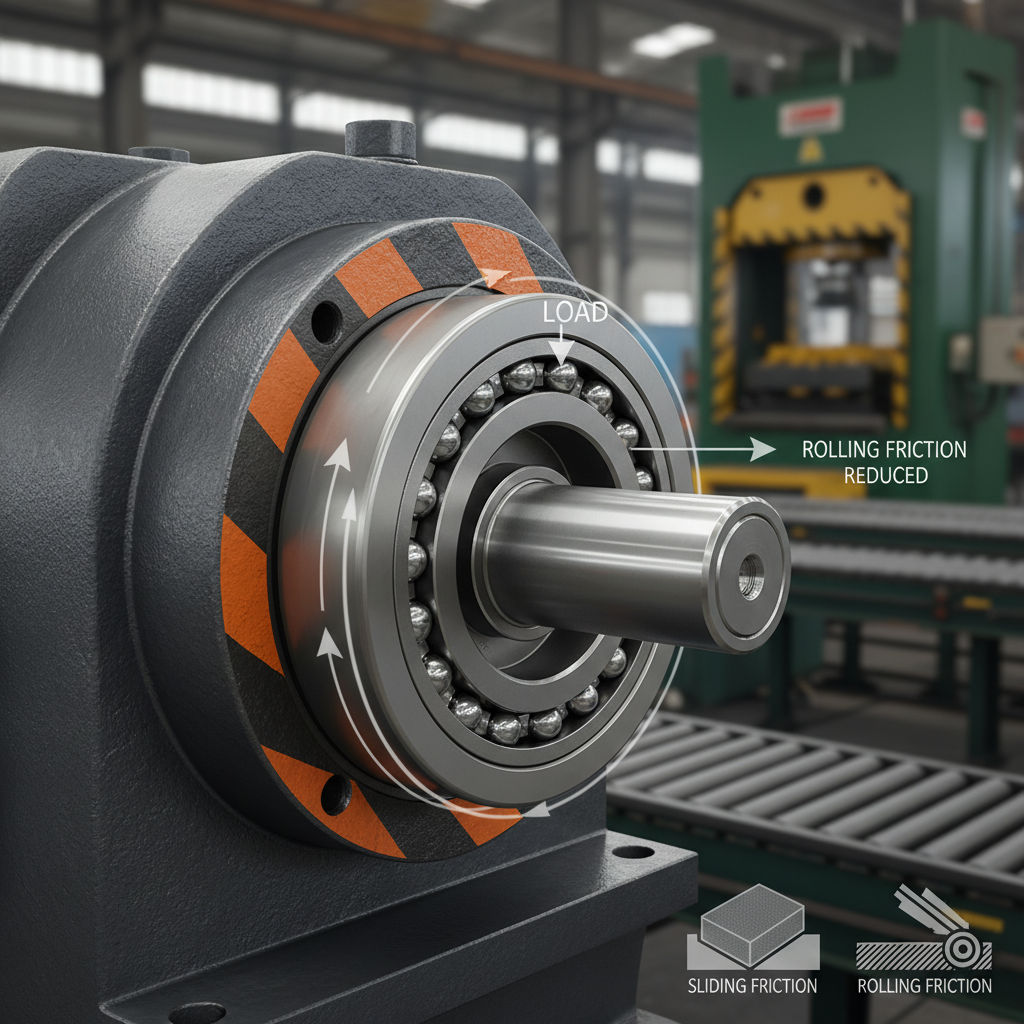
Deep groove ball bearings are favored because of their versatility. They can handle both radial and axial loads, operate at very high speeds, and have exceptionally low friction. This combination makes them suitable for everything from small electric motors to large industrial fans, offering a cost-effective solution without sacrificing performance.
Shields (metal) are best for high-speed applications where minimal friction is required and the environment is relatively clean. Seals (rubber) provide a superior barrier against dust and moisture and can retain lubricant better, making them ideal for harsh environments, although they increase friction slightly and may lower the maximum speed limit.
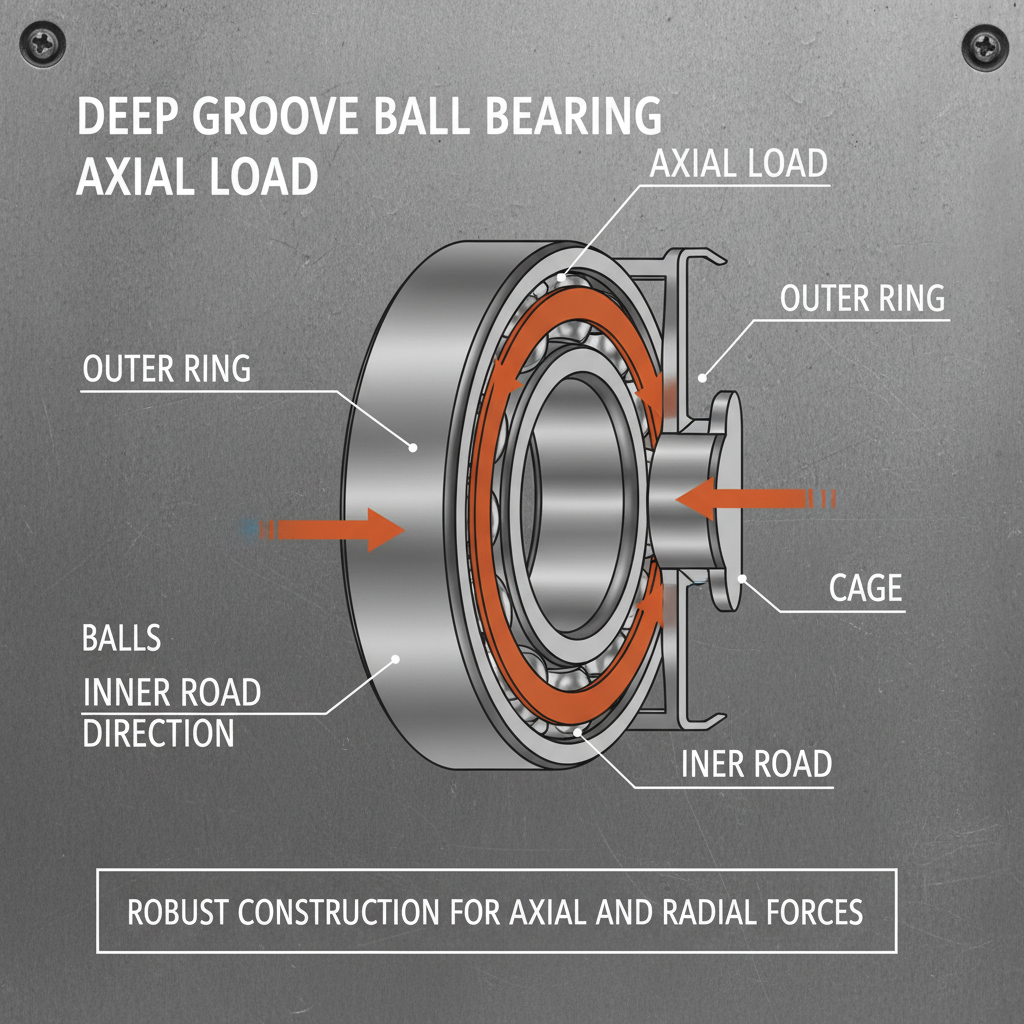
While they can support some axial load, they are not designed for heavy thrust applications. If your machine requires significant axial support, it is better to use Angular Contact Ball Bearings or Taper Roller Bearings. Overloading a deep groove bearing axially can lead to rapid wear of the raceway shoulders and premature failure.
The most common indicators are an increase in noise (grinding or humming), excessive vibration, and a rise in operating temperature. In some cases, visible leakage of lubricant or a noticeable increase in the motor's energy consumption can also signal that the bearing is failing and needs immediate attention.
Lubrication is critical for reducing heat and wear. Proper lubrication creates a thin film that prevents metal-to-metal contact. Using the wrong grease or over-lubricating (which can cause churning and heat) can actually shorten the bearing's life. Regular lubrication intervals based on the operating environment are essential for maximizing longevity.
Yes, these are known as hybrid bearings. They are used in high-speed applications or chemically aggressive environments because ceramic balls are harder, lighter, and corrosion-resistant. They reduce centrifugal force at high speeds and can operate with less lubrication, though they are more expensive than standard steel bearings.
The deep groove ball bearing application remains a fundamental pillar of modern mechanical design. By seamlessly blending radial and axial support with low-friction efficiency, these components enable the rotation of the global economy—from the smallest electronic devices to the largest industrial powerhouses. We have seen that success in implementing these bearings depends on a precise understanding of load dynamics, material selection, and rigorous maintenance protocols.
Looking forward, the integration of smart sensors and advanced ceramics will continue to push the boundaries of what is possible in rotational motion. For engineers and business owners, the goal should be to transition from reactive replacement to predictive optimization. By investing in high-quality bearings and staying abreast of technological trends, industries can ensure greater sustainability, safety, and operational excellence. For premium bearing solutions, visit our website: www.arybearing.com

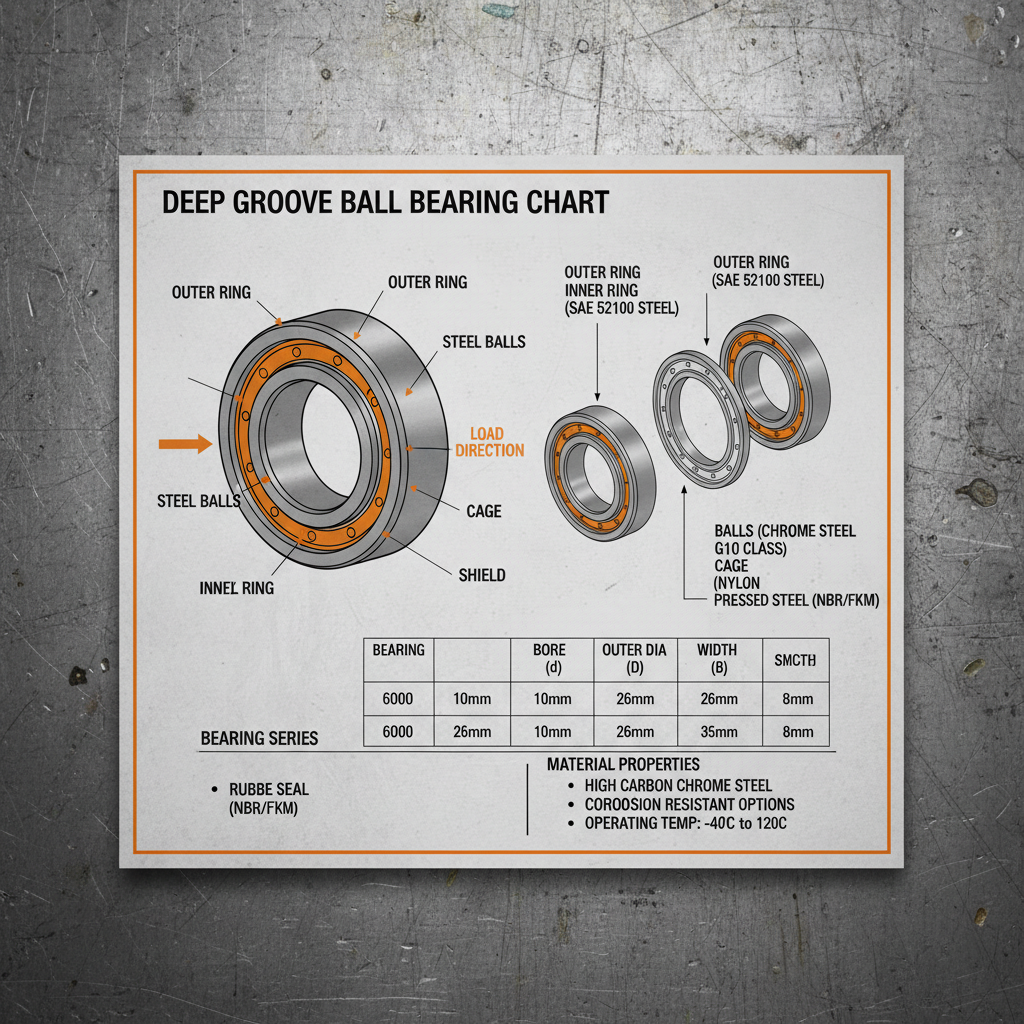

 Afrikaans
 Albanian
 Amharic
 Arabic
 Armenian
 Azerbaijani
 Basque
 Belarusian
 Bengali
 Bosnian
 Bulgarian
 Catalan
 Cebuano
 Corsican
 Croatian
 Czech
Czech
 Danish
 Dutch
Dutch
 Esperanto
 Estonian
 Finnish
 French
 Frisian
 Galician
 Georgian
 German
 Greek
Greek
 Gujarati
 Haitian Creole
 Hausa
Hausa
 Hawaiian
 Hebrew
 Hindi
Hindi
 Miao
Miao
 Hungarian
 Icelandic
 Igbo
Igbo
 Indonesian
 Irish
Irish
 Italian
 Japanese
 Javanese
 Kannada
 Kazakh
 Khmer
Khmer
 Rwandese
 Korean
 Kurdish
 Kyrgyz
 Lao
Lao
 Latin
Latin
 Latvian
 Lithuanian
 Luxembourgish
 Macedonian
 Malgashi
 Malay
Malay
 Malayalam
 Maltese
 Maori
Maori
 Marathi
 Mongolian
 Myanmar
 Nepali
 Norwegian
 Norwegian
 Occitan
 Pashto
 Persian
 Polish
 Portuguese
 Punjabi
 Romanian
 Russian
 Samoan
 Scottish Gaelic
 Serbian
 Sesotho
 Shona
Shona
 Sindhi
 Sinhala
 Slovak
 Slovenian
 Somali
 Spanish
 Sundanese
 Swahili
 Swedish
 Tagalog
 Tajik
Tajik
 Tamil
Tamil
 Tatar
Tatar
 Telugu
 Thai
Thai
 Turkish
 Turkmen
 Ukrainian
 Urdu
Urdu
 Uighur
 Uzbek
Uzbek
 Vietnamese
 Welsh
Welsh
 Bantu
Bantu
 Yiddish
 Yoruba
 Zulu
Zulu
 English