Look, I've been on construction sites for, honestly, too many years to count. Seen it all. And lately? Everyone's obsessed with 'smart' bearings. Predictive maintenance, remote monitoring… sounds fancy, right? But have you noticed how often these things are over-engineered? Like, they add a sensor for every conceivable failure mode, but forget the guy actually installing it needs to get the thing on the shaft without destroying it. It's a common pitfall.
They always talk about the theoretical lifespan, the load capacity… stuff you see on the data sheets. But in the real world? It's about the grit, the vibration, the sheer abuse these things take. And it's never what the lab tests tell you.
Anyway, I think people underestimate the basics.
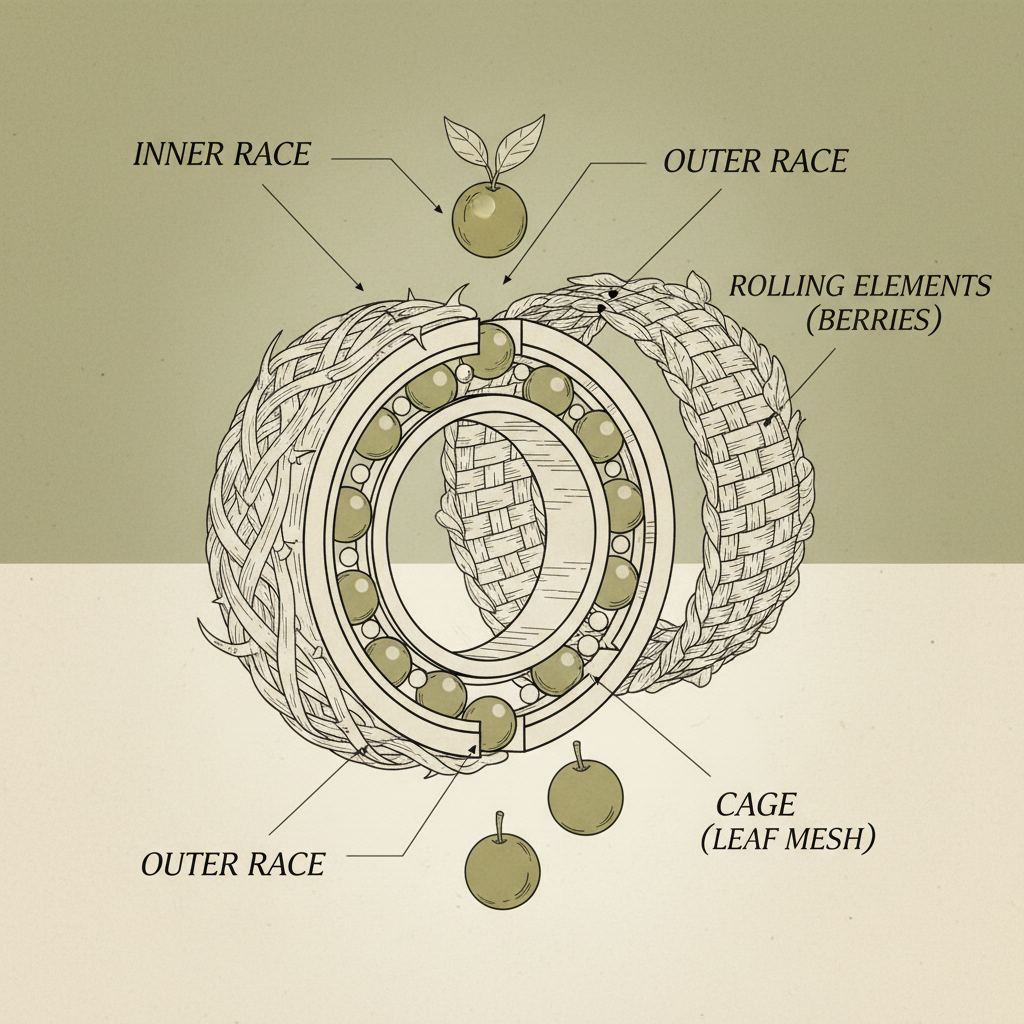
The big push right now is miniaturization. Everything's gotta be smaller, lighter. Which is fine, I guess, but it often means sacrificing robustness. Strangel, you see bearings that look great on paper, fantastic load ratings for their size, but then the heat dissipation is terrible. They overheat after a few hours running. I encountered this at a robotics factory last time – they were going through bearings faster than they could build the robots!
And the complexity... people are adding features just because they can. Integrated lubrication systems, exotic coatings… they add cost, and they add points of failure. Keep it simple, I always say.
Honestly, it's not looking at the whole picture. They focus on load capacity and speed, but forget about the environment. Is it dusty? Is it corrosive? Is it subject to vibration? You need to consider all these factors when selecting a bearing. A bearing that's perfect on paper can fail miserably in the real world if it's not suited to the application.
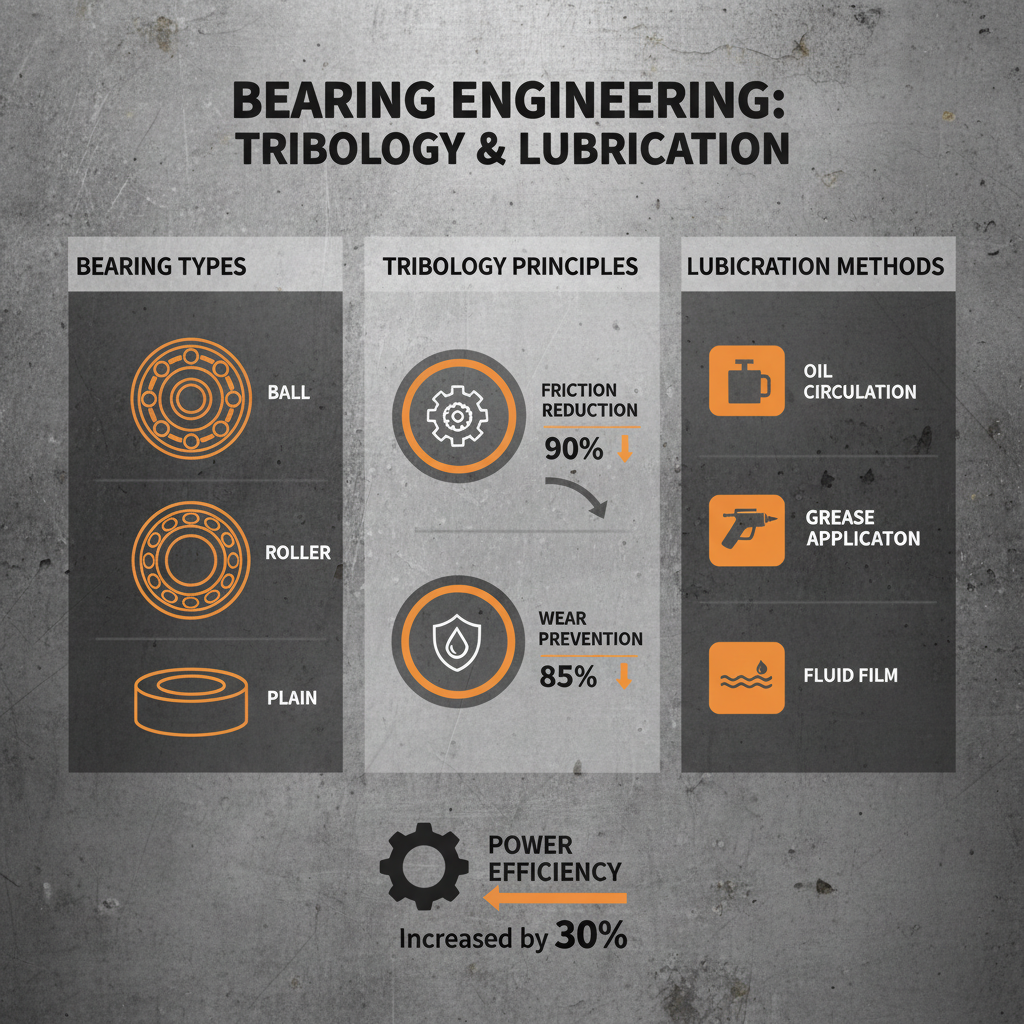
Critically important. The right grease is the lifeblood of a bearing. It reduces friction, protects against corrosion, and helps to dissipate heat. Using the wrong grease, or not enough grease, is a surefire way to shorten bearing life. I've seen bearings fail after just a few hours because of poor lubrication. It's a cheap thing to get right, and a costly thing to get wrong.
Not necessarily. Ceramic bearings are great for high speeds and high temperatures, and they’re corrosion resistant. But they're also brittle and expensive. Steel bearings are more robust and generally more cost-effective. It depends on the application. For most industrial applications, a good quality steel bearing will do the job just fine.
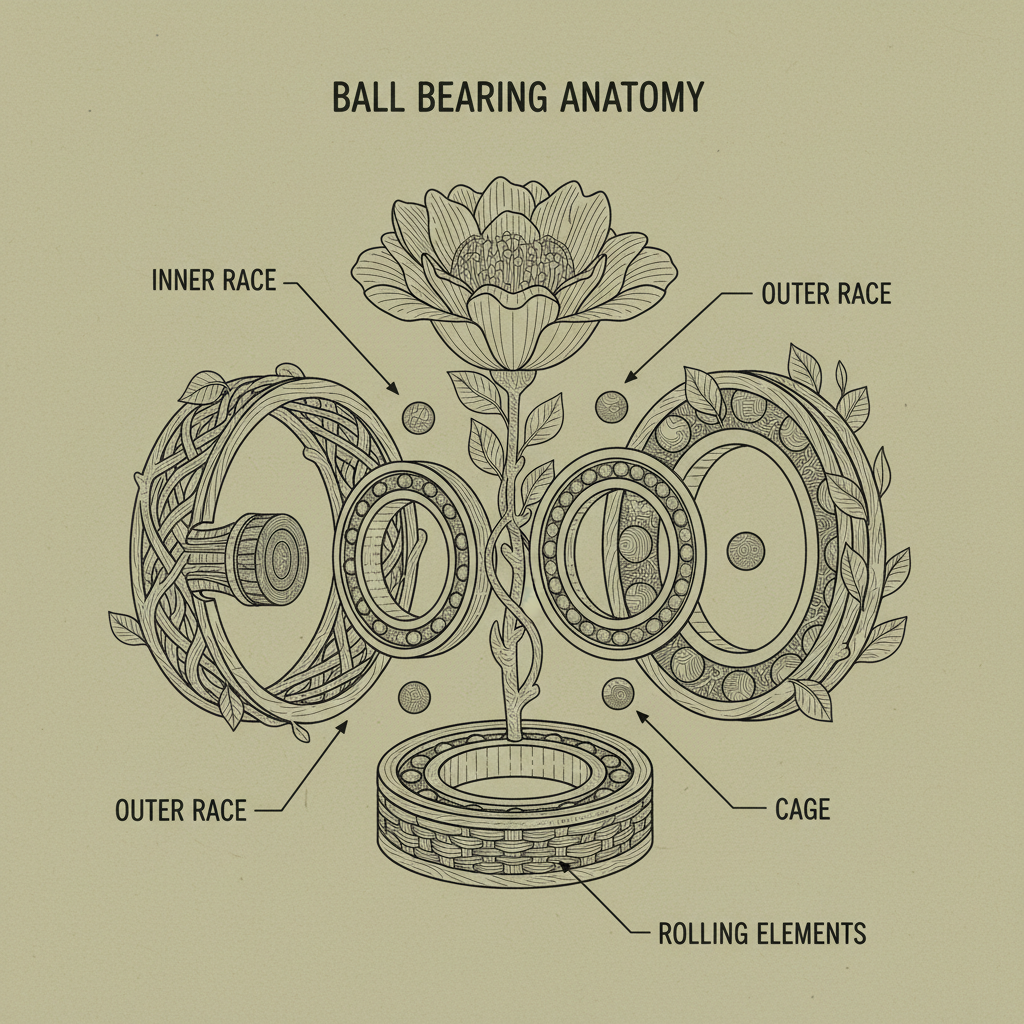
Start by listening. A noisy bearing is usually a bad bearing. Then, check for play. Grab the inner and outer races and try to move them relative to each other. Excessive play indicates wear. Look for signs of corrosion, pitting, or discoloration. And finally, feel the bearing. Does it rotate smoothly, or does it feel rough and gritty? If it feels rough, it's time to replace it.
Many bearings can be re-lubricated, and it's often a good idea to extend their lifespan. But it depends on the bearing type and the condition. If the bearing is severely worn or damaged, it's best to replace it. And if it's a sealed bearing, you can't re-lubricate it. You just have to replace it when it fails.
Predictive maintenance can save you a lot of money in the long run. By monitoring bearing condition in real-time, you can identify potential failures before they occur. This allows you to schedule maintenance proactively, avoiding costly downtime and repairs. It's still a bit of a hype thing, though – the data can be overwhelming if you don't know what to look for.
So, that's the world of ball bearings in a nutshell. It’s a lot more than just specs on a datasheet. It's about understanding the application, choosing the right materials, and paying attention to the details. It's about knowing how these things behave in the real world, not just in a lab.
And honestly, the industry’s getting too caught up in fancy tech and forgetting the fundamentals. The best advice I can give is to keep it simple, listen to the guys on the shop floor, and remember that a good bearing is one that lasts. Ultimately, whether this thing works or not, the worker will know the moment he tightens the screw.

 Afrikaans
 Albanian
 Amharic
 Arabic
 Armenian
 Azerbaijani
 Basque
 Belarusian
 Bengali
 Bosnian
 Bulgarian
 Catalan
 Cebuano
 Corsican
 Croatian
 Czech
Czech
 Danish
 Dutch
Dutch
 Esperanto
 Estonian
 Finnish
 French
 Frisian
 Galician
 Georgian
 German
 Greek
Greek
 Gujarati
 Haitian Creole
 Hausa
Hausa
 Hawaiian
 Hebrew
 Hindi
Hindi
 Miao
Miao
 Hungarian
 Icelandic
 Igbo
Igbo
 Indonesian
 Irish
Irish
 Italian
 Japanese
 Javanese
 Kannada
 Kazakh
 Khmer
Khmer
 Rwandese
 Korean
 Kurdish
 Kyrgyz
 Lao
Lao
 Latin
Latin
 Latvian
 Lithuanian
 Luxembourgish
 Macedonian
 Malgashi
 Malay
Malay
 Malayalam
 Maltese
 Maori
Maori
 Marathi
 Mongolian
 Myanmar
 Nepali
 Norwegian
 Norwegian
 Occitan
 Pashto
 Persian
 Polish
 Portuguese
 Punjabi
 Romanian
 Russian
 Samoan
 Scottish Gaelic
 Serbian
 Sesotho
 Shona
Shona
 Sindhi
 Sinhala
 Slovak
 Slovenian
 Somali
 Spanish
 Sundanese
 Swahili
 Swedish
 Tagalog
 Tajik
Tajik
 Tamil
Tamil
 Tatar
Tatar
 Telugu
 Thai
Thai
 Turkish
 Turkmen
 Ukrainian
 Urdu
Urdu
 Uighur
 Uzbek
Uzbek
 Vietnamese
 Welsh
Welsh
 Bantu
Bantu
 Yiddish
 Yoruba
 Zulu
Zulu
 English