
Machinery bearing are fundamental components across a vast spectrum of industries, underpinning the operation of everything from simple hand tools to complex industrial machinery. Their importance stems from their ability to reduce friction, support loads, and facilitate efficient motion. Understanding the nuances of machinery bearing – their types, materials, and applications – is crucial for engineers, maintenance personnel, and anyone involved in the design, operation, and upkeep of mechanical systems. These components are not merely parts; they are enablers of progress and efficiency.
The global market for machinery bearing is substantial and continues to grow, driven by increasing industrialization, infrastructure development, and technological advancements. Reports from organizations like the UN and World Bank highlight the expanding manufacturing sectors in developing economies, directly boosting demand for reliable bearing solutions. Furthermore, the push for sustainable practices and energy efficiency creates a need for advanced bearing technologies that minimize energy loss due to friction. The sheer scale of this market underscores the critical role these components play in the global economy.
A core challenge addressed by advancements in machinery bearing is minimizing downtime and maximizing operational lifespan. Unexpected bearing failures can lead to costly production halts, extensive repairs, and potential safety hazards. Consequently, ongoing research and development focuses on improving bearing materials, lubrication techniques, and predictive maintenance strategies to ensure continuous, reliable performance. This dedication to innovation reinforces the value of machinery bearing in critical applications worldwide.
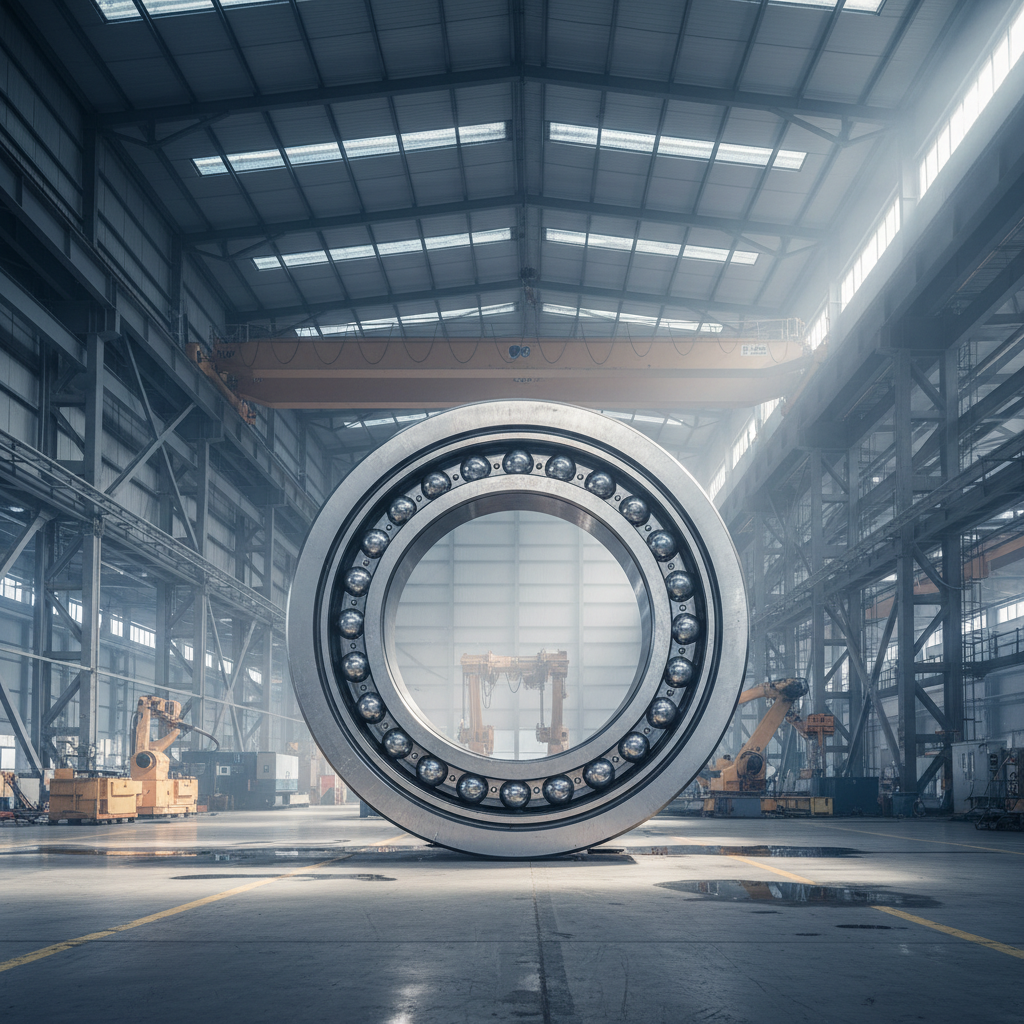
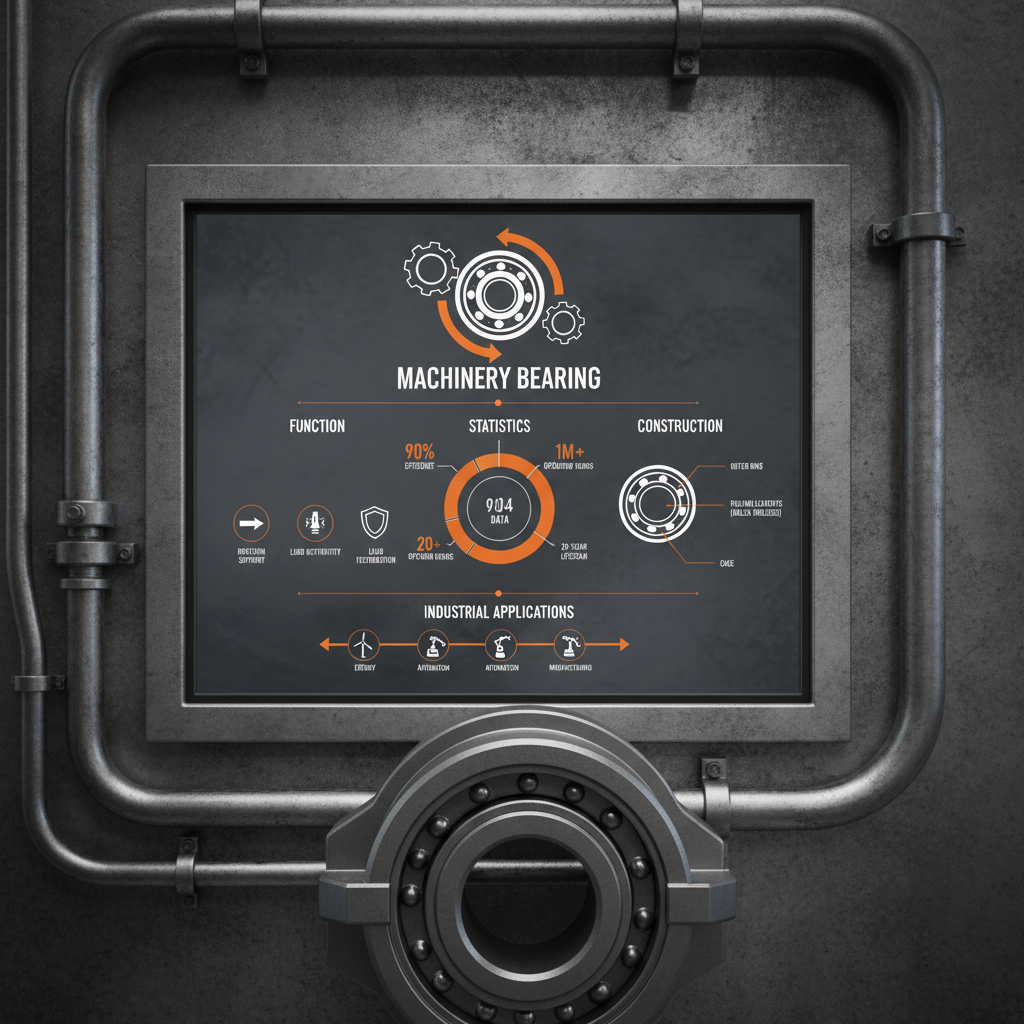
Machinery bearing are essential for the efficient and reliable operation of countless machines and systems. Without these components, energy losses from friction would be substantial, leading to reduced performance and increased wear and tear. Their function extends beyond simply supporting rotating parts; they enable precise movement, minimize vibration, and ultimately contribute to the overall longevity and productivity of the equipment they serve.
The selection of the appropriate machinery bearing for a given application is a critical engineering decision. Factors such as load capacity, speed requirements, operating environment, and maintenance considerations all play a role. Optimizing bearing selection translates directly into reduced maintenance costs, increased uptime, and improved overall system efficiency. Investing in quality machinery bearing is a proactive step toward ensuring long-term operational success.
For high-speed applications, ball bearing and ceramic bearing are generally preferred due to their lower friction coefficients and ability to withstand high rotational speeds. They generate less heat than other types, making them suitable for demanding applications. Choosing the specific type depends on the load requirements and operating environment, but ball bearing offer a strong balance of performance and cost-effectiveness.
The relubrication frequency for machinery bearing varies significantly based on factors like load, speed, operating temperature, and the type of lubricant used. Consulting the bearing manufacturer's recommendations is crucial. As a general guideline, bearings operating under heavy loads or in harsh environments may require more frequent relubrication, whereas those in less demanding conditions can be serviced less often. Regular lubrication is vital for reducing friction and preventing premature wear.
Common signs of a failing machinery bearing include unusual noises (grinding, squealing, or clicking), increased vibration, excessive heat, and changes in bearing clearance. If any of these symptoms are observed, it's essential to inspect the bearing for damage and consider replacement to prevent further damage to the equipment. Early detection and intervention can save significant costs in the long run.
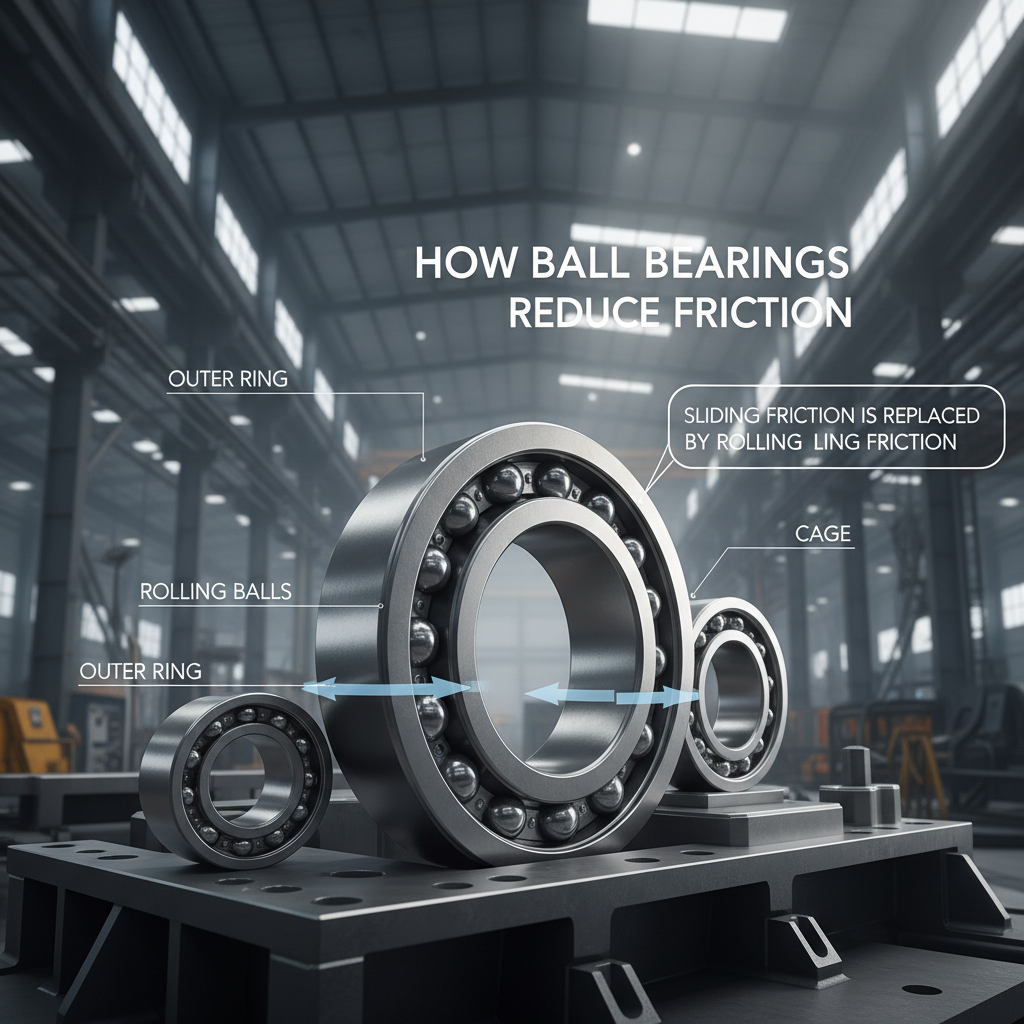
Ball bearing utilize spherical elements to maintain separation between moving parts, making them ideal for high-speed applications with lighter loads. Roller bearing, on the other hand, employ cylindrical or tapered rollers, providing a larger contact area and higher load-carrying capacity. Roller bearing are generally preferred for applications involving heavy loads and lower speeds.
Extending machinery bearing life requires proper lubrication, maintaining correct alignment, protecting against contamination, and avoiding overload conditions. Implementing a regular inspection and maintenance schedule, along with utilizing condition monitoring technologies, can help identify potential issues early on. Choosing the appropriate bearing type for the application is also crucial.
Ceramic machinery bearing offer several advantages over traditional steel bearing, including higher hardness, lower density, and superior corrosion resistance. They exhibit lower friction, allowing for higher speeds and reduced heat generation. Ceramic bearing are also non-magnetic and electrically insulating, making them suitable for specialized applications in industries like aerospace and medical equipment.
In conclusion, machinery bearing are critical components underpinning a vast range of industries and applications. Their ability to minimize friction, support loads, and facilitate efficient motion is essential for the reliable operation of countless machines and systems. Selecting the right bearing, ensuring proper lubrication, and implementing proactive maintenance strategies are crucial for maximizing performance, minimizing downtime, and reducing overall operational costs.
Looking ahead, advancements in materials science, sensor technology, and data analytics will continue to drive innovation in the field of machinery bearing. The integration of smart technology and predictive maintenance capabilities will further enhance reliability and efficiency. For high-quality, reliable machinery bearing solutions, visit our website today.

 Afrikaans
 Albanian
 Amharic
 Arabic
 Armenian
 Azerbaijani
 Basque
 Belarusian
 Bengali
 Bosnian
 Bulgarian
 Catalan
 Cebuano
 Corsican
 Croatian
 Czech
Czech
 Danish
 Dutch
Dutch
 Esperanto
 Estonian
 Finnish
 French
 Frisian
 Galician
 Georgian
 German
 Greek
Greek
 Gujarati
 Haitian Creole
 Hausa
Hausa
 Hawaiian
 Hebrew
 Hindi
Hindi
 Miao
Miao
 Hungarian
 Icelandic
 Igbo
Igbo
 Indonesian
 Irish
Irish
 Italian
 Japanese
 Javanese
 Kannada
 Kazakh
 Khmer
Khmer
 Rwandese
 Korean
 Kurdish
 Kyrgyz
 Lao
Lao
 Latin
Latin
 Latvian
 Lithuanian
 Luxembourgish
 Macedonian
 Malgashi
 Malay
Malay
 Malayalam
 Maltese
 Maori
Maori
 Marathi
 Mongolian
 Myanmar
 Nepali
 Norwegian
 Norwegian
 Occitan
 Pashto
 Persian
 Polish
 Portuguese
 Punjabi
 Romanian
 Russian
 Samoan
 Scottish Gaelic
 Serbian
 Sesotho
 Shona
Shona
 Sindhi
 Sinhala
 Slovak
 Slovenian
 Somali
 Spanish
 Sundanese
 Swahili
 Swedish
 Tagalog
 Tajik
Tajik
 Tamil
Tamil
 Tatar
Tatar
 Telugu
 Thai
Thai
 Turkish
 Turkmen
 Ukrainian
 Urdu
Urdu
 Uighur
 Uzbek
Uzbek
 Vietnamese
 Welsh
Welsh
 Bantu
Bantu
 Yiddish
 Yoruba
 Zulu
Zulu
 English