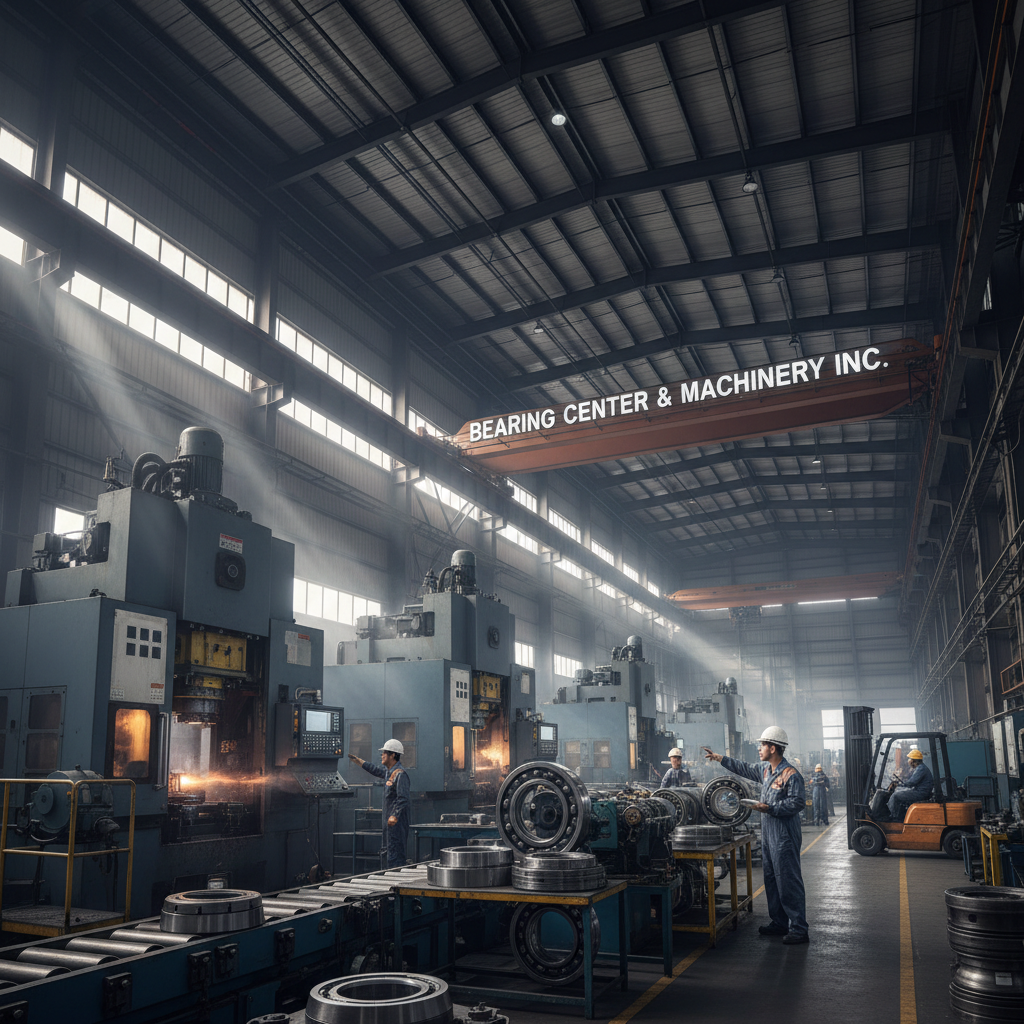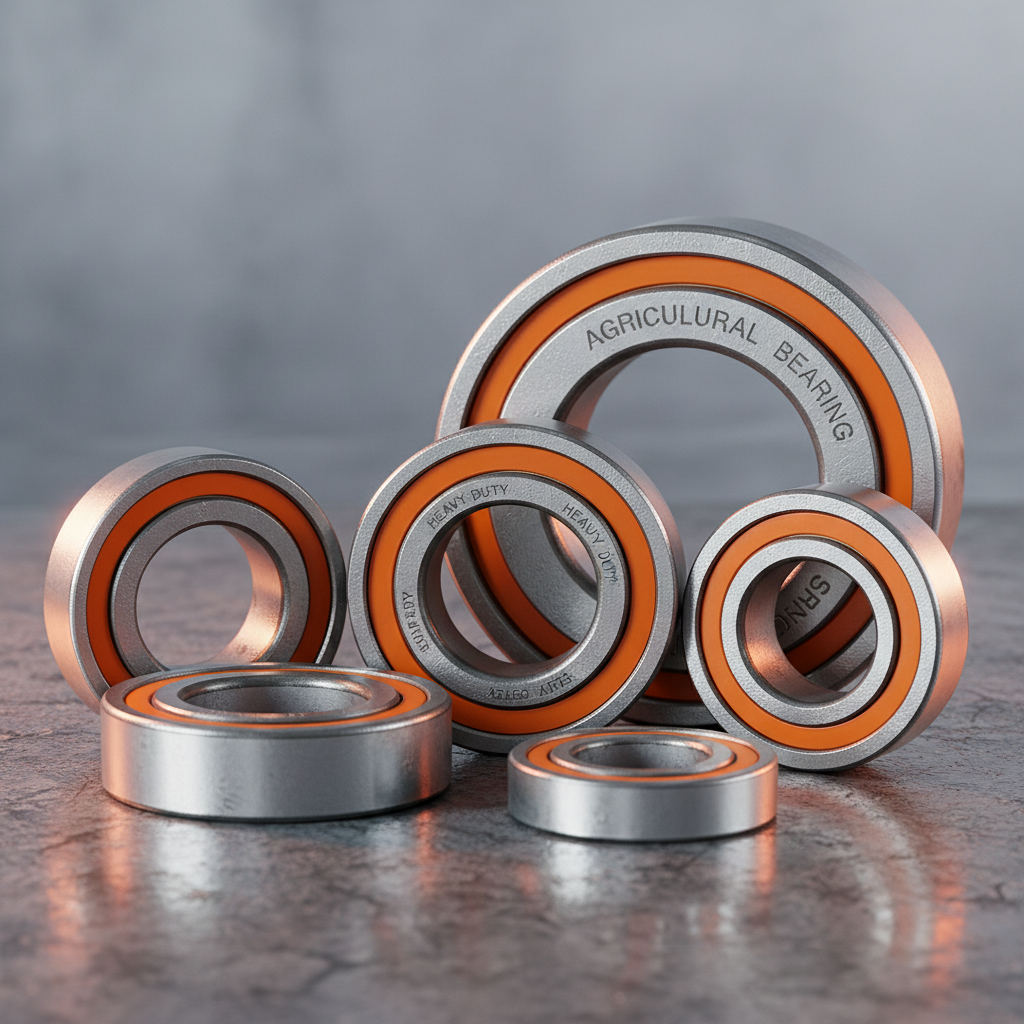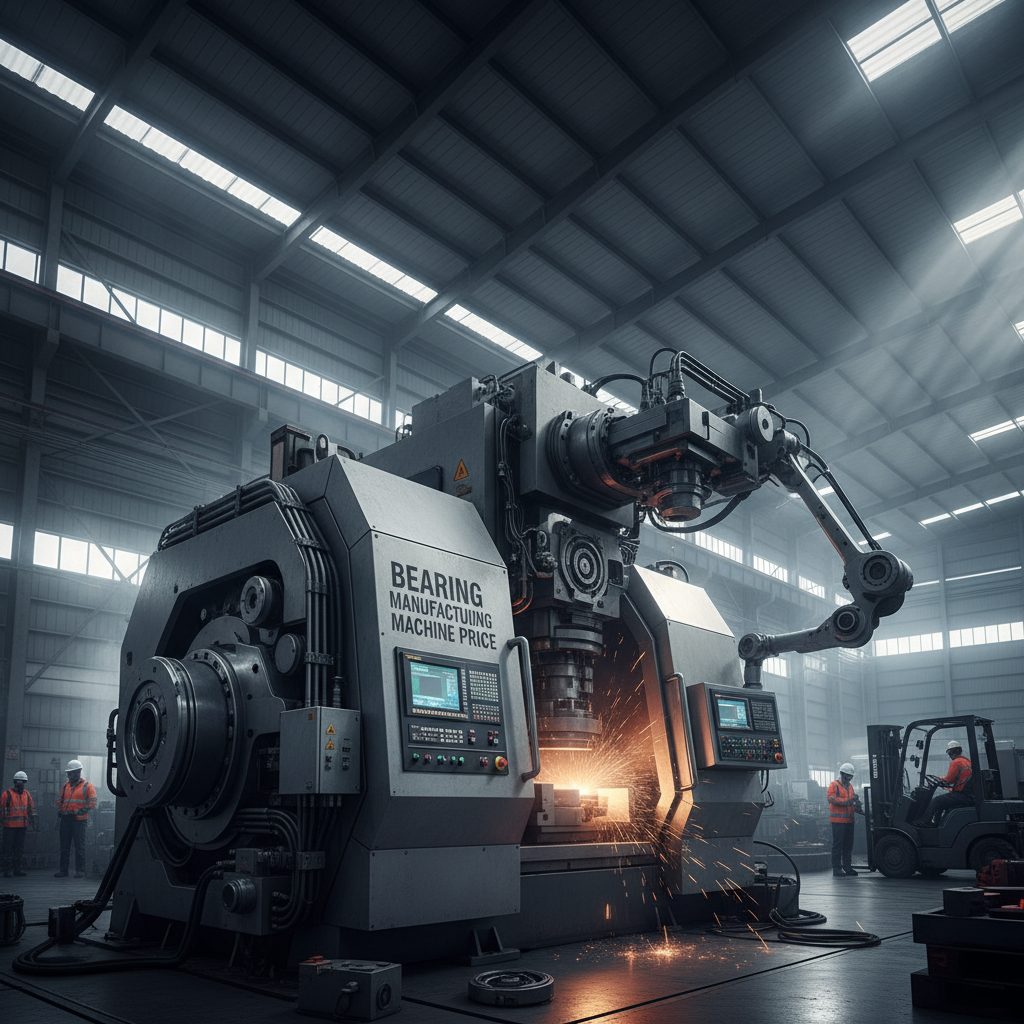
Machine tool bearings are critical components in the manufacturing landscape, facilitating the precise and efficient operation of everything from lathes and milling machines to grinding and drilling equipment. Their reliability directly impacts product quality, production speed, and overall cost-effectiveness. The global demand for these specialized bearings is intrinsically linked to the health of the manufacturing sector, experiencing growth alongside advancements in automation, precision engineering, and the expanding need for high-quality manufactured goods.
The significance of machine tool bearings extends beyond simple mechanical functionality. They are foundational to industries driving technological innovation, including aerospace, automotive, medical device manufacturing, and semiconductor production. The accuracy and stability they provide allow for the creation of complex parts with exacting tolerances. Consequently, advancements in bearing technology—materials, designs, and lubrication systems—are constantly pursued to meet the evolving demands of these industries.
Understanding the nuances of machine tool bearings is paramount for engineers, technicians, and procurement professionals alike. Selecting the right bearing for a specific application can significantly reduce downtime, extend the lifespan of valuable equipment, and ultimately contribute to a more productive and profitable operation. The investment in high-quality machine tool bearings often yields substantial returns in the long run, minimizing maintenance costs and maximizing operational efficiency.
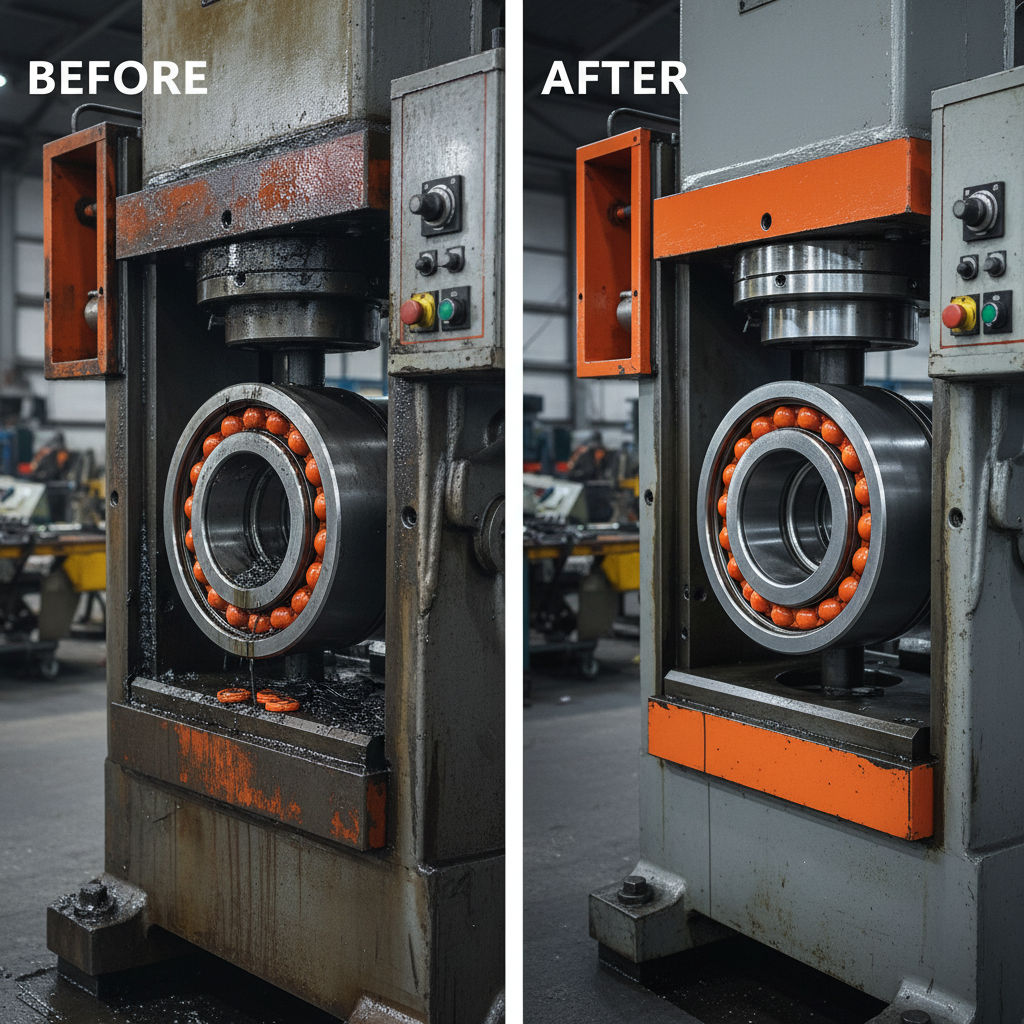
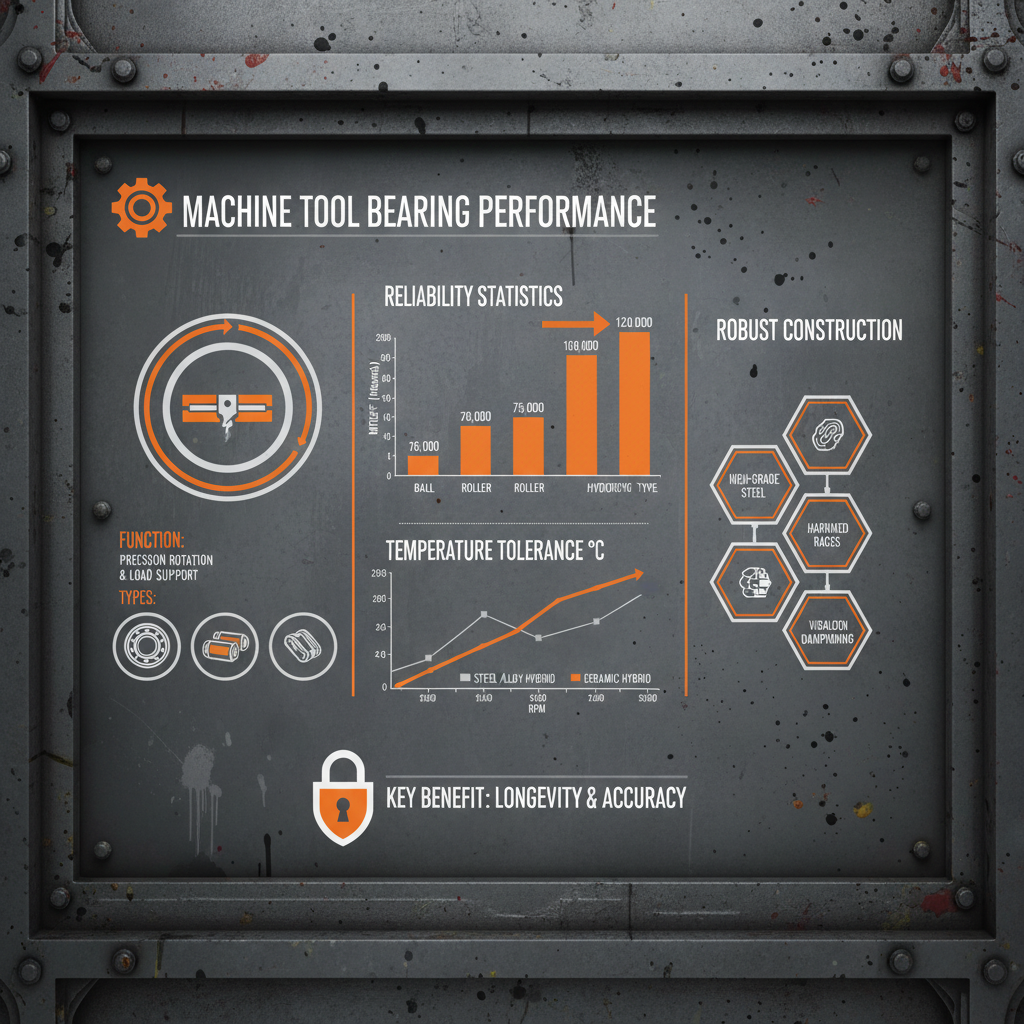
Machine tool bearings are specialized bearings designed to withstand the demanding conditions present in machine tools, including high speeds, heavy loads, and precise positioning requirements. Their precise manufacturing and robust design are critical for achieving the accuracy and repeatability required in modern machining processes.
These bearings aren’t simply off-the-shelf components; they are often custom-engineered to suit the specific needs of the machine tool application. Different types—angular contact ball bearings, cylindrical roller bearings, and tapered roller bearings being among the most common—are chosen based on factors like load direction, speed, and stiffness requirements.
Machine tool bearings are manufactured to significantly tighter tolerances and with higher precision than standard industrial bearings. They are also designed to handle the unique demands of machining operations, including high speeds, heavy loads, and the need for exceptional rigidity. This results in increased accuracy, reduced vibration, and longer bearing life within machine tool applications.
The replacement frequency depends on factors such as operating conditions, load, speed, and lubrication practices. Implementing a preventative maintenance schedule with regular inspections and vibration analysis can help determine bearing condition. Generally, bearings should be replaced when they exhibit signs of wear, noise, excessive heat, or vibration, or when they reach their calculated fatigue life.
Lubrication is critical for minimizing friction, reducing wear, dissipating heat, and protecting against corrosion. Proper lubricant selection and application are essential for optimal performance and bearing lifespan. The choice of lubricant depends on factors like bearing type, speed, load, and operating temperature. Regular lubricant analysis is also recommended to monitor its condition and identify potential issues.
Common types include angular contact ball bearings, cylindrical roller bearings, tapered roller bearings, and thrust bearings. Angular contact ball bearings are excellent for handling combined radial and axial loads. Cylindrical roller bearings are suitable for high radial loads. Tapered roller bearings handle both radial and axial loads, while thrust bearings are designed specifically for axial loads. The best choice depends on the specific application requirements.
Common symptoms include increased noise, vibration, heat, and reduced machining accuracy. Visual inspection may reveal signs of wear, corrosion, or damage. Vibration analysis can help identify specific bearing defects. Temperature monitoring can indicate excessive friction. Regular inspections and proactive maintenance are crucial for early detection and prevention of bearing failures.
Yes, several emerging technologies are impacting machine tool bearing design. These include the use of advanced materials like ceramic and hybrid bearings, the integration of sensors for real-time condition monitoring (smart bearings), and the application of additive manufacturing (3D printing) for creating custom bearing designs. These innovations are aimed at improving performance, reliability, and efficiency.
In conclusion, machine tool bearings are indispensable components driving the efficiency and precision of modern manufacturing. Their intricate design, advanced materials, and specialized functionalities underpin countless industrial processes and contribute to the production of high-quality goods across diverse sectors. Understanding the characteristics, applications, and future trends of these bearings is crucial for engineers, technicians, and anyone involved in the manufacturing ecosystem.
Looking ahead, continued innovation in materials, sensor technology, and manufacturing techniques will further enhance the performance and reliability of machine tool bearings. Embracing predictive maintenance strategies and investing in high-quality bearings will not only minimize downtime and reduce costs but also contribute to a more sustainable and productive future. To explore a comprehensive range of high-performance machine tool bearings and discuss your specific application needs, visit our website today.

 Afrikaans
 Albanian
 Amharic
 Arabic
 Armenian
 Azerbaijani
 Basque
 Belarusian
 Bengali
 Bosnian
 Bulgarian
 Catalan
 Cebuano
 Corsican
 Croatian
 Czech
Czech
 Danish
 Dutch
Dutch
 Esperanto
 Estonian
 Finnish
 French
 Frisian
 Galician
 Georgian
 German
 Greek
Greek
 Gujarati
 Haitian Creole
 Hausa
Hausa
 Hawaiian
 Hebrew
 Hindi
Hindi
 Miao
Miao
 Hungarian
 Icelandic
 Igbo
Igbo
 Indonesian
 Irish
Irish
 Italian
 Japanese
 Javanese
 Kannada
 Kazakh
 Khmer
Khmer
 Rwandese
 Korean
 Kurdish
 Kyrgyz
 Lao
Lao
 Latin
Latin
 Latvian
 Lithuanian
 Luxembourgish
 Macedonian
 Malgashi
 Malay
Malay
 Malayalam
 Maltese
 Maori
Maori
 Marathi
 Mongolian
 Myanmar
 Nepali
 Norwegian
 Norwegian
 Occitan
 Pashto
 Persian
 Polish
 Portuguese
 Punjabi
 Romanian
 Russian
 Samoan
 Scottish Gaelic
 Serbian
 Sesotho
 Shona
Shona
 Sindhi
 Sinhala
 Slovak
 Slovenian
 Somali
 Spanish
 Sundanese
 Swahili
 Swedish
 Tagalog
 Tajik
Tajik
 Tamil
Tamil
 Tatar
Tatar
 Telugu
 Thai
Thai
 Turkish
 Turkmen
 Ukrainian
 Urdu
Urdu
 Uighur
 Uzbek
Uzbek
 Vietnamese
 Welsh
Welsh
 Bantu
Bantu
 Yiddish
 Yoruba
 Zulu
Zulu
 English