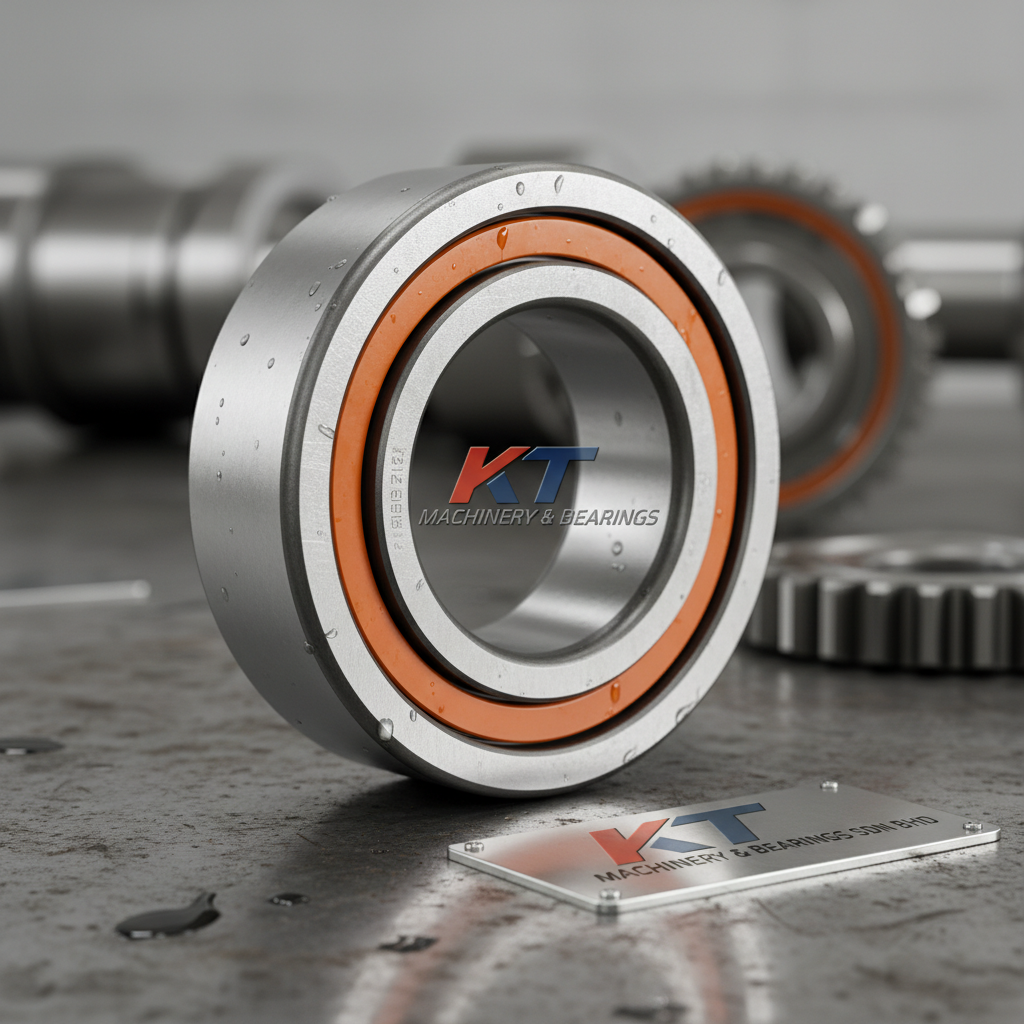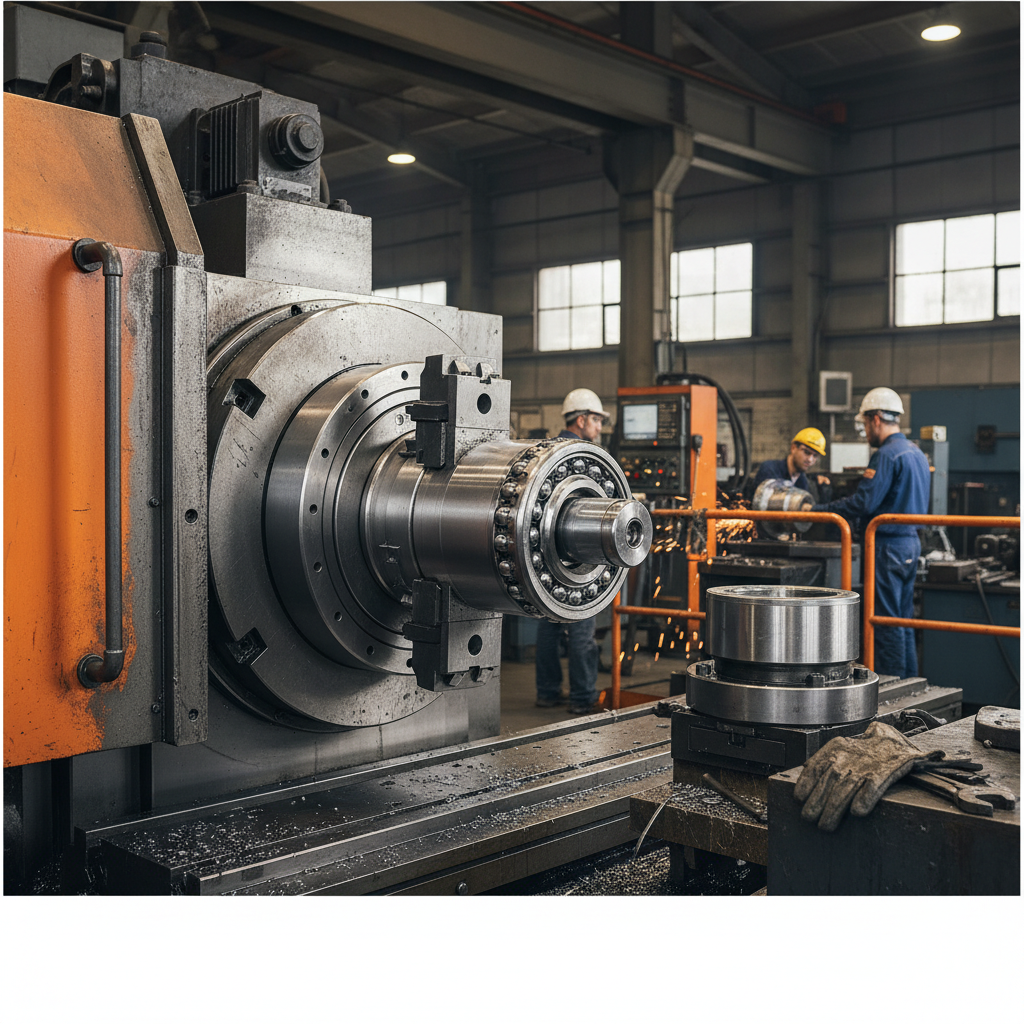
The precision and reliability of modern machinery hinge on components that can withstand immense pressure and friction – bearings. Ensuring these bearings are correctly and securely installed is paramount, and this is where the bearing pressing machine plays a crucial role. From automotive manufacturing to aerospace engineering, the accurate installation of bearings is vital for optimal performance and longevity. This article explores the world of bearing pressing machines, delving into their functionality, applications, and future innovations. Understanding these machines is essential for anyone involved in mechanical engineering, maintenance, or manufacturing processes.
Globally, the demand for efficient and reliable bearing installation is steadily increasing alongside the growth of industries reliant on rotating machinery. Estimates suggest the global bearing market is valued at over $80 billion, and the supporting tooling and machinery, including bearing pressing machines, represent a significant portion of this. The need for precision and repeatability in bearing installation is driven by factors such as increased automation, stringent quality control standards (ISO 9001), and the pursuit of maximizing machine uptime. Addressing the challenge of achieving consistent and damage-free bearing installation is a critical concern for manufacturers worldwide.
A bearing pressing machine is a specialized tool designed to install bearings onto shafts or into housings with precise control and force. Unlike traditional methods that rely on hammers or improvised techniques, a bearing pressing machine ensures a uniform and controlled application of pressure, preventing damage to the bearing or the mating surfaces. This controlled installation reduces the risk of misalignment, premature failure, and costly downtime. It’s a vital component in maintaining the integrity and performance of rotating equipment across a multitude of industries.
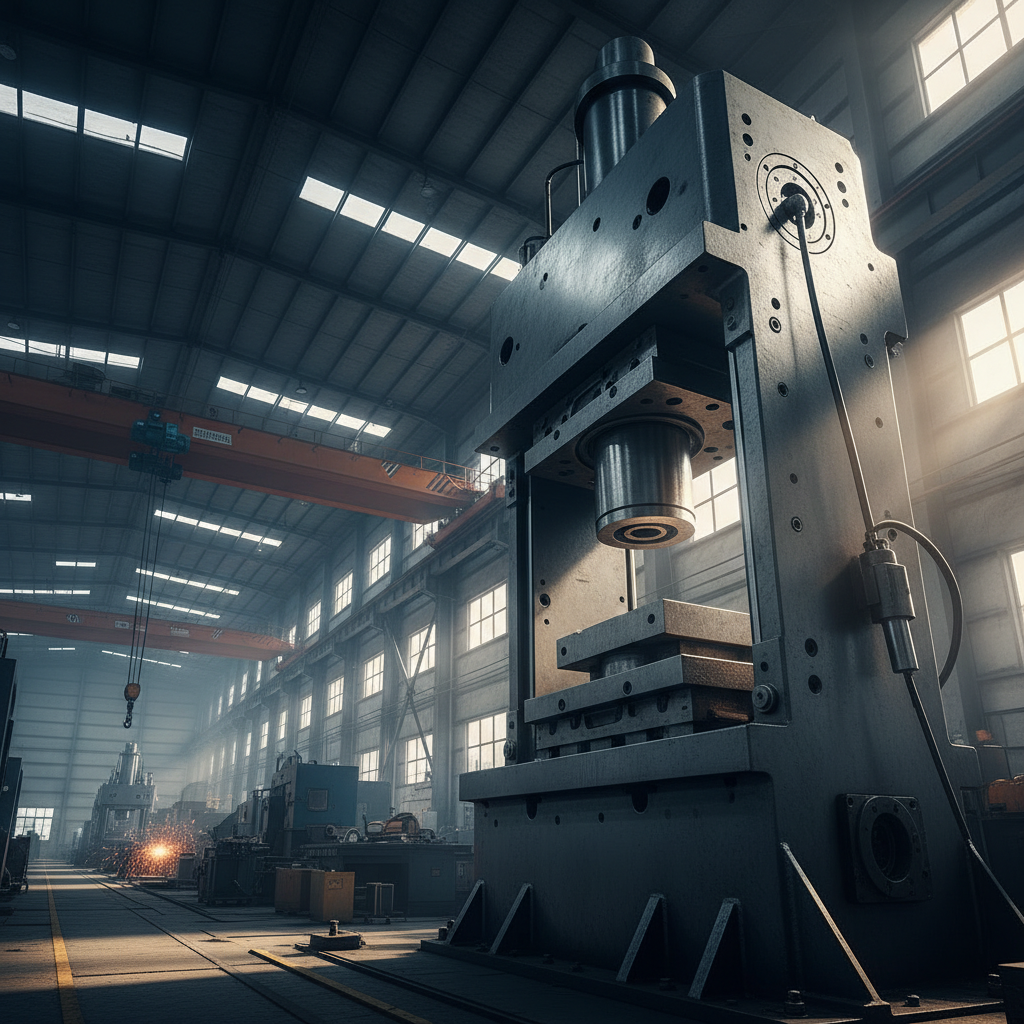
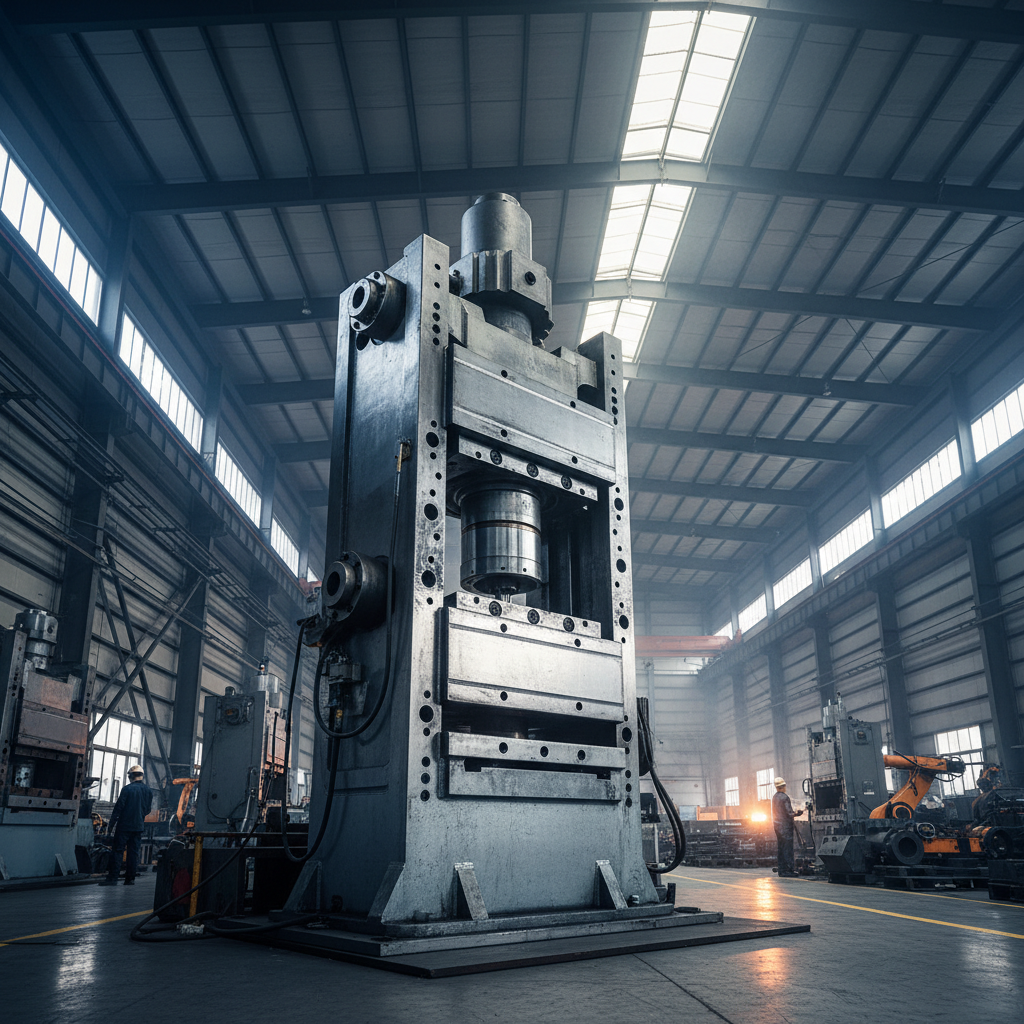
The core function of a bearing pressing machine is to apply controlled force to precisely seat a bearing onto a shaft or into a housing. This is fundamentally different from traditional methods which often involve hammering, potentially damaging the bearing and compromising its integrity. A quality bearing pressing machine offers repeatability and minimizes the risk of errors, making it indispensable for industries demanding high precision.
These machines come in a variety of configurations, from simple manual hydraulic presses to fully automated robotic systems. The choice of machine depends on the scale of production, the size and type of bearings being installed, and the required level of automation. The underlying principle, however, remains the same: to apply consistent, controlled force for a secure and damage-free bearing installation.
Hydraulic bearing pressing machines utilize fluid pressure for force application, offering high power and versatility. They are often more cost-effective initially but require more maintenance. Electromechanical presses, on the other hand, use electric motors and precision control systems, providing greater accuracy, repeatability, and energy efficiency. They tend to have a higher upfront cost but lower long-term operating expenses and require less maintenance, and are especially suited for high-volume, precision applications.
Selecting the correct size machine depends on several factors, including the maximum bearing diameter and weight, the required pressing force, and the production volume. It’s crucial to consider the largest bearing you’ll be pressing and ensure the machine has sufficient capacity. Also, evaluate the pressing force required based on the bearing’s interference fit. Consider future needs and potential scalability when making your decision.
Safety is paramount. Always wear appropriate personal protective equipment (PPE), including safety glasses and gloves. Ensure the machine is properly grounded and that all safety guards are in place. Never exceed the machine's rated capacity. Follow the manufacturer's operating instructions carefully and receive proper training before operating the machine. Regularly inspect the machine for any signs of damage or malfunction.
Calibration frequency depends on usage and the level of precision required. However, a general guideline is to calibrate the machine at least annually, or more frequently if it’s used heavily or in critical applications. Calibration ensures that the machine is delivering accurate force and pressure, maintaining consistent bearing installation quality. Keep detailed records of all calibration activities.
Automated systems offer several advantages, including increased efficiency, reduced labor costs, improved precision, and enhanced repeatability. They minimize the risk of operator error and allow for continuous operation, maximizing production output. Integration with robotic systems can further streamline the process and improve overall productivity. The investment in automation can be quickly recovered through increased efficiency and reduced costs.
Regular maintenance is essential for ensuring the longevity and reliability of a bearing pressing machine. This includes lubricating moving parts, inspecting hydraulic fluid levels (if applicable), checking for leaks, and cleaning the machine. Regularly inspecting and replacing worn components, such as seals and filters, is also crucial. Following the manufacturer's recommended maintenance schedule will help prevent breakdowns and extend the machine’s lifespan.
Bearing pressing machines are vital tools for ensuring the reliable and efficient operation of countless machines and systems across a diverse range of industries. From improving bearing lifespan and reducing downtime to enhancing safety and promoting automation, the benefits of investing in quality bearing pressing equipment are substantial. The technology continues to evolve, driven by the demands for greater precision, efficiency, and integration with Industry 4.0 principles.
Looking ahead, the adoption of smart, automated bearing pressing solutions will become increasingly prevalent. Embracing these innovations will be key to maintaining a competitive edge and ensuring the continued performance and longevity of critical machinery. For reliable and innovative solutions, visit our website: https://www.arybearing.com.

 Afrikaans
 Albanian
 Amharic
 Arabic
 Armenian
 Azerbaijani
 Basque
 Belarusian
 Bengali
 Bosnian
 Bulgarian
 Catalan
 Cebuano
 Corsican
 Croatian
 Czech
Czech
 Danish
 Dutch
Dutch
 Esperanto
 Estonian
 Finnish
 French
 Frisian
 Galician
 Georgian
 German
 Greek
Greek
 Gujarati
 Haitian Creole
 Hausa
Hausa
 Hawaiian
 Hebrew
 Hindi
Hindi
 Miao
Miao
 Hungarian
 Icelandic
 Igbo
Igbo
 Indonesian
 Irish
Irish
 Italian
 Japanese
 Javanese
 Kannada
 Kazakh
 Khmer
Khmer
 Rwandese
 Korean
 Kurdish
 Kyrgyz
 Lao
Lao
 Latin
Latin
 Latvian
 Lithuanian
 Luxembourgish
 Macedonian
 Malgashi
 Malay
Malay
 Malayalam
 Maltese
 Maori
Maori
 Marathi
 Mongolian
 Myanmar
 Nepali
 Norwegian
 Norwegian
 Occitan
 Pashto
 Persian
 Polish
 Portuguese
 Punjabi
 Romanian
 Russian
 Samoan
 Scottish Gaelic
 Serbian
 Sesotho
 Shona
Shona
 Sindhi
 Sinhala
 Slovak
 Slovenian
 Somali
 Spanish
 Sundanese
 Swahili
 Swedish
 Tagalog
 Tajik
Tajik
 Tamil
Tamil
 Tatar
Tatar
 Telugu
 Thai
Thai
 Turkish
 Turkmen
 Ukrainian
 Urdu
Urdu
 Uighur
 Uzbek
Uzbek
 Vietnamese
 Welsh
Welsh
 Bantu
Bantu
 Yiddish
 Yoruba
 Zulu
Zulu
 English