To be honest, this year’s been… busy. Really busy. It's all about miniaturization, you know? Everything's getting smaller, more efficient. Folks are demanding tighter tolerances, more compact designs. I've been seeing a lot of requests for high-precision bearings, mostly for robotics and those little drone motors. Seems like everyone wants a drone these days. And the demand for materials that can withstand higher temperatures? Through the roof. It’s not just about performance anymore, it’s about getting everything into a smaller space.
Have you noticed how many guys are trying to reinvent the wheel? Seriously. They come up with these complex designs, these “innovations,” that just…don’t work in the real world. It's a classic trap – over-engineering. You start adding features and tolerances that are just impossible to maintain consistently on the shop floor. I encountered this at a factory in Dongguan last time, a guy spent six months perfecting a magnetic levitation system for a tiny pump, and it failed because dust. Just… dust.
Anyway, I think the core of what we do at active bearings machinery sdn bhd is making sure things roll. Sounds simple, right? But it’s not. It’s a deceptively complex business.

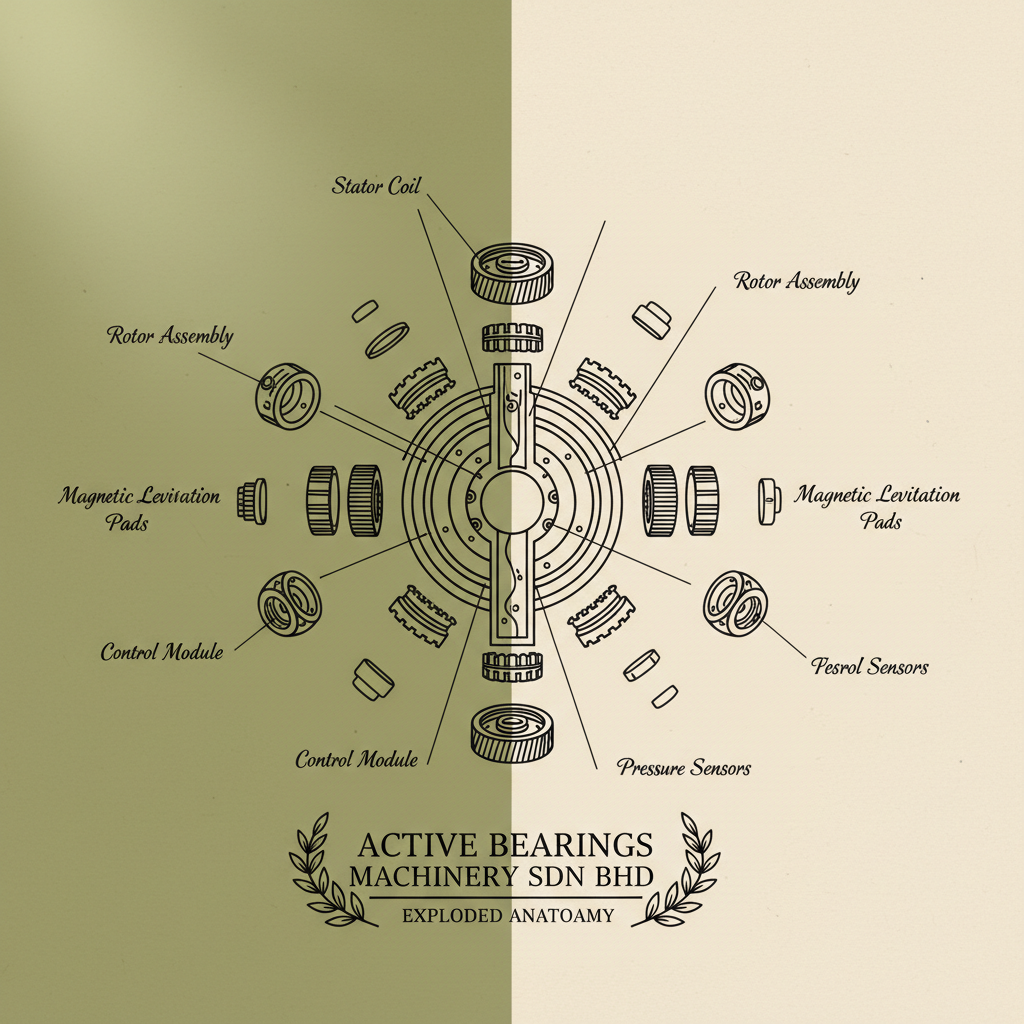
Strangely enough, the biggest trend I'm seeing isn't necessarily new materials, it’s the refining of existing ones. Like, everyone wants ceramic bearings, sure, but getting consistent quality, especially in smaller batches, is still a nightmare. It's all about process control.
The demand from the automotive industry for electric vehicle components is driving innovation in bearing design, especially for wheel hubs and transmissions. We’re talking about bearings that need to handle incredible loads at high speeds and remain extremely quiet. It’s pushing us to the limit. And, well, active bearings machinery sdn bhd is right there in the thick of it.
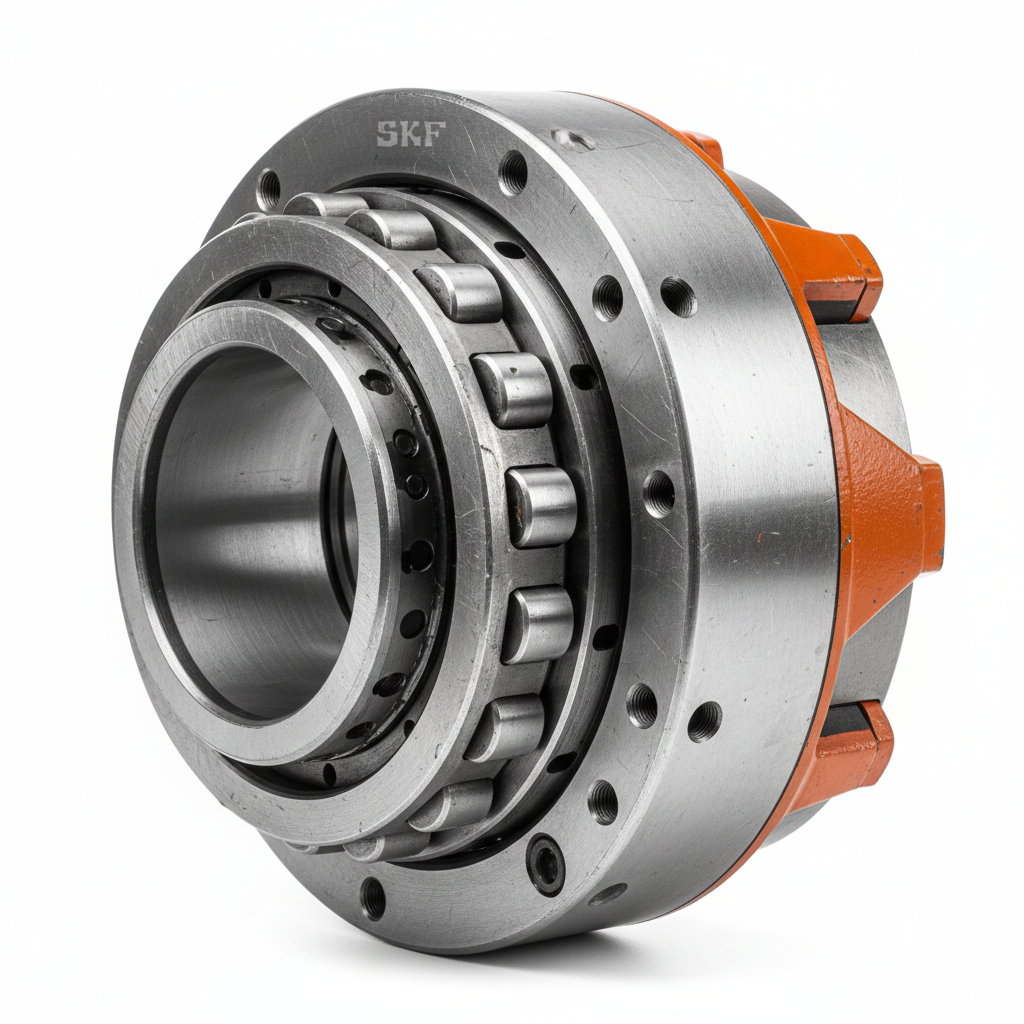
For high-speed, low-load scenarios, a deep groove ball bearing with ceramic balls is often an excellent choice. The ceramic balls reduce friction and allow for higher speeds, while the deep groove design provides good radial support. However, consider the environmental factors as well; if corrosion is a concern, a stainless steel or hybrid bearing might be more suitable. We’ve seen success with this configuration in miniature drones and precision motors. The key is balancing speed, load, and environmental resistance.
Contamination is a huge issue, and prevention is much easier than remediation. Ensure proper sealing around the bearing – use appropriate seals and shields. Regularly inspect and clean the surrounding area to minimize dust and debris. Consider using grease with good sealing properties. We often recommend grease with a clay base for applications in dirty environments. Also, proper installation techniques are critical – avoid damaging the bearing or introducing contaminants during the mounting process. A clean workspace is your best friend.
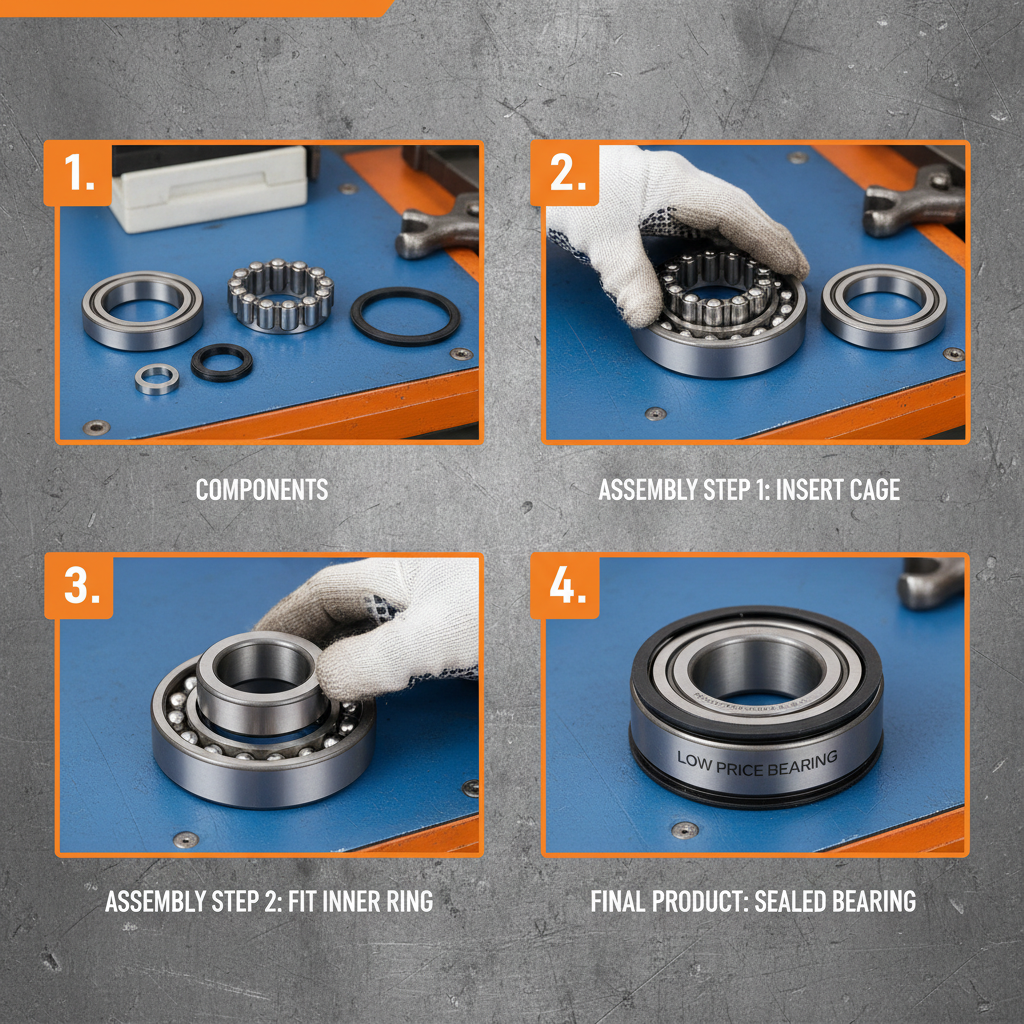
Shielded bearings have a shield on one or both sides that deflects contaminants, but allows grease to escape. Sealed bearings have a rubber seal that provides a tighter barrier against contaminants, but also retains the grease inside. Shielded bearings are better for high-speed applications, while sealed bearings are better for dirty environments. Essentially, it’s a trade-off between speed and contamination resistance. At active bearings machinery sdn bhd, we help customers choose the right option for their specific needs.
Absolutely. We offer a range of coatings, including chrome, nickel, and Teflon. Coatings can improve corrosion resistance, reduce friction, or enhance wear resistance. We once coated a batch of bearings with a diamond-like carbon (DLC) coating for a customer who needed extremely low friction in a vacuum environment. It was a challenging project, but the results were fantastic. Custom coatings add cost, so it’s important to weigh the benefits against the expense.
The most common mistake? Underestimating the load. People often focus on the static load, but they forget about dynamic loads, shock loads, and vibration. It's crucial to accurately assess all the forces that the bearing will be subjected to. We always recommend adding a safety factor to your load calculations. It's better to over-specify a bearing than to risk premature failure. Don’t be afraid to ask us for help—that’s what we’re here for.
Proper lubrication is critical. It reduces friction, dissipates heat, and protects against corrosion. The type of lubricant you use depends on the application, the operating speed, and the temperature. Using the wrong lubricant can lead to premature failure. We recommend using a high-quality grease or oil that is specifically designed for bearings. Regular relubrication is also important, but don’t overdo it – too much grease can also cause problems. It's a delicate balance.
Ultimately, we’ve talked about trends, materials, testing, and customization, but it all boils down to this: designing and selecting the right bearing is a complex process, but a critical one. It requires a combination of engineering knowledge, practical experience, and a healthy dose of common sense.
Whether this thing works or not, the worker will know the moment he tightens the screw. That’s the truth of it. If it feels right, spins smoothly, and doesn't overheat, you're on the right track. If it doesn't… well, back to the drawing board. And if you need a hand, you know where to find us at active bearings machinery sdn bhd.

 Afrikaans
 Albanian
 Amharic
 Arabic
 Armenian
 Azerbaijani
 Basque
 Belarusian
 Bengali
 Bosnian
 Bulgarian
 Catalan
 Cebuano
 Corsican
 Croatian
 Czech
Czech
 Danish
 Dutch
Dutch
 Esperanto
 Estonian
 Finnish
 French
 Frisian
 Galician
 Georgian
 German
 Greek
Greek
 Gujarati
 Haitian Creole
 Hausa
Hausa
 Hawaiian
 Hebrew
 Hindi
Hindi
 Miao
Miao
 Hungarian
 Icelandic
 Igbo
Igbo
 Indonesian
 Irish
Irish
 Italian
 Japanese
 Javanese
 Kannada
 Kazakh
 Khmer
Khmer
 Rwandese
 Korean
 Kurdish
 Kyrgyz
 Lao
Lao
 Latin
Latin
 Latvian
 Lithuanian
 Luxembourgish
 Macedonian
 Malgashi
 Malay
Malay
 Malayalam
 Maltese
 Maori
Maori
 Marathi
 Mongolian
 Myanmar
 Nepali
 Norwegian
 Norwegian
 Occitan
 Pashto
 Persian
 Polish
 Portuguese
 Punjabi
 Romanian
 Russian
 Samoan
 Scottish Gaelic
 Serbian
 Sesotho
 Shona
Shona
 Sindhi
 Sinhala
 Slovak
 Slovenian
 Somali
 Spanish
 Sundanese
 Swahili
 Swedish
 Tagalog
 Tajik
Tajik
 Tamil
Tamil
 Tatar
Tatar
 Telugu
 Thai
Thai
 Turkish
 Turkmen
 Ukrainian
 Urdu
Urdu
 Uighur
 Uzbek
Uzbek
 Vietnamese
 Welsh
Welsh
 Bantu
Bantu
 Yiddish
 Yoruba
 Zulu
Zulu
 English