
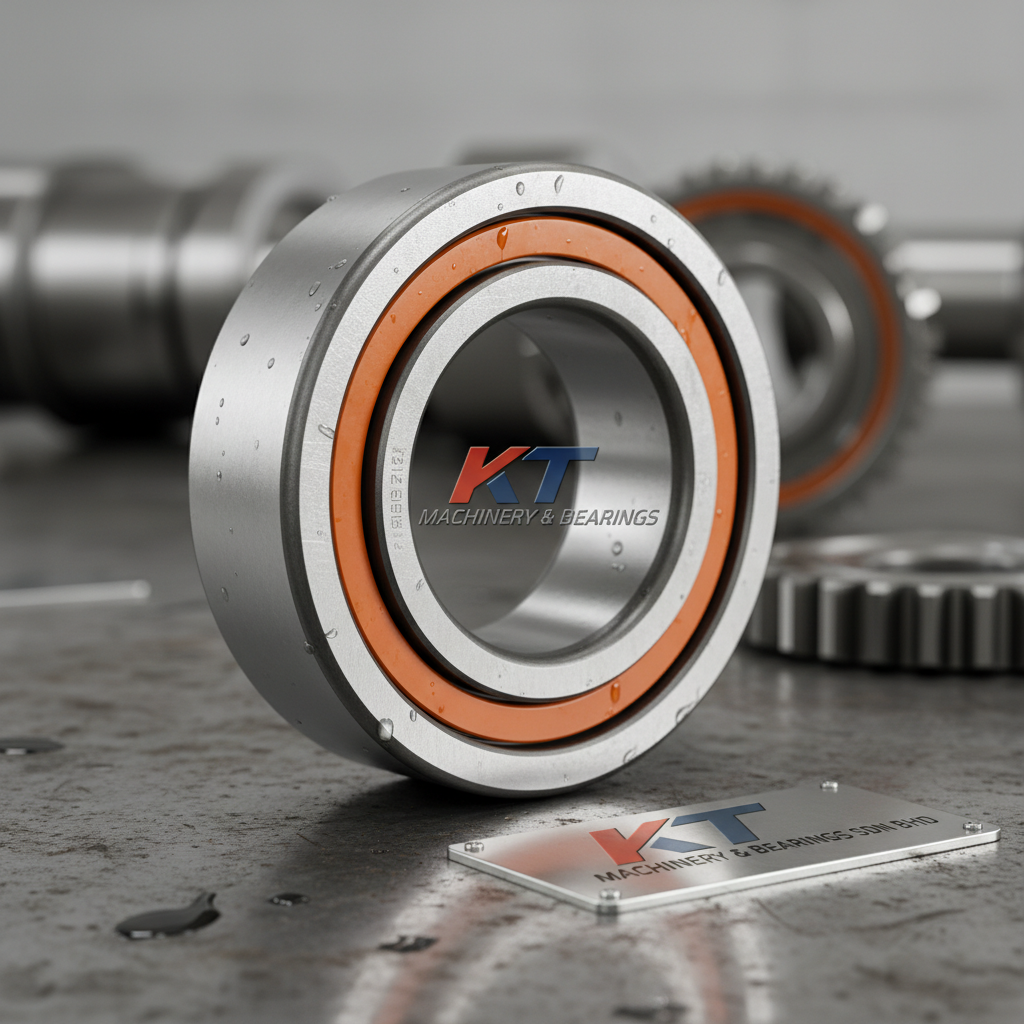
The 6201 2rs represents a cornerstone in the world of precision machinery, serving as a vital component that ensures smooth rotational movement across countless industrial applications. In an era where mechanical efficiency directly correlates with operational profitability, understanding the nuances of this specific bearing—characterized by its deep groove design and dual rubber seals—is essential for engineers and procurement specialists alike.
Globally, the demand for high-performance components like the 6201 2rs has surged as automation and robotics redefine the manufacturing landscape. From small electric motors to complex conveyor systems, the ability of a bearing to withstand radial loads while preventing contaminant ingress is what separates a durable machine from one plagued by frequent downtime.
By focusing on the technical synergy between material science and sealing technology, the 6201 2rs provides a reliable solution for those seeking to balance cost-effectiveness with long-term structural integrity. This guide explores its global relevance, technical advantages, and the evolving trends that continue to make it a preferred choice in the bearing industry.
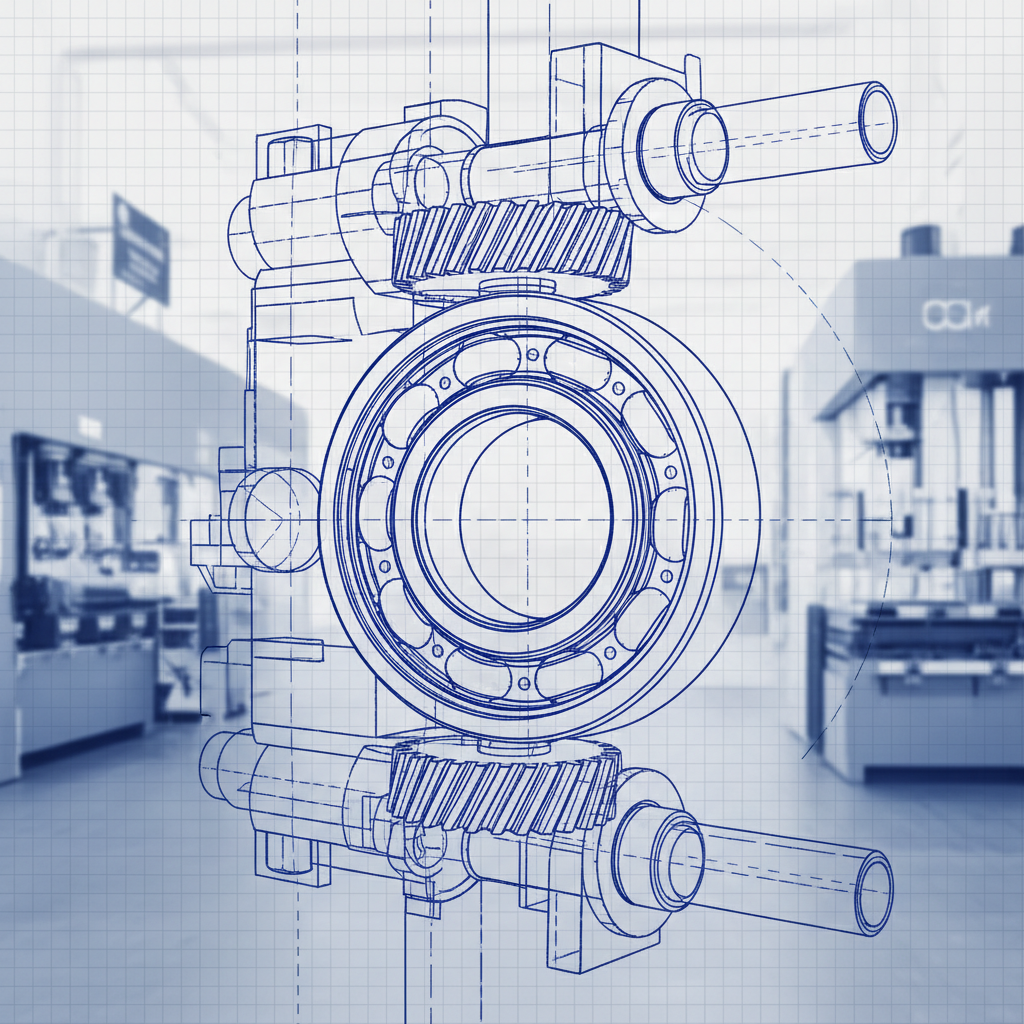
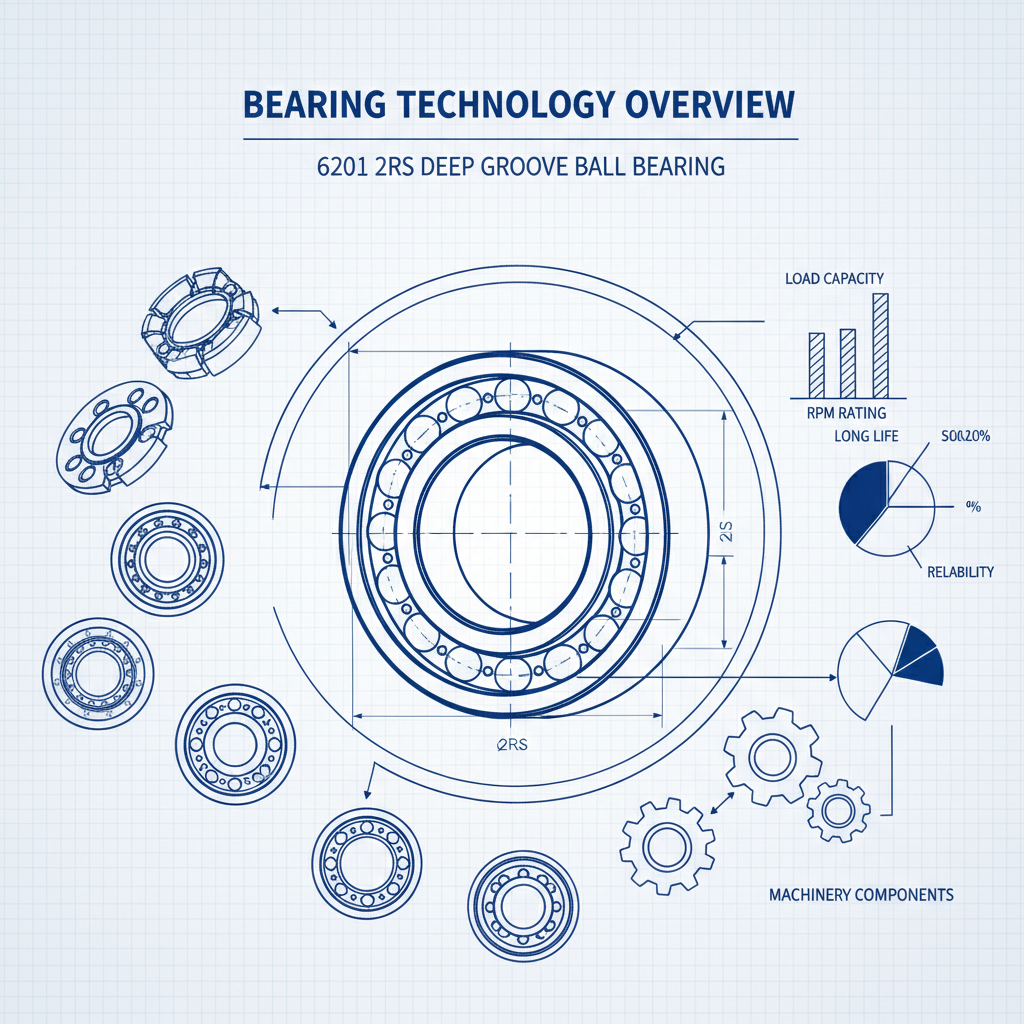
In the current global industrial climate, the 6201 2rs is more than just a part; it is a fundamental building block of the "General Equipment Manufacturing" sector. Following ISO standards for dimensions and tolerances, this bearing facilitates the seamless operation of millions of devices worldwide. As emerging economies in Asia and Latin America accelerate their industrialization, the reliance on standardized, high-quality bearings has become a critical factor in maintaining global supply chain stability.
The primary challenge addressed by the 6201 2rs is the conflict between high-speed rotation and environmental contamination. In dusty or humid industrial zones, open bearings fail prematurely due to lubricant leakage and particle intrusion. The "2RS" designation—meaning two rubber seals—provides a robust barrier that significantly extends the mean time between failures (MTBF), reducing the total cost of ownership for plant managers and technicians.
The primary difference lies in the sealing method. The 6201 2rs features rubber seals that provide a contact seal, making it superior at keeping out dust and moisture and retaining lubricant. The 6201 ZZ uses metal shields, which are non-contact; they are better for higher speeds and temperatures but offer less protection against fine contaminants. If your environment is dirty or humid, the 2rs version is the professional choice.
Technically, no. The 6201 2rs is designed as a "lubricated-for-life" component. Because the rubber seals are integrated and contact the inner ring, attempting to remove them to add grease usually damages the seal, destroying the bearing's protective properties. For applications requiring regular re-lubrication, a bearing with a grease nipple or an open design should be used instead.
A humming or grinding noise usually indicates one of three things: lubricant degradation, contamination that has bypassed the seals, or "brinelling" caused by improper installation. If the noise started immediately after installation, check for misalignment. If it developed over time, the bearing may have reached the end of its service life or been subjected to loads exceeding its rated capacity.
Standard rubber seals used in the 6201 2rs have a specific temperature range (typically up to 100-120°C). If your application exceeds this, the seals may melt or harden, leading to lubricant leakage. For high-heat scenarios, we recommend specifying a 6201 2rs with Viton or PTFE seals, which are engineered to maintain integrity at significantly higher temperatures.
Ensure your shaft and housing tolerances match the ISO standards for a 12mm bore. Use a calibrated press or an induction heater to avoid hammering the bearing into place. Applying force only to the ring that is being fitted (inner ring for shaft, outer ring for housing) prevents internal damage and ensures the 6201 2rs operates at its maximum rated efficiency.
To ensure you receive components that meet strict E-E-A-T principles of quality and reliability, it is best to source from specialized distributors who provide material certifications. Visiting established platforms like www.arybearing.com ensures you get a product that adheres to global precision standards, reducing the risk of counterfeit parts that fail prematurely in critical machinery.
In summary, the 6201 2rs stands as a testament to the power of standardization in the mechanical world. By combining a robust deep-groove architecture with dual rubber seals, it solves the age-old industrial struggle between friction reduction and environmental protection. From its role in enhancing the lifespan of electric motors to its critical utility in remote infrastructure, the value of this bearing lies in its consistency, durability, and cost-effectiveness.
As we move toward a future of smarter, greener industry, the 6201 2rs will continue to evolve through better materials and integrated monitoring. For engineers and business owners, the key to success lies in selecting high-quality components and adhering to precision installation practices. To secure the best performance for your machinery, we invite you to explore our professional range. Visit our website: www.arybearing.com
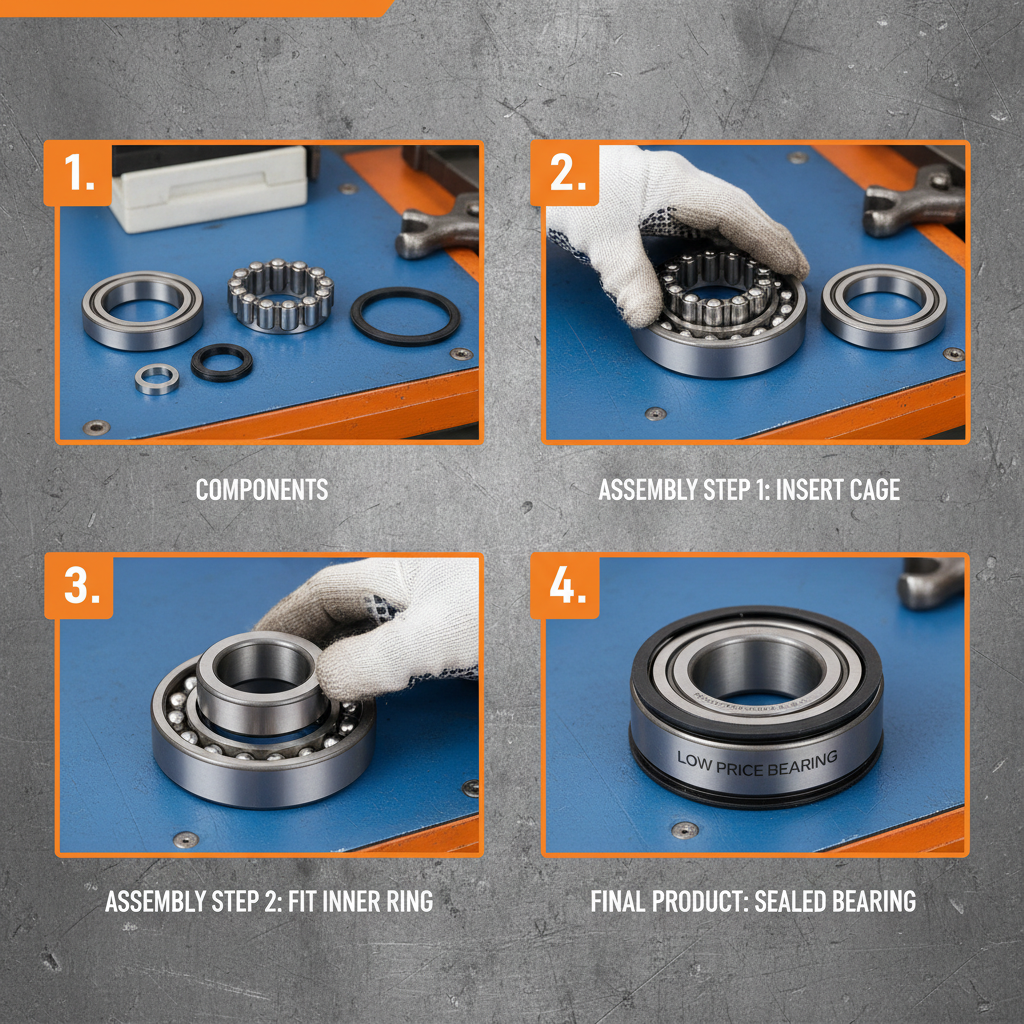
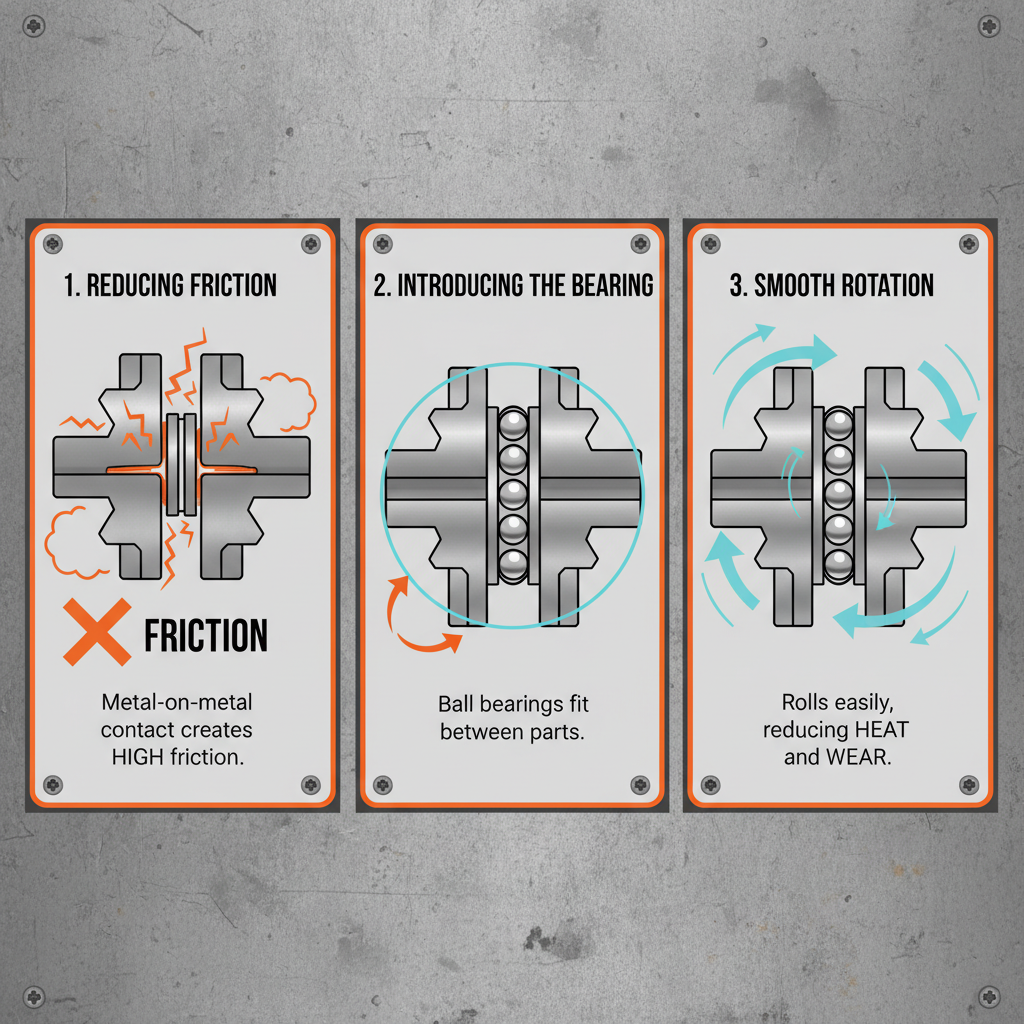


 Afrikaans
 Albanian
 Amharic
 Arabic
 Armenian
 Azerbaijani
 Basque
 Belarusian
 Bengali
 Bosnian
 Bulgarian
 Catalan
 Cebuano
 Corsican
 Croatian
 Czech
Czech
 Danish
 Dutch
Dutch
 Esperanto
 Estonian
 Finnish
 French
 Frisian
 Galician
 Georgian
 German
 Greek
Greek
 Gujarati
 Haitian Creole
 Hausa
Hausa
 Hawaiian
 Hebrew
 Hindi
Hindi
 Miao
Miao
 Hungarian
 Icelandic
 Igbo
Igbo
 Indonesian
 Irish
Irish
 Italian
 Japanese
 Javanese
 Kannada
 Kazakh
 Khmer
Khmer
 Rwandese
 Korean
 Kurdish
 Kyrgyz
 Lao
Lao
 Latin
Latin
 Latvian
 Lithuanian
 Luxembourgish
 Macedonian
 Malgashi
 Malay
Malay
 Malayalam
 Maltese
 Maori
Maori
 Marathi
 Mongolian
 Myanmar
 Nepali
 Norwegian
 Norwegian
 Occitan
 Pashto
 Persian
 Polish
 Portuguese
 Punjabi
 Romanian
 Russian
 Samoan
 Scottish Gaelic
 Serbian
 Sesotho
 Shona
Shona
 Sindhi
 Sinhala
 Slovak
 Slovenian
 Somali
 Spanish
 Sundanese
 Swahili
 Swedish
 Tagalog
 Tajik
Tajik
 Tamil
Tamil
 Tatar
Tatar
 Telugu
 Thai
Thai
 Turkish
 Turkmen
 Ukrainian
 Urdu
Urdu
 Uighur
 Uzbek
Uzbek
 Vietnamese
 Welsh
Welsh
 Bantu
Bantu
 Yiddish
 Yoruba
 Zulu
Zulu
 English