
In the intricate world of mechanical engineering, understanding the various deep groove ball bearing types is fundamental to ensuring the operational efficiency of virtually every rotating machine. These bearings, characterized by their deep raceways, are designed to handle both radial and axial loads, making them the most versatile and widely used bearing category in the global manufacturing landscape. By selecting the correct type, engineers can significantly reduce friction and wear, directly impacting the lifespan of industrial equipment.
From a global industrial perspective, the demand for specialized bearing solutions has surged as automation and precision machinery become the standard. Whether it is in high-speed electric motors or heavy-duty agricultural machinery, the specific configuration of a bearing—its seal, cage material, and internal clearance—determines its success in the field. A misalignment in choosing the right variety can lead to premature failure, resulting in costly downtime and safety risks in critical infrastructure.
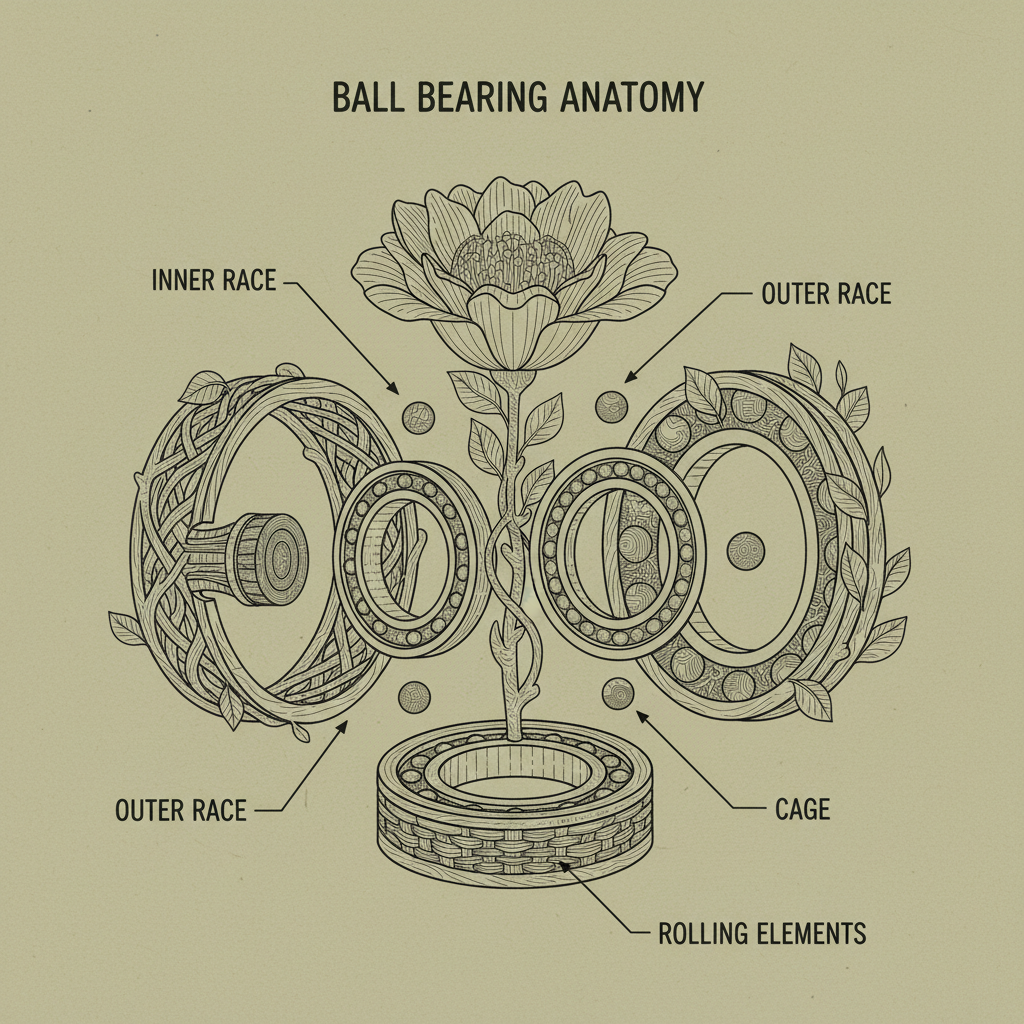
This comprehensive guide aims to demystify the technical complexities of deep groove ball bearing types, providing a roadmap for procurement officers and engineers alike. By analyzing the core components, application scenarios, and future innovations, we provide the technical insight necessary to optimize machinery performance and maintain a competitive edge in the modern manufacturing sector.
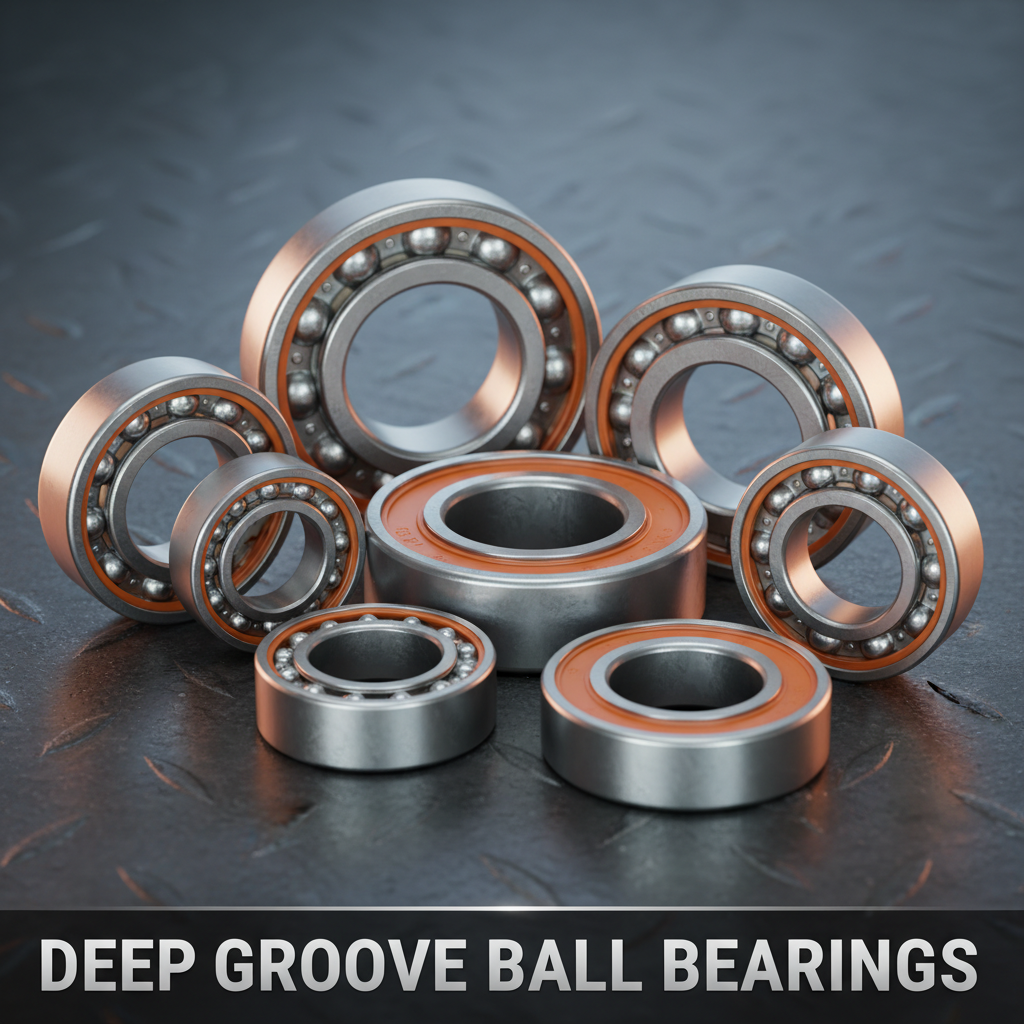
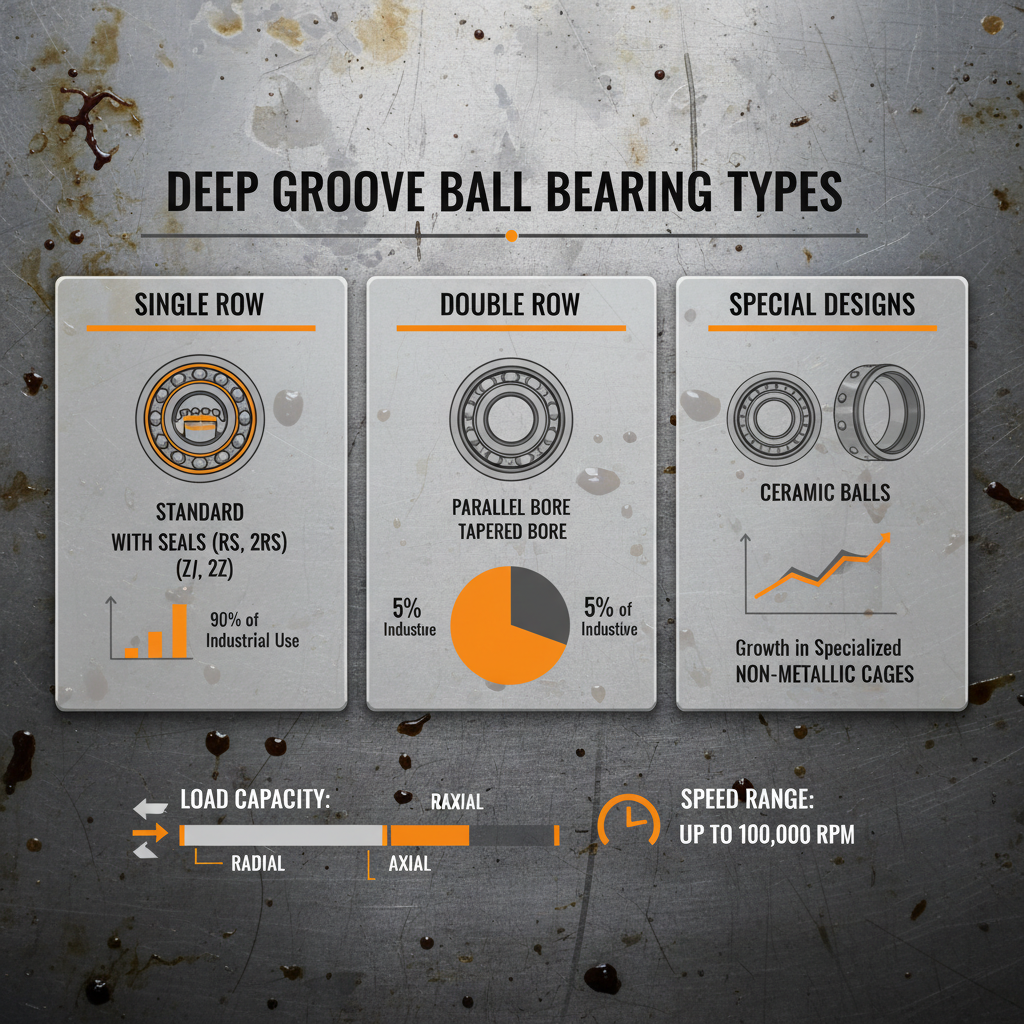
The global adoption of deep groove ball bearing types is a reflection of the broader trend toward industrial standardization and efficiency. According to ISO standards, these bearings are the cornerstone of the "General Purpose" category, used in everything from household appliances to aerospace components. Their ability to function reliably under varying speeds and loads makes them indispensable for maintaining the global supply chain, particularly in the automotive and electronics sectors.
In emerging economies, the proliferation of these bearings has facilitated the rapid growth of local manufacturing hubs. By utilizing standardized types, factories can ensure interchangeable parts and streamlined maintenance cycles. This globalized approach to bearing selection not only lowers the cost of entry for new industrial ventures but also ensures that safety and quality benchmarks are consistently met across international borders.
Shielded bearings (ZZ) use metal plates to protect the internals from large particles, while sealed bearings (2RS) use rubber or synthetic seals to prevent the ingress of fine dust and liquids. Sealed types are generally "lubricated for life" and offer better protection in harsh environments, but they have slightly higher friction due to the contact seal.
Yes, they can. Because of their deep raceways, these bearings can support loads in both radial and axial directions. However, their axial load capacity is significantly lower than that of specialized thrust bearings or angular contact bearings. They are best suited for applications where radial loads predominate but some thrust is present.
Ceramic hybrids use silicon nitride balls, which are harder, lighter, and more heat-resistant than steel. This results in lower centrifugal forces at high speeds, reduced friction, and a longer service life in environments where lubrication is minimal or temperatures are extreme, making them ideal for precision spindles.
The most effective ways to prevent failure include using proper induction heating for installation to avoid brinneling, ensuring the correct lubricant is used and not mixed with incompatible greases, and maintaining strict shaft alignment to avoid uneven load distribution across the raceways.
While stainless steel provides excellent resistance to oxidation and moisture, it may not be sufficient for highly acidic or alkaline environments. In such extreme cases, specialized coatings or full ceramic bearing types may be required to ensure the component does not degrade chemically.
C3 denotes internal clearance that is greater than "Normal." This is crucial for applications where the bearing is expected to heat up during operation; the increased clearance prevents the bearing from seizing as the components expand thermally, ensuring smooth rotation under high-load or high-heat conditions.
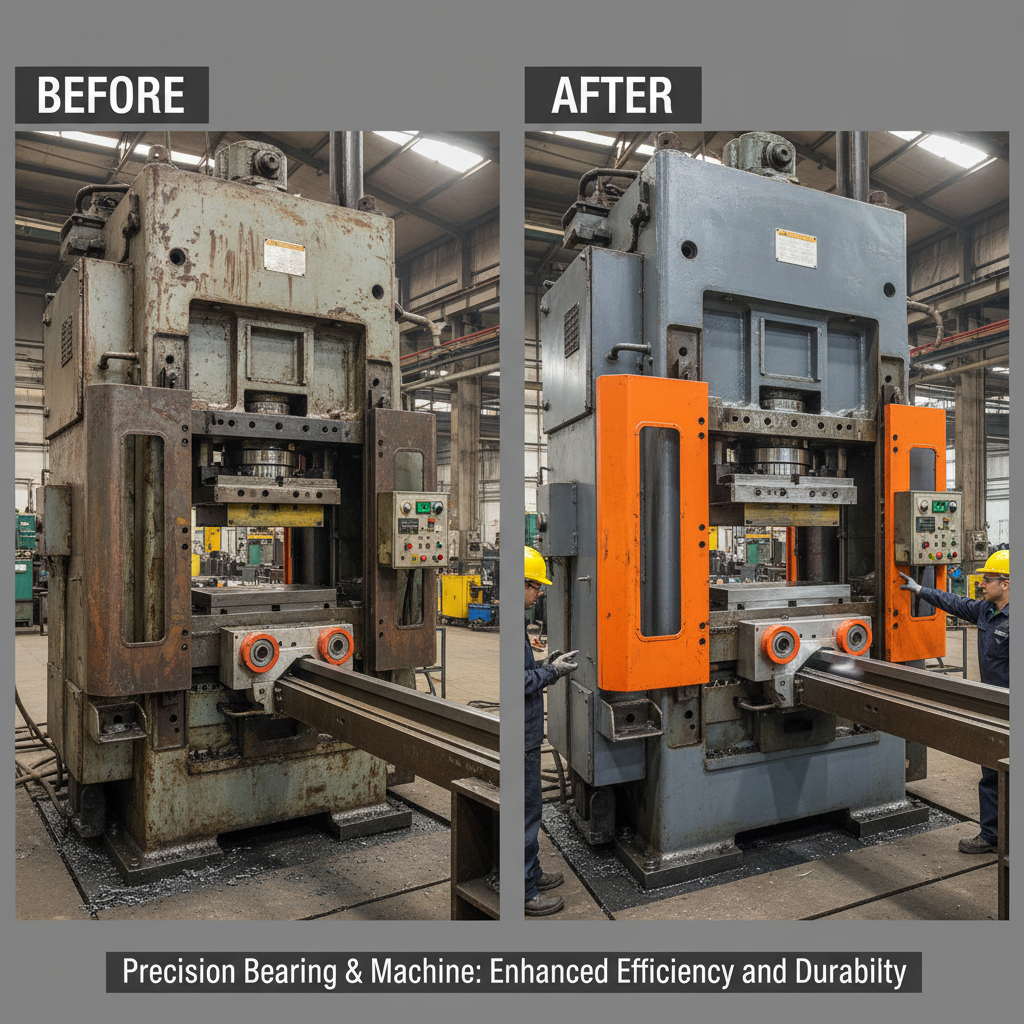
Selecting the appropriate deep groove ball bearing types is more than a procurement decision; it is a critical engineering choice that defines the efficiency, safety, and lifespan of industrial machinery. From the basic open-steel designs to high-performance ceramic hybrids, the diversity of these bearings allows them to serve as the literal "joints" of the global manufacturing economy. By balancing load requirements, environmental constraints, and maintenance capabilities, operators can maximize their uptime and reduce the total cost of ownership.
Looking forward, the integration of smart sensing and sustainable materials will continue to evolve, turning passive components into active data sources for predictive maintenance. For businesses aiming to scale their production while maintaining rigorous quality standards, investing in premium, precision-engineered bearings is the most reliable path to operational excellence. We encourage you to evaluate your current machinery needs and transition toward higher-efficiency bearing solutions to ensure future-proof performance. Visit our website: www.arybearing.com
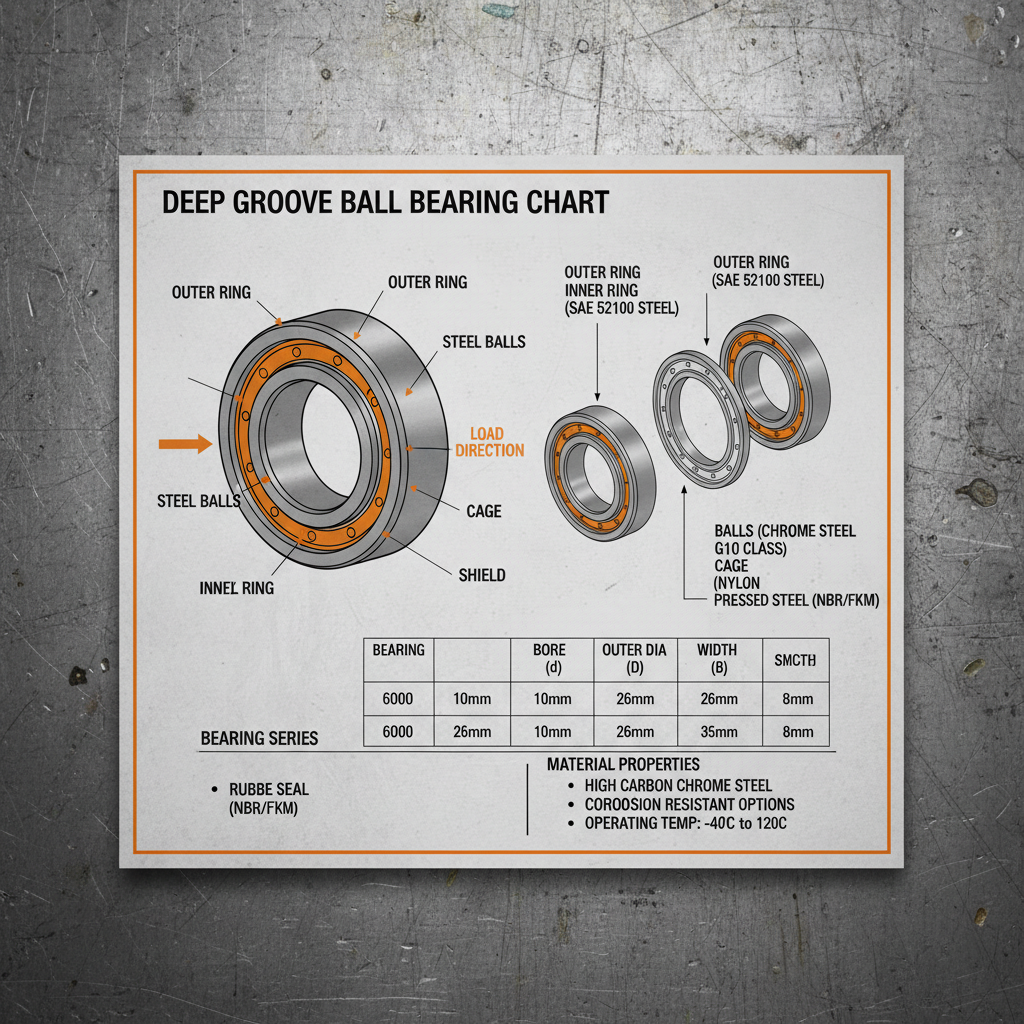
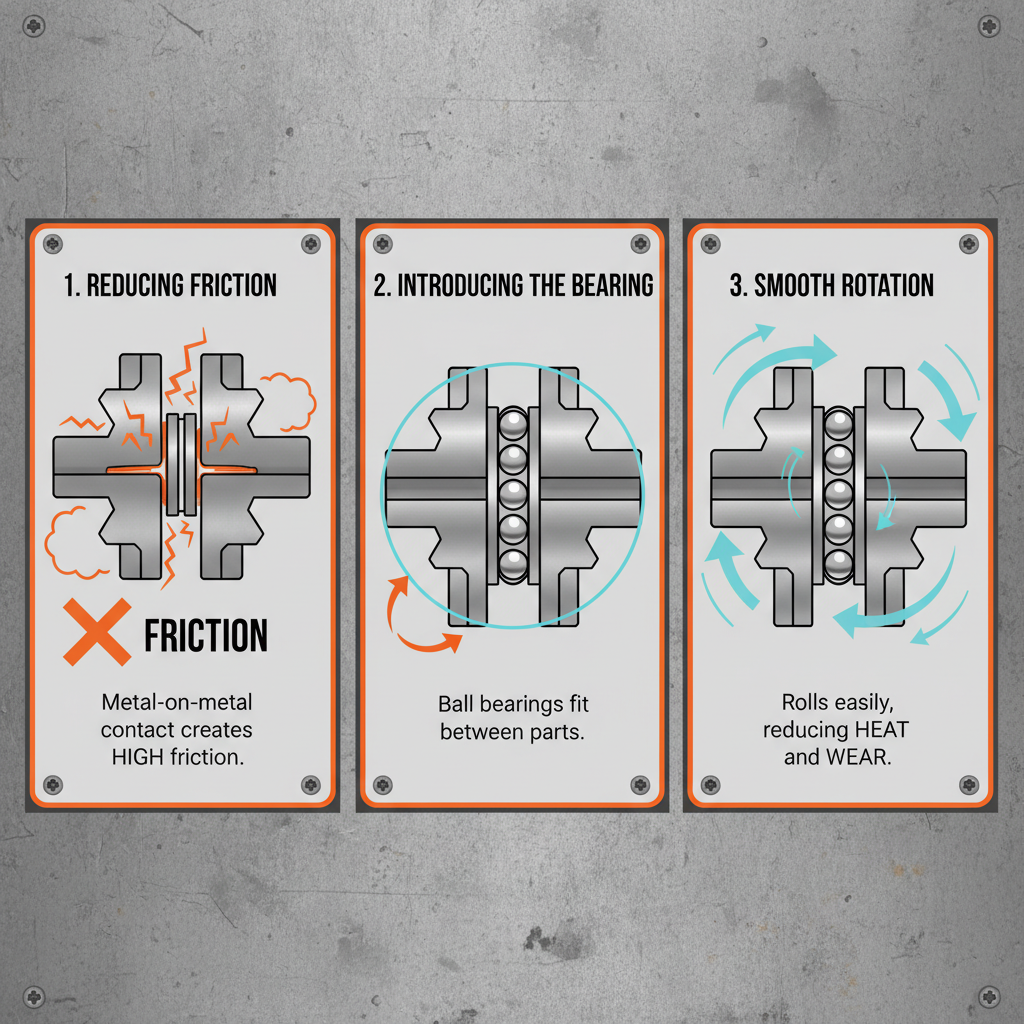

 Afrikaans
 Albanian
 Amharic
 Arabic
 Armenian
 Azerbaijani
 Basque
 Belarusian
 Bengali
 Bosnian
 Bulgarian
 Catalan
 Cebuano
 Corsican
 Croatian
 Czech
Czech
 Danish
 Dutch
Dutch
 Esperanto
 Estonian
 Finnish
 French
 Frisian
 Galician
 Georgian
 German
 Greek
Greek
 Gujarati
 Haitian Creole
 Hausa
Hausa
 Hawaiian
 Hebrew
 Hindi
Hindi
 Miao
Miao
 Hungarian
 Icelandic
 Igbo
Igbo
 Indonesian
 Irish
Irish
 Italian
 Japanese
 Javanese
 Kannada
 Kazakh
 Khmer
Khmer
 Rwandese
 Korean
 Kurdish
 Kyrgyz
 Lao
Lao
 Latin
Latin
 Latvian
 Lithuanian
 Luxembourgish
 Macedonian
 Malgashi
 Malay
Malay
 Malayalam
 Maltese
 Maori
Maori
 Marathi
 Mongolian
 Myanmar
 Nepali
 Norwegian
 Norwegian
 Occitan
 Pashto
 Persian
 Polish
 Portuguese
 Punjabi
 Romanian
 Russian
 Samoan
 Scottish Gaelic
 Serbian
 Sesotho
 Shona
Shona
 Sindhi
 Sinhala
 Slovak
 Slovenian
 Somali
 Spanish
 Sundanese
 Swahili
 Swedish
 Tagalog
 Tajik
Tajik
 Tamil
Tamil
 Tatar
Tatar
 Telugu
 Thai
Thai
 Turkish
 Turkmen
 Ukrainian
 Urdu
Urdu
 Uighur
 Uzbek
Uzbek
 Vietnamese
 Welsh
Welsh
 Bantu
Bantu
 Yiddish
 Yoruba
 Zulu
Zulu
 English