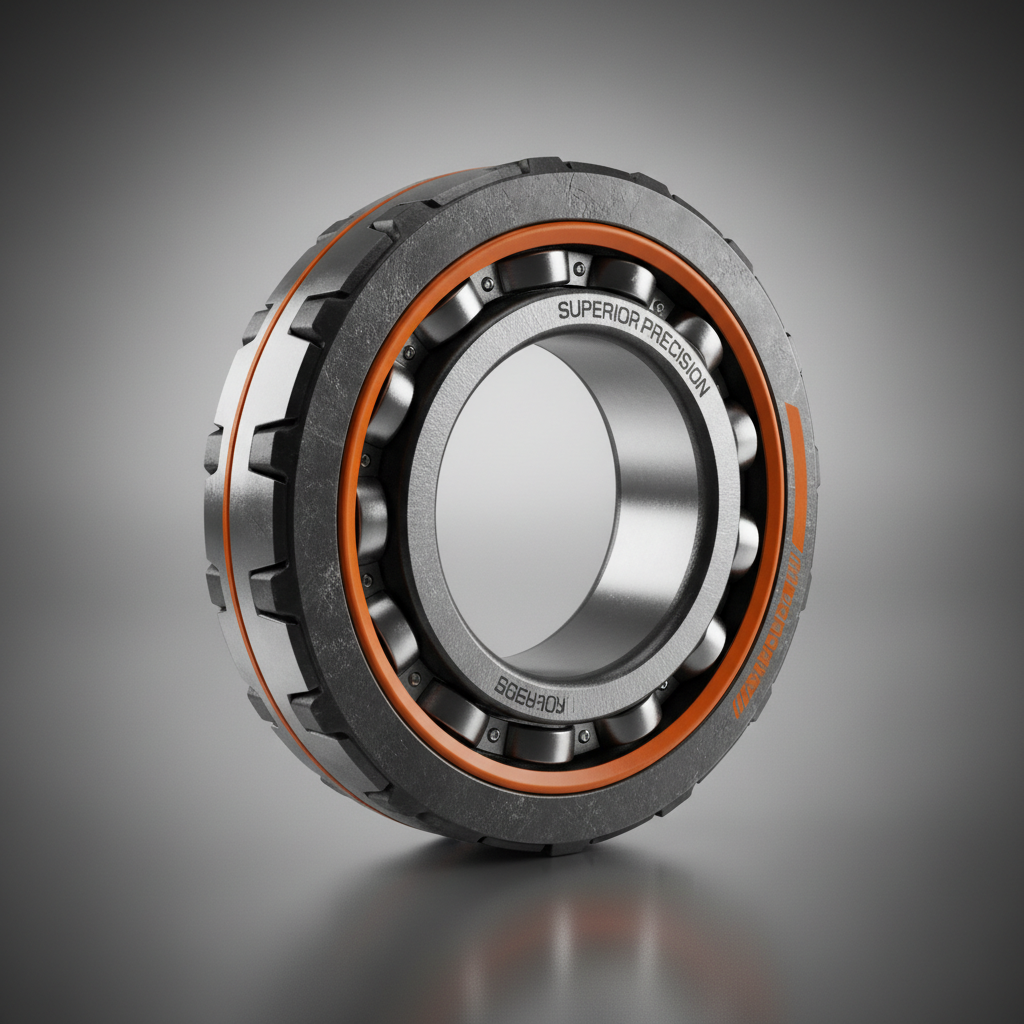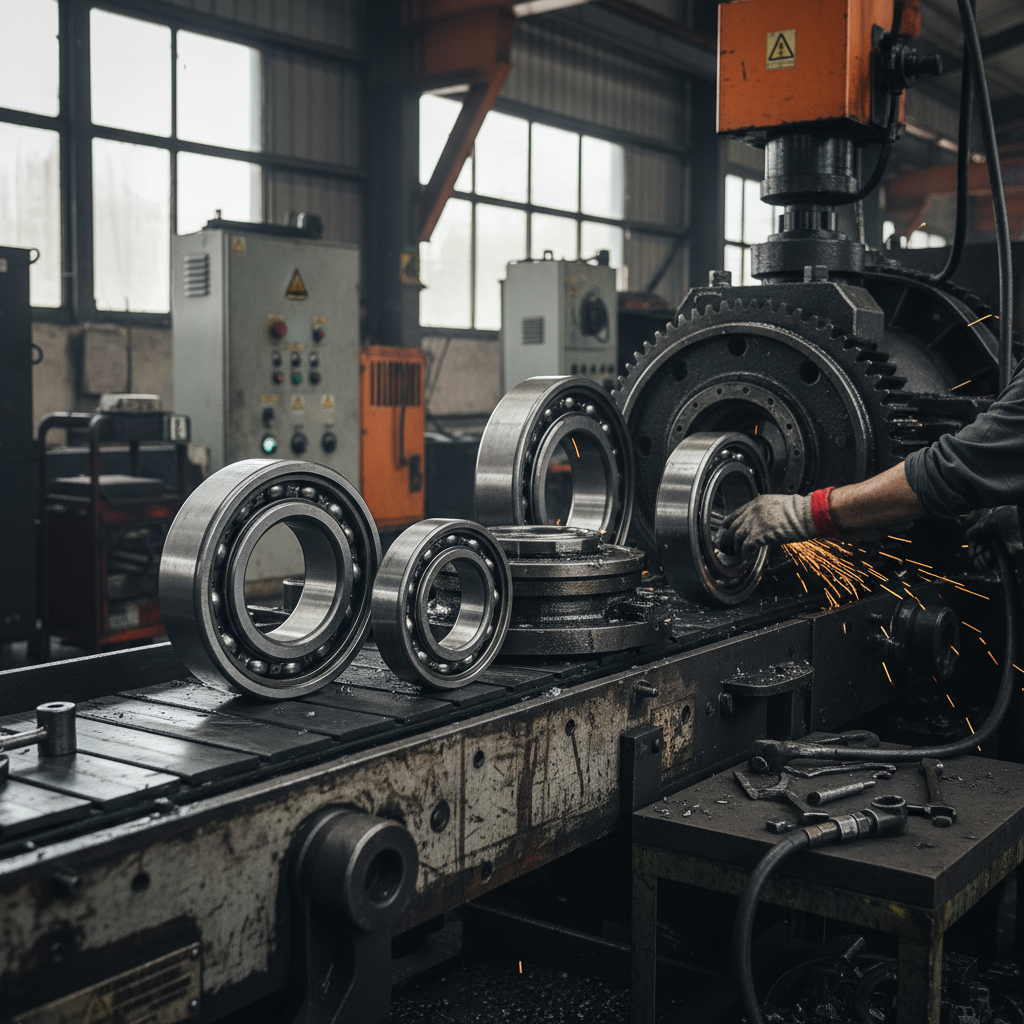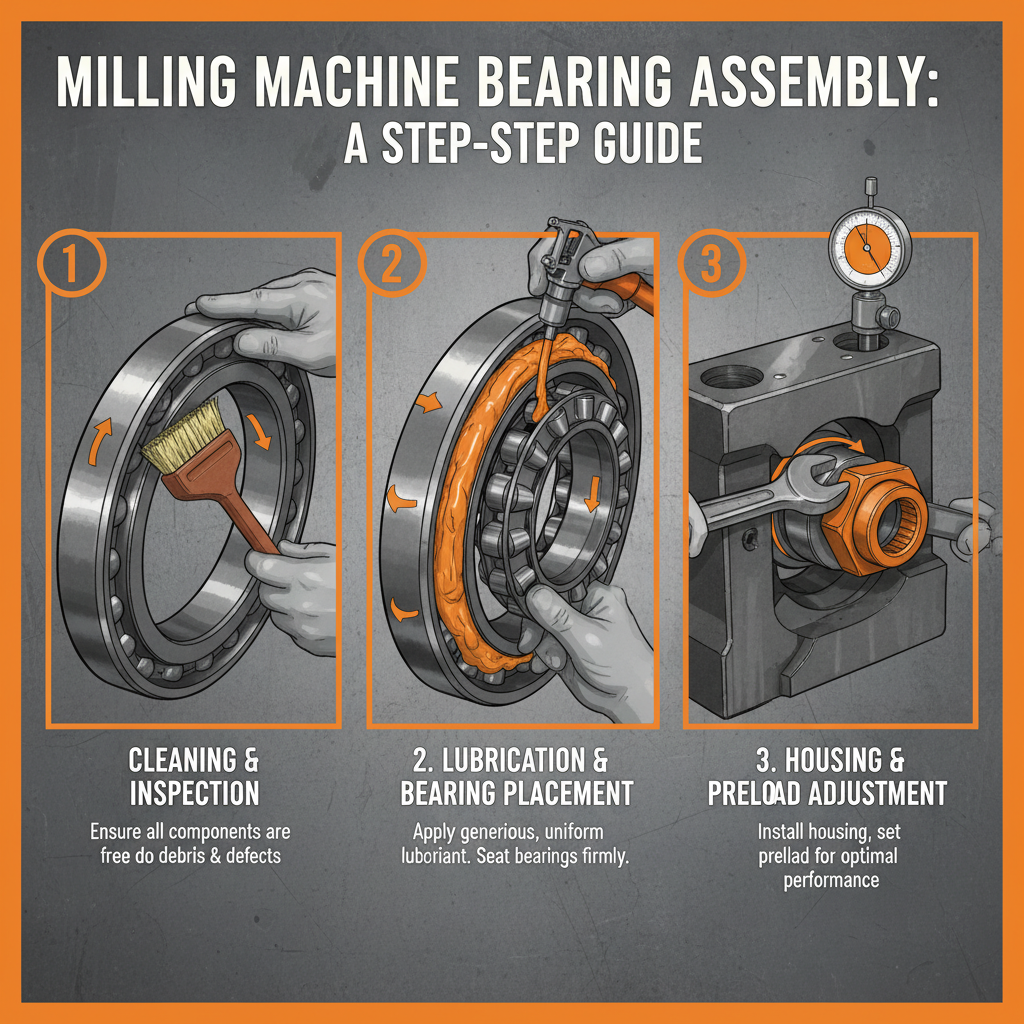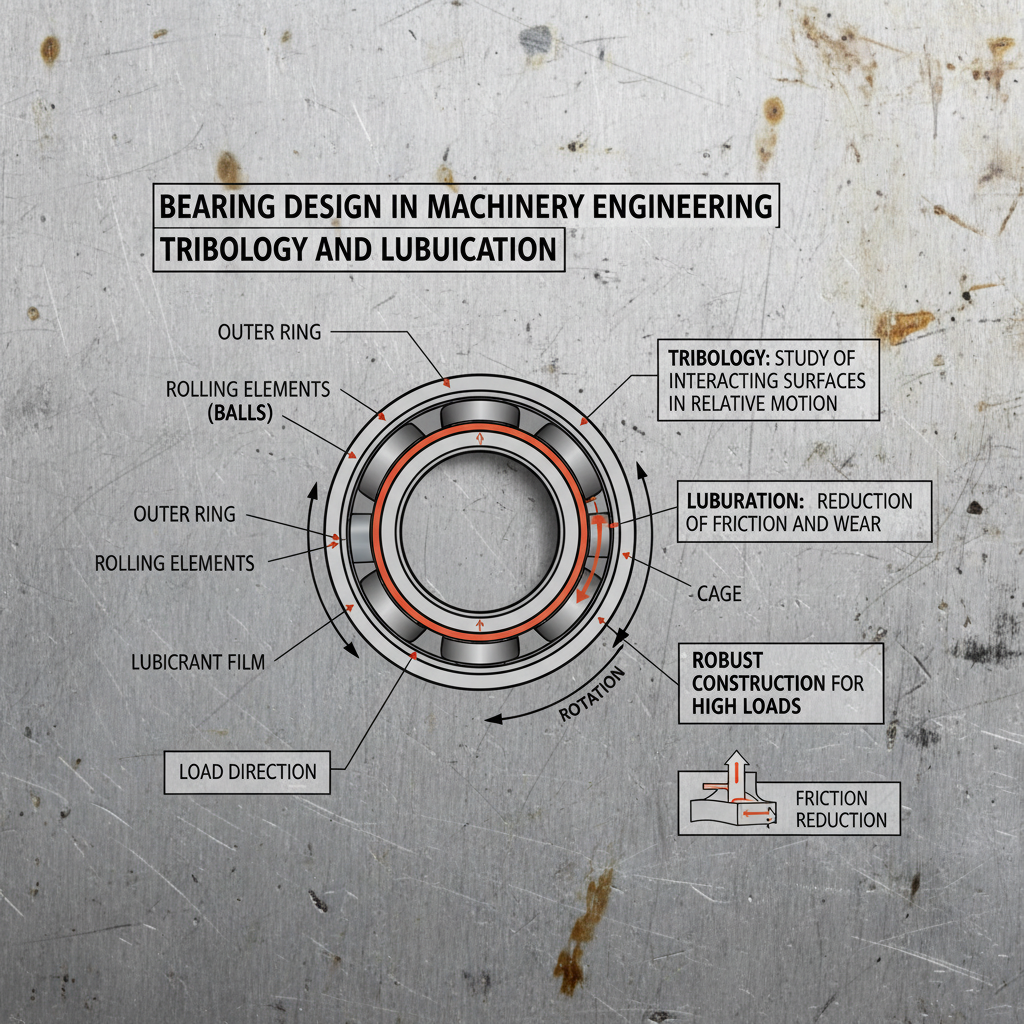
The precision engineering required for efficient industrial operation relies heavily on high-quality components, and at the heart of many machines lie bearings. A bearing manufacturing machine represents the complex systems and processes dedicated to producing these critical elements, enabling smooth and reliable mechanical movement. The global demand for bearings is substantial, driven by industries ranging from automotive and aerospace to manufacturing and renewable energy. Understanding the nuances of bearing production is therefore vital for engineers, manufacturers, and anyone involved in these sectors.
The importance of a robust bearing manufacturing process isn't simply about creating a functional part; it's about ensuring the longevity, safety, and efficiency of the end product. Faulty bearings can lead to costly downtime, equipment failure, and even safety hazards. Consequently, advancements in bearing manufacturing machine technology focus not only on increased output but also on enhanced quality control and precision. The impact reverberates through the entire supply chain, influencing productivity and innovation across numerous industries.
The continued evolution of materials science, automation, and digital technologies are transforming the landscape of bearing manufacturing machines. This progress presents both opportunities and challenges for manufacturers, requiring ongoing investment in research, development, and skilled labor. Recognizing these trends is crucial for businesses aiming to maintain a competitive edge and meet the evolving needs of a demanding global market.
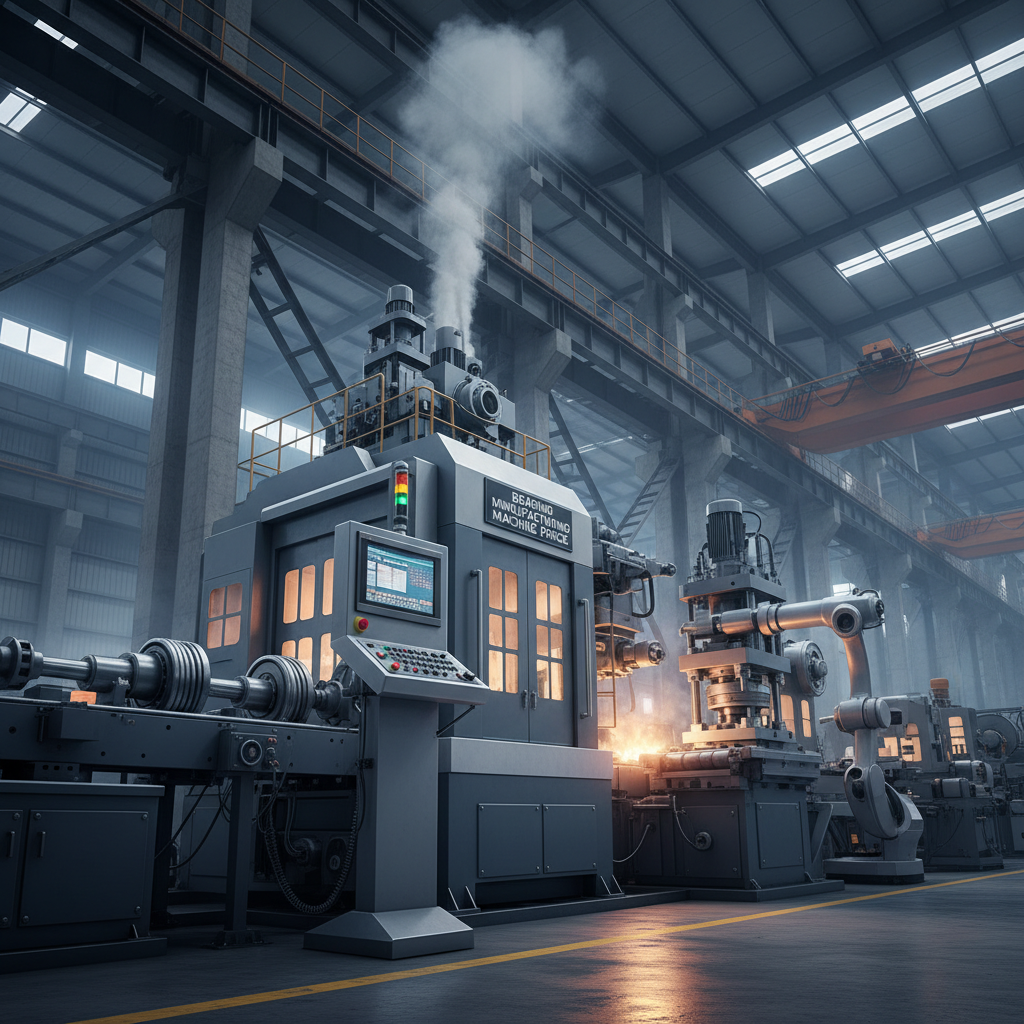
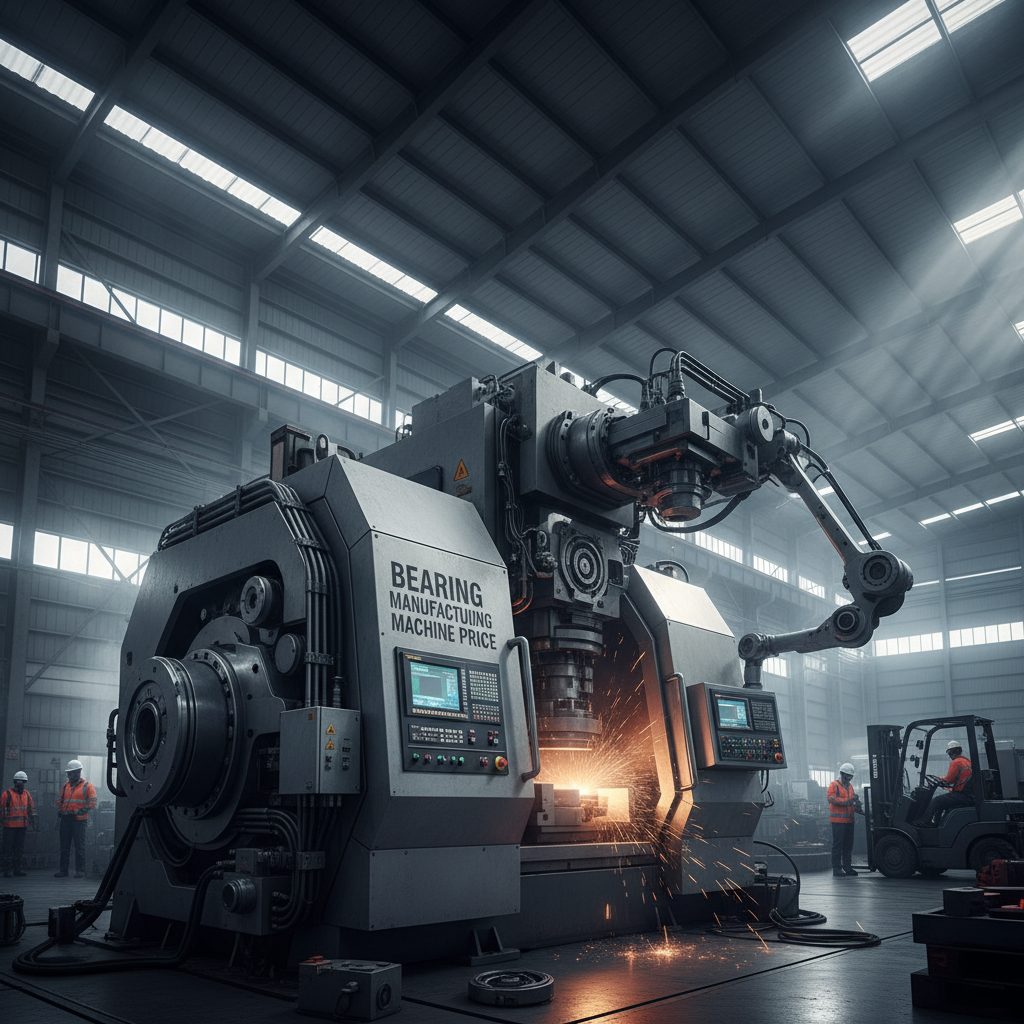
The global bearing manufacturing industry is a multi-billion dollar market, deeply intertwined with the health of the wider manufacturing sector. According to recent reports, the global bearings market was valued at approximately $85.4 billion in 2023 and is projected to reach $109.6 billion by 2030, growing at a CAGR of 3.7% from 2024 to 2030 (source: Allied Market Research). This growth is fueled by increased demand from automotive, aerospace, and industrial machinery sectors. The reliability of these sectors heavily depends on the efficiency of bearing manufacturing machine processes.
A significant challenge facing the industry is the need to reduce lead times and improve responsiveness to fluctuating demand. Global supply chain disruptions, exacerbated by geopolitical events and economic downturns, have highlighted the vulnerabilities of relying on concentrated manufacturing hubs. Investing in advanced bearing manufacturing machine technologies and diversifying production locations are crucial steps toward building a more resilient and adaptable supply chain.
Traditional bearing manufacturing relied heavily on manual labor and less precise machines. Modern bearing manufacturing machine systems integrate CNC technology, robotic automation, and digital control systems, resulting in significantly higher precision, faster production speeds, and reduced labor costs. They also incorporate advanced quality control measures like non-destructive testing and real-time monitoring to ensure consistently high product quality.
Common materials include high-carbon chromium steel, stainless steel, ceramic, and various polymers. The chosen material dictates the machine's requirements. Steel demands robust forging and heat treatment capabilities. Ceramics necessitate specialized grinding and polishing processes. Polymers require precise injection molding equipment. The bearing manufacturing machine must be adaptable to handle these diverse material properties effectively.
Automation is crucial. Robotic assembly lines, automated grinding systems, and CNC machines all contribute to increased efficiency, reduced labor costs, and consistent product quality. Automation minimizes human error and allows for 24/7 operation, maximizing output. The level of automation within a bearing manufacturing machine directly impacts its competitiveness.
Quality control is paramount. Bearings are critical components, and failure can have severe consequences. Modern quality control utilizes non-destructive testing (NDT) methods like ultrasonic inspection and magnetic particle inspection, alongside coordinate measuring machines (CMMs) for precise dimensional analysis. Rigorous quality control ensures adherence to industry standards and minimizes the risk of defects within the bearing manufacturing machine output.
Additive manufacturing (3D printing), digital twin technology, and the integration of AI and machine learning are key emerging trends. Additive manufacturing enables the creation of complex geometries. Digital twins facilitate virtual process optimization. AI/ML enhances quality control and predictive maintenance. These technologies are transforming the landscape of the bearing manufacturing machine.
Sustainability can be improved through several measures. Utilizing eco-friendly materials, reducing energy consumption through optimized processes, minimizing waste generation, and implementing closed-loop recycling systems are all crucial. Investing in energy-efficient bearing manufacturing machine technology and adopting circular economy principles contribute to a more sustainable manufacturing footprint.
In conclusion, the bearing manufacturing machine industry is a vital cornerstone of modern manufacturing, providing essential components for a vast array of applications. The pursuit of increased precision, efficiency, and sustainability drives continuous innovation in this field. Adopting advanced technologies, embracing digital transformation, and investing in skilled labor are crucial for manufacturers aiming to thrive in this dynamic landscape.
Looking ahead, the integration of AI, additive manufacturing, and data analytics will further revolutionize the industry, leading to even more efficient, reliable, and sustainable bearing production. Manufacturers who embrace these changes will be well-positioned to meet the evolving needs of a global market and secure a competitive advantage. Visit our website to learn more: bearing manufacturing machine.

 Afrikaans
 Albanian
 Amharic
 Arabic
 Armenian
 Azerbaijani
 Basque
 Belarusian
 Bengali
 Bosnian
 Bulgarian
 Catalan
 Cebuano
 Corsican
 Croatian
 Czech
Czech
 Danish
 Dutch
Dutch
 Esperanto
 Estonian
 Finnish
 French
 Frisian
 Galician
 Georgian
 German
 Greek
Greek
 Gujarati
 Haitian Creole
 Hausa
Hausa
 Hawaiian
 Hebrew
 Hindi
Hindi
 Miao
Miao
 Hungarian
 Icelandic
 Igbo
Igbo
 Indonesian
 Irish
Irish
 Italian
 Japanese
 Javanese
 Kannada
 Kazakh
 Khmer
Khmer
 Rwandese
 Korean
 Kurdish
 Kyrgyz
 Lao
Lao
 Latin
Latin
 Latvian
 Lithuanian
 Luxembourgish
 Macedonian
 Malgashi
 Malay
Malay
 Malayalam
 Maltese
 Maori
Maori
 Marathi
 Mongolian
 Myanmar
 Nepali
 Norwegian
 Norwegian
 Occitan
 Pashto
 Persian
 Polish
 Portuguese
 Punjabi
 Romanian
 Russian
 Samoan
 Scottish Gaelic
 Serbian
 Sesotho
 Shona
Shona
 Sindhi
 Sinhala
 Slovak
 Slovenian
 Somali
 Spanish
 Sundanese
 Swahili
 Swedish
 Tagalog
 Tajik
Tajik
 Tamil
Tamil
 Tatar
Tatar
 Telugu
 Thai
Thai
 Turkish
 Turkmen
 Ukrainian
 Urdu
Urdu
 Uighur
 Uzbek
Uzbek
 Vietnamese
 Welsh
Welsh
 Bantu
Bantu
 Yiddish
 Yoruba
 Zulu
Zulu
 English