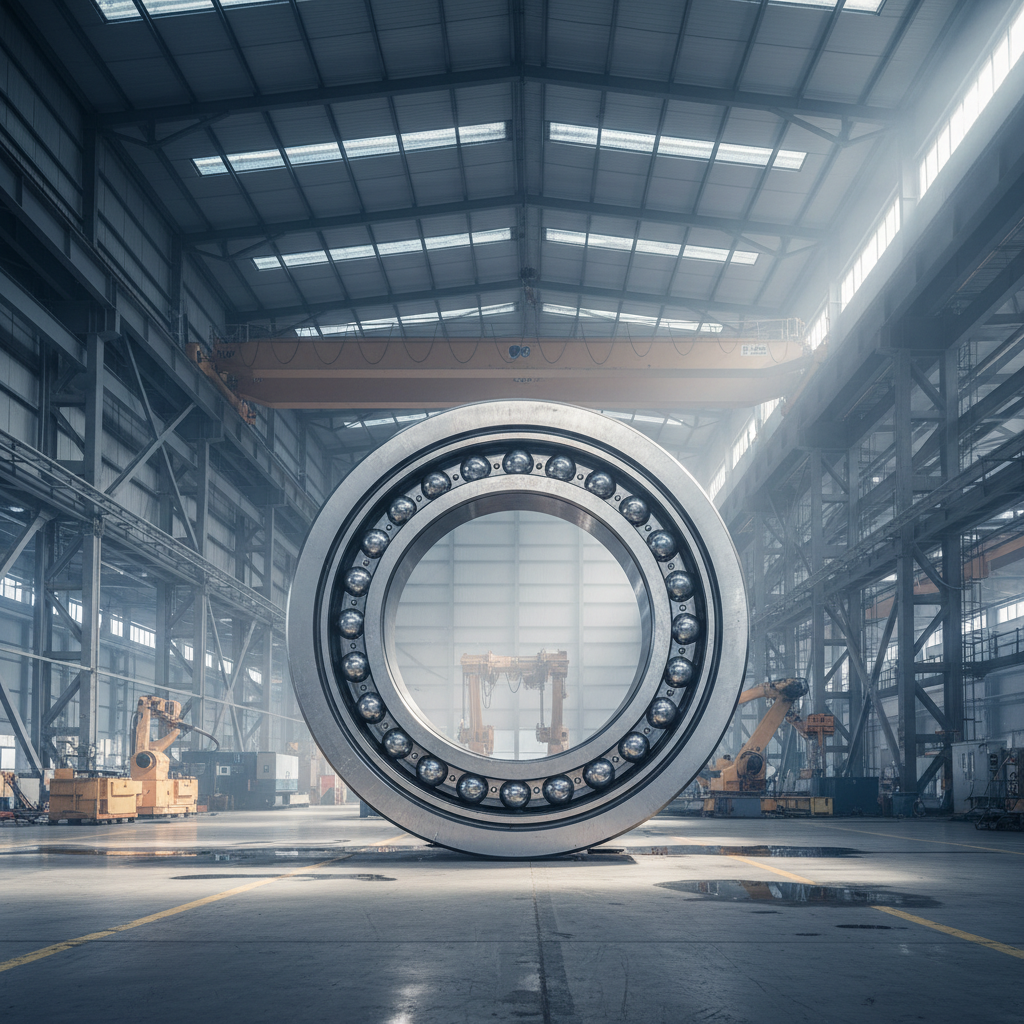
Ball bearings are ubiquitous in modern machinery, playing a crucial role in reducing friction and enhancing operational efficiency. Understanding how do ball bearing reduce friction in machinery is paramount to optimizing industrial processes, extending equipment lifespan, and minimizing energy consumption. This knowledge impacts a vast range of sectors, from automotive and aerospace to manufacturing and even consumer electronics. A well-maintained bearing system contributes significantly to the overall reliability and cost-effectiveness of any mechanical system.
Globally, the demand for high-precision bearings continues to grow alongside industrialization and technological advancements. According to a report by Market Research Future, the global bearing market is projected to reach USD 118.64 billion by 2030, growing at a CAGR of 4.3% from 2022 to 2030. This growth is driven by increasing automation in manufacturing, the rising adoption of electric vehicles, and the expansion of the aerospace industry. Failures in bearing systems can lead to costly downtime, production losses, and even safety hazards, making the study of friction reduction techniques vital.
The increasing need for sustainable practices also emphasizes the importance of reducing friction. Lower friction translates to reduced energy waste and a smaller carbon footprint. By improving the efficiency of rotating machinery, we contribute to a more environmentally responsible industrial landscape. Therefore, comprehending how do ball bearing reduce friction in machinery isn't merely an engineering concern—it's a critical component of global sustainability efforts.
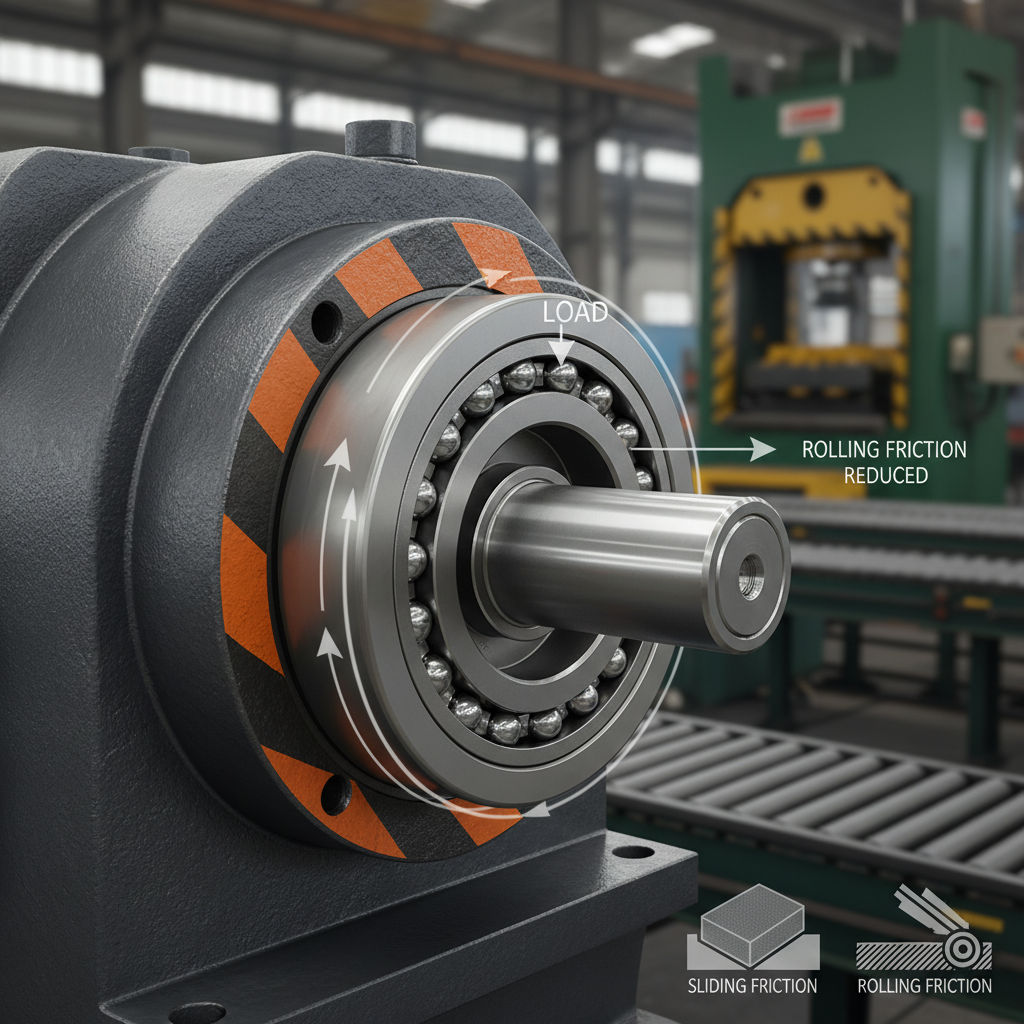
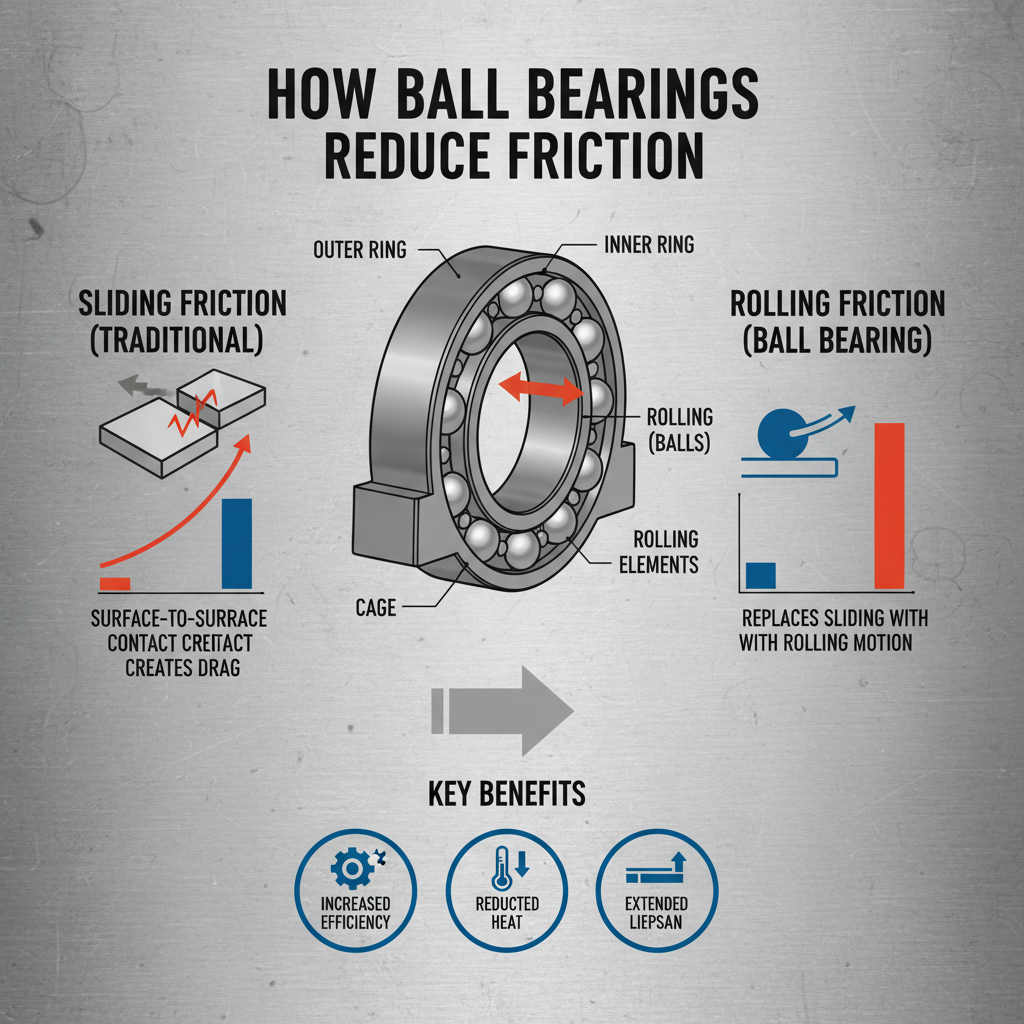
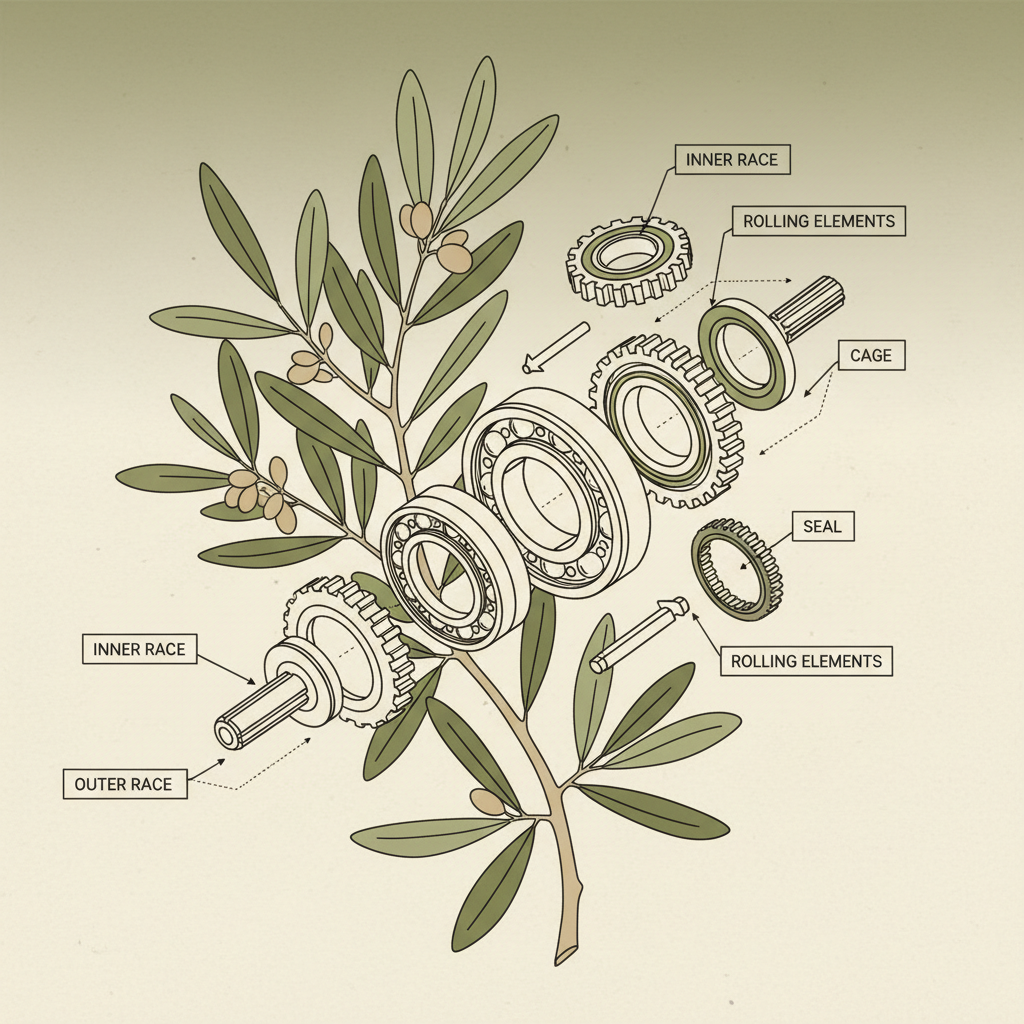
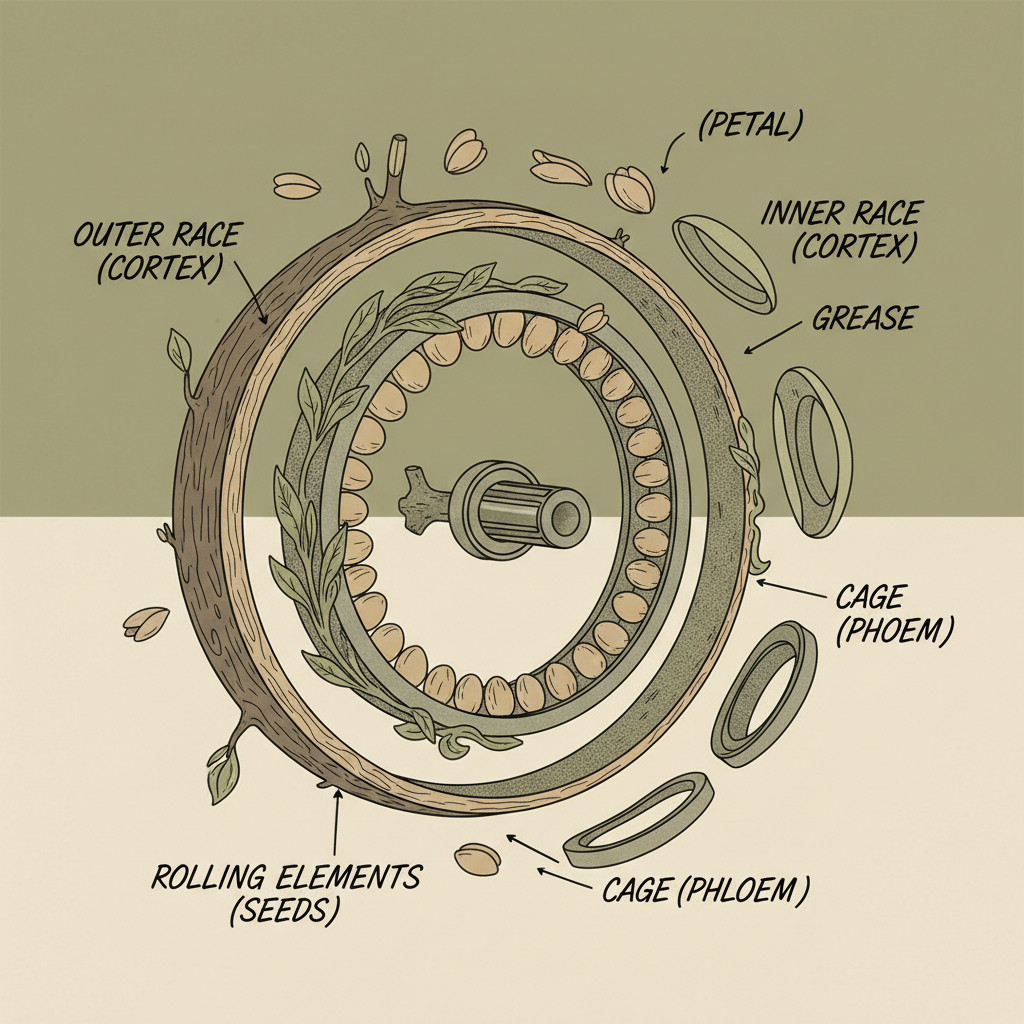
At their core, ball bearings replace sliding friction with rolling friction. This is a critical distinction because rolling friction is significantly lower. Instead of one surface sliding directly across another, the balls act as intermediaries, rolling between the surfaces. This substantially reduces the force required to initiate and maintain motion. how do ball bearing reduce friction in machinery centers around optimizing this rolling action.
Several factors contribute to the efficiency of this process, including the material of the balls and raceways, the precision of manufacturing, and the type of lubricant used. High-quality materials, precise tolerances, and appropriate lubrication all work together to minimize friction and maximize bearing performance.
Ball bearings reduce friction by replacing sliding friction with rolling friction. Instead of surfaces sliding directly against each other, balls roll between them, significantly decreasing the force required for motion. This is a fundamental principle in how do ball bearing reduce friction in machinery and leads to improved efficiency and longevity of mechanical systems. The choice of materials, lubrication, and precision of manufacturing all contribute to this reduction.
Lubrication is crucial for minimizing friction within ball bearings. The lubricant creates a thin film between the balls and raceways, preventing direct metal-to-metal contact and reducing friction. Different lubricants are designed for various operating conditions, including temperature, speed, and load. Selecting the correct lubricant is vital for optimal performance and lifespan, and is integral to understanding how do ball bearing reduce friction in machinery.
High-precision ball bearings typically utilize specialized steel alloys containing chromium for durability and low friction. Ceramic materials, such as silicon nitride, are increasingly used for their exceptional hardness, low density, and ability to withstand high temperatures and speeds. Hybrid bearings, combining steel races with ceramic balls, offer a balance of performance and cost. The material selection directly influences how do ball bearing reduce friction in machinery.
False brinelling is wear that occurs in bearings even when there is no rotation, typically caused by vibration. It creates indentations on the raceways. Prevention involves implementing vibration damping mechanisms, using bearings designed for stationary applications, or applying specialized lubricants that prevent metal-to-metal contact during vibrations. Addressing this issue is crucial for maintaining long-term reliability and understanding how do ball bearing reduce friction in machinery.
Predictive maintenance utilizes sensors and data analytics to monitor bearing health in real-time. By analyzing parameters like temperature, vibration, and lubrication levels, it can detect early signs of wear or anomalies indicating increased friction. This enables proactive maintenance interventions before failures occur, minimizing downtime and extending bearing life. The application of these technologies enhances understanding of how do ball bearing reduce friction in machinery and improves operational efficiency.
Reducing friction in ball bearings leads to lower energy consumption in machinery, decreasing fuel usage and greenhouse gas emissions. This contributes to a smaller carbon footprint and promotes sustainability. Furthermore, extending bearing lifespan reduces the need for frequent replacements, minimizing waste and resource depletion. The focus on efficiency directly aligns with broader environmental goals and demonstrates the importance of optimizing how do ball bearing reduce friction in machinery.
In conclusion, understanding how do ball bearing reduce friction in machinery is paramount for optimizing performance, extending equipment lifespan, and promoting sustainability across a multitude of industries. The core principles revolve around replacing sliding friction with rolling friction, employing high-quality materials, implementing effective lubrication strategies, and leveraging innovative technologies like predictive maintenance. The benefits extend beyond cost savings, encompassing reduced energy consumption, improved reliability, and a diminished environmental impact.
Looking ahead, continued research and development in materials science, lubrication technology, and data analytics will drive further advancements in friction reduction. By embracing these innovations and prioritizing proactive maintenance strategies, industries can unlock even greater efficiencies and contribute to a more sustainable future. Visit our website at www.arybearing.com to learn more about our advanced bearing solutions and how we can help you optimize your operations.

 Afrikaans
 Albanian
 Amharic
 Arabic
 Armenian
 Azerbaijani
 Basque
 Belarusian
 Bengali
 Bosnian
 Bulgarian
 Catalan
 Cebuano
 Corsican
 Croatian
 Czech
Czech
 Danish
 Dutch
Dutch
 Esperanto
 Estonian
 Finnish
 French
 Frisian
 Galician
 Georgian
 German
 Greek
Greek
 Gujarati
 Haitian Creole
 Hausa
Hausa
 Hawaiian
 Hebrew
 Hindi
Hindi
 Miao
Miao
 Hungarian
 Icelandic
 Igbo
Igbo
 Indonesian
 Irish
Irish
 Italian
 Japanese
 Javanese
 Kannada
 Kazakh
 Khmer
Khmer
 Rwandese
 Korean
 Kurdish
 Kyrgyz
 Lao
Lao
 Latin
Latin
 Latvian
 Lithuanian
 Luxembourgish
 Macedonian
 Malgashi
 Malay
Malay
 Malayalam
 Maltese
 Maori
Maori
 Marathi
 Mongolian
 Myanmar
 Nepali
 Norwegian
 Norwegian
 Occitan
 Pashto
 Persian
 Polish
 Portuguese
 Punjabi
 Romanian
 Russian
 Samoan
 Scottish Gaelic
 Serbian
 Sesotho
 Shona
Shona
 Sindhi
 Sinhala
 Slovak
 Slovenian
 Somali
 Spanish
 Sundanese
 Swahili
 Swedish
 Tagalog
 Tajik
Tajik
 Tamil
Tamil
 Tatar
Tatar
 Telugu
 Thai
Thai
 Turkish
 Turkmen
 Ukrainian
 Urdu
Urdu
 Uighur
 Uzbek
Uzbek
 Vietnamese
 Welsh
Welsh
 Bantu
Bantu
 Yiddish
 Yoruba
 Zulu
Zulu
 English