
Carbon steel bearings are the workhorses of modern industry. You see them everywhere – from the heavy machinery on construction sites to the intricate mechanisms in automotive systems. They’re the unassuming components that keep things rolling, quite literally. Understanding their properties, applications, and limitations isn’t just for engineers; it's crucial for anyone involved in equipment maintenance, project planning, or procurement. They’re reliable, cost-effective, and generally do the job, but knowing how they do it – and when they might need replacing – can save you a lot of headaches and downtime. carbon steel bearings are the foundation of much of what we build and operate.
The global demand for bearings, including carbon steel variants, is substantial and constantly growing. According to a recent report by the World Bearing Association, the market is projected to reach over $85 billion by 2028, driven by expansions in manufacturing, automotive, and infrastructure sectors, especially in emerging economies. We’re seeing increased reliance on these components in everything from wind turbines to electric vehicles, increasing the need for durable and affordable solutions. The real challenge isn't just supplying the bearings, but ensuring their quality and availability, especially in regions facing supply chain disruptions.
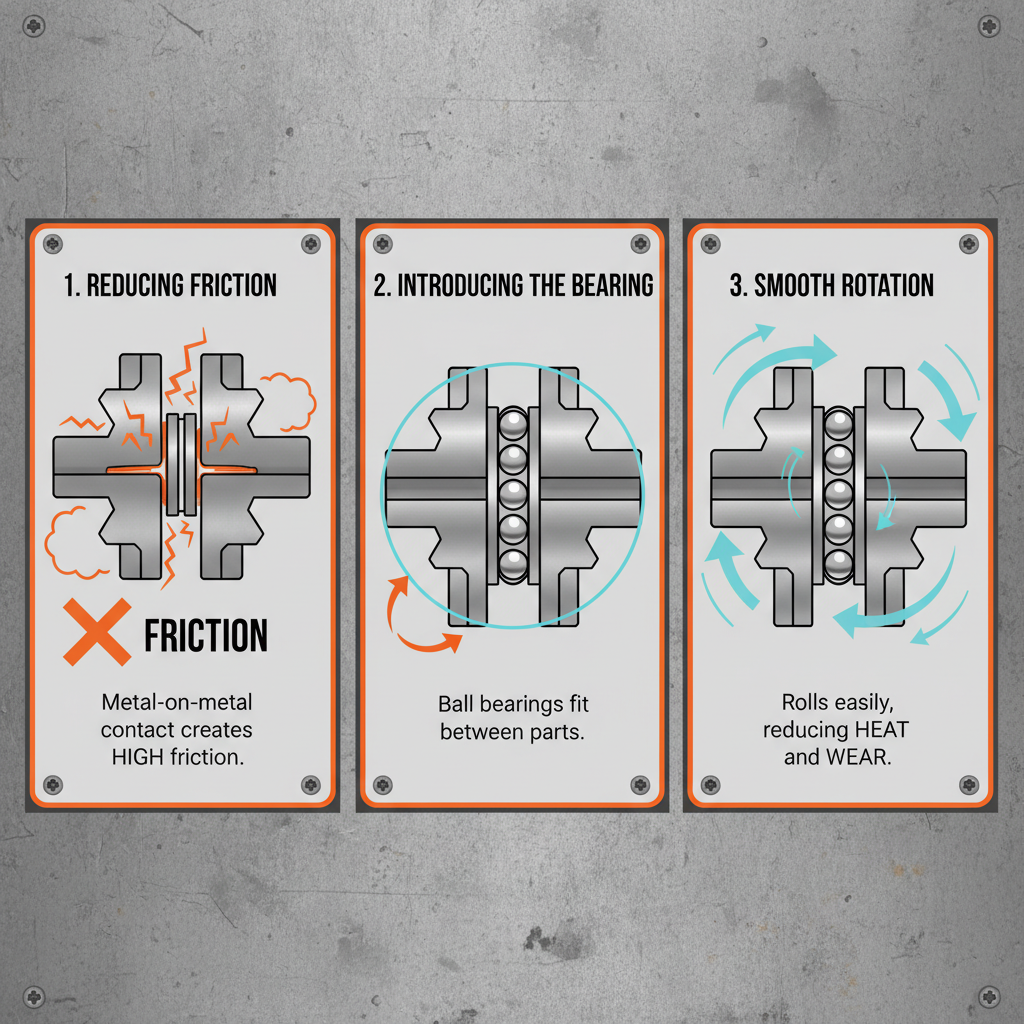
At their core, carbon steel bearings are simple yet brilliant. They consist of inner and outer rings, rolling elements (balls or rollers), and a cage to keep those elements separated. Carbon steel, an alloy of iron and carbon, provides a good balance of strength, hardness, and cost. These bearings reduce friction between moving parts, allowing for smoother operation, increased efficiency, and reduced wear and tear. You'll find them in everything from skateboards to jet engines; their adaptability is what makes them so vital.
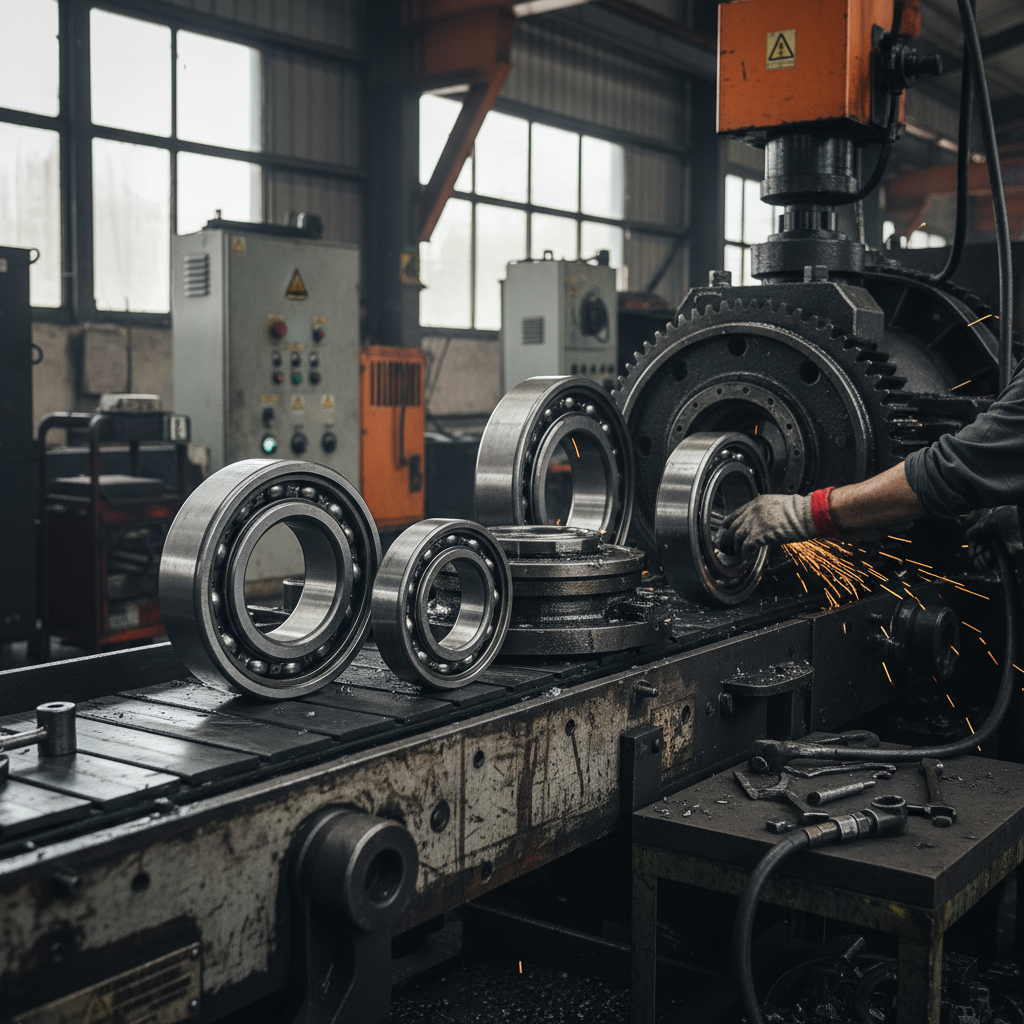
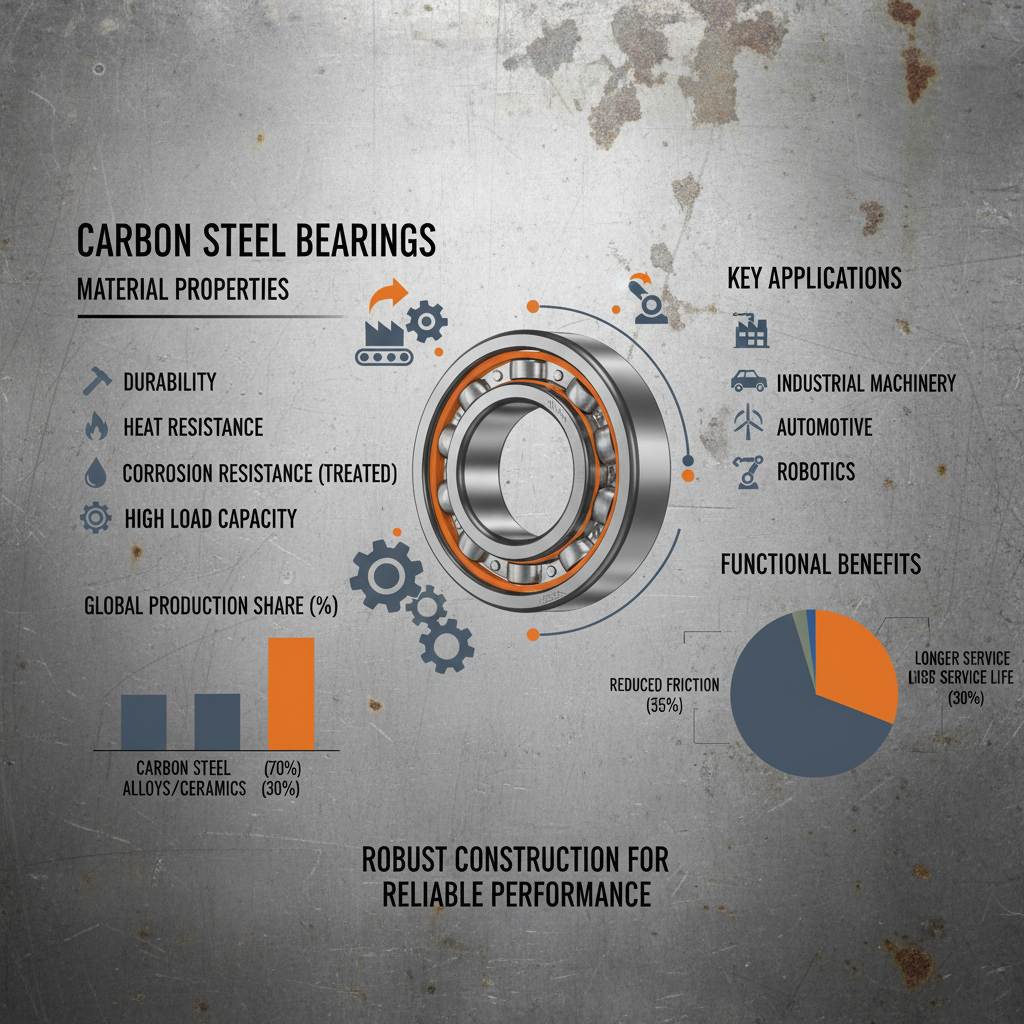
Let’s talk about durability. Carbon steel bearings, while not the most corrosion-resistant option out there, are exceptionally strong. They can handle massive loads and high speeds, making them ideal for heavy-duty applications. We see them constantly in excavators, cranes, and crushing equipment, taking a beating day in and day out. It's about choosing the right heat treatment and surface finish for the specific job. carbon steel bearings offer a great balance of strength and cost.
Cost-efficiency is a huge factor. Compared to stainless steel or ceramic bearings, carbon steel is significantly cheaper to manufacture. That's why it's the go-to choice for many applications where extreme corrosion resistance isn't critical. For a lot of equipment, spending extra on a more expensive bearing doesn't translate to a significant performance improvement, so sticking with carbon steel makes sense from a budget perspective.
The lifespan heavily depends on the load, speed, lubrication, and maintenance. In harsh construction environments, a well-maintained carbon steel bearing might last anywhere from 6 months to 2 years. Regular greasing and inspection are key. Ignoring maintenance can dramatically shorten the lifespan, leading to failures and downtime. Monitoring vibration and temperature can give you a good indication of bearing health.
Generally, no. While carbon steel is strong, it’s prone to corrosion in saltwater environments. Unless specifically coated or treated for corrosion resistance, carbon steel bearings will quickly degrade in marine applications. Stainless steel or specialized marine-grade bearings are far better choices in these situations. Cost savings up front won’t matter if the bearing fails rapidly.
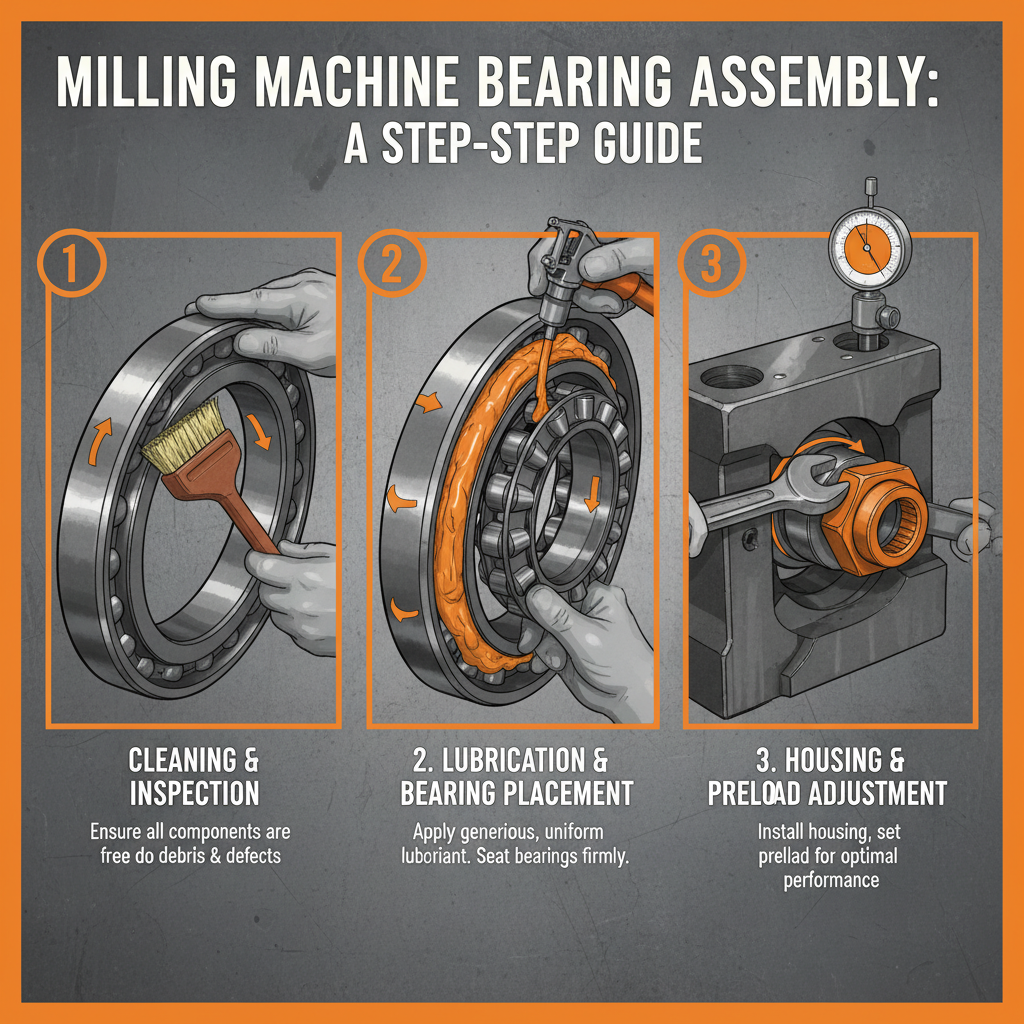
Absolutely critical. Lubrication reduces friction, dissipates heat, and prevents wear. Using the wrong lubricant, or not enough lubricant, can lead to premature failure. The type of lubricant (grease, oil, etc.) depends on the application and operating conditions. Always consult the manufacturer’s recommendations and stick to a regular lubrication schedule.
Common signs include unusual noises (grinding, squealing), increased vibration, overheating, and excessive play. If you notice any of these symptoms, stop the equipment immediately and inspect the bearing. Ignoring these warning signs can lead to catastrophic failure and damage to other components. A visual inspection for cracks or discoloration is also a good idea.
Not always. While the dimensions might be the same, the materials have different properties. If the original bearing was stainless steel due to corrosion resistance, simply swapping it for a carbon steel bearing will likely result in rapid corrosion and failure. Always consider the operating environment and choose the appropriate material.
Ceramic bearings are significantly more expensive than carbon steel bearings, typically 5-10 times the cost. Ceramic bearings offer superior performance in terms of speed, temperature resistance, and corrosion resistance, but the high price limits their use to specialized applications where those advantages are essential. Carbon steel remains the workhorse for most general-purpose applications.
Carbon steel bearings are the unsung heroes of countless industries. Their combination of strength, affordability, and reliability makes them a cornerstone of modern machinery. Understanding their characteristics, applications, and limitations is crucial for anyone involved in equipment operation, maintenance, and procurement. Proper selection, lubrication, and regular inspection are key to maximizing their lifespan and minimizing downtime.
Looking ahead, advancements in materials science and sensor technology will continue to improve the performance and longevity of carbon steel bearings. Investing in preventative maintenance programs and embracing digitalization will be crucial for optimizing bearing performance and reducing overall costs. Don't underestimate the power of a well-chosen, well-maintained carbon steel bearing—it can make all the difference.

 Afrikaans
 Albanian
 Amharic
 Arabic
 Armenian
 Azerbaijani
 Basque
 Belarusian
 Bengali
 Bosnian
 Bulgarian
 Catalan
 Cebuano
 Corsican
 Croatian
 Czech
Czech
 Danish
 Dutch
Dutch
 Esperanto
 Estonian
 Finnish
 French
 Frisian
 Galician
 Georgian
 German
 Greek
Greek
 Gujarati
 Haitian Creole
 Hausa
Hausa
 Hawaiian
 Hebrew
 Hindi
Hindi
 Miao
Miao
 Hungarian
 Icelandic
 Igbo
Igbo
 Indonesian
 Irish
Irish
 Italian
 Japanese
 Javanese
 Kannada
 Kazakh
 Khmer
Khmer
 Rwandese
 Korean
 Kurdish
 Kyrgyz
 Lao
Lao
 Latin
Latin
 Latvian
 Lithuanian
 Luxembourgish
 Macedonian
 Malgashi
 Malay
Malay
 Malayalam
 Maltese
 Maori
Maori
 Marathi
 Mongolian
 Myanmar
 Nepali
 Norwegian
 Norwegian
 Occitan
 Pashto
 Persian
 Polish
 Portuguese
 Punjabi
 Romanian
 Russian
 Samoan
 Scottish Gaelic
 Serbian
 Sesotho
 Shona
Shona
 Sindhi
 Sinhala
 Slovak
 Slovenian
 Somali
 Spanish
 Sundanese
 Swahili
 Swedish
 Tagalog
 Tajik
Tajik
 Tamil
Tamil
 Tatar
Tatar
 Telugu
 Thai
Thai
 Turkish
 Turkmen
 Ukrainian
 Urdu
Urdu
 Uighur
 Uzbek
Uzbek
 Vietnamese
 Welsh
Welsh
 Bantu
Bantu
 Yiddish
 Yoruba
 Zulu
Zulu
 English