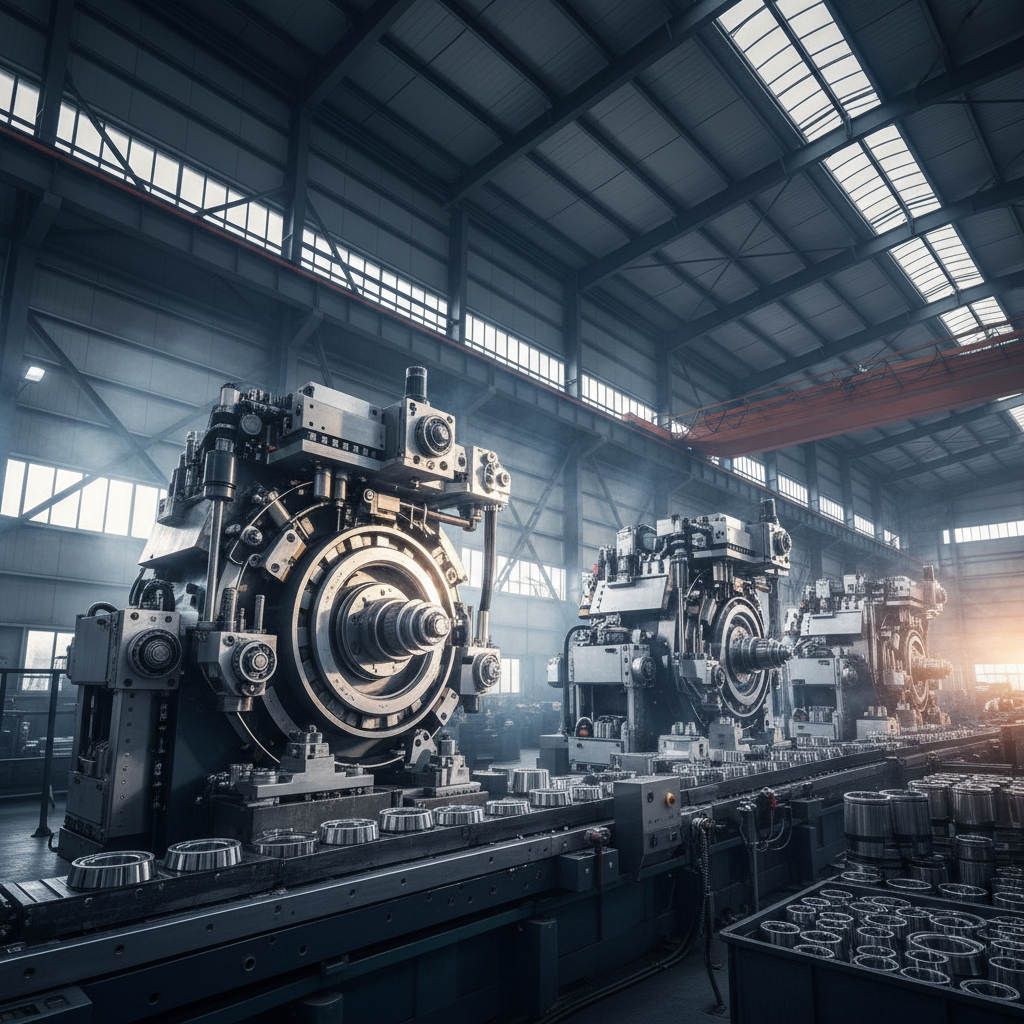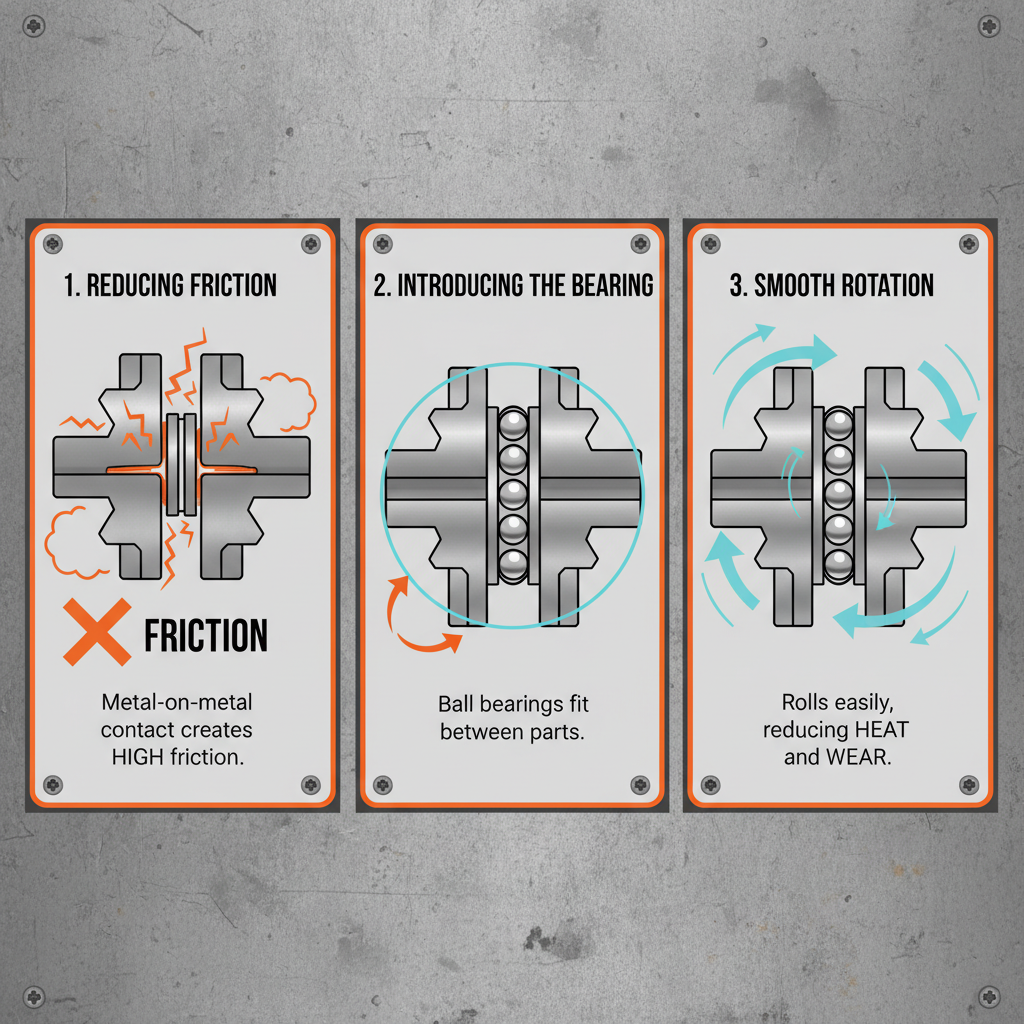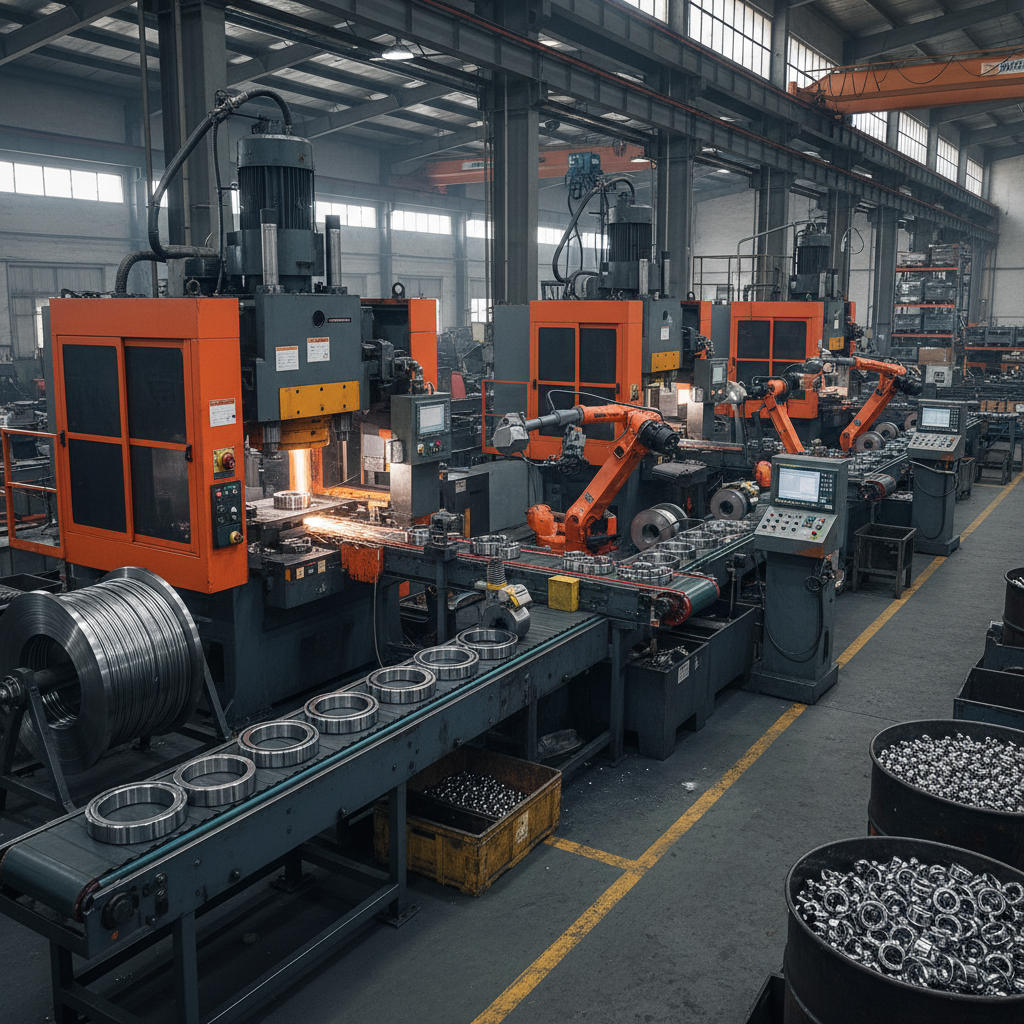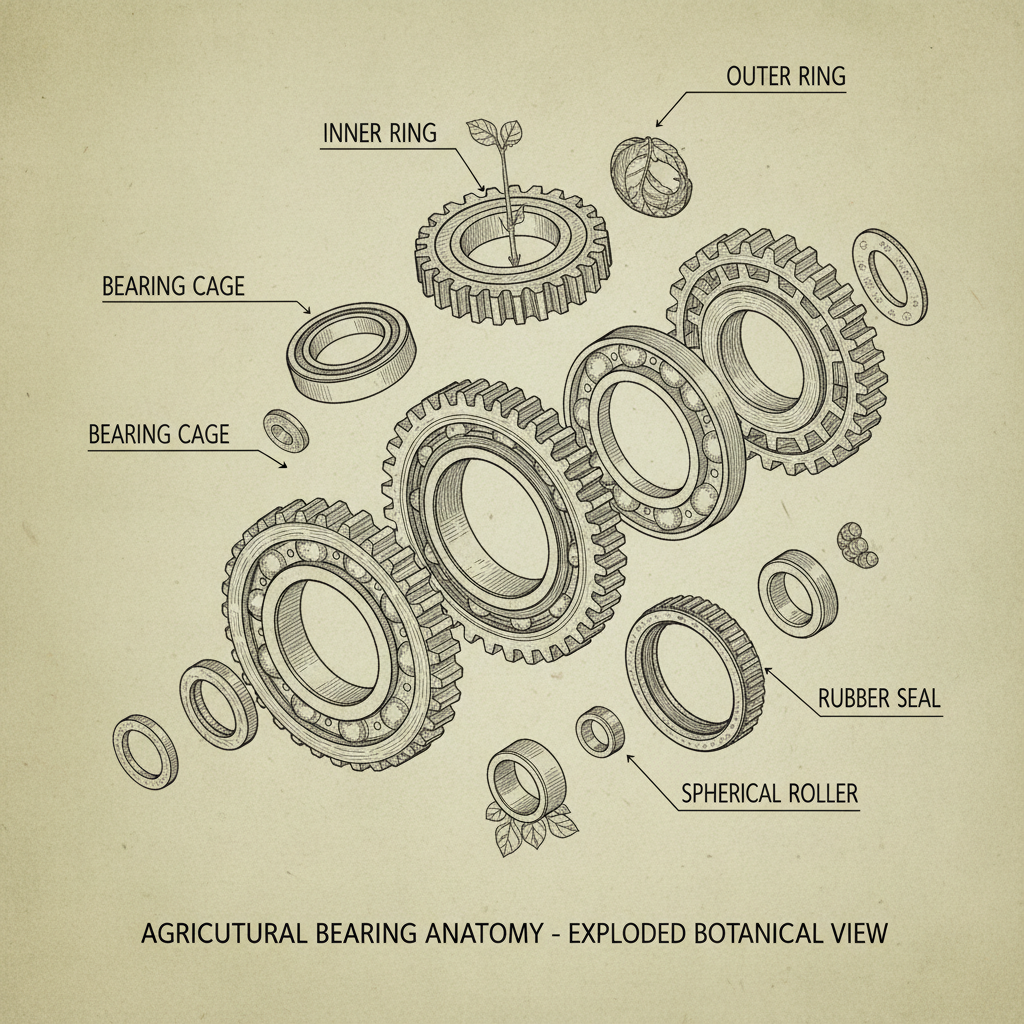
Bearing design in machinery engineering tribology and lubrication is a critical field focused on minimizing friction, wear, and energy loss in moving machine components. It’s a multidisciplinary area blending mechanical engineering, materials science, chemistry, and fluid mechanics. Effective bearing design directly impacts machine efficiency, reliability, and lifespan, extending to significant economic and environmental benefits across industries.
Globally, the demand for optimized bearing solutions is rising, driven by the increasing complexity of machinery and the need for sustainable practices. This field is vital for sectors like automotive, aerospace, energy production, and manufacturing, contributing to advances in everything from electric vehicles to wind turbines. Efficient bearing systems lead to reduced energy consumption, lower maintenance costs, and increased overall system performance.
The advancements in bearing design aren’t just about refining existing technologies; they’re about pioneering new materials, lubrication strategies, and monitoring techniques. This proactive approach addresses evolving challenges, like extreme operating conditions and the demand for longer service intervals, impacting global industrial productivity.
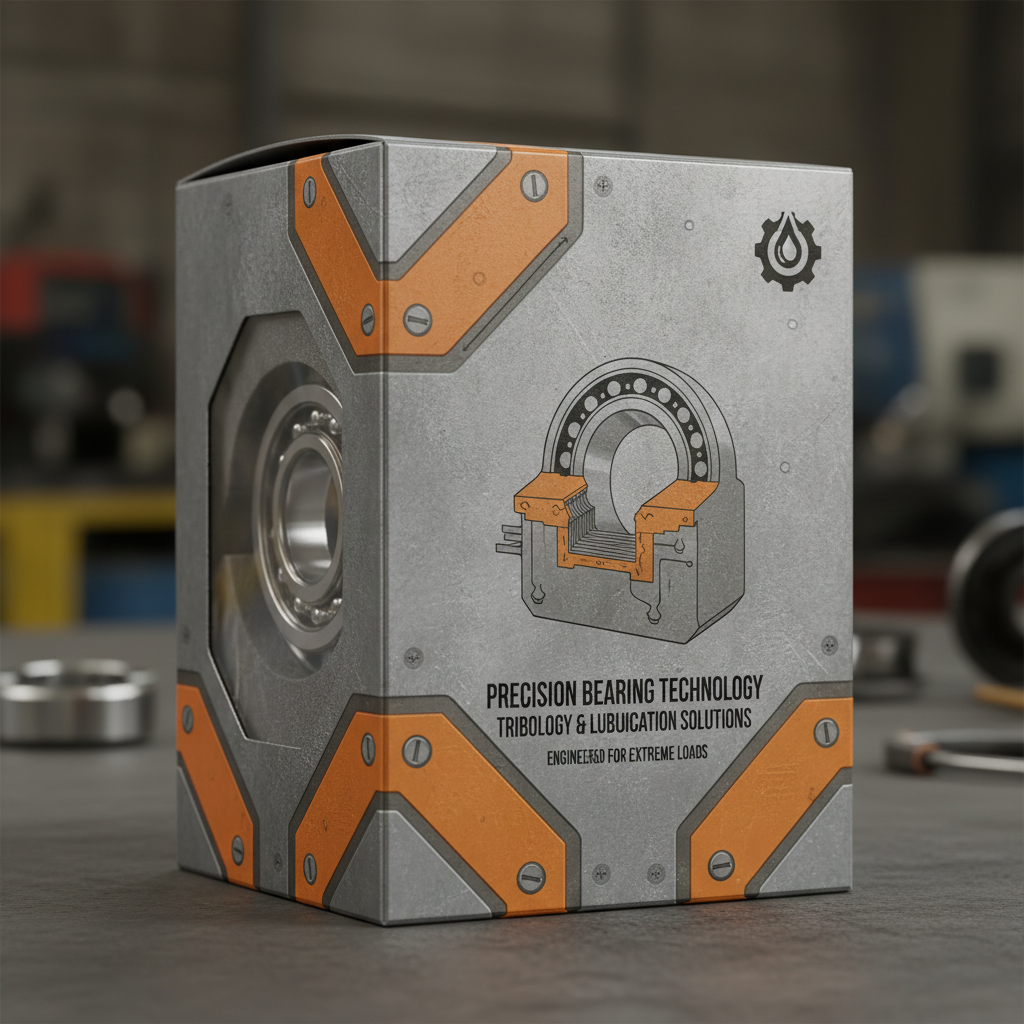
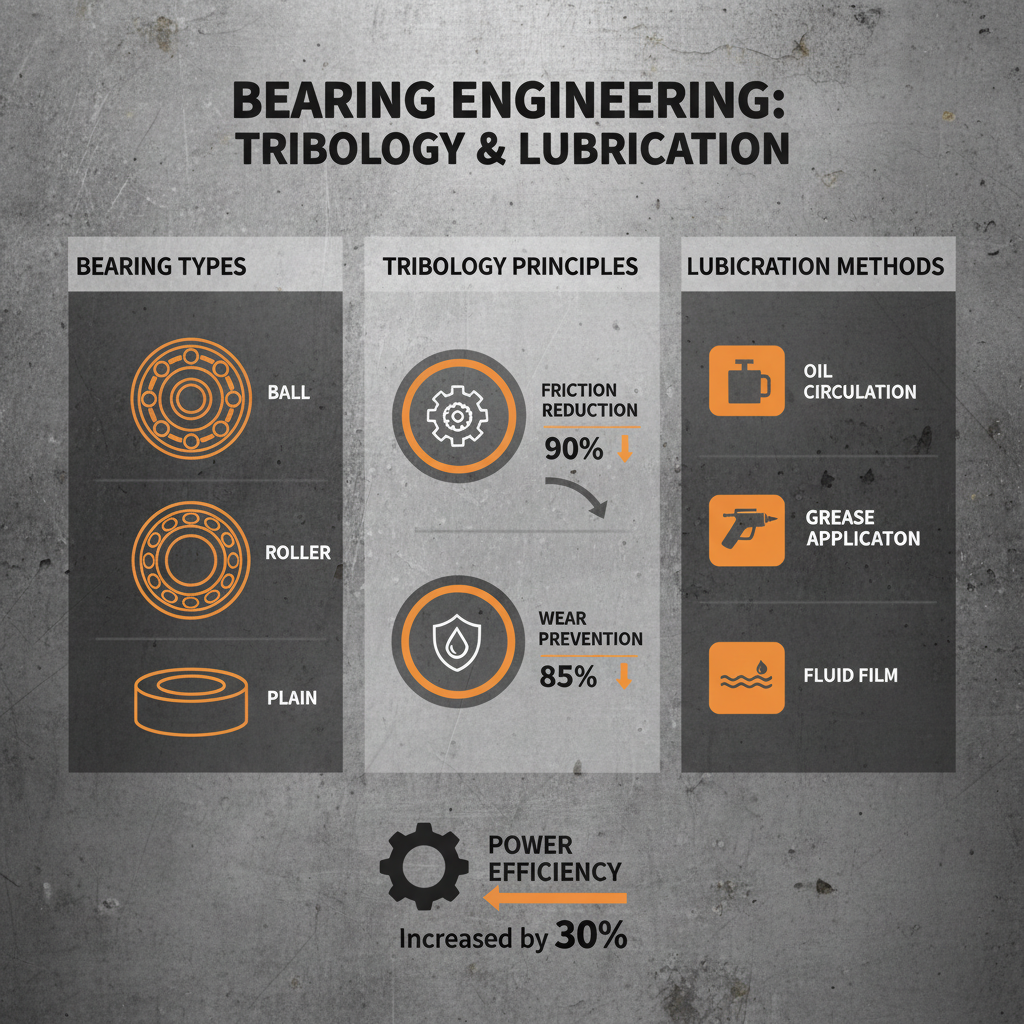
The core of bearing design revolves around minimizing friction and wear between moving surfaces. This requires careful consideration of material selection, geometry, lubrication, and operating conditions. Modern bearing design goes beyond simply selecting a standard bearing type; it involves customized solutions tailored to specific application needs, enhancing performance and durability.
The field of bearing design in machinery engineering tribology and lubrication is constantly evolving. New materials like advanced ceramics and self-lubricating polymers are being explored, alongside innovative lubrication systems, such as magnetic fluids and solid lubricants. These advancements aim to reduce reliance on conventional oil-based lubrication, contributing to more environmentally friendly and sustainable machinery.
For high-speed applications, crucial considerations include the bearing's limiting speed, lubrication type (often requiring oil rather than grease), material selection (ceramic bearings offer lower friction and higher speed capability), and precise manufacturing tolerances. Heat dissipation is also critical, necessitating appropriate cooling strategies to prevent premature failure. Understanding the load conditions and operating environment is vital for informed selection.
Lubrication is paramount to bearing lifespan. It reduces friction, minimizes wear, dissipates heat, and protects against corrosion. The wrong lubricant can lead to premature failure. Factors to consider are lubricant viscosity, temperature range, load capacity, and compatibility with bearing materials. Regular relubrication or the use of self-lubricating materials are crucial for sustained performance.
Ceramic bearings offer several advantages, including lower density (reducing centrifugal forces), higher hardness (improving wear resistance), and superior corrosion resistance. They can also operate at higher temperatures and speeds than steel bearings. However, ceramic bearings are typically more expensive and can be more brittle, requiring careful handling and application consideration.
Bearing preload refers to the initial load applied to the bearing. Proper preload can improve stiffness, reduce vibration, and increase load capacity. However, excessive preload can lead to increased friction, heat generation, and reduced lifespan. Optimal preload depends on the application and bearing type, requiring careful calculation and adjustment.
Common causes of bearing failure include improper lubrication, contamination, overloading, misalignment, fatigue, and corrosion. Monitoring bearing temperature, vibration, and lubricant condition can help detect early signs of failure and prevent catastrophic breakdowns. Regular maintenance and adherence to manufacturer's recommendations are essential.
FEA is a powerful tool used in bearing design to simulate stress distribution, deformation, and temperature profiles under various loading conditions. This allows engineers to optimize bearing geometry, material selection, and internal clearances to maximize performance and prevent failure. FEA helps identify potential weak points and refine designs before physical prototyping, saving time and resources.
In conclusion, bearing design in machinery engineering tribology and lubrication is a complex and crucial field that impacts a wide range of industries and applications. Optimizing bearing performance requires a holistic understanding of materials, geometry, lubrication, and operating conditions, and a commitment to innovation and sustainability. Effective bearing design translates into increased efficiency, reduced costs, improved reliability, and a smaller environmental footprint.
Looking ahead, the integration of advanced technologies, such as AI-powered predictive maintenance and novel materials, will continue to drive advancements in bearing design. By embracing these innovations and prioritizing a proactive approach to bearing management, industries can unlock new levels of performance and sustainability, ultimately contributing to a more efficient and resilient future. Visit our website: www.arybearing.com to learn more about our expertise in bearing design and solutions.

 Afrikaans
 Albanian
 Amharic
 Arabic
 Armenian
 Azerbaijani
 Basque
 Belarusian
 Bengali
 Bosnian
 Bulgarian
 Catalan
 Cebuano
 Corsican
 Croatian
 Czech
Czech
 Danish
 Dutch
Dutch
 Esperanto
 Estonian
 Finnish
 French
 Frisian
 Galician
 Georgian
 German
 Greek
Greek
 Gujarati
 Haitian Creole
 Hausa
Hausa
 Hawaiian
 Hebrew
 Hindi
Hindi
 Miao
Miao
 Hungarian
 Icelandic
 Igbo
Igbo
 Indonesian
 Irish
Irish
 Italian
 Japanese
 Javanese
 Kannada
 Kazakh
 Khmer
Khmer
 Rwandese
 Korean
 Kurdish
 Kyrgyz
 Lao
Lao
 Latin
Latin
 Latvian
 Lithuanian
 Luxembourgish
 Macedonian
 Malgashi
 Malay
Malay
 Malayalam
 Maltese
 Maori
Maori
 Marathi
 Mongolian
 Myanmar
 Nepali
 Norwegian
 Norwegian
 Occitan
 Pashto
 Persian
 Polish
 Portuguese
 Punjabi
 Romanian
 Russian
 Samoan
 Scottish Gaelic
 Serbian
 Sesotho
 Shona
Shona
 Sindhi
 Sinhala
 Slovak
 Slovenian
 Somali
 Spanish
 Sundanese
 Swahili
 Swedish
 Tagalog
 Tajik
Tajik
 Tamil
Tamil
 Tatar
Tatar
 Telugu
 Thai
Thai
 Turkish
 Turkmen
 Ukrainian
 Urdu
Urdu
 Uighur
 Uzbek
Uzbek
 Vietnamese
 Welsh
Welsh
 Bantu
Bantu
 Yiddish
 Yoruba
 Zulu
Zulu
 English