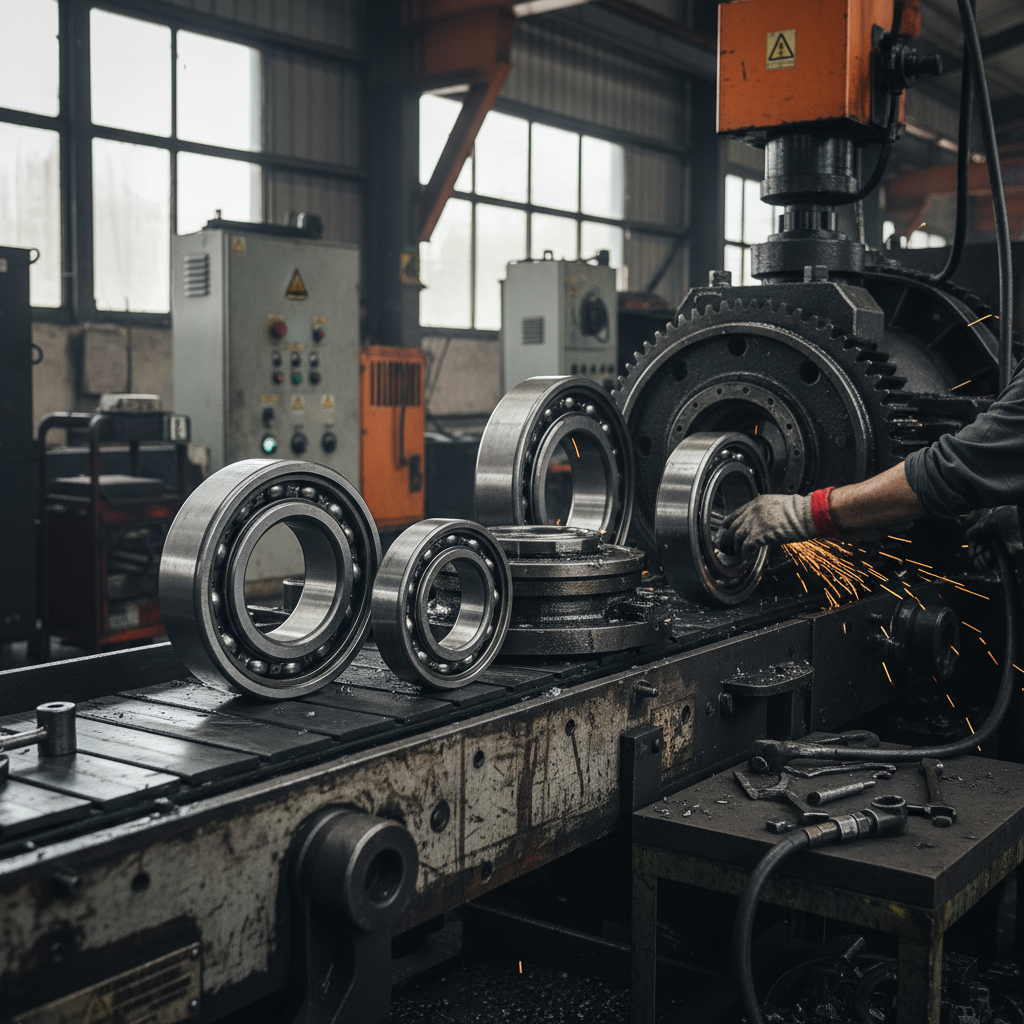
Spherical bearings – they’re not glamorous, not something most folks think about, but they're the silent workhorses of countless industries. I’ve spent years walking construction sites, peering into machinery, and talking with engineers, and you quickly realize how critical these components are. They’re the reason a bridge doesn’t buckle under stress, why a complex piece of mining equipment keeps running smoothly, and increasingly, why critical infrastructure can withstand seismic events. Understanding them isn’t just for engineers; it’s crucial for anyone involved in asset management, safety, or long-term project viability.
Globally, the demand for reliable, high-performance bearings is soaring. The UN projects continued growth in infrastructure development, particularly in emerging economies, driving demand. The World Bank estimates trillions in infrastructure investment needed by 2050. ISO standards are constantly evolving to meet these needs, and the push for more sustainable and resilient materials is impacting the entire bearing industry. The biggest challenge? Finding bearings that can handle increasingly demanding loads, harsh environments, and extended lifespans, all while minimizing downtime and maintenance costs.
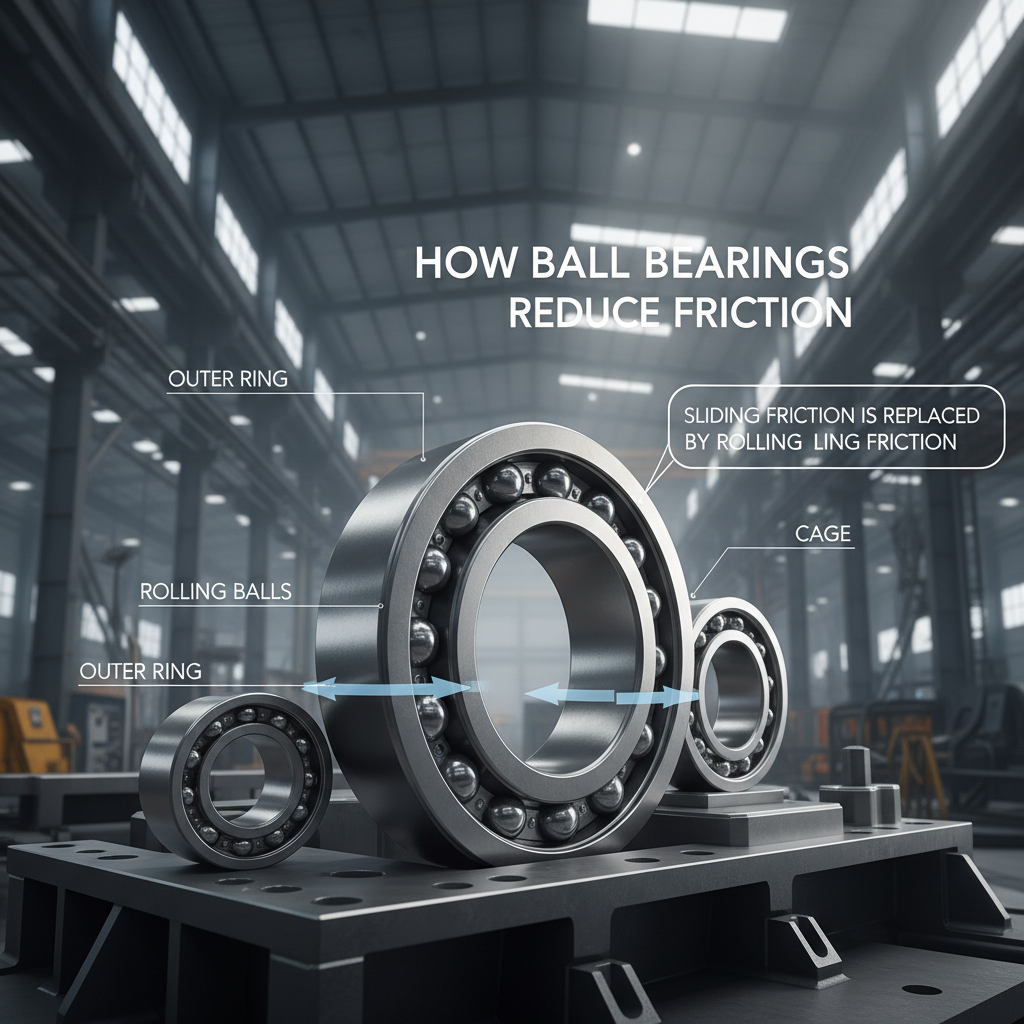
Simply put, a spherical bearing – also often called a self-aligning ball bearing – is designed to accommodate angular misalignment. Unlike standard ball bearings that need precise alignment, these can handle some degree of tilt without putting undue stress on the bearing itself. I’ve seen far too many projects delayed and budgets blown because of the cascading failures triggered by a simple misalignment issue. These bearings are essential in applications where there’s deflection, vibration, or any possibility of imperfect mounting. They’re a fundamental component in keeping things running when everything isn’t perfectly square, which, let's be honest, is most of the time in the real world.
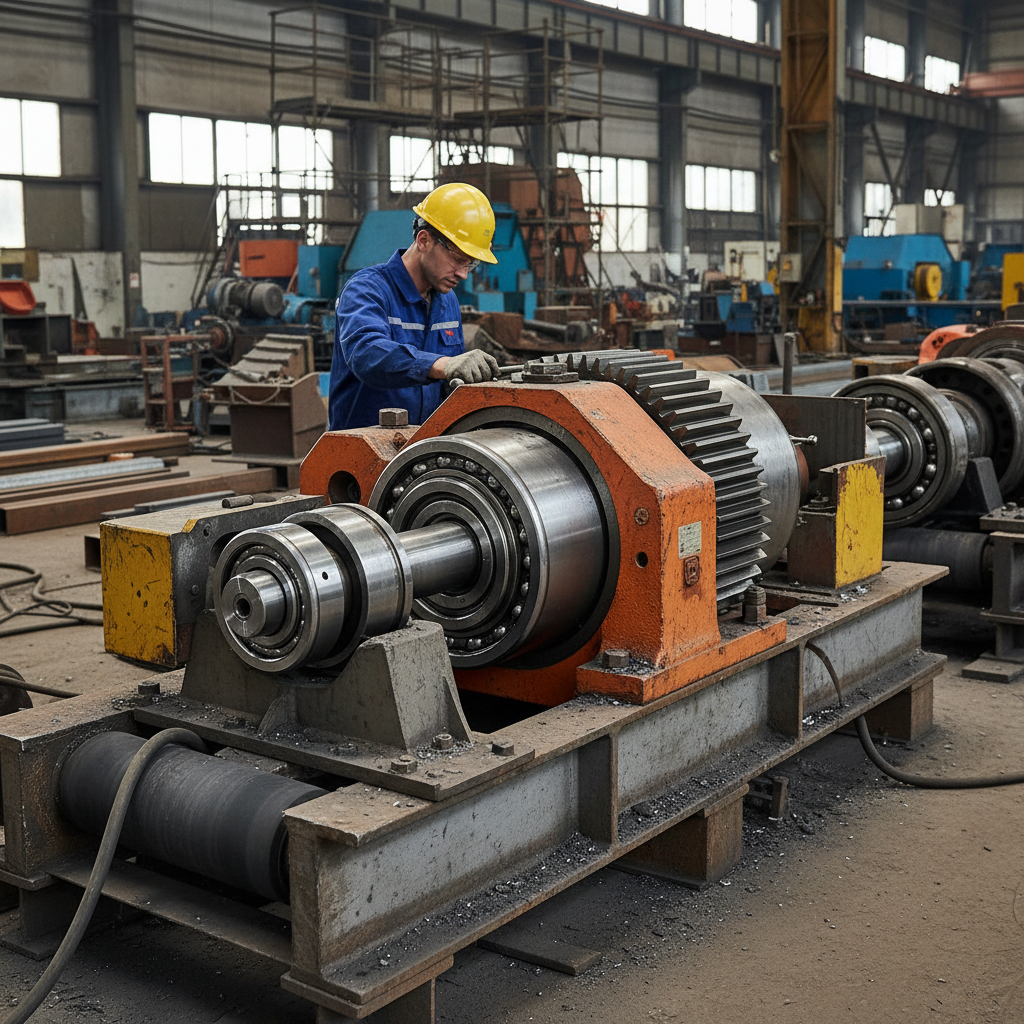
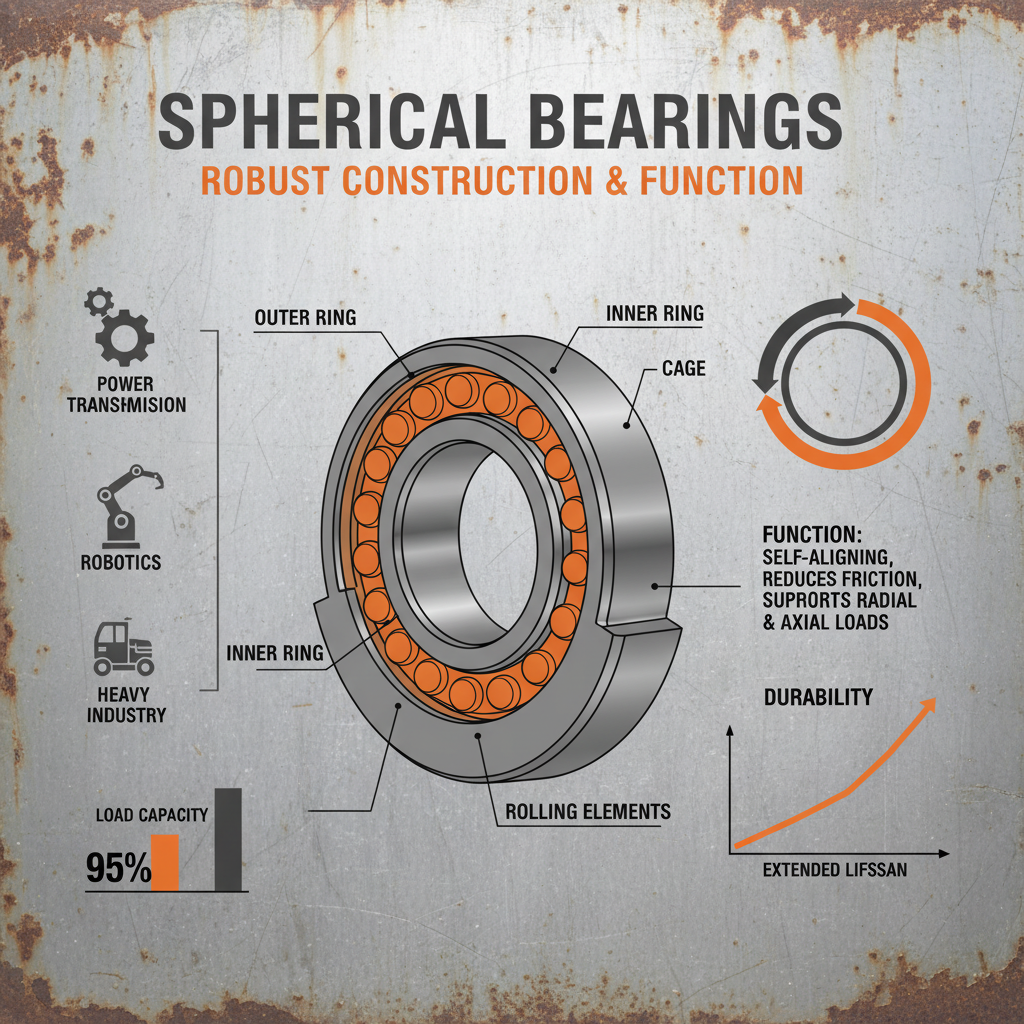
These bearings aren't just about preventing friction; they’re about preventing catastrophic failure. I've seen firsthand the cost – both financial and in terms of safety – of using inferior components or neglecting proper bearing maintenance. The initial cost savings of a cheaper bearing are quickly overshadowed by the cost of downtime, repairs, and potential accidents. spherical bearings truly are a critical part of any durable design.
From a project management perspective, spherical bearings offer a level of flexibility that simplifies installation and reduces the need for extremely precise machining. That saves time and money on the front end. And, because they tolerate misalignment, they're far less susceptible to damage during transport or installation on uneven surfaces. That’s a huge benefit when you’re working in remote locations or challenging environments.
A common error is focusing solely on the initial cost without considering the long-term operating expenses. A cheaper bearing might seem attractive upfront, but it can lead to more frequent replacements, increased downtime, and potentially catastrophic failures. You need to analyze the total cost of ownership, factoring in reliability, maintenance requirements, and lifespan.
Sizing a spherical bearing accurately requires understanding the load requirements, operating speed, and potential misalignment angles. Consulting with a bearing specialist is highly recommended. They can help you calculate the appropriate bearing size and type based on your specific application parameters. Ignoring these factors can lead to premature failure.
The optimal lubrication depends on the bearing's operating conditions, speed, and load. Generally, lithium-based greases are a good choice for most applications. However, synthetic greases may be preferred for high-temperature or high-speed environments. Regularly check the manufacturer's recommendations for specific lubrication guidelines.
Common signs of bearing failure include unusual noise (grinding, squealing), excessive vibration, increased heat, and a noticeable decrease in performance. Regular inspection and monitoring can help you identify potential problems early on, allowing for preventative maintenance and avoiding costly downtime.
Some spherical bearings are designed for high-temperature applications, but it's crucial to select the appropriate bearing material and lubricant. Specialized bearings with high-temperature resistant coatings and synthetic lubricants can operate effectively in extreme heat. Always consult the manufacturer's specifications to ensure compatibility.
Proper installation is critical. Ensure the shaft and housing are clean and free of debris. Use the correct installation tools to avoid damaging the bearing. Avoid excessive force during installation, and verify that the bearing is properly seated and aligned. Following the manufacturer's installation instructions is paramount.
Spherical bearings are the unsung heroes of countless industries, providing reliability, durability, and a critical margin for error in demanding applications. They’re not just a component; they’re an investment in long-term performance, safety, and cost savings. Understanding their capabilities and limitations is essential for anyone involved in engineering, procurement, or maintenance.
The future of spherical bearing technology is bright, with ongoing innovations in materials, design, and monitoring systems promising even greater performance and efficiency. Don't underestimate the importance of a quality bearing – it can be the difference between a smoothly running operation and a costly shutdown. For superior spherical bearings and expert advice, visit our website today.

 Afrikaans
 Albanian
 Amharic
 Arabic
 Armenian
 Azerbaijani
 Basque
 Belarusian
 Bengali
 Bosnian
 Bulgarian
 Catalan
 Cebuano
 Corsican
 Croatian
 Czech
Czech
 Danish
 Dutch
Dutch
 Esperanto
 Estonian
 Finnish
 French
 Frisian
 Galician
 Georgian
 German
 Greek
Greek
 Gujarati
 Haitian Creole
 Hausa
Hausa
 Hawaiian
 Hebrew
 Hindi
Hindi
 Miao
Miao
 Hungarian
 Icelandic
 Igbo
Igbo
 Indonesian
 Irish
Irish
 Italian
 Japanese
 Javanese
 Kannada
 Kazakh
 Khmer
Khmer
 Rwandese
 Korean
 Kurdish
 Kyrgyz
 Lao
Lao
 Latin
Latin
 Latvian
 Lithuanian
 Luxembourgish
 Macedonian
 Malgashi
 Malay
Malay
 Malayalam
 Maltese
 Maori
Maori
 Marathi
 Mongolian
 Myanmar
 Nepali
 Norwegian
 Norwegian
 Occitan
 Pashto
 Persian
 Polish
 Portuguese
 Punjabi
 Romanian
 Russian
 Samoan
 Scottish Gaelic
 Serbian
 Sesotho
 Shona
Shona
 Sindhi
 Sinhala
 Slovak
 Slovenian
 Somali
 Spanish
 Sundanese
 Swahili
 Swedish
 Tagalog
 Tajik
Tajik
 Tamil
Tamil
 Tatar
Tatar
 Telugu
 Thai
Thai
 Turkish
 Turkmen
 Ukrainian
 Urdu
Urdu
 Uighur
 Uzbek
Uzbek
 Vietnamese
 Welsh
Welsh
 Bantu
Bantu
 Yiddish
 Yoruba
 Zulu
Zulu
 English