
Nov . 29, 2025 09:40 Back to list
Reliable 16036 Bearing Solutions | Durable Spherical Roller Bearings
The 16036 Bearing: A Small Part with Big Global Impact
Bearings might not be the sort of topic that grabs headlines, but the 16036 bearing is one of those unsung heroes of industry. From gigantic turbines spinning in remote power stations to conveyor systems in bustling manufacturing plants, these bearings quietly ensure machines run smoothly and efficiently. Understanding the 16036 bearing's design, applications, and advantages unlocks a greater appreciation for reliability and precision engineering on a global scale.
Why Should We Care About the 16036 Bearing?
Globally, efficient industrial operation depends greatly on proper bearing selection. The World Bank notes that manufacturing contributes over 16% of global GDP in many countries, and even tiny mechanical components like bearings have enormous economic and environmental implications. Faulty or unsuitable bearings cause downtime, energy loss, and safety hazards — problems no modern business wants.
In a world striving for sustainability and lean operations, the right bearing design matters more than ever. The 16036 bearing represents a choice that balances strength, durability, and cost-effectiveness — making it relevant not just to heavy industry but to humanitarian logistics and infrastructure projects in developing regions.
Understanding the 16036 Bearing: What Exactly is It?
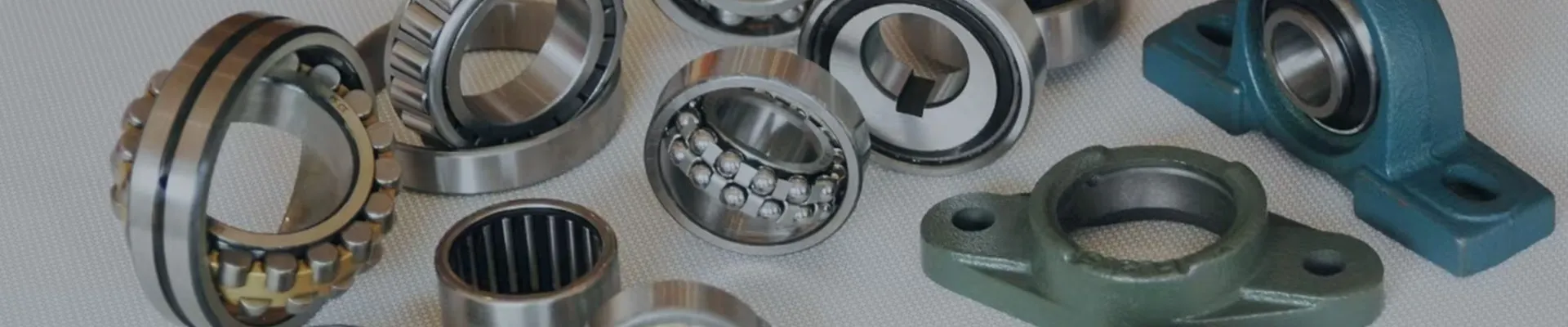
At its core, the 16036 bearing is a type of spherical roller bearing designed to support heavy radial and axial loads. It features two rows of rollers, self-aligning capabilities, and a robust design that copes well with harsh operating conditions.
You might picture a bearing as just a round metal ring with some balls or rollers inside — which it is, but the good ones like this are masterworks of geometry and metallurgy. The “16036” refers to specific dimensions and design tolerances standardized internationally, for instance by ISO standards governing bearing sizes and tolerances.
Industries worldwide rely on these bearings to keep complex machinery — like cranes, wind turbines, and mining equipment — running with minimal friction and wear. They’re also critical in humanitarian contexts where rugged, reliable equipment is a must, including disaster relief or remote infrastructure projects.
Key Features That Make the 16036 Bearing Exceptional
Durability
The 16036 bearing is built to last. Made from high-grade steel alloys with heat treatments enhancing hardness, these bearings endure harsh conditions — temperature extremes, contamination risks, and heavy mechanical stresses. I've often heard engineers remark how these bearings “just keep going” in settings that'd wreck lesser models.
Self-Aligning Capability
One tricky problem in many machines is shaft misalignment. The beauty of 16036 bearings is their design: two rows of spherical rollers that automatically adjust to slight misalignments. This greatly reduces wear and prevents premature failure — a lifesaver when precision engineering isn’t possible on-site.
Load Handling
Both radial (perpendicular to shaft) and axial (along the shaft) loads are managed efficiently by these bearings, making them versatile. In real-world use, this means they can bear heavy weights without deforming — ideal for cranes lifting tons or conveyor systems carrying bulky cargo.
Cost Efficiency
While not the cheapest, the 16036 bearing offers excellent value. Its longevity means less frequent replacements and reduced maintenance costs. In industries where downtime is expensive, this often saves more money than cheaper alternatives with earlier failures.
Maintenance and Testing
Another practical aspect is ease of inspection and condition monitoring. The design supports lubricants well, and routine checks can extend lifespan. Some plants even use vibration analysis or thermal imaging to predict when a bearing might fail — allowing planned replacements and avoiding surprises.
Real-World Applications of the 16036 Bearing
It’s easy to talk specs, but where do these bearings really shine? Here are some key sectors:
- Renewable Energy: Wind turbines rely on 16036 bearings to handle fluctuating loads while operating in remote, harsh environments.
- Mining and Construction: Equipment like excavators, mixers, and conveyors depend on these bearings for reliable, long-term operation.
- Transportation: Heavy trucks and trailers use them in wheel hubs and drivetrain parts.
- Industrial Manufacturing: In assembly lines with massive rotating parts, 16036 bearings improve uptime and reduce friction losses.
- Humanitarian & Infrastructure: From emergency power generators to mobile cranes used in disaster zones, these bearings deal with tough field conditions.
Oddly enough, some remote industrial zones in Africa and Asia have prioritized equipping their machinery with 16036 bearings, noting the fewer failures under dust, heat, and unpredictable loads. It’s a small detail that promotes big differences.
Advantages and Long-Term Value of Using 16036 Bearings
- Cost Savings: Less downtime and fewer replacements mean better ROI.
- Sustainability: Longer lifespans translate to fewer raw materials consumed—good news in a resource-conscious world.
- Reliability: Machinery runs smoother, safer, and with less energy wasted overcoming friction.
- Innovation Friendly: The robust design supports new automation technologies that require precise, dependable components.
- Social Impact: By enabling reliable infrastructure, these bearings indirectly support livelihoods and safety in critical sectors.
Product Specification Table: Typical 16036 Bearing
| Specification | Description |
|---|---|
| Type | Spherical Roller Bearing |
| Inside Diameter | 180 mm |
| Outside Diameter | 280 mm |
| Width | 62 mm |
| Material | High Carbon Chrome Steel (GCr15) |
| Dynamic Load Rating | 255 kN |
| Static Load Rating | 300 kN |
| Operating Temp Range | -30°C to +120°C |
| Sealing | Metal shields or rubber seals available |
Vendor Comparison: Leading Suppliers of 16036 Bearings
| Vendor | Price Range (per unit) | Lead Time | Warranty | Special Features |
|---|---|---|---|---|
| ABC Bearings Ltd. | $150 - $180 | 2-3 weeks | 2 years | Custom lubrication options |
| GlobalRoller Inc. | $170 - $200 | 1-2 weeks | 3 years | Enhanced corrosion resistance |
| Precision Bearings Co. | $140 - $165 | 3-4 weeks | 1 year | Affordable, standard options |
| ARY Bearing (recommended) | $145 - $175 | 1 week | 3 years | Quality certified, ISO9001 & custom sizes |
Looking Ahead: Trends & Innovations Affecting the 16036 Bearing
The bearings industry isn’t static — it’s evolving alongside materials science and digitization. For example, research into hybrid ceramic-metal roller bearings promises even higher speeds and lower friction for future 16036 bearing variants. These advances could cut energy consumption in turbines and bearings by up to 20%, according to some ISO projections.
Meanwhile, environmentally friendly lubricants and coatings are gaining ground to extend life and reduce hazardous waste. The smart bearing with embedded sensors, capable of real-time monitoring, is no longer just an idea, it’s quickly becoming reality, offering predictive maintenance solutions to operators worldwide.
Common Challenges & Expert Tips to Overcome Them
Of course, no product is perfect. The 16036 bearing’s relatively large size and weight pose installation challenges, especially in tight or mobile spaces. Moreover, contamination ingress remains a risk in dusty or wet environments, which can shorten lifespan.
Experts advise:
- Proper sealing: Use rubber seals when conditions demand.
- Routine checks: Incorporate vibration analysis and lubrication management.
- Training: Skilled maintenance personnel reduce installation errors.
- Supply chain agility: Choosing reliable vendors like ARY Bearing ensures faster replacements.
FAQ: Your Common Questions About 16036 Bearings Answered
- Q1: How long does a 16036 bearing typically last in industrial applications?
- A: With proper installation and maintenance, these bearings can last 5-10 years under typical load and environmental conditions. Factors such as contamination and misalignment greatly affect lifespan.
- Q2: Can the 16036 bearing be used in high-temperature environments?
- A: Yes, these bearings generally operate safely up to around 120°C. For higher temps, special lubricants and heat-resistant materials are recommended.
- Q3: Are there eco-friendly versions of the 16036 bearing?
- A: Some manufacturers offer bearings with low-friction coatings and biodegradable lubricants, helping reduce environmental impact during use and disposal.
- Q4: How do I choose the right 16036 bearing supplier?
- A: Look for vendors with ISO certification, clear warranty policies, and a track record of timely delivery. ARY Bearing, for example, combines quality with fast lead times.
- Q5: Is it possible to customize bearings for specific machinery?
- A: Yes, many suppliers can alter dimensions, seals, and materials to fit specialized applications. Early discussions with suppliers help ensure optimal specs.
Wrapping Up: Why the 16036 Bearing Remains a Trusted Choice
Overall, the 16036 bearing is more than a simple machine part—it’s a linchpin in global industrial and humanitarian efforts. Its balance of durability, self-aligning design, and robust load capacity ensures it stands up to demanding environments. Plus, it fits well into today’s push for smarter, greener, and more efficient industrial solutions. Whether you’re upgrading a wind farm, outfitting a new factory, or supporting critical infrastructure in difficult terrain, the 16036 bearing is something you’ll want on your shortlist.
Ready to experience the quality and reliability of the 16036 bearing? Visit https://www.arybearing.com to explore options and get expert advice today.
1. ISO Bearing Standards - iso.org
2. World Bank Manufacturing Data - worldbank.org
3. Wikipedia - Spherical Roller Bearings - wikipedia.org
Latest news
-
Professional Deep Groove Ball Bearing Supplier for Industrial Use
NewsApr.16,2026
-
Essential Guide to Deep Groove Ball Bearing Size Chart PDF
NewsApr.09,2026
-
Exploring the Deep Groove Ball Bearing Series for Optimal Performance
NewsApr.07,2026
-
Understanding Deep Groove Ball Bearing Imperial Sizes for Optimal Performance
NewsApr.04,2026
-
Comprehensive Deep Groove Ball Bearing Catalogue PDF Guide for Optimal Performance
NewsMar.31,2026
-
Deep Groove Ball Bearings Applications and Comprehensive Usage Guide
NewsMar.28,2026
 Afrikaans
 Albanian
 Amharic
 Arabic
 Armenian
 Azerbaijani
 Basque
 Belarusian
 Bengali
 Bosnian
 Bulgarian
 Catalan
 Cebuano
 Corsican
 Croatian
 Czech
Czech
 Danish
 Dutch
Dutch
 Esperanto
 Estonian
 Finnish
 French
 Frisian
 Galician
 Georgian
 German
 Greek
Greek
 Gujarati
 Haitian Creole
 Hausa
Hausa
 Hawaiian
 Hebrew
 Hindi
Hindi
 Miao
Miao
 Hungarian
 Icelandic
 Igbo
Igbo
 Indonesian
 Irish
Irish
 Italian
 Japanese
 Javanese
 Kannada
 Kazakh
 Khmer
Khmer
 Rwandese
 Korean
 Kurdish
 Kyrgyz
 Lao
Lao
 Latin
Latin
 Latvian
 Lithuanian
 Luxembourgish
 Macedonian
 Malgashi
 Malay
Malay
 Malayalam
 Maltese
 Maori
Maori
 Marathi
 Mongolian
 Myanmar
 Nepali
 Norwegian
 Norwegian
 Occitan
 Pashto
 Persian
 Polish
 Portuguese
 Punjabi
 Romanian
 Russian
 Samoan
 Scottish Gaelic
 Serbian
 Sesotho
 Shona
Shona
 Sindhi
 Sinhala
 Slovak
 Slovenian
 Somali
 Spanish
 Sundanese
 Swahili
 Swedish
 Tagalog
 Tajik
Tajik
 Tamil
Tamil
 Tatar
Tatar
 Telugu
 Thai
Thai
 Turkish
 Turkmen
 Ukrainian
 Urdu
Urdu
 Uighur
 Uzbek
Uzbek
 Vietnamese
 Welsh
Welsh
 Bantu
Bantu
 Yiddish
 Yoruba
 Zulu
Zulu
 English