
Dec . 07, 2025 13:10 Back to list
75x115x20 Bearing – Comprehensive Guide & Global Industrial Applications
Understanding the 75x115x20 Bearing: A Global Industrial Backbone
When you first hear “75x115x20 bearing,” it might just sound like another cryptic part number—one among thousands in mechanical catalogs. Yet, this particular bearing size plays a quietly pervasive role across industries worldwide, from heavy machinery to precision equipment. Its significance often goes unnoticed, but understanding it unlocks insights into industrial efficiency and reliability that sustain countless operations globally. So why does this compact component matter? Simply put, without dependable bearings like the 75x115x20, the wheels of modern infrastructure would literally grind to a halt.
Setting the Stage: Global Importance of the 75x115x20 Bearing
In a world reliant on machinery—from construction, automotive, to renewable energy—bearings are indispensable. According to the International Organization for Standardization (ISO), proper bearing selection effectively reduces equipment downtime and energy consumption, directly influencing global manufacturing output and environmental goals. The 75x115x20 bearing, a medium-sized deep groove ball bearing, strikes a balance between load capacity and compactness that engineers favor for precise applications.
Furthermore, as industries push for sustainability and automation, such bearings enable smoother, more efficient mechanical motion, minimizing waste and wear. Yet, a common challenge lies in sourcing reliable yet cost-effective bearings, particularly in emerging markets where quality assurance sometimes falls short. Understanding the specs and applications of the 75x115x20 bearing can help mitigate this gap.
What Is a 75x115x20 Bearing, Exactly?
At its core, a 75x115x20 bearing is a type of deep groove ball bearing with the following dimensions: an inner diameter of 75 mm, an outer diameter of 115 mm, and a width of 20 mm. These numbers define its size and compatibility with various shafts and housings. The “deep groove” design means it can handle both radial (sideways) and axial (thrust) loads, giving it versatility.
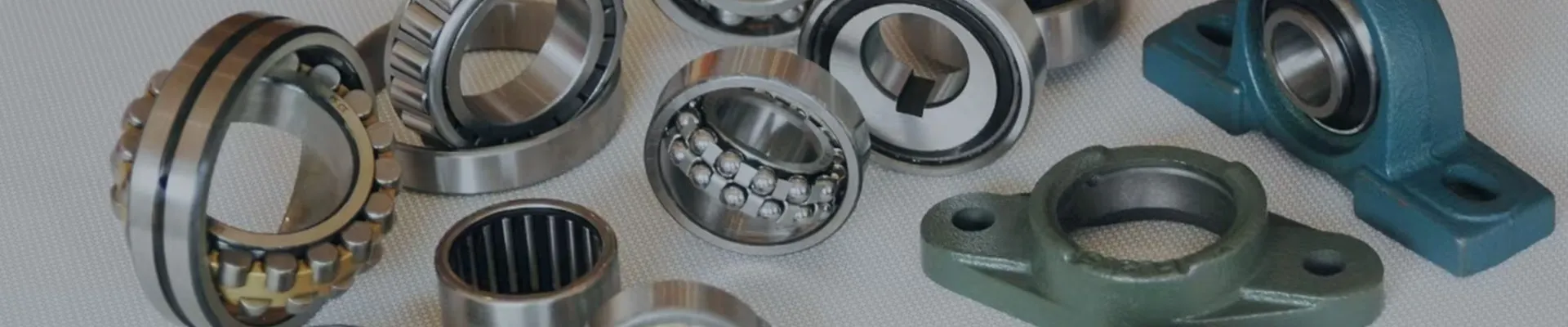
Put simply, it’s an engineered ring with steel balls inside that allow rotational movement with minimal friction. From conveyor belts in factories to electric motors powering pumps and compressors, the 75x115x20 bearing is deeply embedded in operations critical to economic and humanitarian efforts alike—like ensuring clean water supply or reliable transport in remote regions.
Key Features of the 75x115x20 Bearing
1. Durability
Manufactured from high-grade chrome steel or stainless steel variants, these bearings withstand harsh environments, including dust, moisture, and temperature fluctuations. Their robustness extends equipment life, reducing costly downtime.
2. Load Handling
The design supports moderate axial and radial loads, making it suitable for everything from electric motors to industrial fans. This flexibility is one reason it remains a staple part across sectors.
3. Precision & Smooth Operation
Thanks to tight manufacturing tolerances, these bearings ensure smooth rotation, decreased vibration, and less noise — factors critical in precision machines, like robotics or medical devices.
4. Cost Efficiency
Being a standardized size, the 75x115x20 bearing benefits from economies of scale, making it affordable while still reliable. Availability from multiple vendors also drives costs down.
5. Compatibility and Scalability
Its moderate size fits a wide range of shafts and equipment, offering an adaptable solution for both small-scale manufacturers and large industrial setups seeking scalable parts.
75x115x20 Bearing – Typical Product Specifications
| Specification | Details |
|---|---|
| Inner Diameter (mm) | 75 |
| Outer Diameter (mm) | 115 |
| Width (mm) | 20 |
| Type | Deep Groove Ball Bearing |
| Material | Chrome Steel / Stainless Steel |
| Sealing | Open, Shielded, or Sealed Variants Available |
Mini takeaway: The 75x115x20 bearing’s robust engineering and versatility make it a smart choice for many industrial requirements, balancing performance and cost seamlessly.
Global Applications and Use Cases
The reach of the 75x115x20 bearing extends from factory floors in Europe to remote infrastructure projects in Africa and Asia. Let me give you some concrete examples:
- Renewable Energy: Wind turbine nacelles often use these bearings for their moderate-load handling and resistance to harsh weather.
- Manufacturing Lines: Conveyor belts and robotic arms in automotive plants rely on them for smooth motion and low maintenance.
- Water Treatment Facilities: Pumps essential for clean water deployment integrate these bearings to ensure reliability in challenging environments.
- Post-Disaster Relief: Equipment deployed rapidly after natural disasters uses these bearings because of their durability and availability.
If you’re curious how far they travel, notably major OEMs source from suppliers globally, from Japan’s NSK to Germany’s SKF, each with slight design twists to optimize performance.
Vendor Comparison of Popular 75x115x20 Bearings
| Vendor | Material Grade | Typical Price (USD) | Warranty | Special Features |
|---|---|---|---|---|
| NSK | Chromium Steel | $15-20 | 1 year | High precision, low noise |
| SKF | Stainless Steel option | $18-25 | 2 years | Sealed units for harsh environments |
| FAG (Schaeffler) | Chromium Steel | $14-22 | 1 year | High load capacity |
Mini takeaway: Choosing a vendor depends on your priorities: cost, material, warranty, or environmental conditions. Knowing your application helps narrow the best match.
Advantages and Long-Term Value of 75x115x20 Bearings
There’s a long list of benefits the 75x115x20 bearing delivers:
- Reliability: Reduced wear means less downtime.
- Cost-Effectiveness: Cheap to source but saves big on maintenance.
- Sustainability: Supports longer equipment life, cutting waste.
- Trust and Safety: Smooth equipment operation assures worker safety.
- Emotional value: When you rely on these for critical equipment, it’s a bit like having a safety net—comforting to know it won’t fail when you need it most.
Emerging Trends & Innovations
Oddly enough, even a component as “basic” as the 75x115x20 bearing is evolving. Newer materials like ceramics are creeping into production, enhancing corrosion resistance and reducing weight. Digital monitoring—smart bearings equipped with sensors—are becoming a thing to predict faults before failures occur. Plus, there’s a push for eco-friendly lubricants and designs optimized for energy efficiency that fit into global sustainability goals.
Challenges and Solutions
Despite its reliability, the 75x115x20 bearing faces challenges like contamination, misalignment, or improper lubrication. The key lies in correct installation and maintenance training, alongside sourcing from reputable vendors. Many engineers now turn to sealed or shielded versions to combat ingress of dust and moisture, while condition monitoring systems help catch issues early.
FAQ: Frequently Asked Questions About 75x115x20 Bearing
- What makes 75x115x20 bearings a popular choice in industrial motors?
- Their moderate size combined with the ability to handle both radial and thrust loads makes them versatile for electric motors where space and reliability are crucial. Their widespread availability also makes replacement easier.
- How long can a 75x115x20 bearing last in heavy-duty use?
- With proper maintenance and correct environmental conditions, these bearings can last several years—sometimes up to a decade. Lifespan depends heavily on load, speed, and lubrication quality.
- Are sealed variants of the 75x115x20 bearing more expensive?
- Typically yes, sealed bearings cost a bit more upfront but often save money by reducing maintenance and preventing premature failure due to contamination.
- Can I order customized 75x115x20 bearings internationally?
- Absolutely. Many reputable vendors offer custom seals, shields, or material grades with international shipping. Checking compatibility and standards compliance beforehand is wise, especially for critical applications.
Conclusion
In real terms, the 75x115x20 bearing may be a small component, but its impact is vast — quietly enabling smooth, reliable operation of machinery across the globe. From factories to renewable projects, understanding this bearing's specs and advantages helps engineers, procurement teams, and businesses make smarter decisions. If you want to explore high-quality 75x115x20 bearing options, detailed specs, or tailored solutions, visit our site. It might just keep your operations turning smoothly for years to come.
Sometimes, it’s the small parts doing the heavy lifting—in a quietly profound way.
References
Latest news
-
Professional Deep Groove Ball Bearing Supplier for Industrial Use
NewsApr.16,2026
-
Essential Guide to Deep Groove Ball Bearing Size Chart PDF
NewsApr.09,2026
-
Exploring the Deep Groove Ball Bearing Series for Optimal Performance
NewsApr.07,2026
-
Understanding Deep Groove Ball Bearing Imperial Sizes for Optimal Performance
NewsApr.04,2026
-
Comprehensive Deep Groove Ball Bearing Catalogue PDF Guide for Optimal Performance
NewsMar.31,2026
-
Deep Groove Ball Bearings Applications and Comprehensive Usage Guide
NewsMar.28,2026
 Afrikaans
 Albanian
 Amharic
 Arabic
 Armenian
 Azerbaijani
 Basque
 Belarusian
 Bengali
 Bosnian
 Bulgarian
 Catalan
 Cebuano
 Corsican
 Croatian
 Czech
Czech
 Danish
 Dutch
Dutch
 Esperanto
 Estonian
 Finnish
 French
 Frisian
 Galician
 Georgian
 German
 Greek
Greek
 Gujarati
 Haitian Creole
 Hausa
Hausa
 Hawaiian
 Hebrew
 Hindi
Hindi
 Miao
Miao
 Hungarian
 Icelandic
 Igbo
Igbo
 Indonesian
 Irish
Irish
 Italian
 Japanese
 Javanese
 Kannada
 Kazakh
 Khmer
Khmer
 Rwandese
 Korean
 Kurdish
 Kyrgyz
 Lao
Lao
 Latin
Latin
 Latvian
 Lithuanian
 Luxembourgish
 Macedonian
 Malgashi
 Malay
Malay
 Malayalam
 Maltese
 Maori
Maori
 Marathi
 Mongolian
 Myanmar
 Nepali
 Norwegian
 Norwegian
 Occitan
 Pashto
 Persian
 Polish
 Portuguese
 Punjabi
 Romanian
 Russian
 Samoan
 Scottish Gaelic
 Serbian
 Sesotho
 Shona
Shona
 Sindhi
 Sinhala
 Slovak
 Slovenian
 Somali
 Spanish
 Sundanese
 Swahili
 Swedish
 Tagalog
 Tajik
Tajik
 Tamil
Tamil
 Tatar
Tatar
 Telugu
 Thai
Thai
 Turkish
 Turkmen
 Ukrainian
 Urdu
Urdu
 Uighur
 Uzbek
Uzbek
 Vietnamese
 Welsh
Welsh
 Bantu
Bantu
 Yiddish
 Yoruba
 Zulu
Zulu
 English