
Mar . 11, 2026 02:05 Back to list
Understanding Deep Ball Bearings for Optimal Machinery Performance
Understanding Deep Ball Bearings: A Comprehensive Guide
Deep ball bearings are ubiquitous in modern machinery, renowned for their versatility and reliability. These bearings, available from leading suppliers like ARY Bearing, are critical components in a wide range of applications, from automotive systems to industrial equipment. This article will delve into the characteristics, advantages, applications, and selection considerations of deep ball bearings, providing a comprehensive overview for engineers, maintenance professionals, and anyone seeking a deeper understanding of this essential technology. Properly selecting and maintaining deep ball bearings is paramount to ensure optimal performance and longevity of your machinery.
What are Deep Ball Bearings?
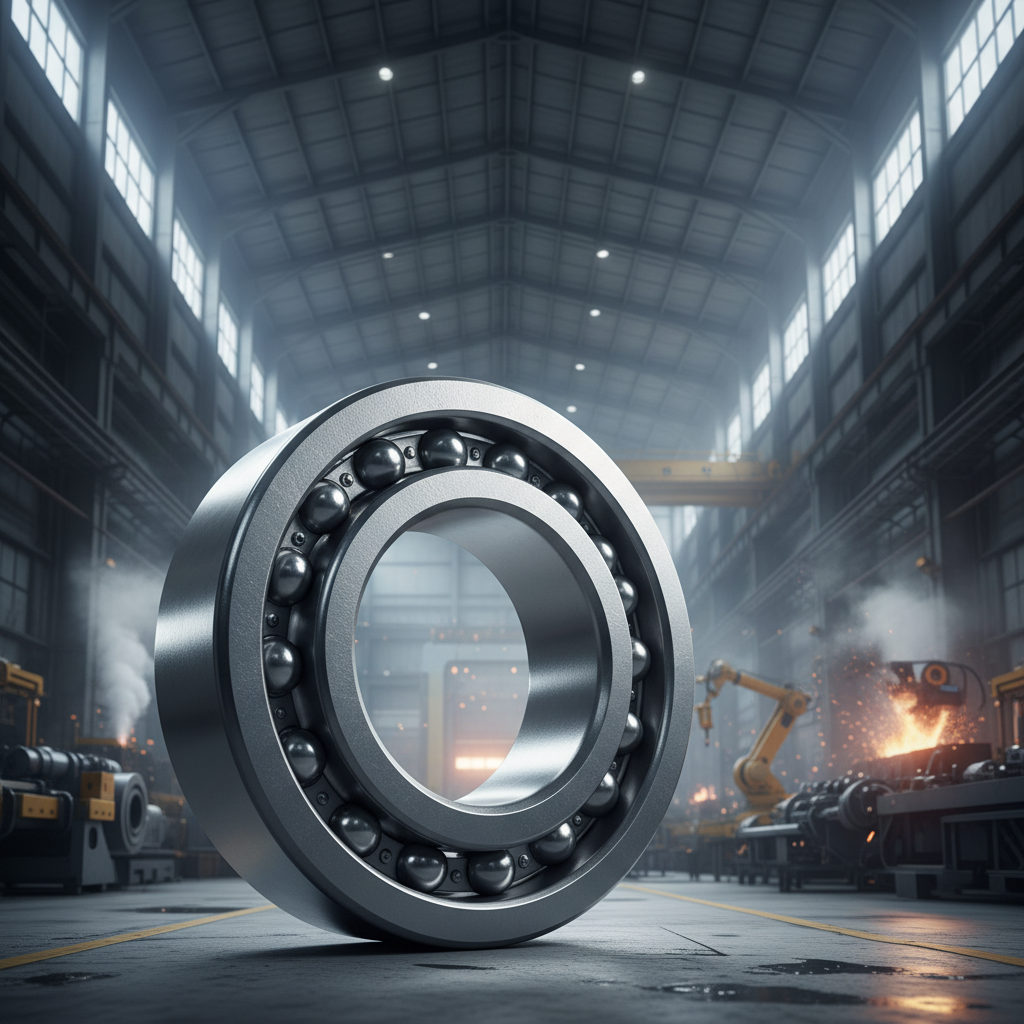
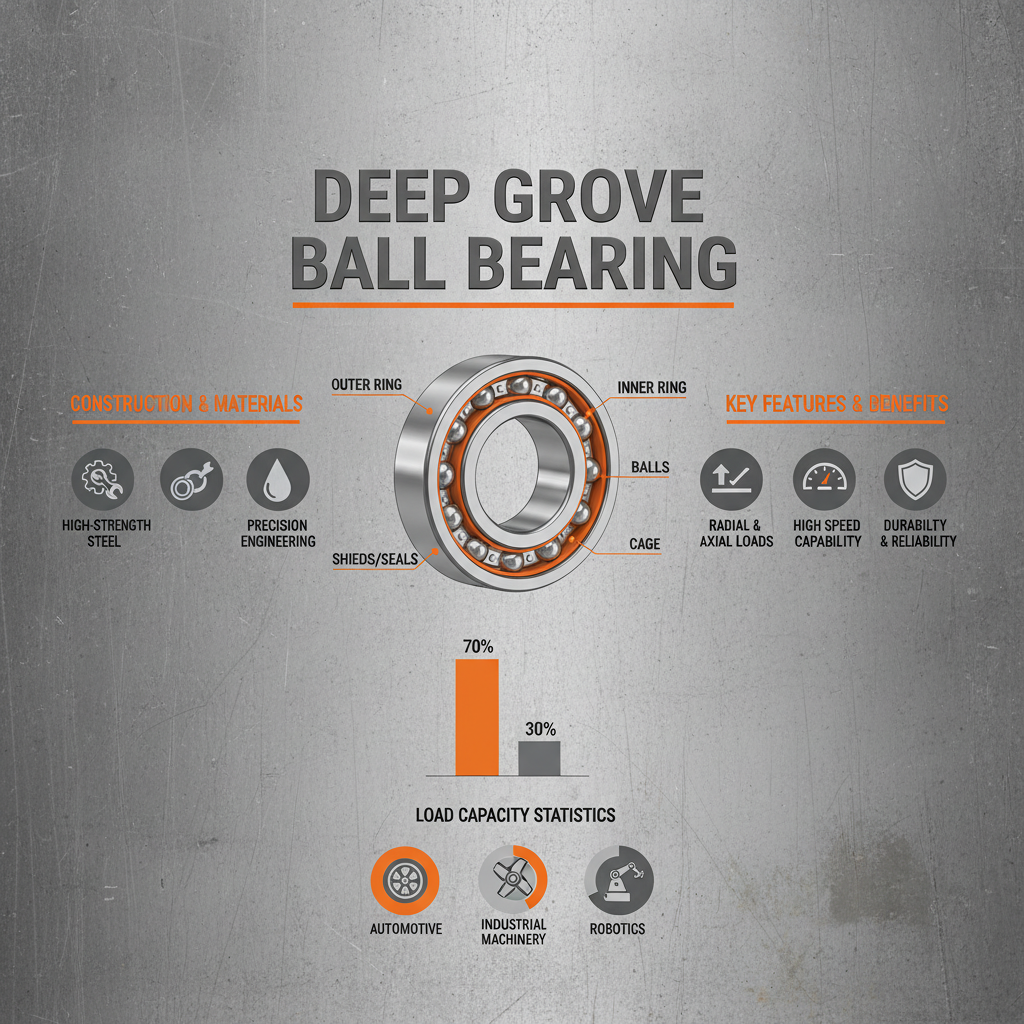
A deep ball bearing is a type of rolling-element bearing that uses balls to maintain the separation between the bearing races. The 'deep' refers to the raceway's depth, which is comparatively larger than the ball diameter. This design allows for high radial and axial load capacity in both directions. They consist of an outer ring, an inner ring, a cage or retainer, and the balls themselves. The cage separates the balls, ensuring smooth operation and preventing them from colliding. ARY Bearing's diverse catalog offers deep ball bearings in various materials and configurations to meet specific application needs.
Key Highlights: Featuring high load carrying capacity, suitable for high-speed applications and available in a wide range of sizes and materials.
Key Characteristics of Deep Ball Bearings
Deep ball bearings exhibit several key characteristics that make them ideal for numerous applications. These include low friction, high speed capability, and relative simplicity in design. They are capable of handling both radial and axial loads, though their axial load capacity is generally lower than specialized axial bearings. Their design minimizes heat generation, contributing to longer service life. Furthermore, they require minimal lubrication and maintenance. The precision engineering of ARY Bearing’s deep ball bearings ensures consistent performance and reliability.
Key Characteristics:
• Low friction and high efficiency
• High speed capability
• Handles both radial and axial loads
• Minimal maintenance requirements
Deep Ball Bearing Applications
The applications of deep ball bearings are incredibly diverse. They are commonly found in electric motors, pumps, gearboxes, and various types of machinery. In the automotive industry, they are used in wheel hubs, transmissions, and steering systems. Within the aerospace industry, they are crucial components in aircraft engines and control systems. ARY Bearing supplies deep ball bearings to a wide range of industries, providing solutions for demanding applications.
Deep Ball Bearing Materials and Types
Deep ball bearings are manufactured from various materials, each offering distinct advantages. Common materials include chrome steel (SAE 52100), stainless steel (AISI 440), ceramic (silicon nitride), and hybrid combinations (ceramic balls with steel races). The choice of material depends on factors such as load requirements, operating temperature, and corrosion resistance. Common types include open bearings, shielded bearings, and sealed bearings. Shielded bearings offer some protection against contamination, while sealed bearings provide complete protection.
Selecting the Right Deep Ball Bearing
Choosing the right deep ball bearing requires careful consideration of several factors. These include the load requirements (radial and axial), operating speed, temperature range, and the presence of corrosive environments. It’s also critical to consider the bearing's lubrication requirements and the expected service life. Consulting with experts like those at ARY Bearing can ensure you select the optimal bearing for your specific application. Proper bearing selection minimizes downtime and maximizes efficiency.
Conclusion: The Versatility of Deep Ball Bearings
Deep ball bearings remain a cornerstone of mechanical engineering, offering a reliable and efficient solution for a vast array of applications. From industrial machinery to everyday appliances, their versatility and performance are unmatched. Choosing high-quality bearings from a trusted supplier like ARY Bearing ensures long-lasting performance and minimal downtime.
Frequently Asked Questions (FAQs)
What is the typical lifespan of a deep ball bearing?
The lifespan of a deep ball bearing is highly dependent on operating conditions, including load, speed, temperature, lubrication, and contamination levels. Under ideal conditions, a properly selected and maintained deep ball bearing can last for several years. However, in harsh environments or with improper maintenance, the lifespan can be significantly reduced. Regular inspections and relubrication are crucial for maximizing bearing life. Generally, bearings should be replaced when they exhibit excessive noise, vibration, or play.
What type of lubricant should I use with deep ball bearings?
The appropriate lubricant depends on the operating speed, temperature, and load. Common choices include lithium-based greases, mineral oils, and synthetic oils. High-speed applications often require low-viscosity oils to minimize friction and heat generation. In high-temperature environments, synthetic lubricants are preferred due to their superior thermal stability. Always consult the bearing manufacturer's recommendations for the optimal lubricant type and application method. Proper lubrication is essential for preventing wear and extending bearing life.
Can deep ball bearings handle axial loads?
While deep ball bearings are primarily designed for radial loads, they can also handle some axial load. However, their axial load capacity is limited compared to specialized axial bearings like thrust bearings. Excessive axial loads can lead to premature bearing failure. If your application requires significant axial load capacity, it's best to consult with a bearing specialist to select the appropriate bearing type. ARY Bearing offers a comprehensive selection of bearings for various load requirements.
What are the signs that a deep ball bearing needs to be replaced?
Several signs indicate that a deep ball bearing may need to be replaced. These include excessive noise or vibration, increased operating temperature, play or looseness in the bearing, and visible signs of wear or damage. If you notice any of these symptoms, it's crucial to inspect the bearing and replace it if necessary. Continuing to operate a failing bearing can lead to catastrophic failure and damage to surrounding machinery.
Latest news
-
Professional Deep Groove Ball Bearing Supplier for Industrial Use
NewsApr.16,2026
-
Essential Guide to Deep Groove Ball Bearing Size Chart PDF
NewsApr.09,2026
-
Exploring the Deep Groove Ball Bearing Series for Optimal Performance
NewsApr.07,2026
-
Understanding Deep Groove Ball Bearing Imperial Sizes for Optimal Performance
NewsApr.04,2026
-
Comprehensive Deep Groove Ball Bearing Catalogue PDF Guide for Optimal Performance
NewsMar.31,2026
-
Deep Groove Ball Bearings Applications and Comprehensive Usage Guide
NewsMar.28,2026
 Afrikaans
 Albanian
 Amharic
 Arabic
 Armenian
 Azerbaijani
 Basque
 Belarusian
 Bengali
 Bosnian
 Bulgarian
 Catalan
 Cebuano
 Corsican
 Croatian
 Czech
Czech
 Danish
 Dutch
Dutch
 Esperanto
 Estonian
 Finnish
 French
 Frisian
 Galician
 Georgian
 German
 Greek
Greek
 Gujarati
 Haitian Creole
 Hausa
Hausa
 Hawaiian
 Hebrew
 Hindi
Hindi
 Miao
Miao
 Hungarian
 Icelandic
 Igbo
Igbo
 Indonesian
 Irish
Irish
 Italian
 Japanese
 Javanese
 Kannada
 Kazakh
 Khmer
Khmer
 Rwandese
 Korean
 Kurdish
 Kyrgyz
 Lao
Lao
 Latin
Latin
 Latvian
 Lithuanian
 Luxembourgish
 Macedonian
 Malgashi
 Malay
Malay
 Malayalam
 Maltese
 Maori
Maori
 Marathi
 Mongolian
 Myanmar
 Nepali
 Norwegian
 Norwegian
 Occitan
 Pashto
 Persian
 Polish
 Portuguese
 Punjabi
 Romanian
 Russian
 Samoan
 Scottish Gaelic
 Serbian
 Sesotho
 Shona
Shona
 Sindhi
 Sinhala
 Slovak
 Slovenian
 Somali
 Spanish
 Sundanese
 Swahili
 Swedish
 Tagalog
 Tajik
Tajik
 Tamil
Tamil
 Tatar
Tatar
 Telugu
 Thai
Thai
 Turkish
 Turkmen
 Ukrainian
 Urdu
Urdu
 Uighur
 Uzbek
Uzbek
 Vietnamese
 Welsh
Welsh
 Bantu
Bantu
 Yiddish
 Yoruba
 Zulu
Zulu
 English