The global market for bearing manufacturing machine price is experiencing significant growth, driven by increasing industrialization in developing nations and a rising demand for high-precision components across various sectors. Understanding the intricacies of bearing manufacturing machine price is crucial for businesses aiming to optimize production processes, reduce costs, and enhance product quality. From automotive and aerospace to energy and healthcare, the need for reliable and efficient bearing solutions is paramount, making the investment in advanced manufacturing machinery a strategic imperative for staying competitive in today's landscape.
Fluctuations in raw material costs, evolving technological advancements, and stringent quality control standards all contribute to the complexity of determining an accurate bearing manufacturing machine price. Businesses must carefully assess their specific requirements, including production volume, desired level of automation, and the types of bearings to be manufactured, to make informed decisions about equipment selection. A thorough understanding of these factors is essential for securing a favorable return on investment and ensuring long-term operational success.
Ultimately, a well-chosen bearing manufacturing machine, represented by its price, isn't just an expenditure; it's an investment in a company's future. By leveraging cutting-edge technology and efficient manufacturing processes, businesses can unlock significant value, reduce downtime, and deliver superior products to meet the evolving needs of the global market.
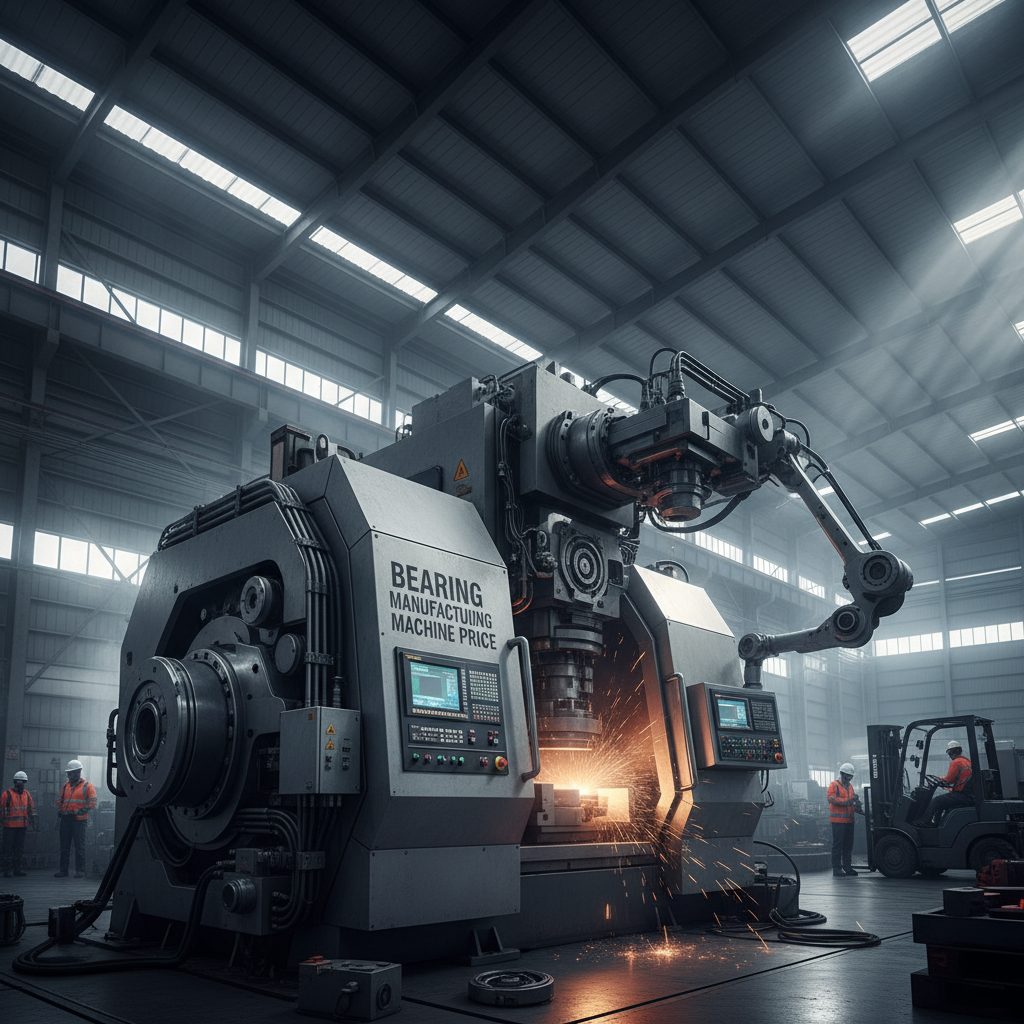
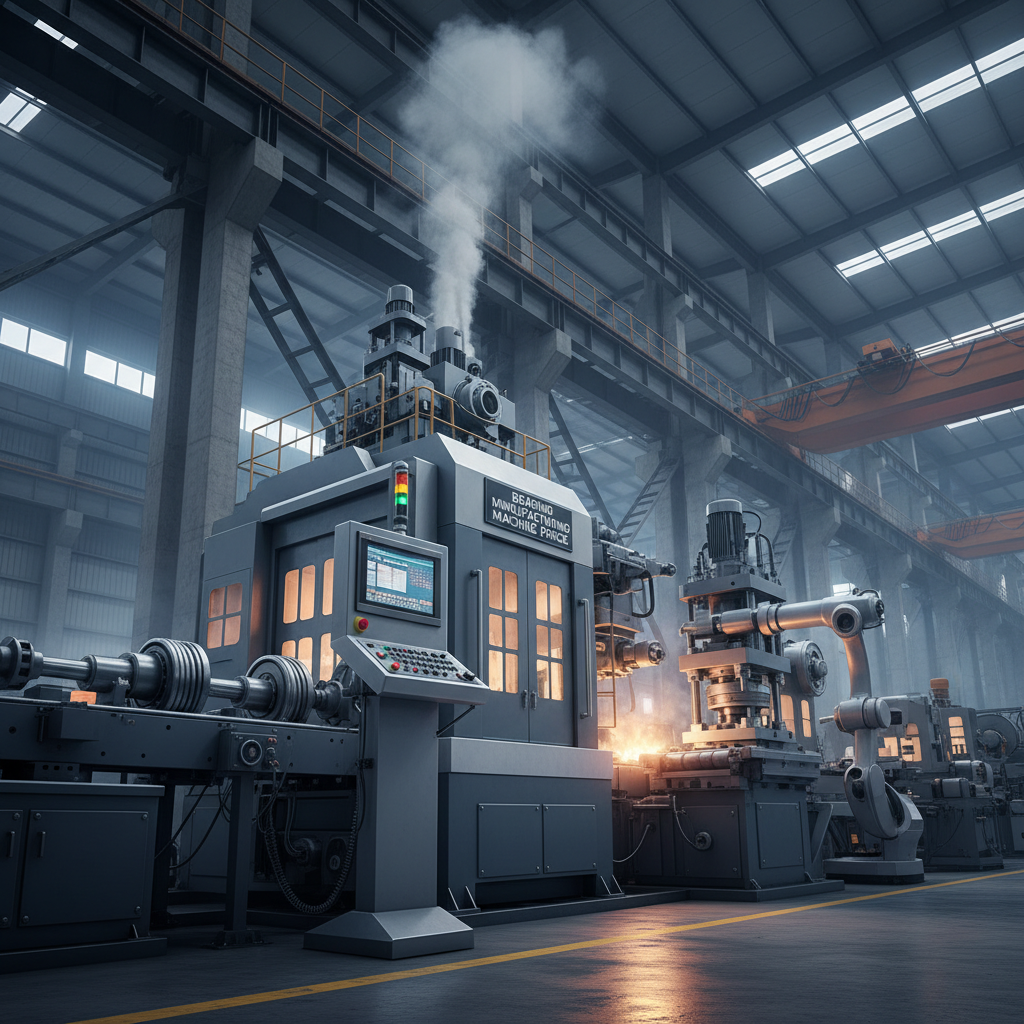
The price of bearing manufacturing machines directly impacts the cost of producing bearings, which are critical components in a vast array of industries. Understanding the various factors that contribute to the price, such as automation level, production capacity, and precision capabilities, is crucial for making informed investment decisions. A lower initial machine price isn't always the most cost-effective solution; long-term operational costs, maintenance requirements, and potential downtime must also be considered.
Furthermore, advancements in bearing manufacturing machine technology are continuously driving down production costs and improving bearing performance. Investing in newer, more efficient machines can yield substantial returns over time through increased productivity, reduced waste, and improved product quality. This ultimately impacts the affordability and accessibility of bearings across diverse applications.
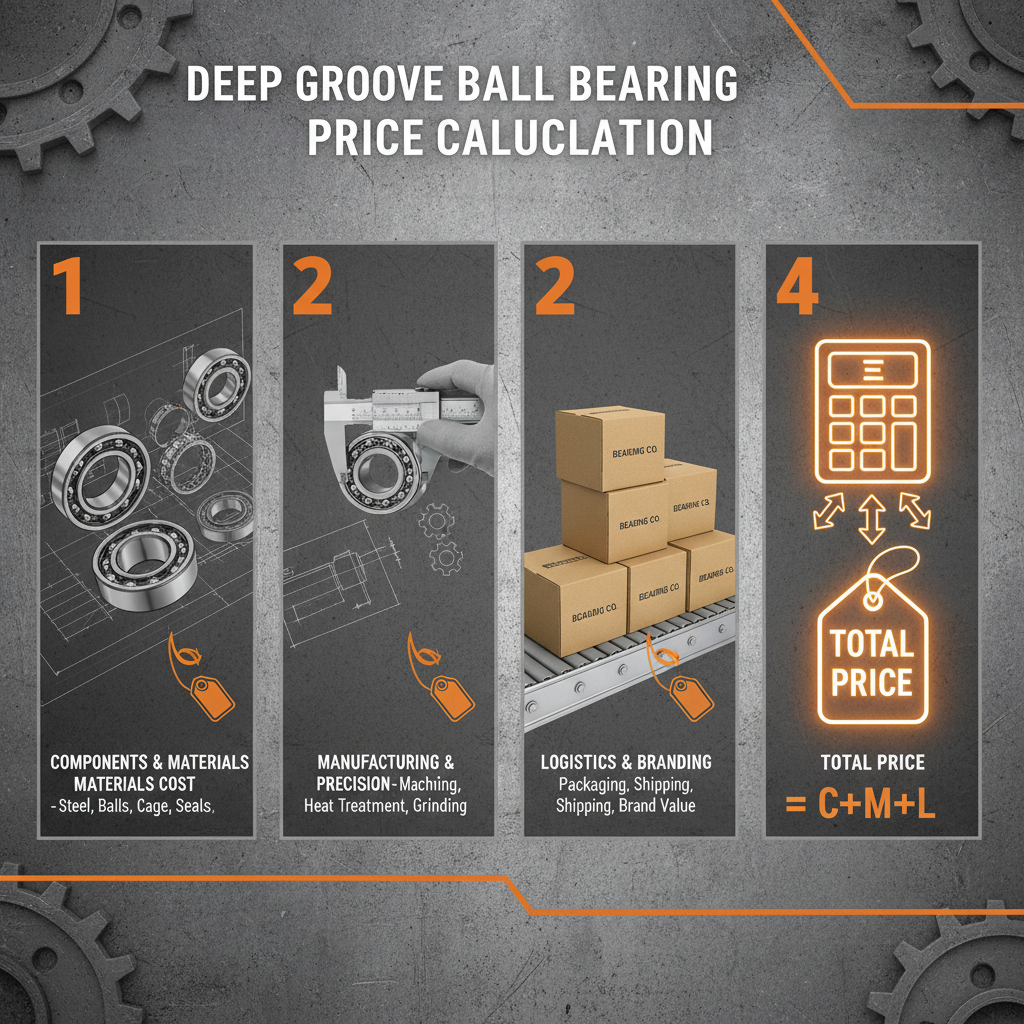
The price is primarily influenced by the level of automation, the precision required for the bearings to be produced, the production capacity of the machine, and the brand reputation of the manufacturer. Additional factors include tooling costs, installation expenses, and the complexity of the machine’s control system. Ultimately, a higher price often equates to greater efficiency, precision, and long-term reliability.
While fully automated machines have a higher initial cost, they often result in lower overall cost of ownership due to reduced labor expenses, increased production throughput, and minimized human error. Automated systems require less manual intervention, leading to improved consistency and reduced downtime. However, it’s essential to factor in the cost of maintenance and potential repair of complex automated components.
The ROI varies greatly depending on factors such as production volume, bearing type, and existing operational costs. However, a well-chosen machine can typically yield a positive ROI within 2-5 years through increased productivity, reduced waste, improved product quality, and lower labor costs. A detailed cost-benefit analysis is crucial before making a purchase decision.
After-sales service and support are critically important. Bearing manufacturing machines are complex systems, and downtime can be costly. A reliable manufacturer should offer comprehensive training, readily available spare parts, and responsive technical support to ensure minimal disruption and maximize the machine’s lifespan. Consider service contracts and response times when evaluating different suppliers.
Many manufacturers and financial institutions offer financing options, such as leasing or loans, to help businesses acquire bearing manufacturing machines. These options can help spread the cost over time and preserve capital for other investments. It’s essential to compare different financing terms and conditions to find the most suitable solution for your specific needs.
Advancements in CNC (Computer Numerical Control) technology are constantly driving innovation in bearing manufacturing machines, resulting in increased precision, speed, and automation. While newer CNC machines often have a higher upfront price, they offer significant long-term benefits, including reduced cycle times, improved surface finishes, and greater flexibility in producing various bearing types, making them a valuable investment.
In conclusion, the bearing manufacturing machine price represents more than just a financial outlay; it embodies an investment in efficiency, precision, and long-term profitability. A thorough understanding of the factors influencing this price, coupled with careful consideration of your specific production needs and future growth plans, is crucial for making a sound investment. The global demand for high-quality bearings continues to rise, and investing in advanced manufacturing technology is essential for businesses to remain competitive and meet the evolving needs of the market.
Looking ahead, the integration of Industry 4.0 technologies and sustainable manufacturing practices will further transform the landscape of bearing manufacturing. By embracing these innovations and prioritizing long-term value over short-term cost savings, businesses can unlock significant benefits and position themselves for success in the years to come. For further insights and a comprehensive range of bearing manufacturing solutions, visit our website: bearing manufacturing machine price.

 Afrikaans
 Albanian
 Amharic
 Arabic
 Armenian
 Azerbaijani
 Basque
 Belarusian
 Bengali
 Bosnian
 Bulgarian
 Catalan
 Cebuano
 Corsican
 Croatian
 Czech
Czech
 Danish
 Dutch
Dutch
 Esperanto
 Estonian
 Finnish
 French
 Frisian
 Galician
 Georgian
 German
 Greek
Greek
 Gujarati
 Haitian Creole
 Hausa
Hausa
 Hawaiian
 Hebrew
 Hindi
Hindi
 Miao
Miao
 Hungarian
 Icelandic
 Igbo
Igbo
 Indonesian
 Irish
Irish
 Italian
 Japanese
 Javanese
 Kannada
 Kazakh
 Khmer
Khmer
 Rwandese
 Korean
 Kurdish
 Kyrgyz
 Lao
Lao
 Latin
Latin
 Latvian
 Lithuanian
 Luxembourgish
 Macedonian
 Malgashi
 Malay
Malay
 Malayalam
 Maltese
 Maori
Maori
 Marathi
 Mongolian
 Myanmar
 Nepali
 Norwegian
 Norwegian
 Occitan
 Pashto
 Persian
 Polish
 Portuguese
 Punjabi
 Romanian
 Russian
 Samoan
 Scottish Gaelic
 Serbian
 Sesotho
 Shona
Shona
 Sindhi
 Sinhala
 Slovak
 Slovenian
 Somali
 Spanish
 Sundanese
 Swahili
 Swedish
 Tagalog
 Tajik
Tajik
 Tamil
Tamil
 Tatar
Tatar
 Telugu
 Thai
Thai
 Turkish
 Turkmen
 Ukrainian
 Urdu
Urdu
 Uighur
 Uzbek
Uzbek
 Vietnamese
 Welsh
Welsh
 Bantu
Bantu
 Yiddish
 Yoruba
 Zulu
Zulu
 English