
You know, it's funny. I've been running around construction sites for fifteen years, and every year it’s something new. Right now, everyone's obsessed with miniaturization, right? Smaller, lighter, more efficient. But honestly, sometimes I think folks get so caught up in the specs, they forget what it actually feels like to use the stuff. And agricultural equipment bearings? They're right in the thick of it. To be honest, the demand for higher precision and durability in those bearings is climbing like crazy.
It's all about extending equipment life, reducing downtime. Farmers can't afford to have their combines breaking down mid-harvest. Have you noticed the shift towards self-lubricating bearings? Supposedly cuts down on maintenance, but I've seen a few that just gum up with dust and grime. It’s a trade-off, always a trade-off.
Anyway, I think what a lot of designers miss is the environment these things operate in. It's not a cleanroom. It’s mud, it’s dust, it’s fertilizer… it's a mess!
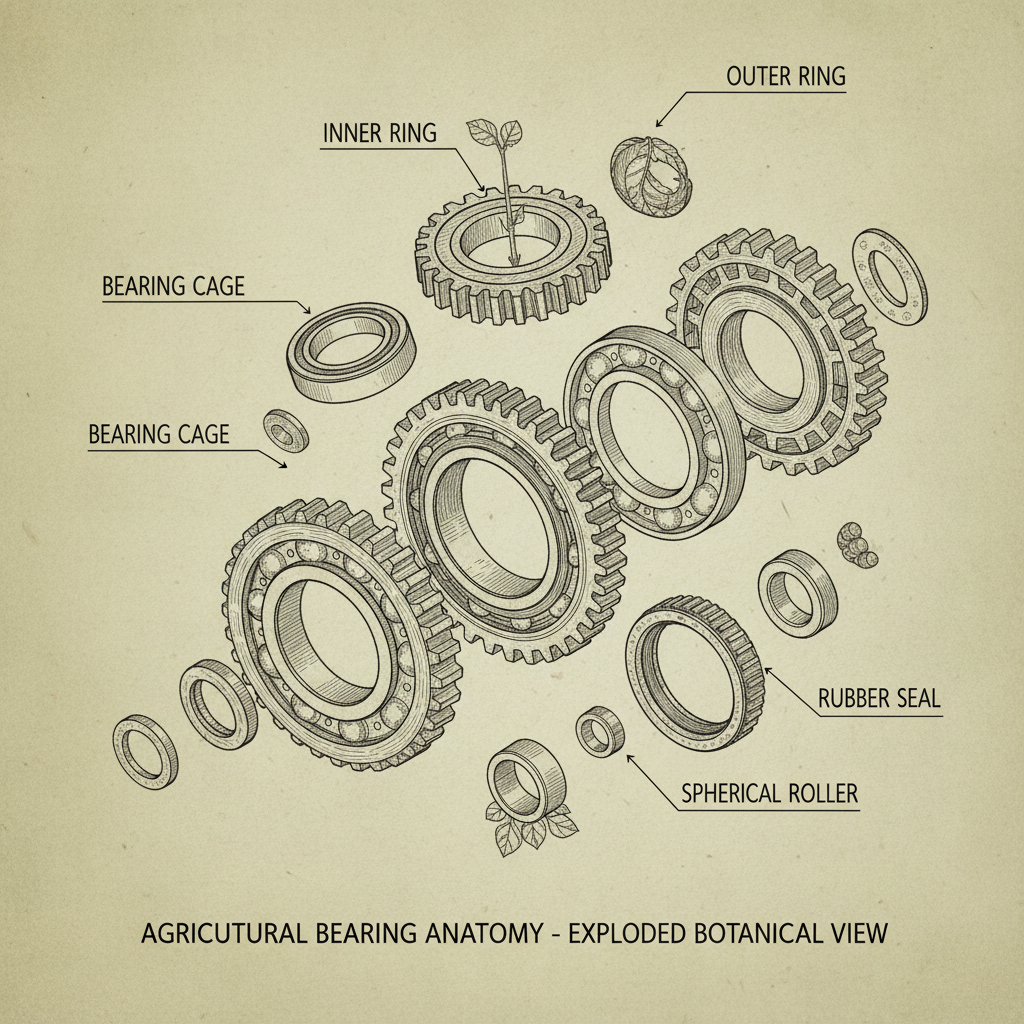
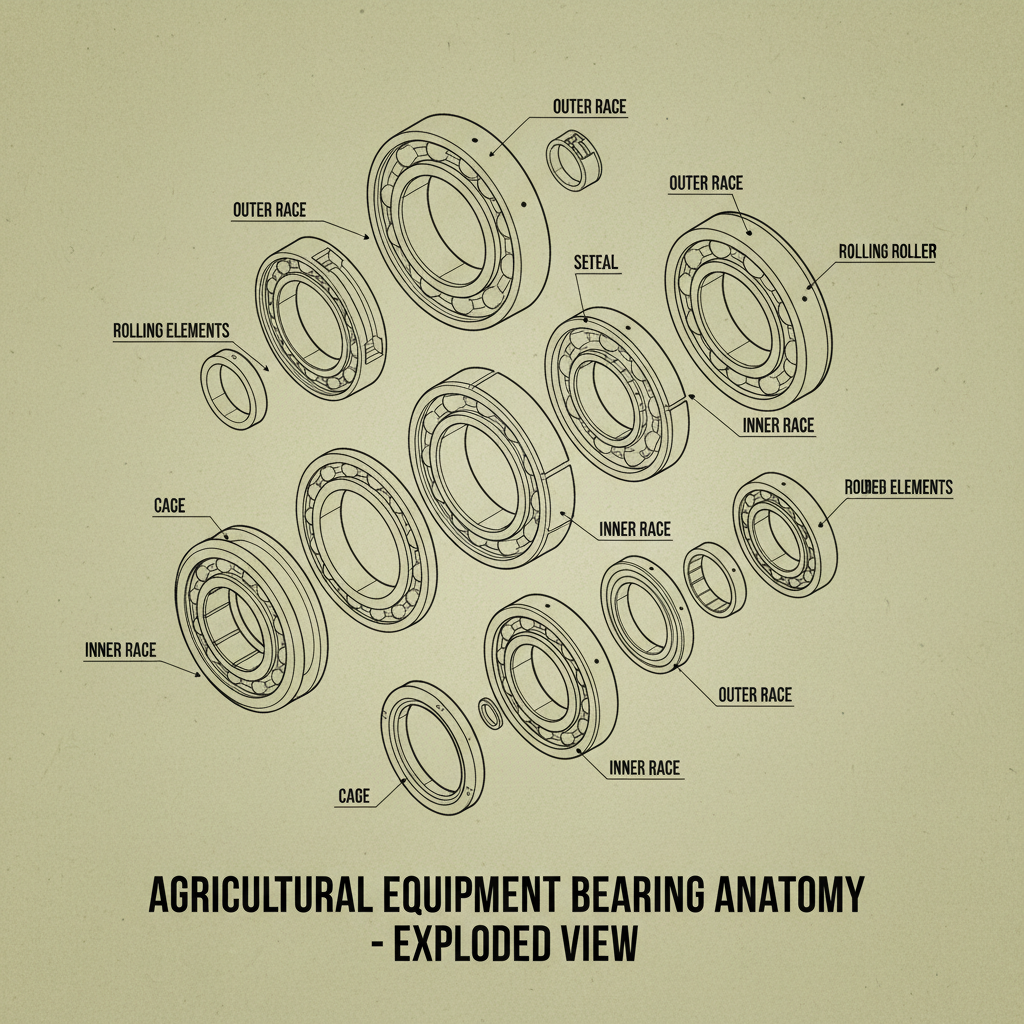
So, what's happening right now? Well, beyond the push for smaller sizes, the big thing is corrosion resistance. Farmers are using more and more aggressive chemicals, and the bearings are taking a beating. We’re seeing a lot of demand for stainless steel and ceramic hybrid bearings, but those aren’t always practical. Stainless is good, but it can gall if it’s not properly lubricated.
And then there’s the whole electric agriculture movement. More electric drives mean more specialized bearing requirements, especially regarding noise and vibration. Strangely enough, they're getting pickier about sound now, who'd have thought?
Honestly? They think if it’s still turning, it’s fine. They don't understand the importance of preventative maintenance. A little grease can save them a lot of money and downtime. They usually don't realize bearings are wearing until it's too late, and then it's a complete breakdown. We try to educate them, but it's an uphill battle. Most of them just want to get the harvest in, you know?
Critically important. The seals are the first line of defense against contaminants – dust, dirt, water, chemicals, you name it. A failed seal means the bearing is going to fail, guaranteed. We've seen seals made from all sorts of materials – nitrile, Viton, silicone – and the best choice depends on the application. But a good seal is non-negotiable.
That’s a tough one. It really depends on the application, the operating conditions, and the maintenance schedule. But generally speaking, a well-maintained bearing should last at least 500-1000 hours. Some can go much longer, but you’re always fighting against wear and tear. It's a good idea to check them annually, at a minimum.
No, absolutely not. Using the wrong grease can cause more harm than good. You need a grease that’s specifically formulated for agricultural applications. It needs to be water-resistant, chemically inert, and able to withstand high loads and temperatures. Lithium-based greases are common, but synthetic greases are becoming more popular because they offer better performance in extreme conditions.
Ceramic bearings are used in applications where corrosion is a major concern, or where high speeds are required. They're also lighter than steel bearings, which can reduce inertia. But they're expensive and can be brittle, so they're not suitable for all applications. They’re usually found in specialized equipment, like precision planters or high-speed harvesting machines.
First, listen for unusual noises – grinding, squealing, or clicking. Then, check for excessive vibration or play in the bearing. If you suspect a problem, stop using the equipment and inspect the bearing. If it's damaged, replace it immediately. Ignoring a failing bearing can lead to catastrophic failure and costly repairs. And remember, safety first!
So, to wrap things up, agricultural equipment bearings are a deceptively complex topic. It’s not just about picking the right material or the right size. It’s about understanding the entire operating environment, the loads involved, and how the equipment is actually used. It's about balancing cost, performance, and reliability.
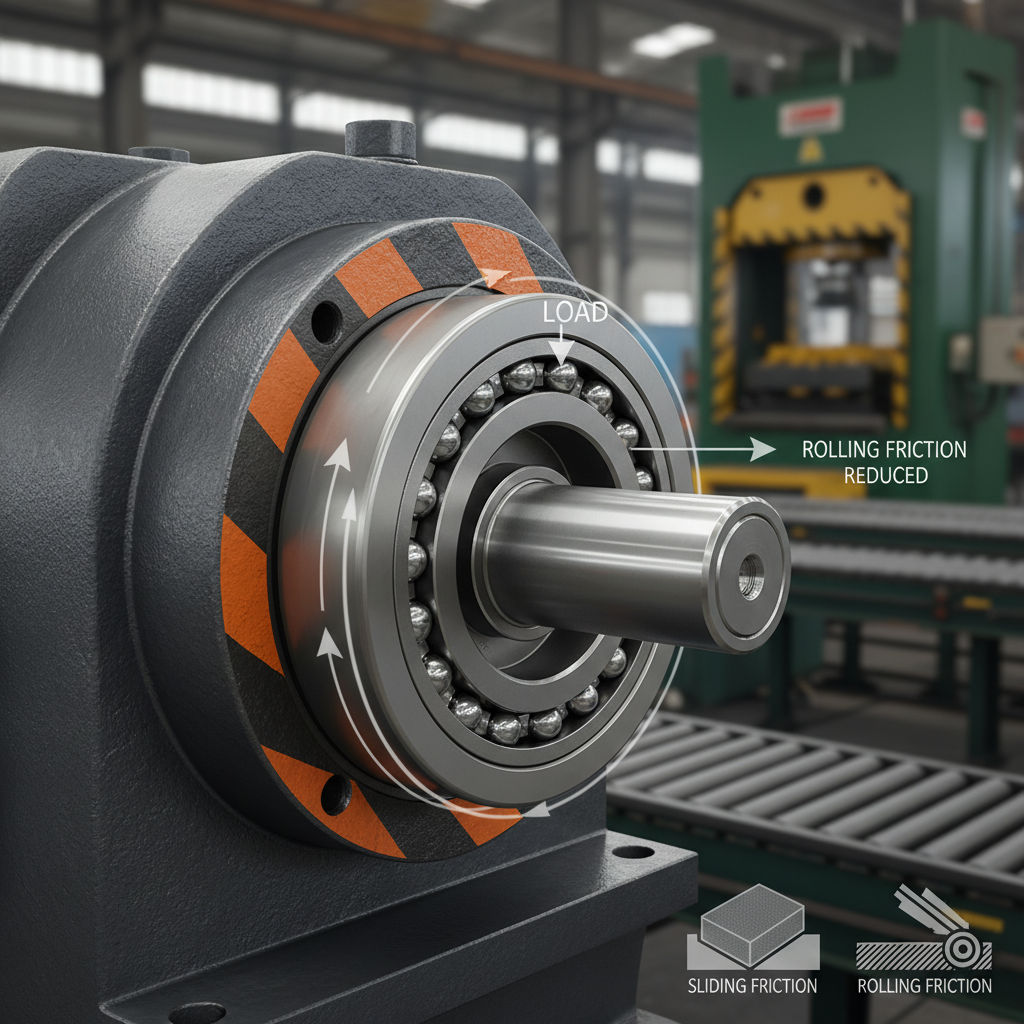
Ultimately, whether this thing works or not, the worker will know the moment he tightens the screw. You can have all the fancy engineering in the world, but if the bearing doesn't feel right, if it doesn't spin smoothly, it's not going to last. That’s why I always say, get out there, get your hands dirty, and talk to the people who are actually using this stuff. Visit our website at agricultural equipment bearings.

 Afrikaans
 Albanian
 Amharic
 Arabic
 Armenian
 Azerbaijani
 Basque
 Belarusian
 Bengali
 Bosnian
 Bulgarian
 Catalan
 Cebuano
 Corsican
 Croatian
 Czech
Czech
 Danish
 Dutch
Dutch
 Esperanto
 Estonian
 Finnish
 French
 Frisian
 Galician
 Georgian
 German
 Greek
Greek
 Gujarati
 Haitian Creole
 Hausa
Hausa
 Hawaiian
 Hebrew
 Hindi
Hindi
 Miao
Miao
 Hungarian
 Icelandic
 Igbo
Igbo
 Indonesian
 Irish
Irish
 Italian
 Japanese
 Javanese
 Kannada
 Kazakh
 Khmer
Khmer
 Rwandese
 Korean
 Kurdish
 Kyrgyz
 Lao
Lao
 Latin
Latin
 Latvian
 Lithuanian
 Luxembourgish
 Macedonian
 Malgashi
 Malay
Malay
 Malayalam
 Maltese
 Maori
Maori
 Marathi
 Mongolian
 Myanmar
 Nepali
 Norwegian
 Norwegian
 Occitan
 Pashto
 Persian
 Polish
 Portuguese
 Punjabi
 Romanian
 Russian
 Samoan
 Scottish Gaelic
 Serbian
 Sesotho
 Shona
Shona
 Sindhi
 Sinhala
 Slovak
 Slovenian
 Somali
 Spanish
 Sundanese
 Swahili
 Swedish
 Tagalog
 Tajik
Tajik
 Tamil
Tamil
 Tatar
Tatar
 Telugu
 Thai
Thai
 Turkish
 Turkmen
 Ukrainian
 Urdu
Urdu
 Uighur
 Uzbek
Uzbek
 Vietnamese
 Welsh
Welsh
 Bantu
Bantu
 Yiddish
 Yoruba
 Zulu
Zulu
 English