You know, these days everyone's talking about miniaturization and high precision. Seems like everything's gotta be smaller, lighter, and do more. It's a good trend, don't get me wrong, but it’s also kinda scary. Have you noticed how everything’s going towards electric? Even the big machinery. It's a bit of a headache, honestly.
What gets me is how easy it is to over-engineer things. Designers sit in their offices, sketching out these complex mechanisms, thinking about tolerances down to the micron. But then you get out on site, and a little bit of grit, a bit of vibration, and it all falls apart. To be honest, simplicity often wins.
The whole industry is moving toward using more composite materials, too. Carbon fiber, polymers, that sort of thing. They're light, strong… but they smell awful when you cut them. Seriously. That burning plastic smell sticks to your clothes for days. And handling them? Gotta wear gloves, safety glasses, the whole nine yards. You can’t just chuck ‘em around like steel.
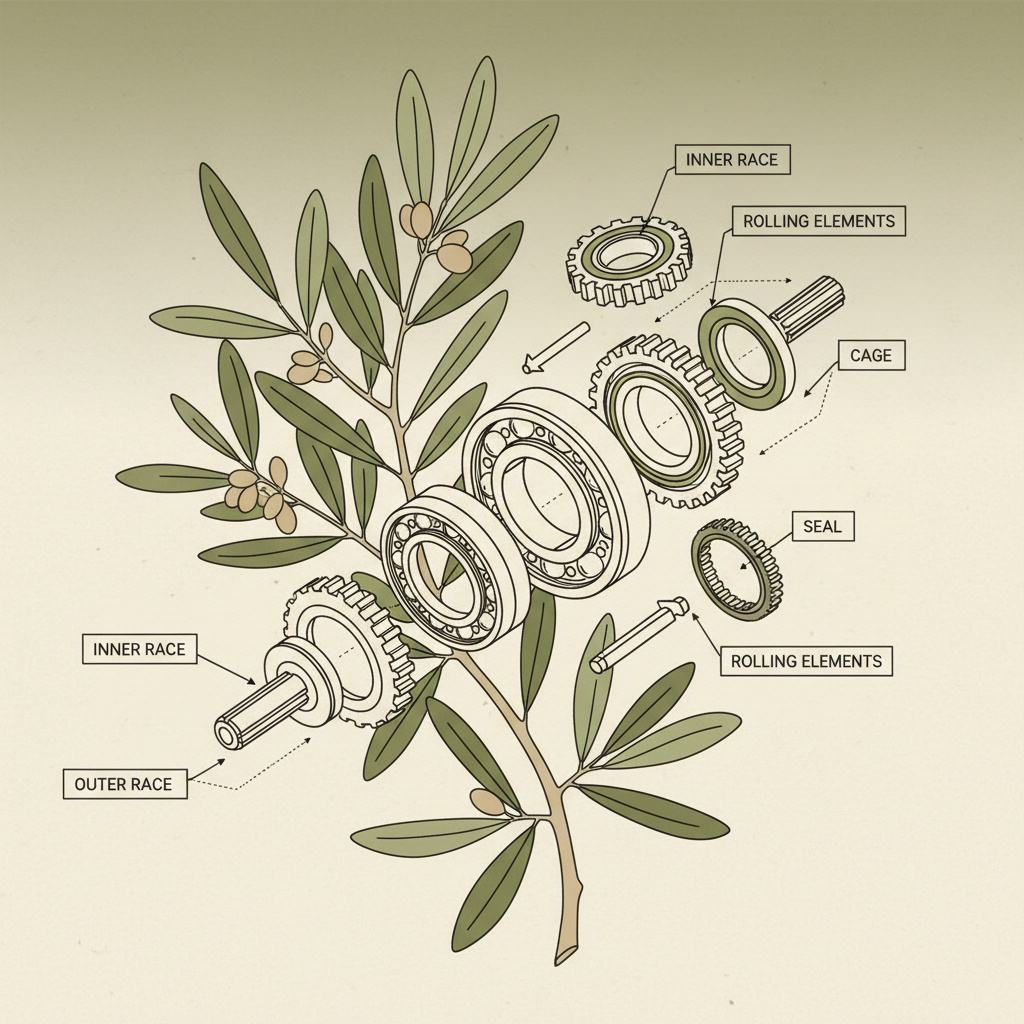
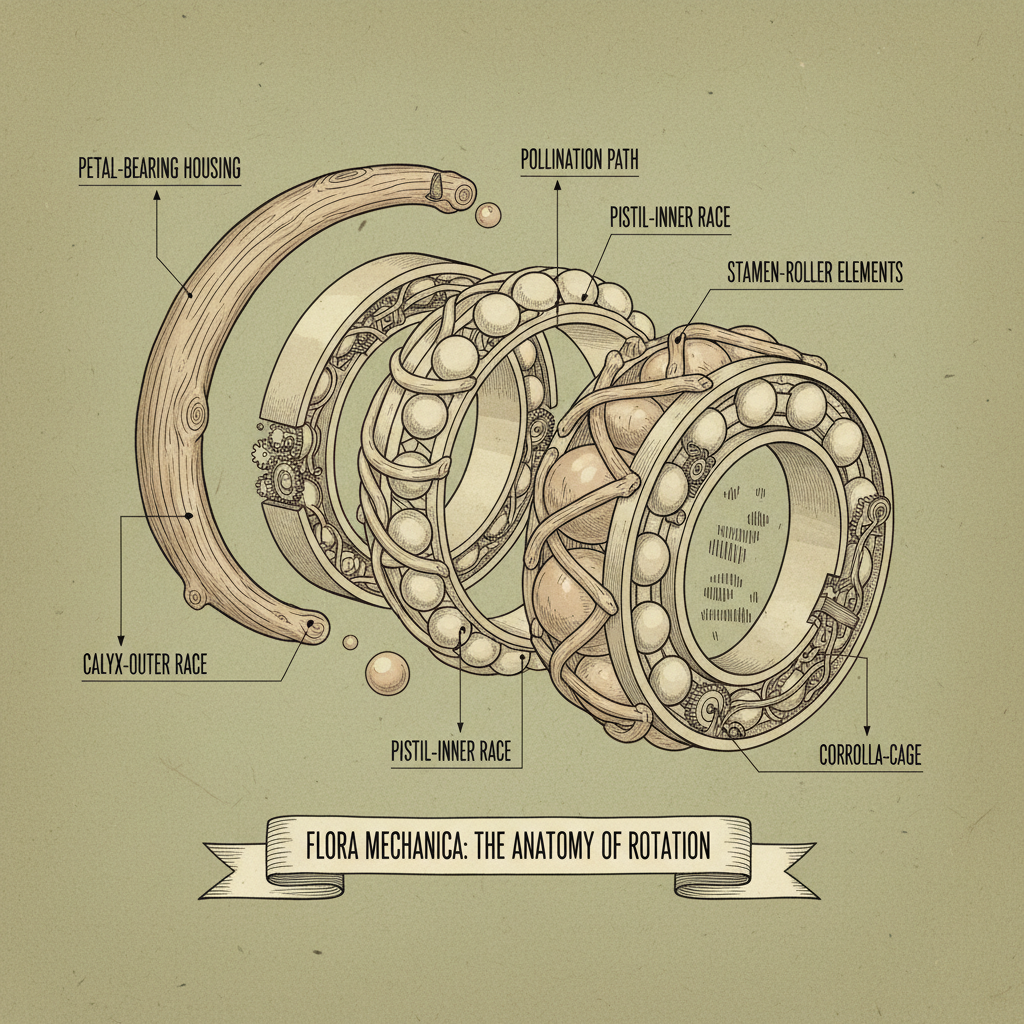
Honestly, the demand for high-performance machinery bearings is through the roof. It’s not just about bigger machines, it’s about machines doing more, faster. Everything's gotta be more efficient, more reliable. I was talking to a guy at a steel mill last week, and he was saying their downtime costs them a fortune. Every hour a machine’s down is money lost, plain and simple.
And it’s not just the big guys. Even smaller operations, like machine shops, are demanding better bearings. They need precision, they need longevity, and they need it at a price they can afford. The global machinery bearings market is huge – billions, they say – and it's only going to grow.
Keep 'em in their original packaging if you can. If not, wrap 'em in clean oil-impregnated paper. You don't want 'em rusting or getting contaminated. And don't stack 'em too high – you don't want to damage the balls or rollers. Proper storage is a surprisingly big deal. It's often overlooked, but it can save you a headache later. A little prevention goes a long way.
That depends. It depends on the load, the speed, the temperature, and the type of grease. Check the manufacturer’s recommendations first. Then, use your judgment. If you hear any squeaking or grinding, it’s probably time for a re-grease. Don't just pump grease in there until it overflows, though. That's a common mistake. Too much grease is just as bad as too little.
That usually means the balls or rollers are pitted or damaged. It could also be a sign of corrosion or contamination. Either way, it’s probably time to replace the bearing. Don’t try to nurse it along. A rough bearing will only get worse, and it could eventually cause a catastrophic failure.
No! Different bearings require different types of grease. Some bearings need lithium-based grease, others need synthetic grease, and still others need special greases with additives. Using the wrong grease can cause corrosion, wear, and premature failure. Always check the manufacturer’s recommendations.
Preloaded bearings have an initial load applied to them. This eliminates play and increases stiffness. They're often used in high-precision applications, like machine tool spindles. But they also require more torque to turn, so you gotta balance the benefits and the drawbacks. It’s not always the best solution.
Listen for unusual noises – squeaking, grinding, rumbling. Feel for vibrations. Check for excessive heat. Monitor the bearing’s temperature with a thermal gun. If you notice any of these signs, investigate immediately. Early detection can save you a lot of trouble.
So, there you have it. machinery bearings – it’s a lot more than just steel balls and rings. It’s about materials science, design principles, real-world testing, and a healthy dose of common sense. It’s about understanding how things work, and how they fail. And it’s about making sure the guys on the ground have the tools and the knowledge they need to do the job right.
Ultimately, whether this thing works or not, the worker will know the moment he tightens the screw. If it feels smooth, if it runs quiet, if it lasts… then we’ve done our job. If it fails, we gotta learn from it, and we gotta do better next time. Visit our website at www.arybearing.com to learn more about how we can help you with your bearing needs.

 Afrikaans
 Albanian
 Amharic
 Arabic
 Armenian
 Azerbaijani
 Basque
 Belarusian
 Bengali
 Bosnian
 Bulgarian
 Catalan
 Cebuano
 Corsican
 Croatian
 Czech
Czech
 Danish
 Dutch
Dutch
 Esperanto
 Estonian
 Finnish
 French
 Frisian
 Galician
 Georgian
 German
 Greek
Greek
 Gujarati
 Haitian Creole
 Hausa
Hausa
 Hawaiian
 Hebrew
 Hindi
Hindi
 Miao
Miao
 Hungarian
 Icelandic
 Igbo
Igbo
 Indonesian
 Irish
Irish
 Italian
 Japanese
 Javanese
 Kannada
 Kazakh
 Khmer
Khmer
 Rwandese
 Korean
 Kurdish
 Kyrgyz
 Lao
Lao
 Latin
Latin
 Latvian
 Lithuanian
 Luxembourgish
 Macedonian
 Malgashi
 Malay
Malay
 Malayalam
 Maltese
 Maori
Maori
 Marathi
 Mongolian
 Myanmar
 Nepali
 Norwegian
 Norwegian
 Occitan
 Pashto
 Persian
 Polish
 Portuguese
 Punjabi
 Romanian
 Russian
 Samoan
 Scottish Gaelic
 Serbian
 Sesotho
 Shona
Shona
 Sindhi
 Sinhala
 Slovak
 Slovenian
 Somali
 Spanish
 Sundanese
 Swahili
 Swedish
 Tagalog
 Tajik
Tajik
 Tamil
Tamil
 Tatar
Tatar
 Telugu
 Thai
Thai
 Turkish
 Turkmen
 Ukrainian
 Urdu
Urdu
 Uighur
 Uzbek
Uzbek
 Vietnamese
 Welsh
Welsh
 Bantu
Bantu
 Yiddish
 Yoruba
 Zulu
Zulu
 English