
Mar . 04, 2026 02:15 Back to list
Deep Groove Ball Bearings A Comprehensive Guide to Selection and Application
Deep Groove Bearing Ball: A Comprehensive Guide
Deep groove ball bearings are arguably the most widely used type of rolling-element bearing. Their versatility, coupled with relatively low cost, makes them ideal for a vast range of applications. This article will delve into the intricacies of deep groove ball bearings, covering their construction, advantages, applications, and considerations for selecting the right bearing for your needs. Understanding these bearings is crucial for optimizing machinery performance and ensuring long-term reliability.
Understanding the Construction of Deep Groove Ball Bearings
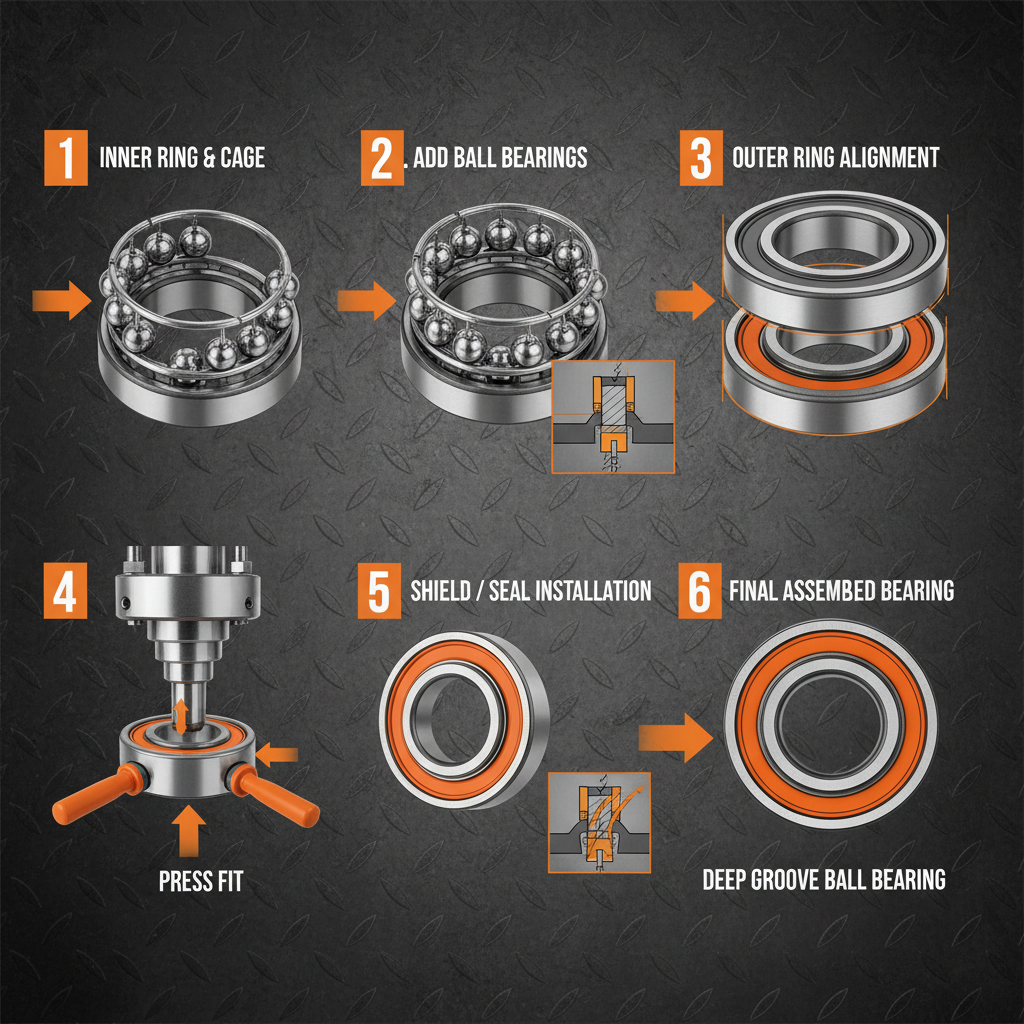
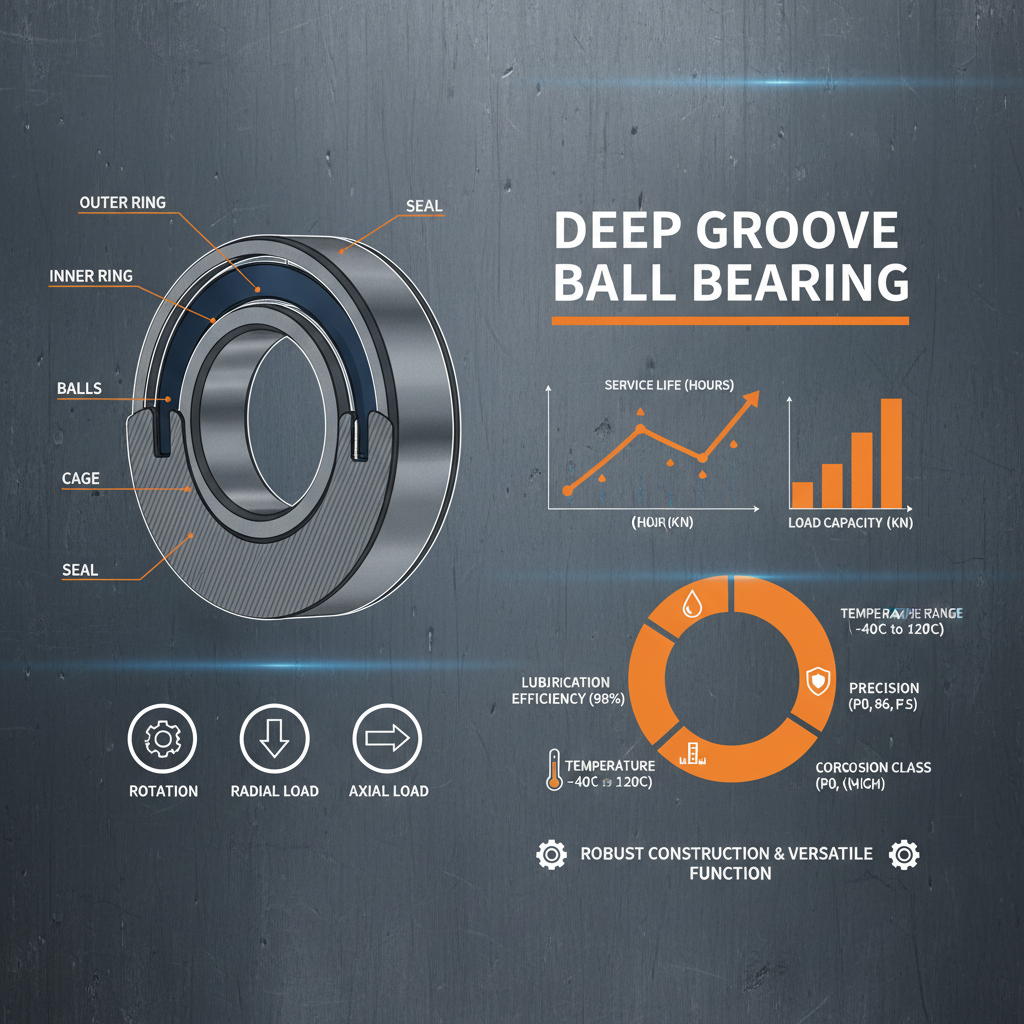
A deep groove ball bearing typically consists of four key components: the inner ring, the outer ring, the balls themselves, and a cage or retainer. The inner and outer rings feature raceways – precisely ground, curved surfaces that provide a path for the balls to roll. The cage separates and positions the balls, maintaining consistent spacing and preventing them from colliding. These bearings are designed to accommodate radial loads (forces perpendicular to the shaft) as well as moderate axial loads (forces parallel to the shaft). The precise manufacturing of each component is vital for ensuring smooth operation and longevity. Ary Bearing specializes in high-precision deep groove ball bearings for various industrial applications.
Key Components: Inner Ring, Outer Ring, Balls, and Cage/Retainer. Precision in manufacturing each part is critical for performance.
Advantages of Using Deep Groove Ball Bearings
Deep groove ball bearings offer several significant advantages, making them a popular choice across many industries. They are known for their low friction, allowing for efficient operation and reduced energy consumption. Their simple design contributes to relatively low manufacturing costs. They can operate at high speeds, making them suitable for applications demanding rapid rotation. Furthermore, they require minimal maintenance, simplifying operation and reducing downtime. The ability to handle both radial and axial loads adds to their versatility.
Key Advantages:
• Low Friction
• Cost-Effective
• High-Speed Capability
• Minimal Maintenance
Deep Groove Ball Bearing Applications
The applications for deep groove ball bearings are incredibly diverse. They are commonly found in electric motors, gearboxes, pumps, compressors, and numerous other rotating equipment. They're crucial in automotive applications, including wheel bearings and transmission components. In the consumer goods sector, they're used in appliances, power tools, and even skateboards. The wide range of sizes and configurations allows them to be adapted for countless specific needs. Ary Bearing's catalog includes bearings suitable for a broad spectrum of applications.
Choosing the Right Bearing Ball Deep Groove for Your Application
Selecting the correct deep groove ball bearing requires careful consideration of several factors. These include the load requirements (radial and axial), operating speed, temperature, and the environment. Bearing materials (steel, ceramic, etc.) should be chosen based on these conditions. The precision class (ABEC rating) determines the level of manufacturing accuracy and influences performance. Proper lubrication is also essential for maximizing bearing life and minimizing friction. Consulting with a bearing specialist, like Ary Bearing, can ensure optimal selection for your specific application.
Bearing Specifications and Standards
Deep groove ball bearings adhere to international standards such as ISO 8936. These standards define dimensions, tolerances, and performance characteristics. Understanding these specifications is vital for ensuring interchangeability and compatibility. Common materials used include chrome steel (AISI 52100) for high load capacity and corrosion resistance, and stainless steel for applications requiring resistance to harsh environments. Bearing size is defined by its bore diameter, outside diameter, and width. Selecting the appropriate bearing grade and material is crucial for ensuring reliable and long-lasting performance.
Conclusion: Optimizing Performance with Deep Groove Ball Bearings
Deep groove ball bearings remain a cornerstone of mechanical engineering due to their versatility, efficiency, and cost-effectiveness. Choosing the right bearing, considering factors like load, speed, and environment, is paramount for maximizing performance and minimizing downtime. Ary Bearing provides a comprehensive selection of high-quality deep groove ball bearings and expert advice to help you find the perfect solution for your needs.
Frequently Asked Questions (FAQs)
What is the ABEC rating, and why is it important?
The ABEC (Annular Bearing Engineers' Committee) rating is a standard for defining the tolerance of ball bearings. Higher ABEC ratings (e.g., ABEC 5, ABEC 7) indicate tighter tolerances and greater precision, resulting in smoother operation and higher speeds. However, higher ABEC ratings don't necessarily mean a "better" bearing for all applications. For heavy load applications, a lower ABEC rating with a more robust design might be more suitable. The ideal ABEC rating depends on the specific requirements of the application, balancing precision with load capacity and cost.
What type of lubricant should I use with deep groove ball bearings?
The choice of lubricant depends on the operating conditions, including temperature, speed, and load. Common lubricants include lithium-based greases, mineral oils, and synthetic oils. For high-speed applications, low-viscosity oils are often preferred. For high-temperature applications, synthetic lubricants with high thermal stability are recommended. It's crucial to select a lubricant that is compatible with the bearing materials and seals. Regular relubrication is essential to maintain optimal performance and prevent premature wear.
Can deep groove ball bearings handle misalignment?
While deep groove ball bearings are designed to operate with precise alignment, they can tolerate a small amount of misalignment. However, excessive misalignment can lead to increased stress, reduced bearing life, and premature failure. Self-aligning ball bearings are designed to accommodate larger misalignments. If misalignment is a concern, it's important to select a bearing type that is specifically designed for that purpose or to ensure proper alignment during installation.
How do I determine the correct bearing size for my application?
Determining the correct bearing size involves considering the shaft diameter, load requirements, and operating speed. The bore diameter of the bearing must match the shaft diameter. The outer diameter and width of the bearing must be sufficient to support the load without exceeding the bearing's load capacity. It’s also important to consider the bearing's limiting speed, which is the maximum speed at which the bearing can operate without overheating. If you're unsure, consulting with a bearing specialist like Ary Bearing can provide expert guidance.
Latest news
-
Professional Deep Groove Ball Bearing Supplier for Industrial Use
NewsApr.16,2026
-
Essential Guide to Deep Groove Ball Bearing Size Chart PDF
NewsApr.09,2026
-
Exploring the Deep Groove Ball Bearing Series for Optimal Performance
NewsApr.07,2026
-
Understanding Deep Groove Ball Bearing Imperial Sizes for Optimal Performance
NewsApr.04,2026
-
Comprehensive Deep Groove Ball Bearing Catalogue PDF Guide for Optimal Performance
NewsMar.31,2026
-
Deep Groove Ball Bearings Applications and Comprehensive Usage Guide
NewsMar.28,2026
 Afrikaans
 Albanian
 Amharic
 Arabic
 Armenian
 Azerbaijani
 Basque
 Belarusian
 Bengali
 Bosnian
 Bulgarian
 Catalan
 Cebuano
 Corsican
 Croatian
 Czech
Czech
 Danish
 Dutch
Dutch
 Esperanto
 Estonian
 Finnish
 French
 Frisian
 Galician
 Georgian
 German
 Greek
Greek
 Gujarati
 Haitian Creole
 Hausa
Hausa
 Hawaiian
 Hebrew
 Hindi
Hindi
 Miao
Miao
 Hungarian
 Icelandic
 Igbo
Igbo
 Indonesian
 Irish
Irish
 Italian
 Japanese
 Javanese
 Kannada
 Kazakh
 Khmer
Khmer
 Rwandese
 Korean
 Kurdish
 Kyrgyz
 Lao
Lao
 Latin
Latin
 Latvian
 Lithuanian
 Luxembourgish
 Macedonian
 Malgashi
 Malay
Malay
 Malayalam
 Maltese
 Maori
Maori
 Marathi
 Mongolian
 Myanmar
 Nepali
 Norwegian
 Norwegian
 Occitan
 Pashto
 Persian
 Polish
 Portuguese
 Punjabi
 Romanian
 Russian
 Samoan
 Scottish Gaelic
 Serbian
 Sesotho
 Shona
Shona
 Sindhi
 Sinhala
 Slovak
 Slovenian
 Somali
 Spanish
 Sundanese
 Swahili
 Swedish
 Tagalog
 Tajik
Tajik
 Tamil
Tamil
 Tatar
Tatar
 Telugu
 Thai
Thai
 Turkish
 Turkmen
 Ukrainian
 Urdu
Urdu
 Uighur
 Uzbek
Uzbek
 Vietnamese
 Welsh
Welsh
 Bantu
Bantu
 Yiddish
 Yoruba
 Zulu
Zulu
 English