
Mar . 07, 2026 02:05 Back to list
Comprehensive Guide to Bearing Dimensions 6206 for Optimal Performance
Understanding Bearing Dimensions 6206: A Comprehensive Guide
The 6206 bearing is a widely used ball bearing, crucial in various mechanical applications. Knowing its dimensions and specifications is essential for proper selection and implementation. This article provides an in-depth look at bearing dimensions 6206, covering key measurements, materials, common applications, and factors to consider when choosing the right bearing for your needs. Whether you're a mechanical engineer, a maintenance professional, or simply looking to understand bearings better, this guide will provide valuable insights.
Key Dimensions of a 6206 Bearing
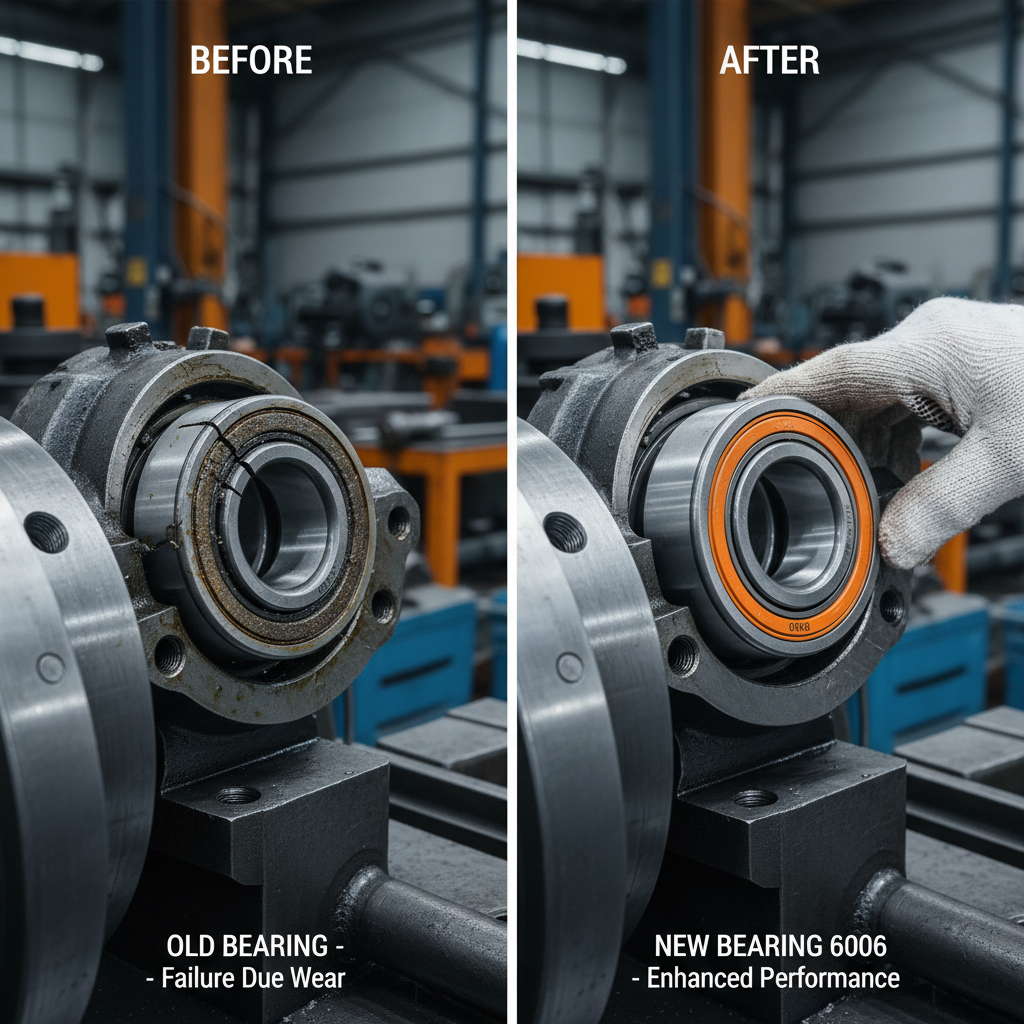
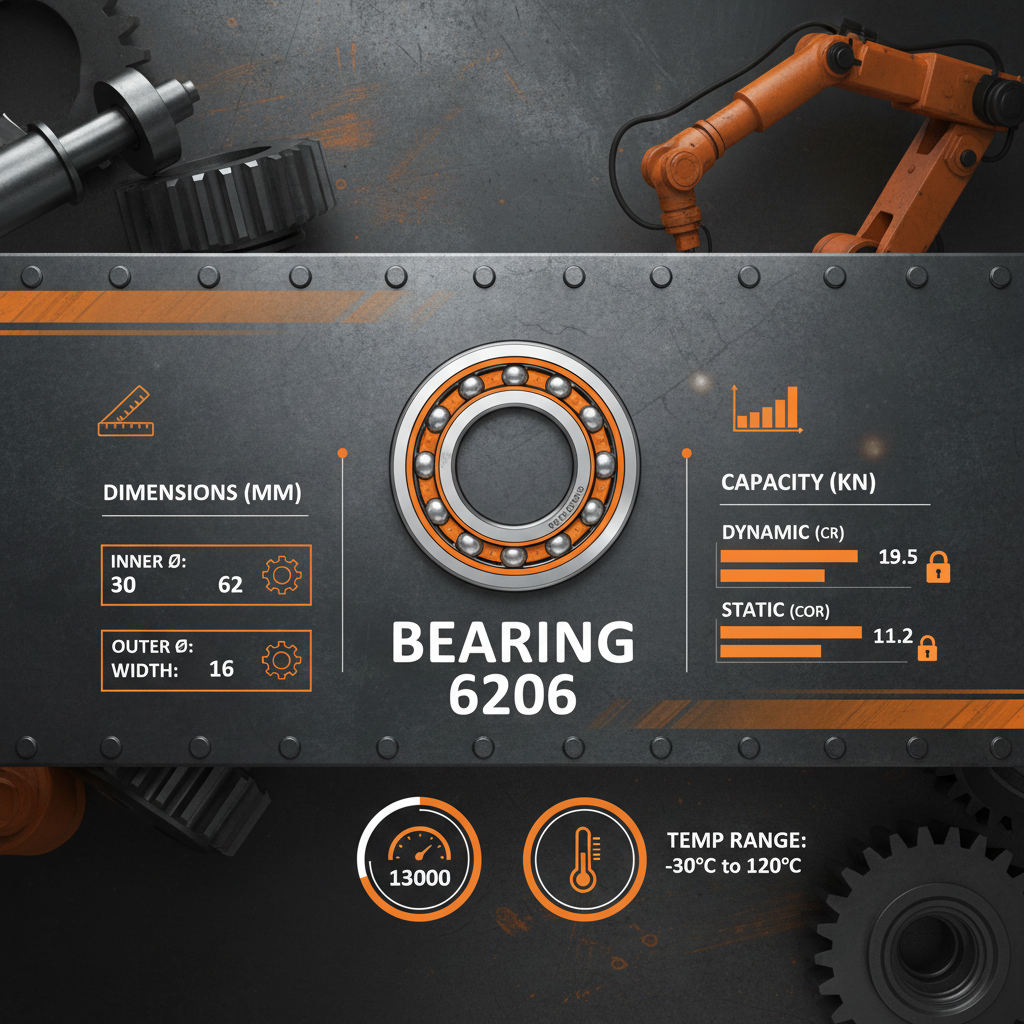
The 6206 bearing is a radial ball bearing with specific dimensions that define its size and fit. Understanding these dimensions is vital for ensuring compatibility with shafts and housings. The key dimensions are Bore Diameter (d), Outer Diameter (D), and Width (B). These measurements are standardized, allowing interchangeability between manufacturers. Accurate measurement and adherence to specifications are critical for optimal bearing performance and longevity. Selecting the wrong size can lead to premature failure, increased vibration, and decreased efficiency.
Detailed Specifications of the 6206 Bearing
Here’s a detailed breakdown of the 6206 bearing specifications. These numbers are crucial for engineers and technicians working with this type of bearing. The 6206 bearing is known for its versatility and is often used in applications where moderate radial loads are present. Understanding the load capacity is as crucial as knowing the dimensions. Dynamic load rating (C) represents the maximum load the bearing can withstand for a specified lifespan, while static load rating (C0) indicates the maximum load it can handle without permanent deformation.
Materials Used in 6206 Bearings
The materials used in a 6206 bearing contribute significantly to its performance and longevity. The most common material for the bearing rings and balls is high-quality steel, typically chrome steel (SAE 52100). This steel offers excellent hardness, wear resistance, and fatigue life. The cage, which separates the balls, can be made from various materials, including steel, brass, nylon, or polyamide. The choice of cage material depends on the application's specific requirements, such as operating temperature and lubrication conditions. Ary Bearing offers a range of 6206 bearings with different material options to suit diverse needs.
Common Applications of 6206 Bearings
The 6206 bearing finds applications across numerous industries. In the automotive sector, it's commonly used in wheel hubs, transmissions, and differentials. In electric motors and pumps, it provides smooth and efficient rotation. Household appliances like washing machines and dryers also utilize 6206 bearings. Other applications include conveyor systems, agricultural machinery, and industrial equipment. Its moderate size and load capacity make it a versatile choice for a wide range of mechanical systems.
Choosing the Right 6206 Bearing for Your Application
Selecting the appropriate 6206 bearing requires careful consideration of several factors. Load requirements, operating speed, temperature, and lubrication conditions all play a role. For high-speed applications, consider bearings with lower friction. In corrosive environments, stainless steel bearings may be necessary. Proper lubrication is crucial for maximizing bearing life and minimizing wear. Consulting with a bearing specialist can help ensure you choose the optimal bearing for your specific needs. Ary Bearing provides expert guidance and a wide selection of bearings to meet any application requirement.
Conclusion: Ensuring Optimal Performance with the Right 6206 Bearing
Understanding bearing dimensions 6206 and its specifications is paramount for efficient and reliable operation of mechanical systems. By carefully considering the application requirements and selecting the appropriate materials and design, you can maximize bearing life, minimize downtime, and ensure optimal performance. Choose quality bearings from trusted suppliers like Ary Bearing to guarantee the longevity and efficiency of your equipment.
Frequently Asked Questions (FAQs)
What is the typical lifespan of a 6206 bearing?
The lifespan of a 6206 bearing heavily depends on its application and operating conditions. With proper lubrication and within its specified load limits, a 6206 bearing can last for several years. However, factors like excessive loads, contamination, misalignment, and high temperatures can significantly reduce its lifespan. Regularly monitoring the bearing’s condition and performing preventative maintenance, such as relubrication, is crucial. Under ideal conditions, a 6206 bearing can operate effectively for over 50,000 hours. Ultimately, proactive maintenance and adherence to manufacturer guidelines maximize bearing longevity.
What type of lubricant is best for a 6206 bearing?
The best lubricant for a 6206 bearing depends on the operating temperature, speed, and load. Generally, lithium-based greases are a good all-purpose choice for moderate applications. For high-speed applications, low-viscosity oils are preferred to minimize friction. In high-temperature environments, synthetic greases with high thermal stability are recommended. It’s crucial to select a lubricant compatible with the bearing materials and operating conditions. Refer to the bearing manufacturer's recommendations for specific lubrication guidelines. Proper lubrication is critical for preventing wear, reducing friction, and extending bearing life.
Can a 6206 bearing tolerate axial loads?
While the 6206 bearing is primarily designed for radial loads, it can tolerate some axial loads. However, its axial load capacity is significantly lower than its radial load capacity. Excessive axial loads can cause premature bearing failure. For applications with significant axial loads, consider using a thrust bearing or angular contact ball bearing, which are specifically designed to handle axial forces. It's important to consult with a bearing specialist to determine the appropriate bearing type for your application’s specific load requirements.
What are common signs of a failing 6206 bearing?
Several signs can indicate a failing 6206 bearing. These include increased noise (grinding, rumbling), excessive vibration, overheating, and play or looseness in the bearing. A noticeable change in operating temperature or a metallic smell can also signal bearing failure. If any of these symptoms are observed, it's crucial to inspect the bearing and replace it if necessary. Ignoring these signs can lead to catastrophic equipment failure and costly downtime. Regular inspection and preventative maintenance are essential for detecting and addressing bearing issues before they escalate.
Latest news
-
Professional Deep Groove Ball Bearing Supplier for Industrial Use
NewsApr.16,2026
-
Essential Guide to Deep Groove Ball Bearing Size Chart PDF
NewsApr.09,2026
-
Exploring the Deep Groove Ball Bearing Series for Optimal Performance
NewsApr.07,2026
-
Understanding Deep Groove Ball Bearing Imperial Sizes for Optimal Performance
NewsApr.04,2026
-
Comprehensive Deep Groove Ball Bearing Catalogue PDF Guide for Optimal Performance
NewsMar.31,2026
-
Deep Groove Ball Bearings Applications and Comprehensive Usage Guide
NewsMar.28,2026
 Afrikaans
 Albanian
 Amharic
 Arabic
 Armenian
 Azerbaijani
 Basque
 Belarusian
 Bengali
 Bosnian
 Bulgarian
 Catalan
 Cebuano
 Corsican
 Croatian
 Czech
Czech
 Danish
 Dutch
Dutch
 Esperanto
 Estonian
 Finnish
 French
 Frisian
 Galician
 Georgian
 German
 Greek
Greek
 Gujarati
 Haitian Creole
 Hausa
Hausa
 Hawaiian
 Hebrew
 Hindi
Hindi
 Miao
Miao
 Hungarian
 Icelandic
 Igbo
Igbo
 Indonesian
 Irish
Irish
 Italian
 Japanese
 Javanese
 Kannada
 Kazakh
 Khmer
Khmer
 Rwandese
 Korean
 Kurdish
 Kyrgyz
 Lao
Lao
 Latin
Latin
 Latvian
 Lithuanian
 Luxembourgish
 Macedonian
 Malgashi
 Malay
Malay
 Malayalam
 Maltese
 Maori
Maori
 Marathi
 Mongolian
 Myanmar
 Nepali
 Norwegian
 Norwegian
 Occitan
 Pashto
 Persian
 Polish
 Portuguese
 Punjabi
 Romanian
 Russian
 Samoan
 Scottish Gaelic
 Serbian
 Sesotho
 Shona
Shona
 Sindhi
 Sinhala
 Slovak
 Slovenian
 Somali
 Spanish
 Sundanese
 Swahili
 Swedish
 Tagalog
 Tajik
Tajik
 Tamil
Tamil
 Tatar
Tatar
 Telugu
 Thai
Thai
 Turkish
 Turkmen
 Ukrainian
 Urdu
Urdu
 Uighur
 Uzbek
Uzbek
 Vietnamese
 Welsh
Welsh
 Bantu
Bantu
 Yiddish
 Yoruba
 Zulu
Zulu
 English