
You know, after running around construction sites all year, getting dust in my teeth and smelling concrete, you start to see patterns. Things change, but they always seem to come back around. Lately, everyone's talking about going lighter, more modular, faster to assemble… it's all about prefabrication, really. But to be honest, a lot of folks just chase the trend without thinking about the practical side of things.
The biggest mistake I see? Over-engineering. People get so caught up in specs and simulations, they forget what it’s actually like to use the stuff. I encountered this at a factory in Suzhou last time, they’d designed this incredibly complex bearing housing, all fancy alloys and intricate machining. Looked beautiful in the CAD drawings, but try tightening bolts on that thing in the rain with greasy gloves? Forget about it.
We primarily use 52Mn steel for the rings, generally. Good balance of hardness and toughness. Feels…substantial, you know? Not flimsy like some of the cheaper stuff. You can smell the oil when you first open a pack, a bit metallic, not unpleasant. The balls are usually GCr15, high-carbon chromium steel. They’re smooth, almost slippery to the touch. We’ve also been experimenting with ceramic balls for some high-speed applications. Those feel… different. Colder, somehow. Hard to explain.
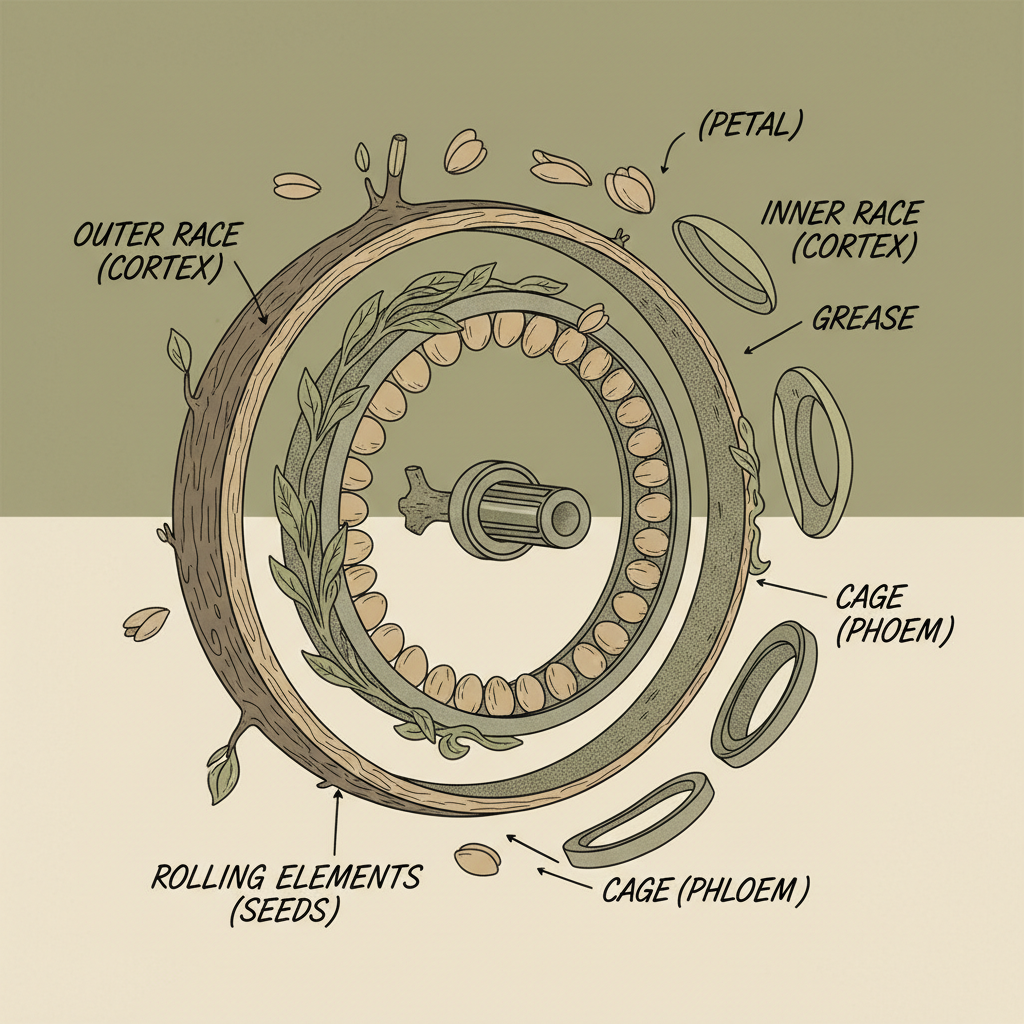
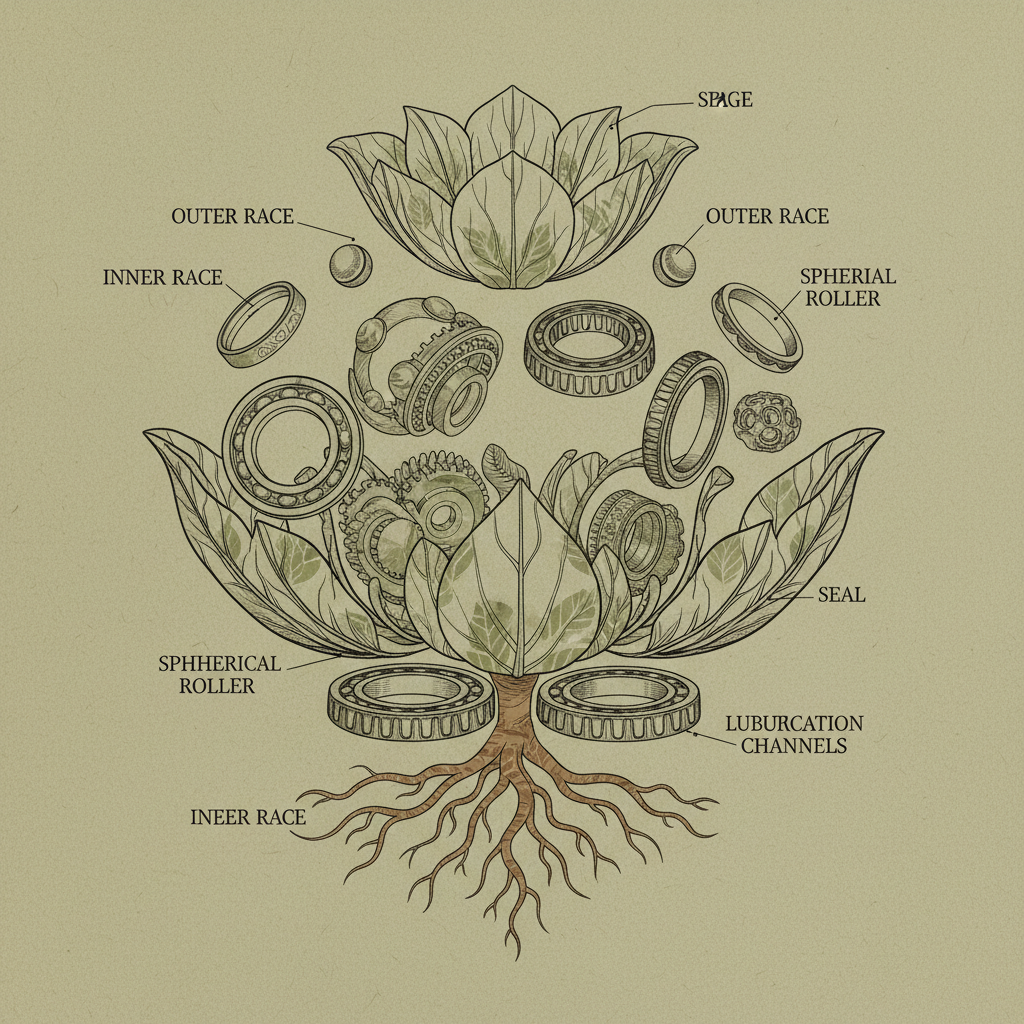
Things are shifting, you know? Used to be, everyone just wanted the cheapest option. Now, there's a real push for reliability and longevity. Farmers are keeping their equipment longer, so they need bearings that can handle the abuse. And it's not just farming; think about forestry, construction, even landscaping. Everyone’s demanding more.
We're seeing a lot of demand for sealed bearings, less maintenance, less downtime. That's huge. They're willing to pay a bit more upfront if it means less hassle down the road. Strangely, there’s also a growing interest in specialized coatings to resist corrosion, particularly in coastal areas.
Keep ‘em dry, keep ‘em clean, and keep ‘em in the original packaging if you can. Moisture is the enemy. If you have to store them for a long time, a light coating of grease can help prevent corrosion. And don't stack ‘em too high, you don’t want to damage the rings.
Depends on the application, but generally, every 6 months to a year is a good rule of thumb. If the bearing is exposed to harsh conditions – dust, water, extreme temperatures – you'll need to re-grease it more frequently. Over-greasing isn’t ideal either, it attracts dirt. Listen to the machine, it'll tell you when it's hungry.
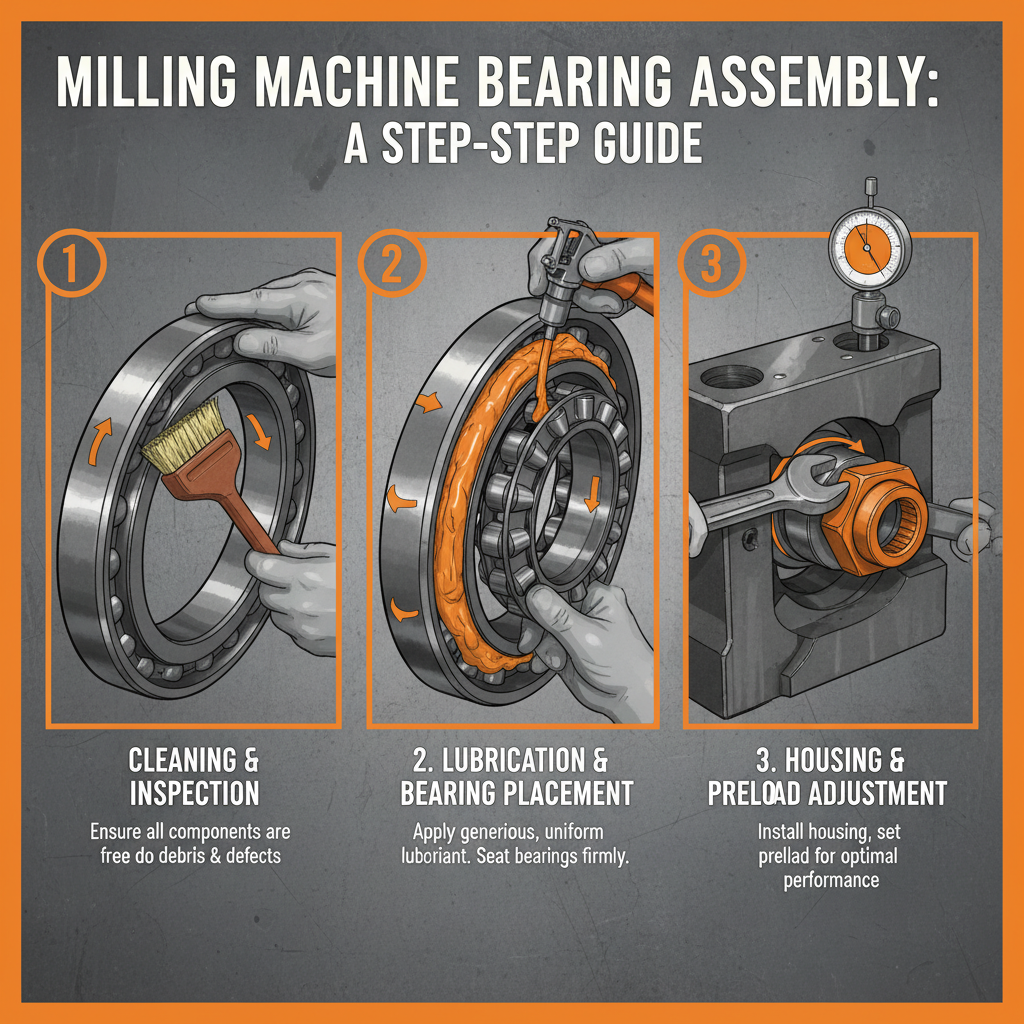
Preload is the initial load applied to the bearing during installation. It affects the bearing's stiffness and performance. Too little preload, and the bearing can wobble. Too much, and it'll overheat. It's a delicate balance. The manufacturer's specs are your friend here. Don't wing it.
Absolutely not. Different bearings require different types of grease. Lithium-based grease is common, but you might need a synthetic grease for high temperatures or a calcium-based grease for wet environments. Check the bearing manufacturer's recommendations. Using the wrong grease can cause premature failure.
Listen for unusual noises – grinding, squealing, clicking. Check for excessive heat. Feel for vibration. If you notice any of these signs, it's time to inspect the bearing. Don’t ignore it, a failing bearing can cause serious damage to the equipment.
Ceramic bearings are lighter, harder, and more resistant to corrosion than steel bearings. They’re also faster and quieter. But they’re expensive and more brittle. They’re best suited for high-speed, low-load applications where corrosion is a concern. Not every job needs them, but for some, they’re a game-changer.
So, what does it all come down to? Agricultural machinery bearings are more than just metal rings and balls. They’re critical components that keep farms, forests, and construction sites running. Choosing the right bearing, installing it correctly, and maintaining it properly can save you a lot of time, money, and headaches. It's about understanding the application, the materials, and the limitations.
Ultimately, whether this thing works or not, the worker will know the moment he tightens the screw. That's the truth of it. If it feels right, sounds right, and lasts, then we’ve done our job. If you're looking for reliable agricultural machinery bearings, visit our website and let’s talk about your specific needs.
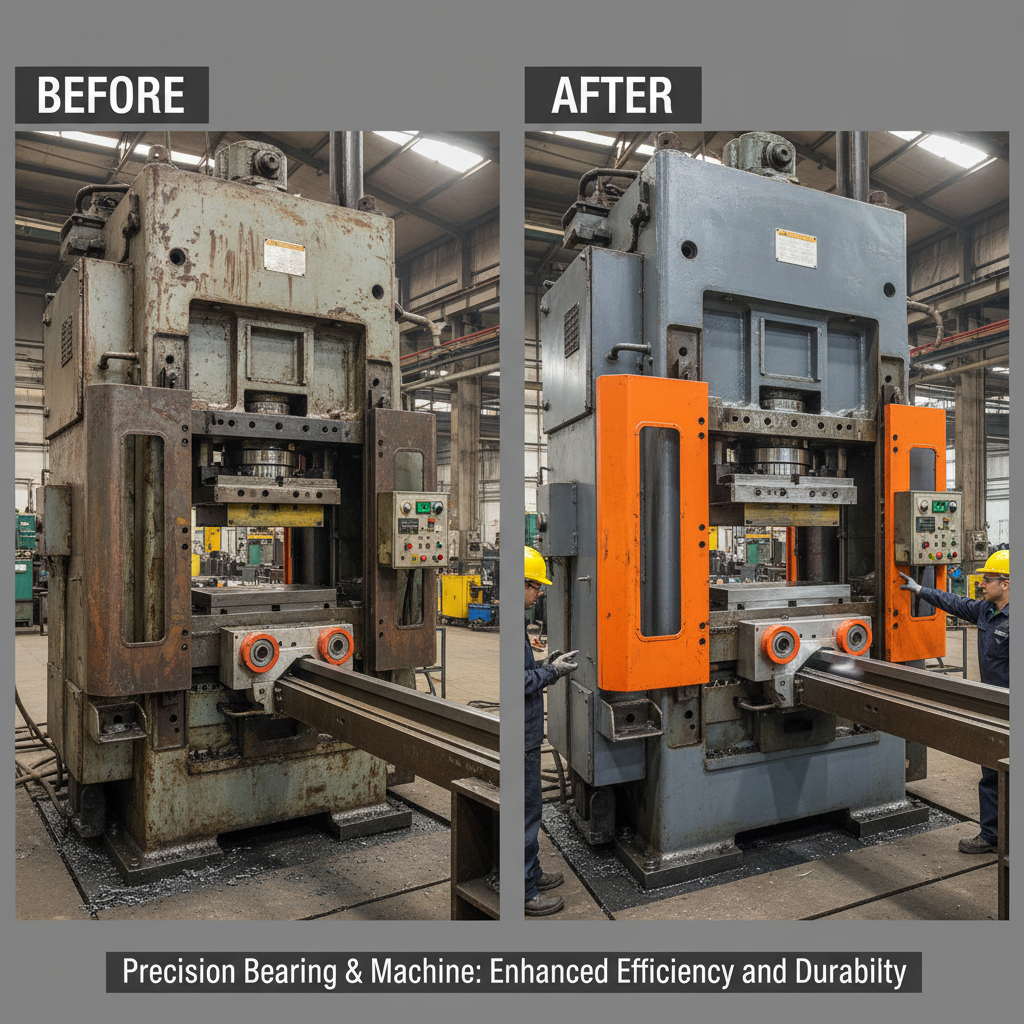

 Afrikaans
 Albanian
 Amharic
 Arabic
 Armenian
 Azerbaijani
 Basque
 Belarusian
 Bengali
 Bosnian
 Bulgarian
 Catalan
 Cebuano
 Corsican
 Croatian
 Czech
Czech
 Danish
 Dutch
Dutch
 Esperanto
 Estonian
 Finnish
 French
 Frisian
 Galician
 Georgian
 German
 Greek
Greek
 Gujarati
 Haitian Creole
 Hausa
Hausa
 Hawaiian
 Hebrew
 Hindi
Hindi
 Miao
Miao
 Hungarian
 Icelandic
 Igbo
Igbo
 Indonesian
 Irish
Irish
 Italian
 Japanese
 Javanese
 Kannada
 Kazakh
 Khmer
Khmer
 Rwandese
 Korean
 Kurdish
 Kyrgyz
 Lao
Lao
 Latin
Latin
 Latvian
 Lithuanian
 Luxembourgish
 Macedonian
 Malgashi
 Malay
Malay
 Malayalam
 Maltese
 Maori
Maori
 Marathi
 Mongolian
 Myanmar
 Nepali
 Norwegian
 Norwegian
 Occitan
 Pashto
 Persian
 Polish
 Portuguese
 Punjabi
 Romanian
 Russian
 Samoan
 Scottish Gaelic
 Serbian
 Sesotho
 Shona
Shona
 Sindhi
 Sinhala
 Slovak
 Slovenian
 Somali
 Spanish
 Sundanese
 Swahili
 Swedish
 Tagalog
 Tajik
Tajik
 Tamil
Tamil
 Tatar
Tatar
 Telugu
 Thai
Thai
 Turkish
 Turkmen
 Ukrainian
 Urdu
Urdu
 Uighur
 Uzbek
Uzbek
 Vietnamese
 Welsh
Welsh
 Bantu
Bantu
 Yiddish
 Yoruba
 Zulu
Zulu
 English