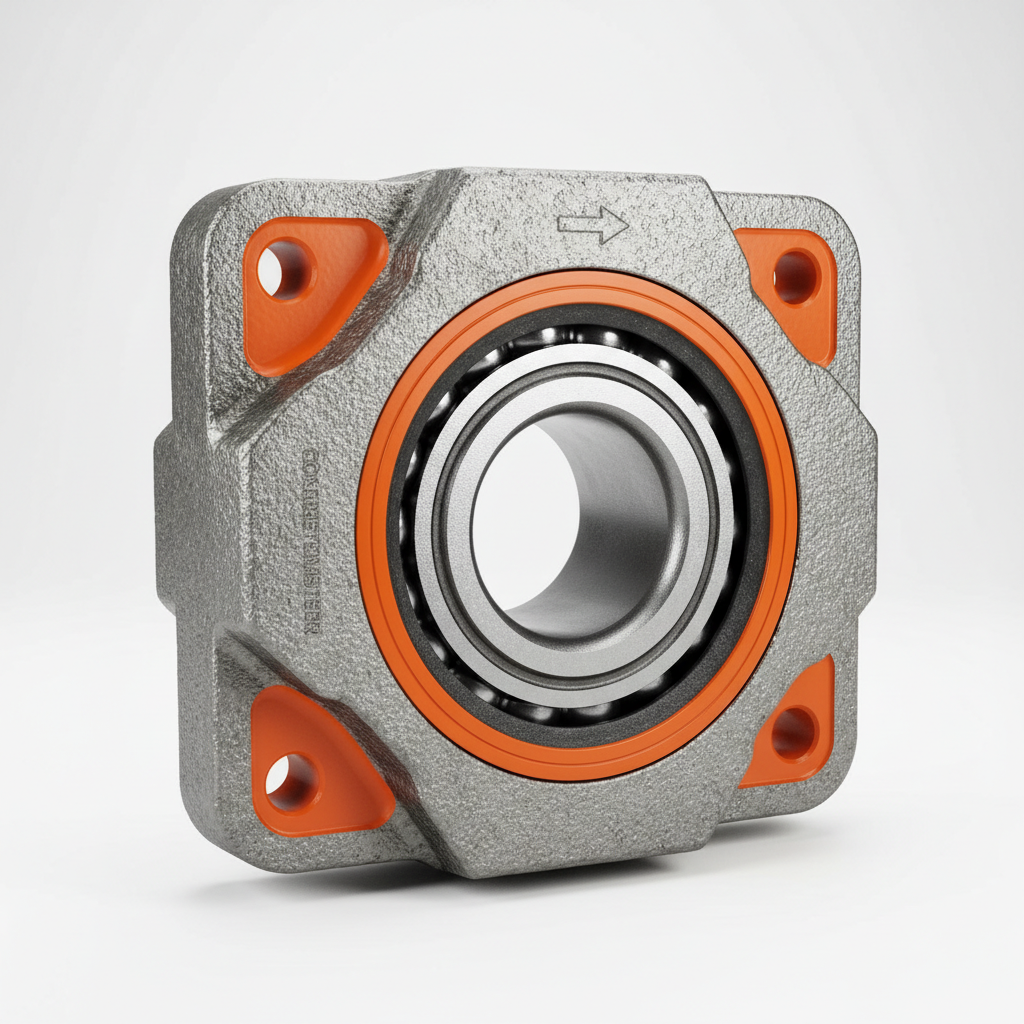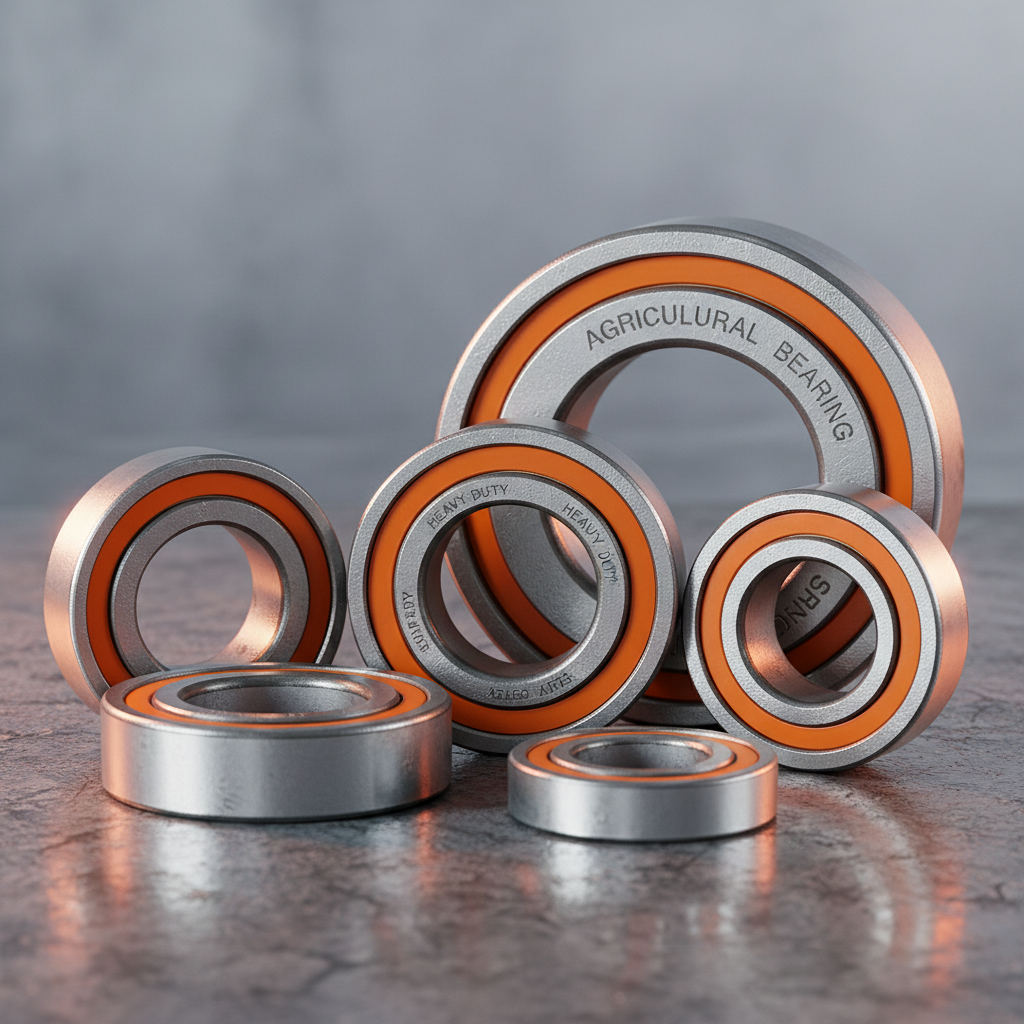
The global demand for high-precision components drives the need for efficient and reliable bearing making machines. These machines are crucial for manufacturing bearings used in a vast array of industries, from automotive and aerospace to manufacturing and renewable energy. The advancement of bearing making machine technology directly impacts the performance, lifespan, and overall cost-effectiveness of the products they enable. Understanding the intricacies of these machines is vital for engineers, manufacturers, and anyone involved in the supply chain of mechanical components.
The bearing manufacturing industry is a multi-billion dollar market, heavily influenced by economic growth, technological innovation, and the demand for higher performance materials. According to industry reports, the global bearing market is projected to continue its steady growth trajectory, driving increased demand for sophisticated bearing making machines. This growth is spurred by increasing automation, electrification of vehicles, and the expansion of industrial sectors in emerging economies.
Bearing making machine technology is constantly evolving, with a focus on automation, precision, and material efficiency. These machines are not merely about production volume; they are about creating bearings that meet stringent quality standards, ensuring reliability, and minimizing waste. The future of bearing manufacturing hinges on the development of intelligent and adaptive bearing making machines capable of meeting the increasingly complex demands of modern industries.
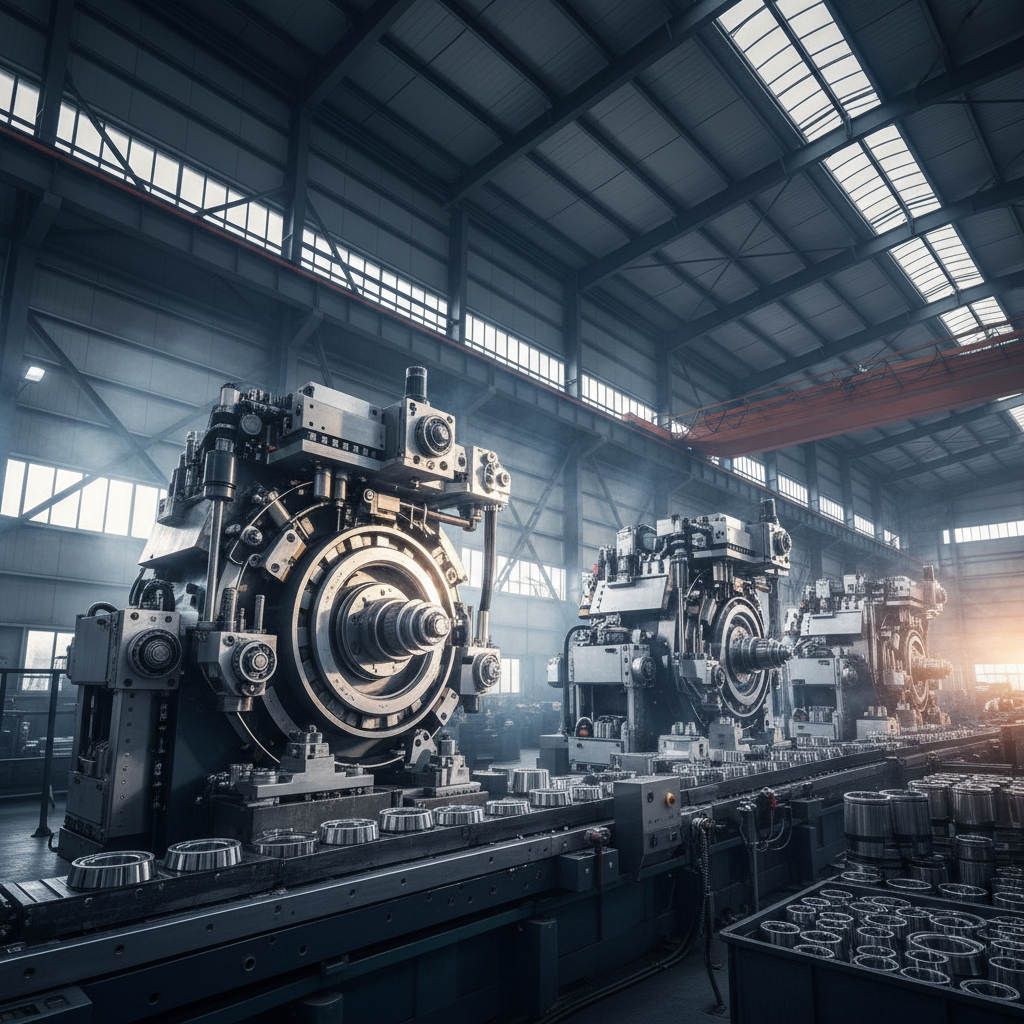
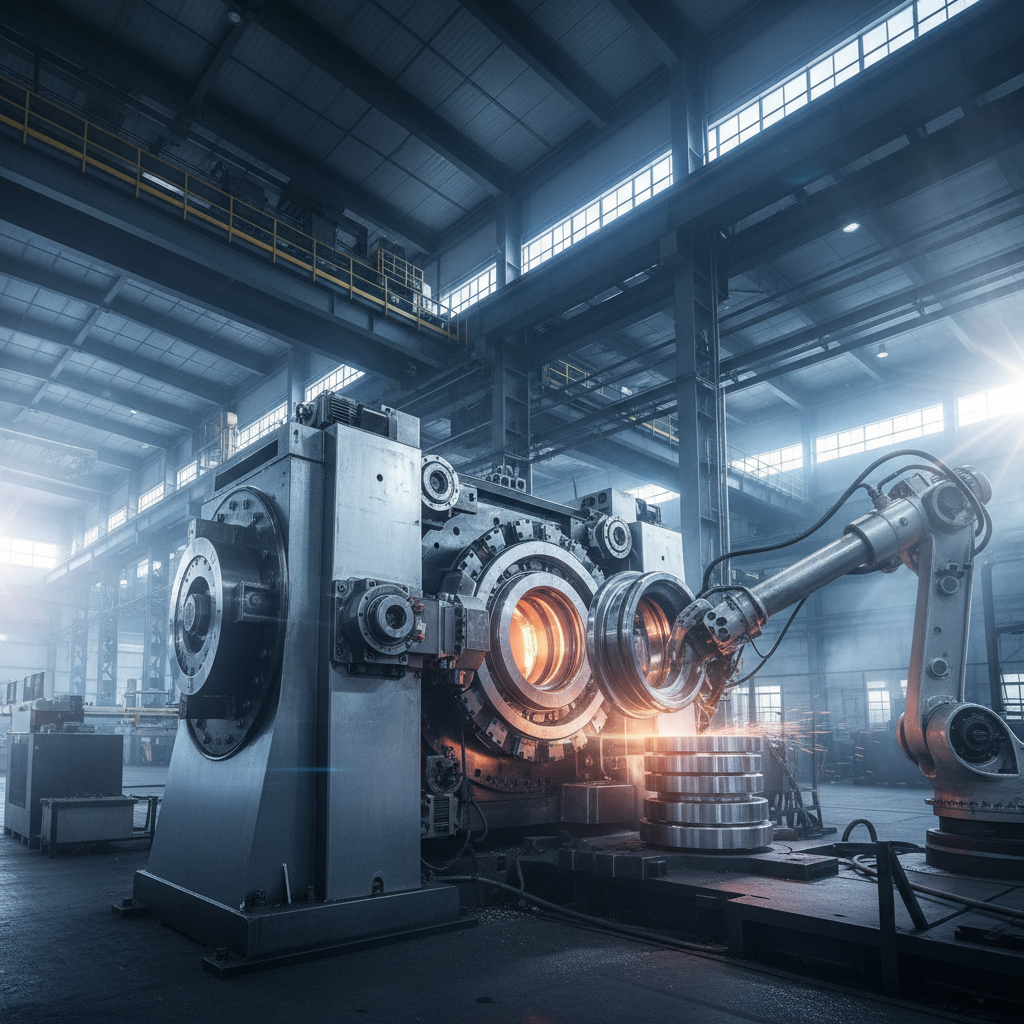
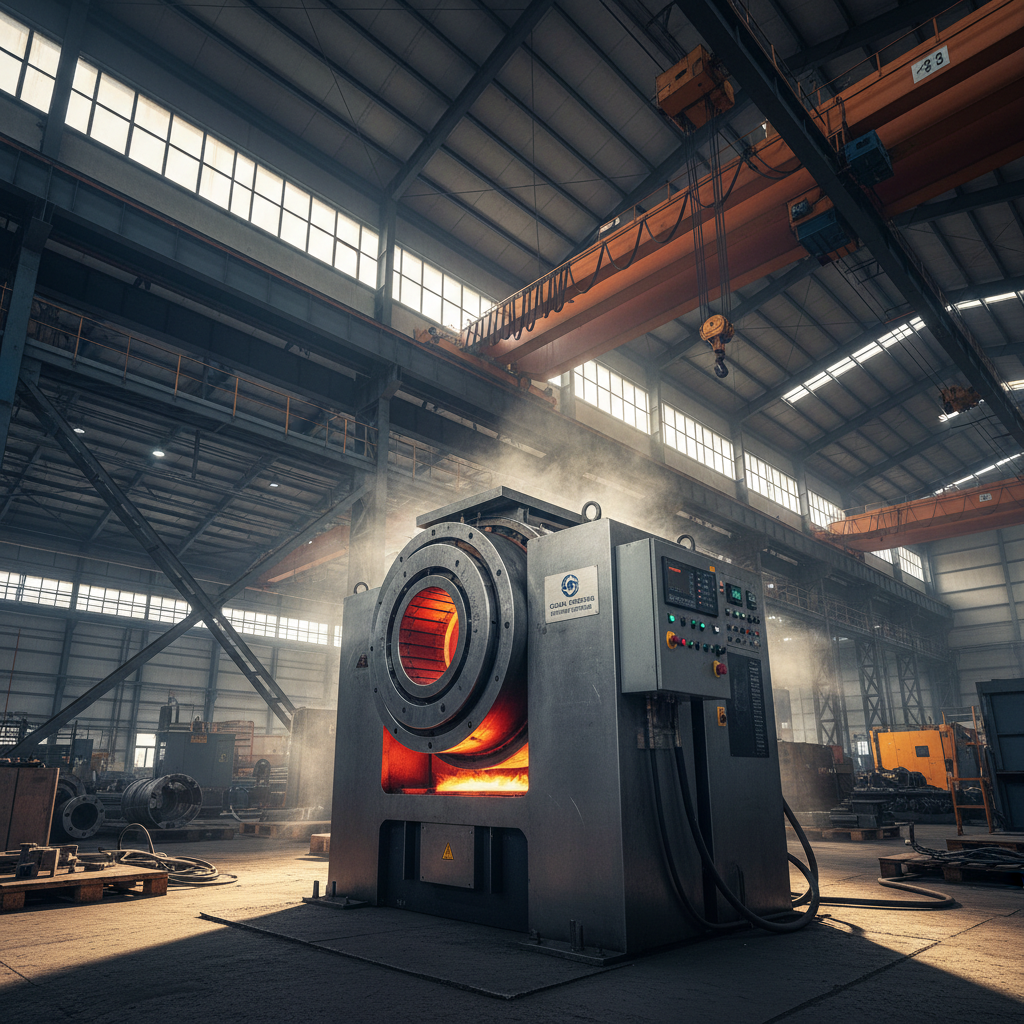
A bearing making machine represents a complex assembly of technologies designed for the automated or semi-automated production of bearings. These machines encompass a range of processes, including material preparation, forming, machining, heat treatment, and quality control. Their precise operation is paramount to creating bearings that meet the stringent demands of modern industries.
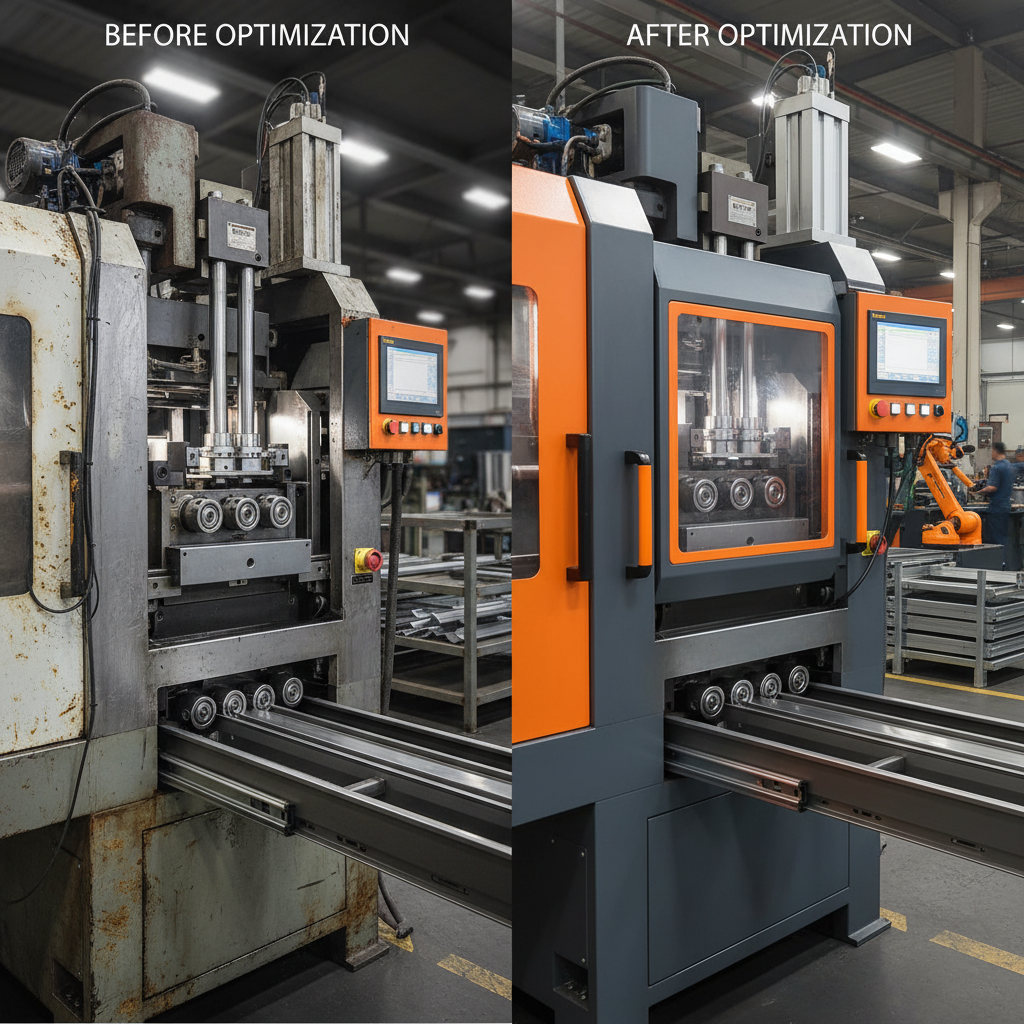
The efficiency and capabilities of a bearing making machine directly affect the quality and cost of bearings. Advanced machines incorporate sophisticated control systems, sensors, and robotic elements to ensure consistent precision and minimize material waste. Understanding the nuances of these machines is essential for maximizing production output and maintaining a competitive edge in the global bearing market.
The lifespan of a bearing making machine can vary significantly depending on its quality, maintenance schedule, and intensity of use. However, a well-maintained, high-quality machine can typically operate efficiently for 15-20 years, or even longer with major overhauls. Regular inspections, preventative maintenance, and timely replacement of worn parts are crucial for maximizing its operational life. Investing in durable materials and robust construction also extends the machine's longevity.
Modern bearing making machines exhibit a high degree of automation. Many operations, including material feeding, forming, machining, and quality control, are fully automated using CNC controls, robotic arms, and advanced sensor systems. While some tasks still require human intervention, the trend is towards increased automation to enhance efficiency, reduce errors, and lower labor costs. Fully automated lines can produce bearings continuously with minimal operator oversight.
Key maintenance requirements include regular lubrication of moving parts, inspection and replacement of worn components (such as cutting tools and belts), calibration of sensors and controls, and cleaning of the machine to prevent buildup of debris. Preventative maintenance schedules, based on manufacturer recommendations and operating conditions, are essential. Furthermore, regular monitoring of machine performance metrics can help identify potential issues before they lead to breakdowns.
The cost of a new bearing making machine can vary widely depending on its size, complexity, and level of automation. A basic, semi-automatic machine might cost between $100,000 and $500,000, while a fully automated, high-precision machine can easily exceed $1 million. Factors such as brand reputation, customization options, and after-sales support also influence the price. It's crucial to consider the total cost of ownership, including installation, training, and maintenance.
The materials used in the construction of a bearing making machine significantly impact its performance and durability. High-strength steels are typically used for critical components to withstand high stresses and wear. Precision ground components and hardened surfaces are vital for maintaining accuracy. The quality of materials used for bearings such as tool steels, alloys, and carbides affect the overall lifespan and efficiency of the machine, and thus the quality of the bearings produced.
Safety features are paramount in bearing making machine design. These include emergency stop buttons, safety guards around moving parts, light curtains to prevent accidental access, and interlocking systems to prevent operation with guards removed. Proper electrical grounding, overload protection, and clear warning labels are also essential. Operator training on safety procedures and the correct use of personal protective equipment is crucial for preventing accidents.
In conclusion, bearing making machines are essential components of modern manufacturing, enabling the production of high-precision bearings that underpin a wide range of industries. Understanding the key components, applications, advantages, and future trends in this technology is crucial for maintaining a competitive edge and driving innovation. Investing in advanced bearing making machines offers substantial long-term benefits, including increased efficiency, improved product quality, and enhanced sustainability.
As technology continues to evolve, the future of bearing making machine technology will be characterized by increased automation, digitalization, and the integration of Industry 4.0 concepts. Staying abreast of these advancements and embracing best practices in maintenance and operation will be essential for maximizing the value of these machines and ensuring their continued contribution to the global manufacturing landscape. Visit our website at bearing making machine to learn more.

 Afrikaans
 Albanian
 Amharic
 Arabic
 Armenian
 Azerbaijani
 Basque
 Belarusian
 Bengali
 Bosnian
 Bulgarian
 Catalan
 Cebuano
 Corsican
 Croatian
 Czech
Czech
 Danish
 Dutch
Dutch
 Esperanto
 Estonian
 Finnish
 French
 Frisian
 Galician
 Georgian
 German
 Greek
Greek
 Gujarati
 Haitian Creole
 Hausa
Hausa
 Hawaiian
 Hebrew
 Hindi
Hindi
 Miao
Miao
 Hungarian
 Icelandic
 Igbo
Igbo
 Indonesian
 Irish
Irish
 Italian
 Japanese
 Javanese
 Kannada
 Kazakh
 Khmer
Khmer
 Rwandese
 Korean
 Kurdish
 Kyrgyz
 Lao
Lao
 Latin
Latin
 Latvian
 Lithuanian
 Luxembourgish
 Macedonian
 Malgashi
 Malay
Malay
 Malayalam
 Maltese
 Maori
Maori
 Marathi
 Mongolian
 Myanmar
 Nepali
 Norwegian
 Norwegian
 Occitan
 Pashto
 Persian
 Polish
 Portuguese
 Punjabi
 Romanian
 Russian
 Samoan
 Scottish Gaelic
 Serbian
 Sesotho
 Shona
Shona
 Sindhi
 Sinhala
 Slovak
 Slovenian
 Somali
 Spanish
 Sundanese
 Swahili
 Swedish
 Tagalog
 Tajik
Tajik
 Tamil
Tamil
 Tatar
Tatar
 Telugu
 Thai
Thai
 Turkish
 Turkmen
 Ukrainian
 Urdu
Urdu
 Uighur
 Uzbek
Uzbek
 Vietnamese
 Welsh
Welsh
 Bantu
Bantu
 Yiddish
 Yoruba
 Zulu
Zulu
 English